
News
Sam Cooke’s Prophetic Song of Pain, Hope and Civil Rights: “A Change Is Gonna Come”
Recorded in 1964 and released as a single after Sam Cooke’s death, “A Change Is Gonna Come” fused Sam Cooke’s personal wounds, spiritual resolve and the moral force of the civil rights movement into one of the defining songs of modern America.

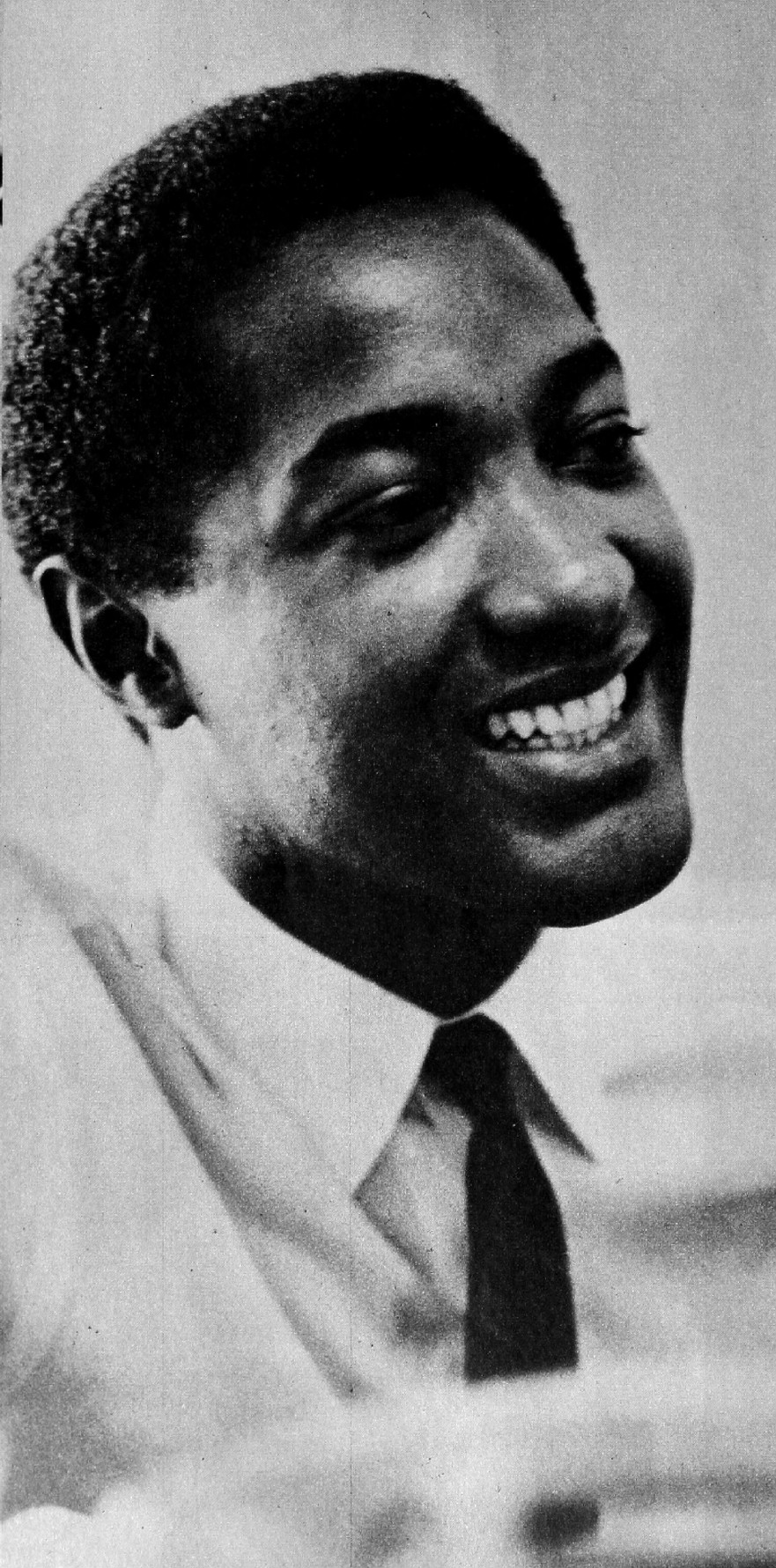
A song that came to mean more than a song
Few recordings carry the emotional weight of “A Change Is Gonna Come.” In just a few minutes, Sam Cooke turned private hurt and public history into a work that felt both intimate and national, a meditation on suffering that also refused despair. The song has endured not simply because it is beautiful, but because it speaks in two registers at once: as the testimony of one man and as a broader cry for dignity in the United States during the civil rights era.
Its power also lies in timing. Recorded in 1964 and released as a single after Cooke’s death, the song arrived at a moment when the country was being forced to confront the violence, exclusion and moral contradictions of segregation. What Cooke captured was not only pain, but the tense, difficult conviction that change, however delayed, was still possible.
“It’s been a long, a long time coming, but I know a change gon’ come, oh yes it will.”
From pop sophistication to moral witness
By the early 1960s, Sam Cooke was already a major figure in American music, celebrated for a voice that could sound velvety, intimate and unguardedly human all at once. He had moved from gospel roots into pop and soul with unusual grace, bringing spiritual phrasing and emotional clarity into mainstream popular music. That background mattered: when Cooke sang about hardship and redemption, he drew on a deeply rooted musical language of endurance.
What makes “A Change Is Gonna Come” so striking is that it did not abandon Cooke’s elegance; it redirected it. Rather than writing a direct protest chant, he created something orchestral, reflective and almost hymn-like. The result was a civil rights statement that felt elevated without losing urgency, a song whose sorrow never drowned out its faith.
The influence of Bob Dylan and the shock of recognition
Cooke was deeply affected by Bob Dylan’s “Blowin’ in the Wind,” a song that demonstrated how plainly framed questions about justice could enter the center of American culture. For Cooke, the impact seems to have been both artistic and personal. Here was a contemporary song engaging the great moral crisis of the day, and it helped sharpen his own sense that he, too, could address the world directly through his music.
But “A Change Is Gonna Come” was never an abstract response to another songwriter. Its emotional force came from lived experience. Cooke’s work had long balanced commercial polish with emotional truth, and this song pushed that balance toward testimony. He was not merely observing the movement around him; he was writing from inside the injuries and humiliations that Black Americans knew all too well.
Shreveport and the sting of segregation
A notorious 1963 incident in Shreveport, Louisiana, became part of the song’s historical context. Cooke and members of his party were turned away from a whites-only motel, a brutal reminder that fame, talent and money offered no shield against the architecture of segregation. The insult was not only public but existential, reducing a celebrated artist to the same racist script imposed on countless others.
The episode did not end at refusal. Cooke and his party were later arrested, further underscoring the routine cruelty of the system. That sequence—humiliation followed by criminalization—helps explain the ache inside “A Change Is Gonna Come.” The song does not sound like a newspaper report, but its sense of weariness, danger and perseverance is inseparable from realities like Shreveport. It transforms incident into lament, and lament into a promise.
How the song turns suffering into hope
Musically and lyrically, “A Change Is Gonna Come” moves with unusual gravity. It feels almost ceremonial, as if Cooke is narrating a journey through exhaustion toward belief. The song’s emotional architecture matters: hardship is named, vulnerability is admitted, and yet the final feeling is not surrender. Hope arrives not as naïveté, but as discipline.
That is one reason the song became so central to the story of civil rights memory. It does not flatten struggle into easy uplift. Instead, it acknowledges how long justice can take and how fragile the human spirit can feel while waiting for it. The prophecy in the title is powerful precisely because it is shadowed by doubt, fear and accumulated pain.
An afterlife in American conscience
Released after Sam Cooke’s death, “A Change Is Gonna Come” took on an added aura of elegy. Listeners heard not only a statement about the times, but a voice cut short. That knowledge deepened the song’s resonance, making it feel like both a personal reckoning and a historical bequest. Over the decades, it has remained one of the most revered songs linked to the civil rights era because it captures the emotional truth of the struggle without reducing it to slogan.
Its legacy endures whenever Americans return to the language of unfinished justice. The song still feels contemporary because the conditions that gave rise to it—racial inequality, exclusion, the need for moral courage—have never fully disappeared. Yet Cooke’s achievement was to create something larger than a document of grievance. He gave history a melody of endurance, and in doing so made hope sound serious, costly and real.
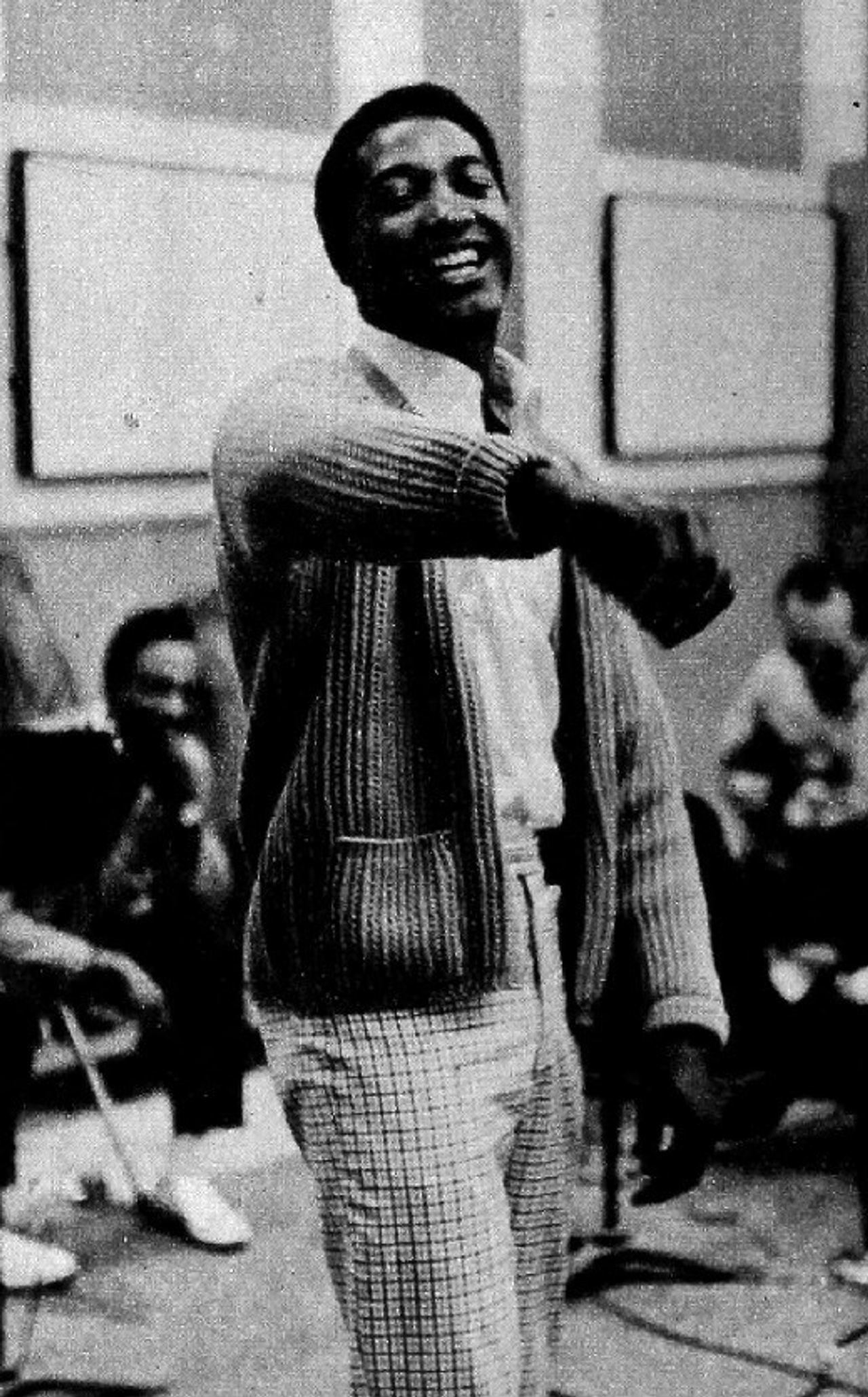
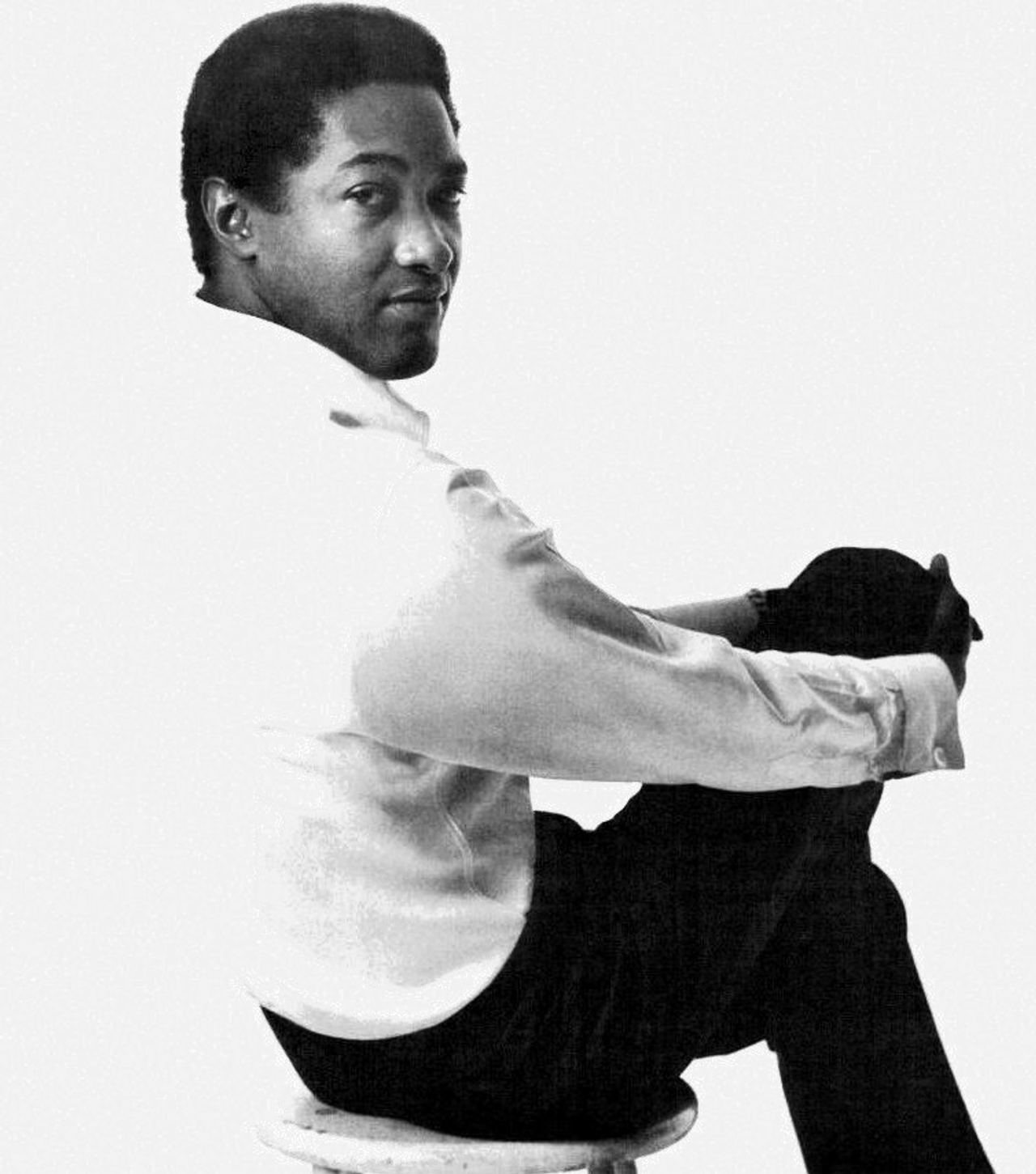
Quick Facts
- Song: “A Change Is Gonna Come”
- Artist: Sam Cooke
- Recorded: 1964
- Released as a single: After Sam Cooke’s death
- Historical context: The American civil rights era
- Key influences: Bob Dylan’s “Blowin’ in the Wind” and Cooke’s own experiences with racial injustice
- Notable incident: 1963 motel refusal and arrest in Shreveport, Louisiana
Image credits: Macfadden Publications page 1 / Wikimedia Commons / Public domain; Macfadden Publications page 1 / Wikimedia Commons / Public domain; RCA Victor Records / Wikimedia Commons / Public domain.

