
News
Roy Orbison, Claudette, and the Love Story Behind the Songs
Before tragedy shadowed Roy Orbison’s life, his bond with Claudette Frady shaped his early struggle, inspired enduring songs, and gave his music its most intimate emotional core.

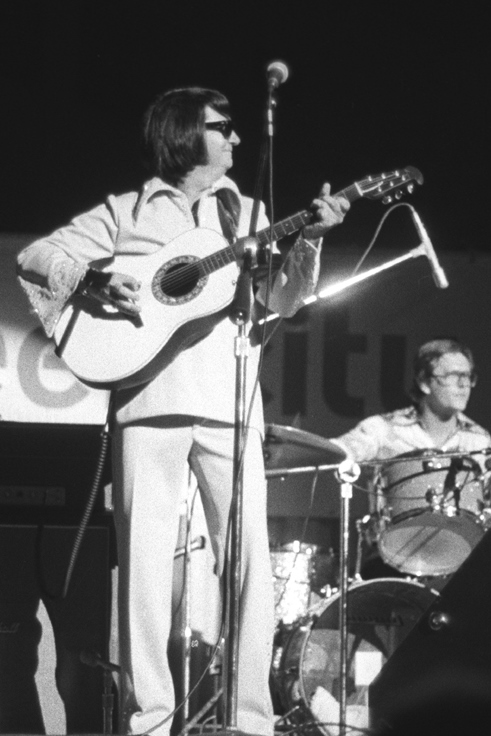
Before the legend, there was Claudette
Long before Roy Orbison became the dark-suited voice behind some of popular music’s most aching ballads, he was a young songwriter trying to get by in Nashville. In those early years, Claudette Frady was not a distant muse or a glamorous figure orbiting fame. She was his partner in a cramped apartment, part of the daily uncertainty that comes with a career still waiting to happen.
That ordinary beginning matters because it anchors their story in something more human than myth. They were young, building a life before the hit records arrived, and the emotional world Orbison would later sing so convincingly about was already taking shape at home. Claudette was there for the lean years, when success was not a certainty and music had to compete with rent, bills, and the practical demands of starting a family.
A marriage written into the music
Claudette did not merely stand beside Orbison’s career; she entered the songs themselves. In 1958, The Everly Brothers recorded his composition “Claudette,” a direct and deeply personal act of songwriting that also had practical consequences. The recording helped keep the young family afloat, turning a private affection into a public hit and proving that Orbison’s gift could support the life he was trying to build.
Years later, another moment from domestic life would become one of his most famous inspirations. “Oh, Pretty Woman” came from a simple, everyday exchange with his wife, the sort of fleeting scene that many couples might forget by dinner. In Orbison’s hands, that ordinary spark became a song with a swagger and immediacy unlike anything else in his catalog, and Claudette’s presence remained embedded in the work that carried his name around the world.
Claudette was not just part of Roy Orbison’s life story; she was woven into the very songs that helped define it.
Success, strain, and a painful split
Fame solved some problems and created others. As Orbison’s career accelerated, the relentless demands of touring pulled him away from home and put increasing strain on the marriage. The life that once seemed like deliverance from hardship could also be isolating, especially when success required constant movement and long absences.
By 1964, the marriage had fallen apart. Their divorce was painful, and for a couple whose history stretched back to the years before stardom, the split was more than a celebrity separation. It represented a fracture in the emotional foundation of Orbison’s adult life. Yet even then, the story did not end in bitterness alone. What followed would give their relationship its most poignant shape.
A second chance they refused to delay
In August 1965, Roy Orbison and Claudette Frady remarried. The image of that reunion is striking: Orbison still had his leg in a cast after an accident, and neither of them wanted to wait another day to begin again. After divorce, regret, and distance, the urgency of the decision suggested two people who understood how much they had already lost and how badly they wanted to recover it.
Their remarriage carried the feeling of a hard-won reset. It was not the innocence of first love restored untouched, but something more complicated and, in some ways, more profound: forgiveness made practical. They chose home again, chose each other again, and did so with the knowledge that happiness could be fragile. For a brief period, that second chance seemed real.
The ride home that changed everything
Less than a year later, on June 6, 1966, the couple were riding their motorcycles home to Hendersonville, Tennessee, from Bristol, enjoying a pastime they loved on country roads. Then a truck pulled into the roadway and struck Claudette’s bike. About an hour later, she died in her husband’s arms. She was 24 years old.
The shock of that loss is difficult to overstate. This was not simply the death of a spouse, but the violent end of the woman who had shared Orbison’s life before fame, survived its pressures, inspired key songs, and just recently returned to him in a spirit of reconciliation. Her death marked the beginning of the hardest period of his life, a devastation that would be followed two years later by the 1968 house fire that killed two of their sons.
The sorrow that never fully left his voice
Listeners often hear Roy Orbison’s voice as uniquely capable of carrying loneliness, longing, and heartbreak without ever tipping into self-pity. After Claudette’s death, those qualities could no longer be heard as purely interpretive gifts. Real grief sat behind the sound. Even when he sang songs not directly about her, there was a quiet sorrow in his warm, soaring delivery that seemed impossible to separate from what he had endured.
That is one reason the songs connected to Claudette have lasted so powerfully. “Claudette” and “Oh, Pretty Woman” survive not just as hits, but as traces of a relationship that shaped Orbison’s life at its most intimate level. Generations who may know only the records can still hear the outline of that story: a young couple starting out, love tested by success, a reunion, and then a loss so profound it seemed to echo through everything that followed.
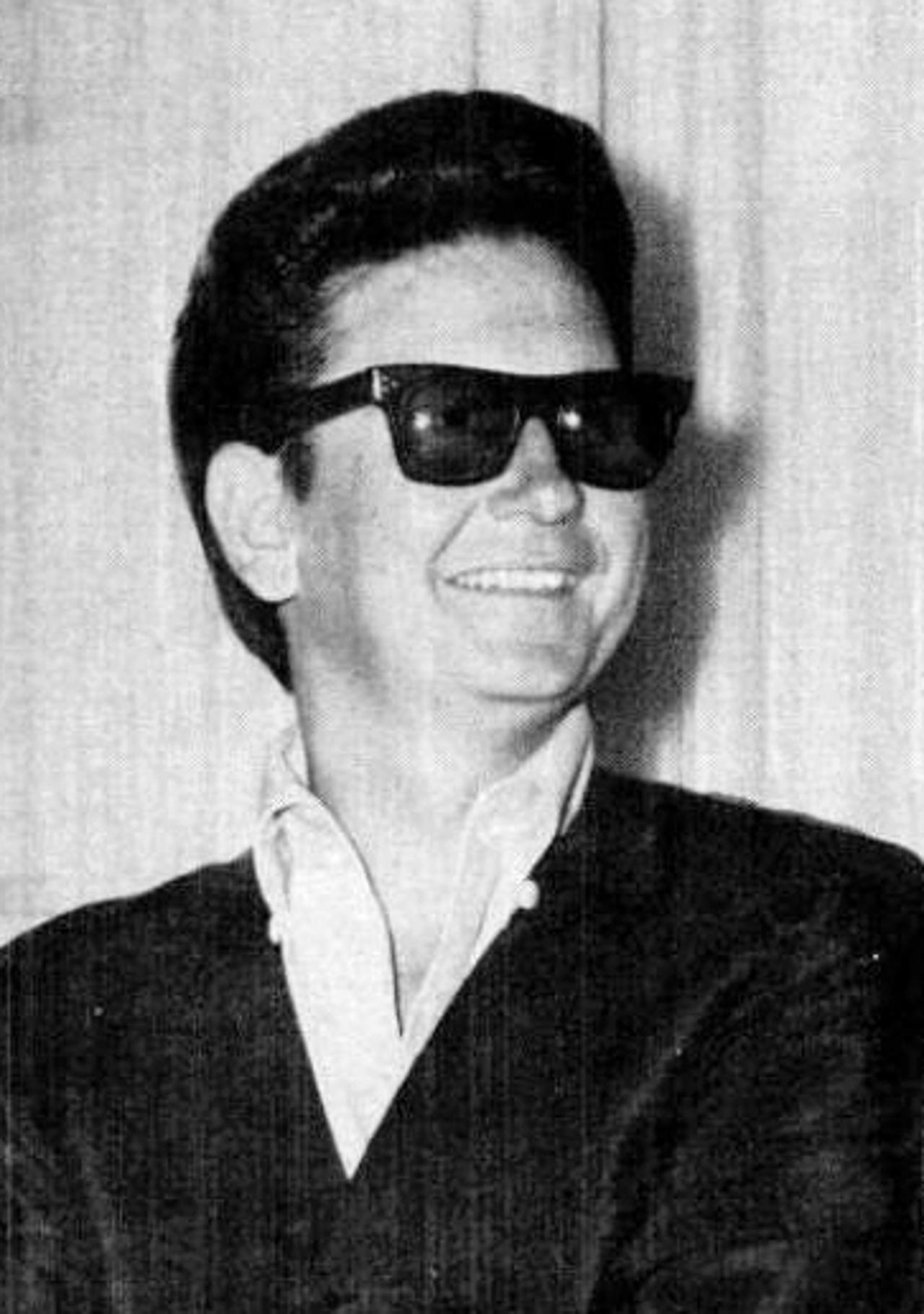

Quick Facts
- Subject: Roy Orbison and Claudette Frady
- Their story began: 1957
- Song recorded by The Everly Brothers: “Claudette”
- Later song inspired by Claudette: “Oh, Pretty Woman”
- Remarried: August 1965
- Claudette died: June 6, 1966
Image credits: Roy_Orbison.jpg: David Shoenfelt derivative work: Paterm (talk) / Wikimedia Commons / CC BY-SA 3.0; MGM Records / Wikimedia Commons / Public domain; Monument Records / Wikimedia Commons / Public domain.

