News
Ricky Nelson – _It’s Up To You_: The Gentle Heartbreak That Still Feels Personal After All These Years
Ricky Nelson’s “It’s Up To You” is a gentle ballad that reflects on love and the difficult choices that come with it, resonating with listeners across generations.
Released in 1963, this gentle ballad reminded us that sometimes the hardest part of love is leaving the final choice to someone else. More than sixty years later, its quiet sincerity still speaks louder than words.
Some love songs try to convince us that every broken heart has an answer, while others quietly accept that the hardest decisions can only be made by the people living them.
Ricky Nelson’s “It’s Up To You” belongs to that second group, offering a tender reflection on love, regret, and the painful uncertainty that follows when two hearts begin drifting apart.
Released in 1963, the song arrived during a remarkable period when popular music was rapidly changing, yet it remained faithful to timeless storytelling and heartfelt simplicity.
Rather than relying on dramatic heartbreak or overwhelming emotion, it gently asks one unforgettable question and patiently waits for an answer that may never come.
That quiet vulnerability is exactly what continues drawing listeners back more than sixty years after its first release.
From the opening melody, the song creates an atmosphere filled with hope, hesitation, and the bittersweet feeling of standing at the crossroads of love.
Ricky Nelson sings with remarkable restraint, allowing every word to carry genuine emotion without ever sounding forced or theatrical.
His voice possesses an effortless warmth that feels less like a polished performance and more like someone quietly sharing thoughts they have struggled to express aloud.
There is no anger hidden inside the lyrics, only the sincere wish that love might still find its way back before it is too late.
That emotional honesty has become one of the defining qualities of Ricky Nelson’s greatest recordings.
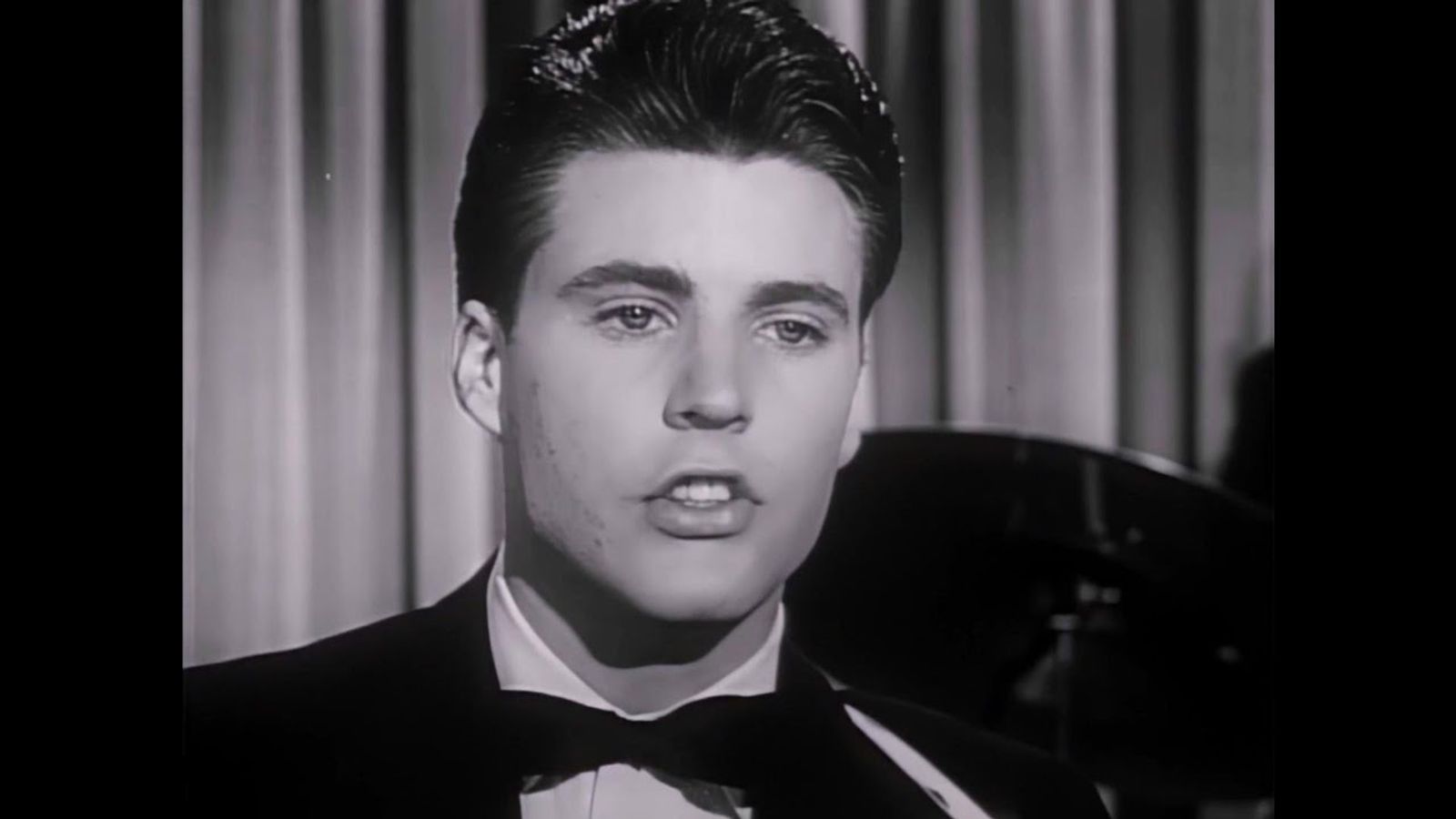
The arrangement remains beautifully understated, built around gentle guitar, soft percussion, and subtle orchestral touches that never compete with the story itself.
Every instrument seems carefully placed to support the emotion rather than distract from it.
The melody flows with natural grace, creating the comforting feeling of watching familiar memories slowly return one by one.
Unlike many breakup songs built upon blame or resentment, “It’s Up To You” offers something much more difficult.
It leaves the final choice in someone else’s hands, accepting that love cannot survive through control alone.
There is quiet dignity in that acceptance, making the song feel surprisingly mature even by today’s standards.
Perhaps that is why it continues connecting with listeners from completely different generations.
Older audiences may remember hearing it on transistor radios during peaceful evenings when music filled living rooms instead of streaming through headphones.
Others may associate it with high school dances, handwritten love letters, or long conversations that stretched far beyond midnight.
Younger listeners often discover the song through family record collections or carefully curated playlists celebrating the golden years of American popular music.
No matter when it is first heard, the emotions inside remain instantly recognizable.
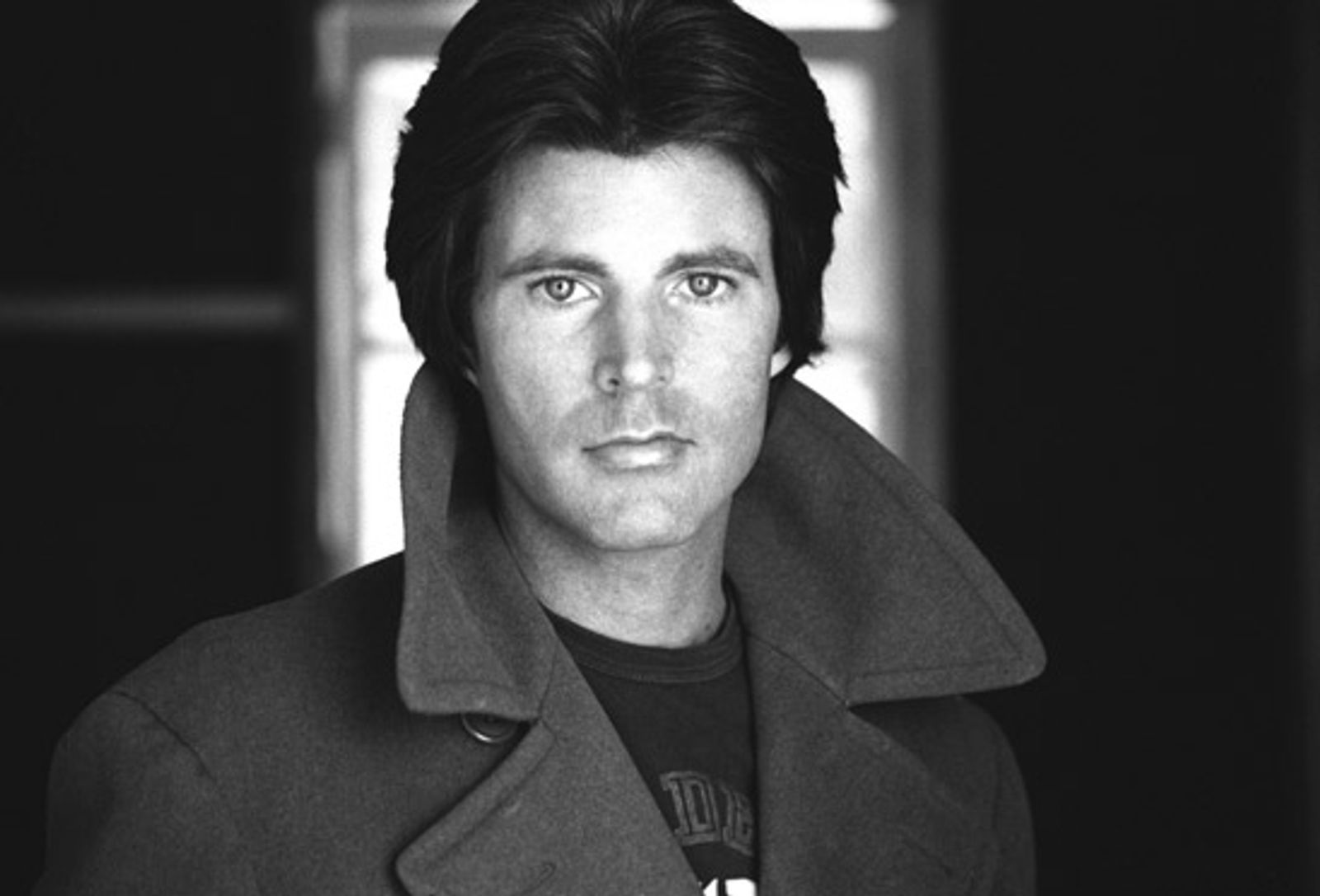
Every generation understands what it feels like to hope someone chooses to stay.
The beauty of the song lies in its refusal to demand anything from the person being loved.
Instead, it quietly acknowledges that affection loses its meaning when it is forced.
That gentle perspective transforms an ordinary love song into something far more enduring.
Ricky Nelson never needed vocal fireworks to capture attention because sincerity had always been his greatest strength.
His calm delivery invites listeners to step inside the story rather than simply observe it from a distance.
Each verse feels like another page from a diary written during one of life’s most uncertain moments.
Perhaps we continue returning to recordings like this because they remind us that vulnerability has never gone out of style.
The world around us has changed beyond recognition since 1963, but the human heart continues asking many of the same questions.
We still wonder whether love deserves another chance.
We still replay old conversations, searching for words we wish we had spoken differently.

And we still hope that someone we care about might choose to come back before the moment disappears forever.
That timeless emotional truth gives “It’s Up To You” a quiet power that refuses to fade with passing decades.
It speaks softly instead of shouting, trusting listeners to discover their own memories between every lyric and every pause.
Few recordings capture uncertainty with such remarkable grace while avoiding bitterness or self-pity.
Instead, Ricky Nelson offers compassion, patience, and the courage to accept whatever answer life eventually brings.
Long after countless chart-topping hits have faded into history, this gentle classic continues reminding us that the deepest expressions of love are often the quietest ones.
Perhaps that is why “It’s Up To You” still feels so personal today, proving that songs built upon honesty and humility never truly belong to the past—they simply wait for the next heart ready to understand them.
Continue reading
Released in the late 1950s, this song turns a quiet detail into a moment of devastating clarity. No shouting, no accusations—just one glance, and everything changes. Decades later, that restrained heartbreak still lingers in the air.
In the early 1950s, Patsy Cline recorded “Three Cigarettes in an Ashtray,” a song that quietly revealed the emotional depth and vulnerability that would later define her legacy as one of country music’s most unforgettable voices.
Released in 1957 as her debut single, the song did not become a major hit at the time, yet it carried all the hallmarks of Patsy Cline’s future greatness—heartache, restraint, and an aching honesty that lingered long after the final note faded.
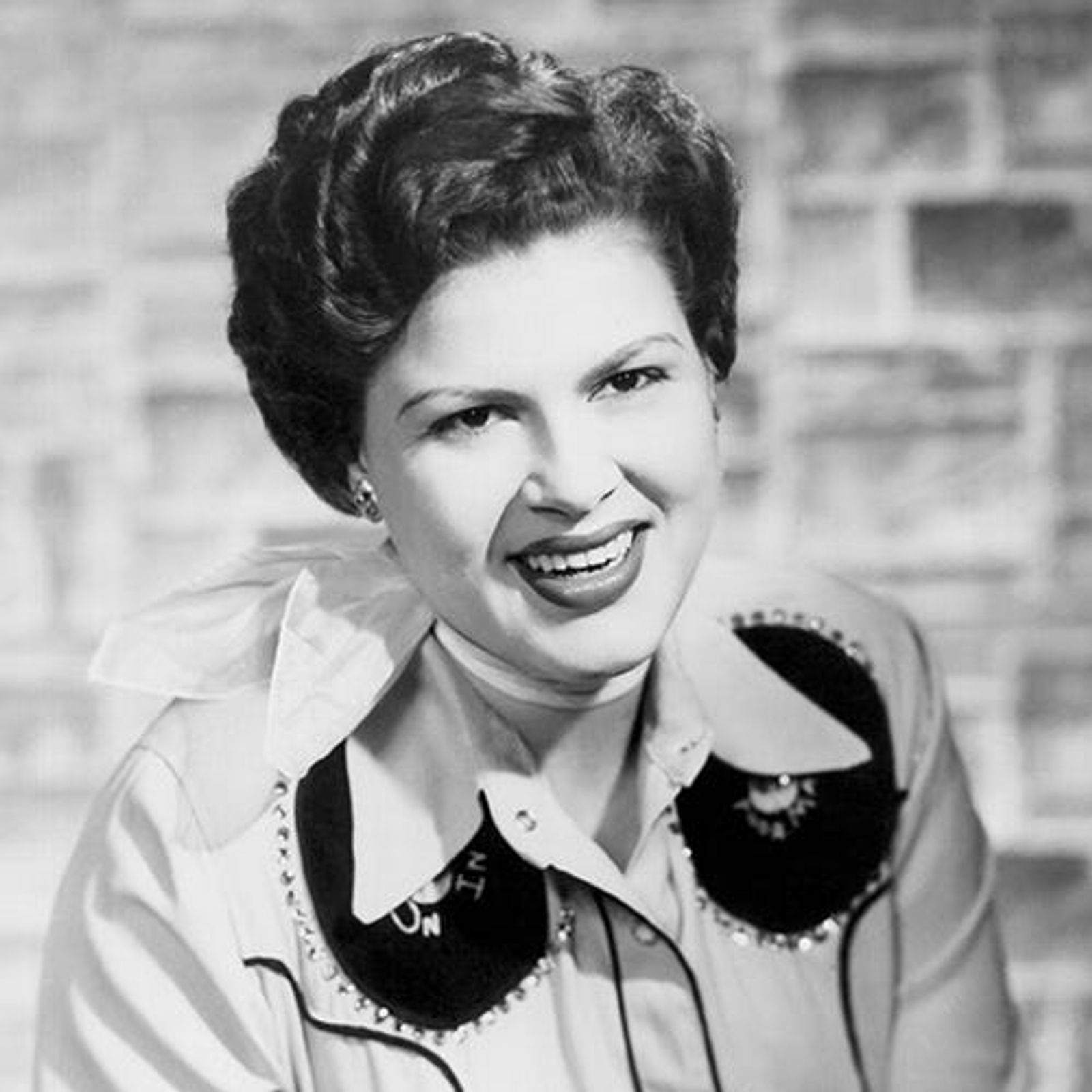
Written by Eddie Miller and W.S. Stevenson, “Three Cigarettes in an Ashtray” tells a simple but devastating story of betrayal, told through a small, intimate image.
Two people sit together, sharing drinks and conversation, until the narrator notices three cigarettes burning in the ashtray.
In that quiet moment, the truth becomes unavoidable.
The song’s power lies in its subtlety, using everyday objects to convey emotional collapse rather than dramatic confrontation.
This kind of storytelling was deeply rooted in traditional country music, but Patsy Cline’s delivery elevated it beyond genre boundaries.
Born Virginia Patterson Hensley in 1932, Patsy Cline grew up in Winchester, Virginia, surrounded by hardship and resilience.
Her childhood was marked by financial struggle and personal loss, experiences that would later give her voice its unmistakable emotional weight.
By the time she entered the recording studio as a young woman, she already possessed a rare ability to convey pain without exaggeration.
In “Three Cigarettes in an Ashtray,” her voice is controlled, almost calm, yet heavy with unspoken hurt.
She does not accuse or plead.
She simply observes.

That restraint makes the heartbreak feel more real, more human.
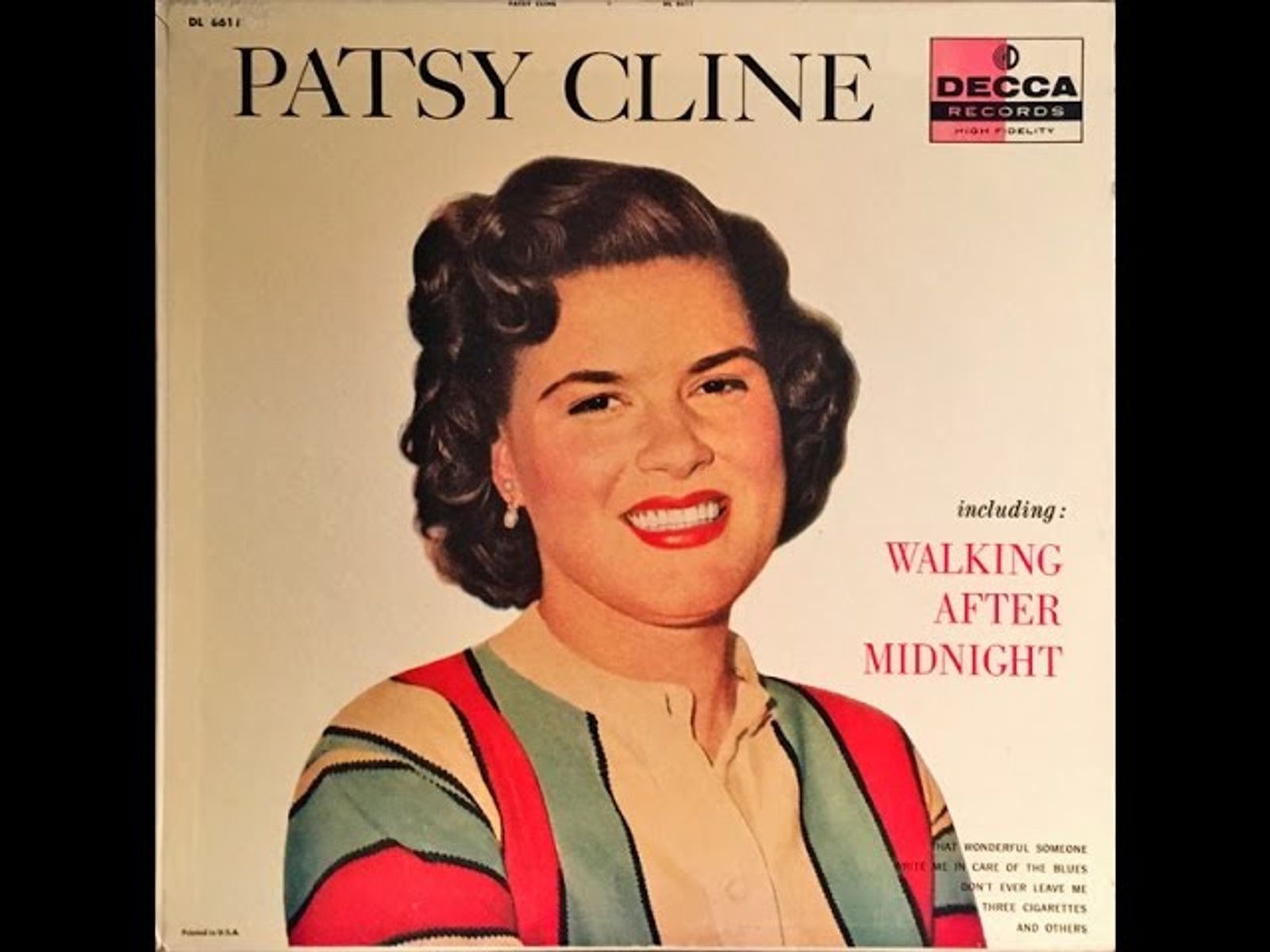
At the time of the recording, Patsy Cline was still finding her place in the industry, working with producer Paul Cohen at Decca Records.
The arrangement is spare and understated, featuring gentle instrumentation that allows her voice to remain the emotional centerpiece.
There are no dramatic flourishes, no soaring crescendos—only a steady, mournful pace that mirrors the slow realization of betrayal.
Although the song failed to chart upon release, it would later be recognized as an early glimpse of Cline’s extraordinary interpretive skill.
In hindsight, “Three Cigarettes in an Ashtray” feels like a quiet prologue to the more polished, orchestral heartbreak she would deliver in later classics such as “Crazy,” “I Fall to Pieces,” and “She’s Got You.”
What sets this song apart is its intimacy.
It feels less like a performance and more like a confession overheard late at night, when emotions surface without restraint.
The listener is not pushed to feel sorrow; instead, they are invited to sit with it.
This emotional realism became one of Patsy Cline’s defining traits.
As her career progressed into the late 1950s and early 1960s, she would help reshape country music’s relationship with pop, much like Dean Martin did from the opposite direction.
Yet even as her sound grew more sophisticated, the emotional core remained unchanged.
“Three Cigarettes in an Ashtray” stands as proof that long before fame and chart success, Patsy Cline already understood how to make heartbreak sound timeless.
After her tragic death in a plane crash in 1963 at the age of 30, listeners began revisiting her early recordings with renewed appreciation.
Songs that once went unnoticed gained new meaning, revealing the full arc of an artist whose talent far exceeded her brief lifetime.
Today, “Three Cigarettes in an Ashtray” is often cited as one of her most haunting early performances.
It is not her most famous song, nor her most technically impressive, but it captures something essential—an artist learning how to tell the truth through music.
The song continues to resonate because its theme is universal.
Heartbreak rarely announces itself loudly.
Sometimes, it reveals itself in silence, in small details, in something as ordinary as an extra cigarette burning in an ashtray.
More than half a century later, Patsy Cline’s voice still carries that moment with quiet dignity and emotional clarity.
“Three Cigarettes in an Ashtray” remains a reminder that great songs do not always need grand gestures.
Sometimes, all they need is honesty, restraint, and a voice capable of making the smallest detail feel unforgettable.