
Celebrities & Music
Ricky Nelson: I Love You More Than You Know – A Tender Love Song That Still Touches Hearts Today
Ricky Nelson’s “I Love You More Than You Know” is a timeless ballad that showcases a mature side of the artist, expressing deep emotions of love and devotion that resonate across generations.

Released in 1969, this heartfelt ballad revealed a softer, more mature side of a beloved star. Decades later, its message of love and devotion remains as moving as ever.
There are songs that dominate the charts for a season, and then there are songs that quietly settle into the heart, waiting decades to remind listeners of feelings they thought they had forgotten.
Ricky Nelson’s “I Love You More Than You Know” belongs firmly in that second category, carrying a tenderness that feels timeless no matter how many years pass between listens.
Long after the golden age of rock and roll had begun to fade into memory, the song remained a gentle reminder of why Ricky Nelson became one of the most beloved voices of his generation.
Unlike the energetic hits that first made him a teenage idol, this recording revealed a more mature and reflective side of an artist who had spent much of his life in the spotlight.
By the time Nelson recorded “I Love You More Than You Know,” he was no longer simply the clean-cut young star millions remembered from television and early rock-and-roll fame.
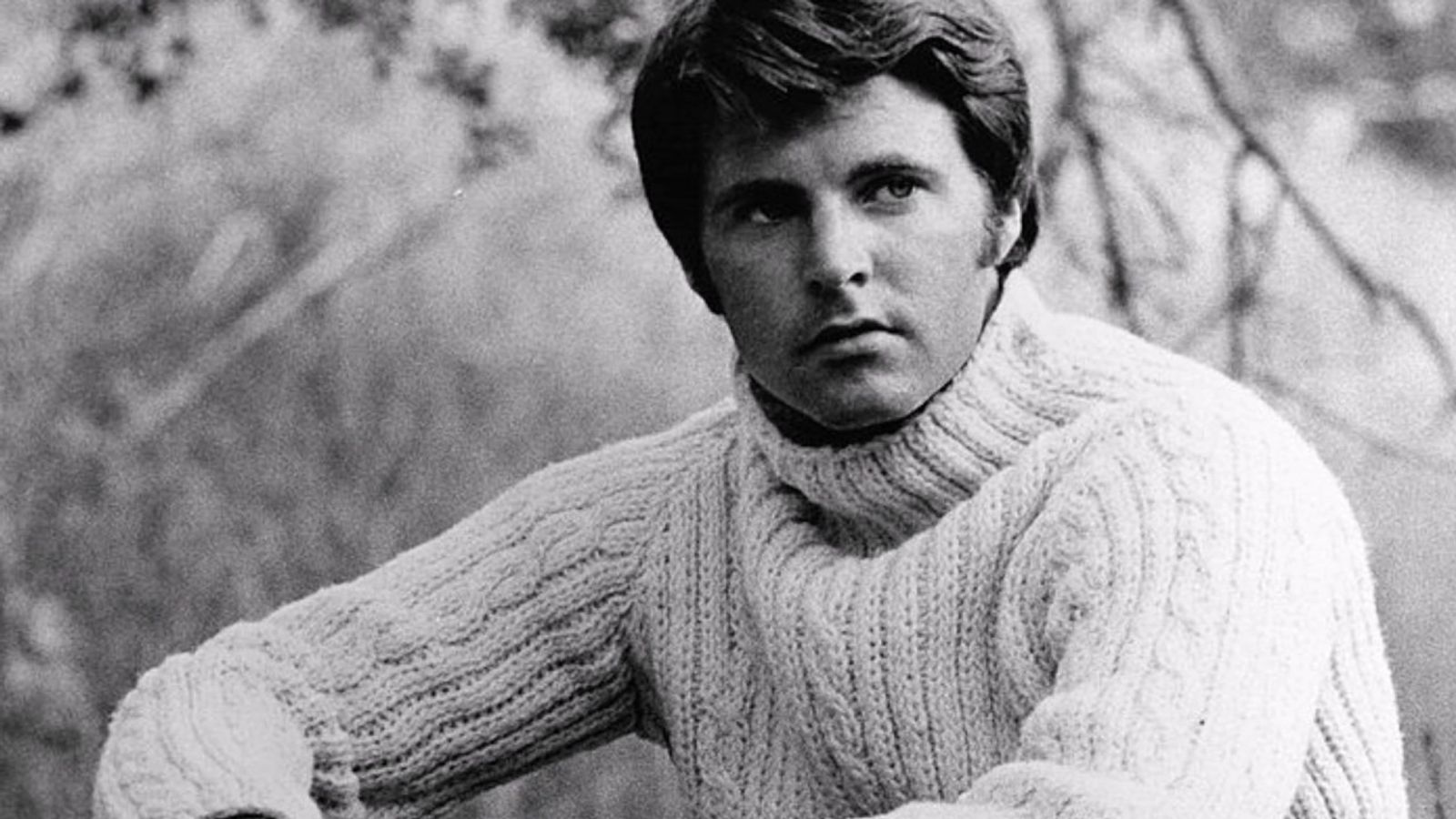
He had grown into a seasoned performer who understood that the strongest emotions are often expressed through restraint rather than spectacle.
That understanding can be heard in every note of the song, where sincerity takes precedence over technical showmanship.
From its opening moments, the recording creates an atmosphere of quiet intimacy, as though the listener has stumbled upon a private conversation between two people deeply connected by love.
The melody unfolds with remarkable patience, never rushing toward its destination and allowing every phrase to breathe naturally.
Rather than relying on dramatic flourishes, the arrangement supports the emotional core of the song with subtle elegance.
Soft instrumentation surrounds Nelson’s voice without overwhelming it, creating a warm and inviting soundscape that feels almost cinematic.
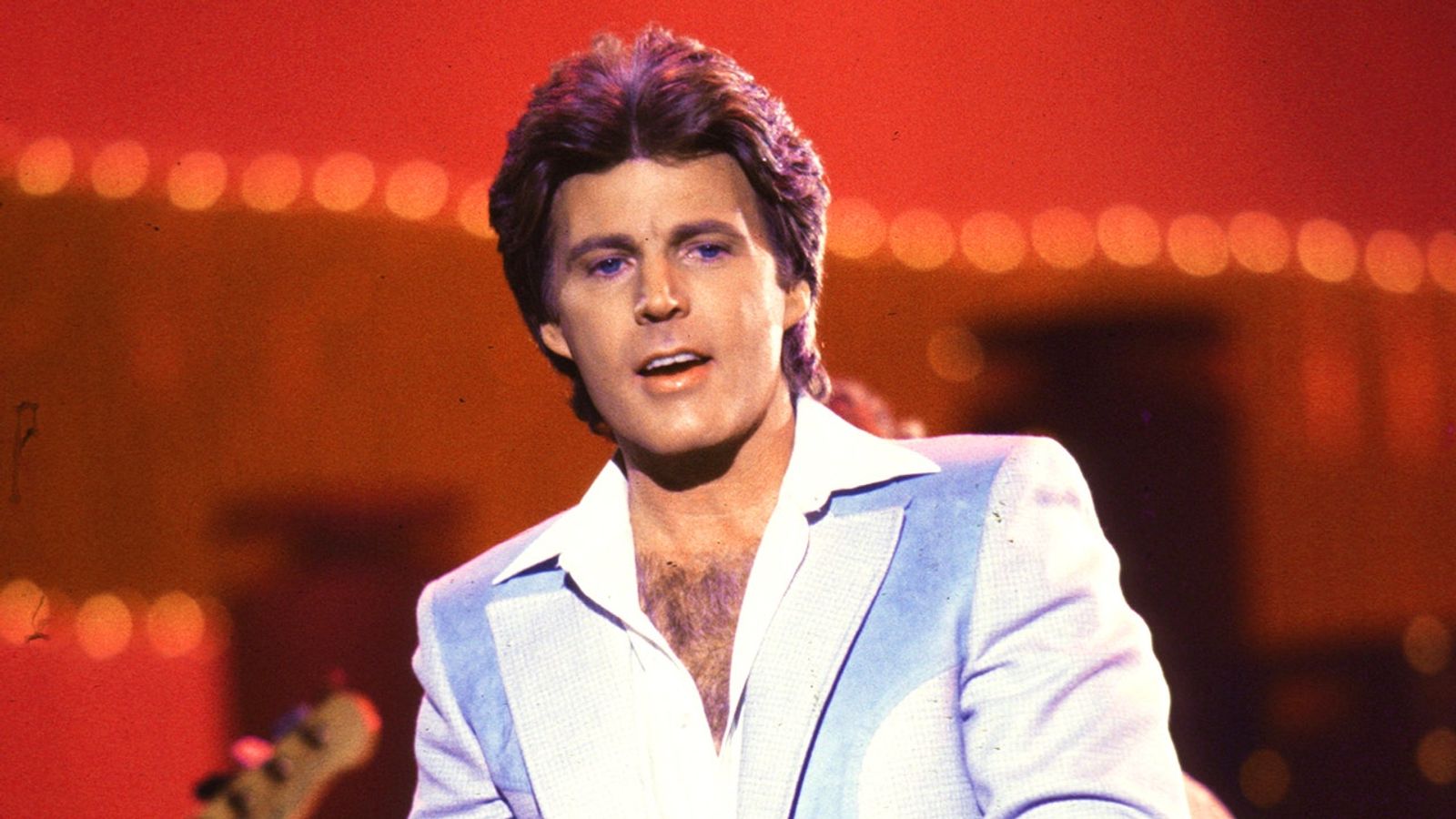
The lyrics themselves are beautifully simple, built around a sentiment that nearly everyone has experienced at some point in life.
Telling someone that you love them more than they know may sound straightforward, yet the phrase contains layers of vulnerability and longing.
It speaks to the universal fear that our deepest feelings can never be fully communicated, no matter how sincerely we try.
That emotional truth helps explain why the song continues to resonate with listeners across generations.
Many love songs focus on grand declarations, but this one finds its power in quiet honesty and emotional authenticity.
Ricky Nelson understood that the most memorable performances often feel less like performances and more like confessions.

His voice carries a gentle weariness throughout the recording, suggesting the perspective of someone who has experienced both joy and heartbreak.
That maturity gives the song a depth that younger singers might struggle to achieve.
Listeners can hear traces of experience behind every lyric, adding credibility to the emotions being expressed.
For longtime fans, the song also serves as a reminder of Nelson’s remarkable evolution as an artist.
He first entered public consciousness as a television personality before becoming one of the defining figures of early rock and roll.
Hits such as “Hello Mary Lou” and “Travelin’ Man” established his reputation, but they represented only part of his musical journey.

As the years passed, Nelson continually searched for ways to expand his artistic identity and deepen his connection with audiences.
“I Love You More Than You Know” reflects that ongoing growth, showcasing a performer increasingly interested in emotional nuance.
The recording arrived during a period when popular music was changing rapidly and new trends seemed to emerge every year.
Yet Nelson remained committed to the timeless qualities that had always defined great songs: melody, emotion, and storytelling.
That commitment helped his music age gracefully while many trend-driven recordings gradually disappeared from public memory.
Listening to the song today feels like opening an old photograph album filled with moments preserved in perfect condition.
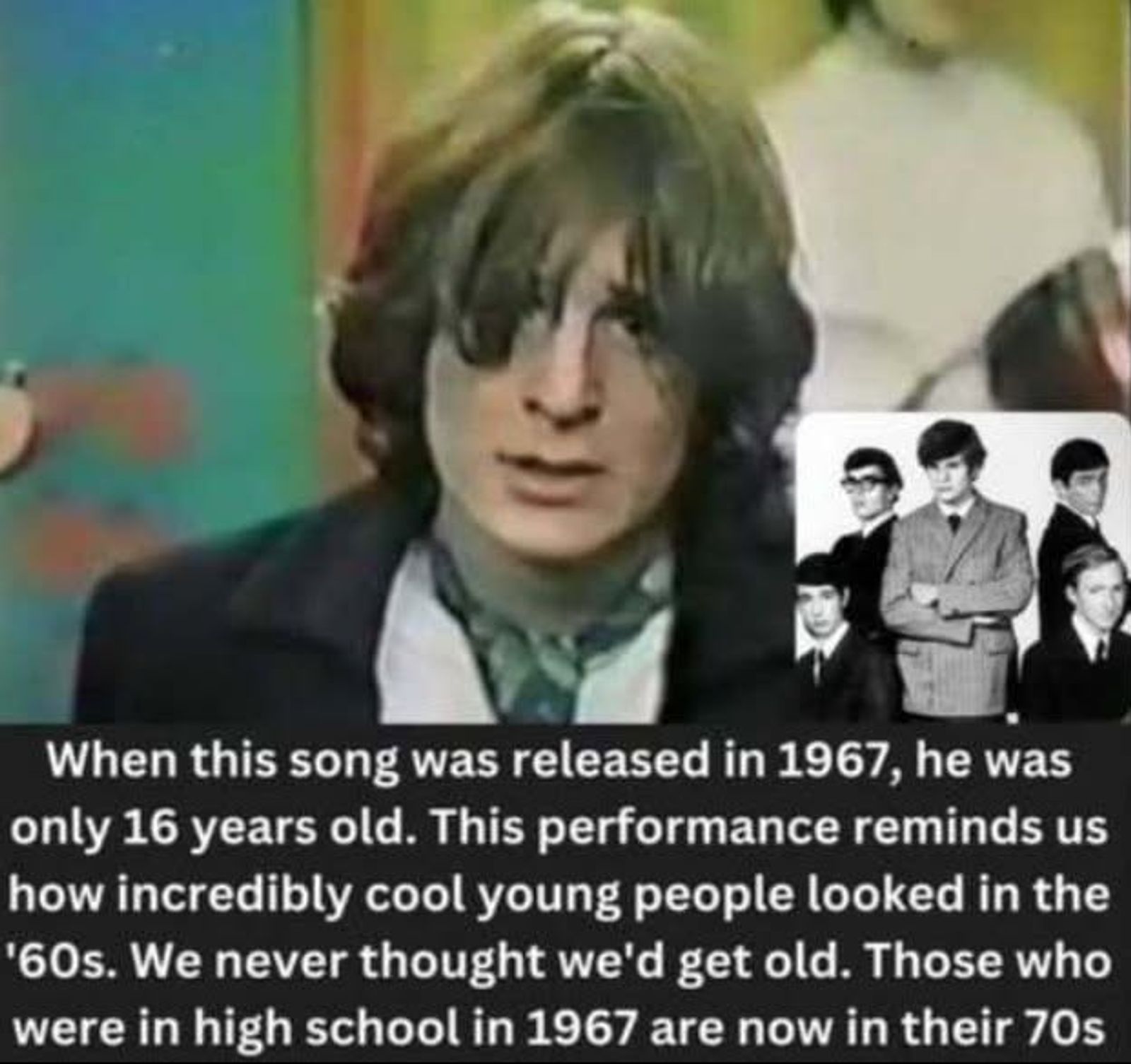
Each verse seems to capture a fleeting emotion before it slips away, preserving it for future generations to discover.
The nostalgia surrounding the recording is not simply about remembering the past but about reconnecting with emotions that remain relevant in every era.
Love, devotion, uncertainty, and hope are feelings that never become outdated, regardless of changing fashions or technologies.
That universality allows the song to continue finding new audiences long after its original release.
Many younger listeners discover Ricky Nelson through streaming playlists or recommendations from family members who grew up with his music.
What often surprises them is how contemporary the emotional core of the song still feels.
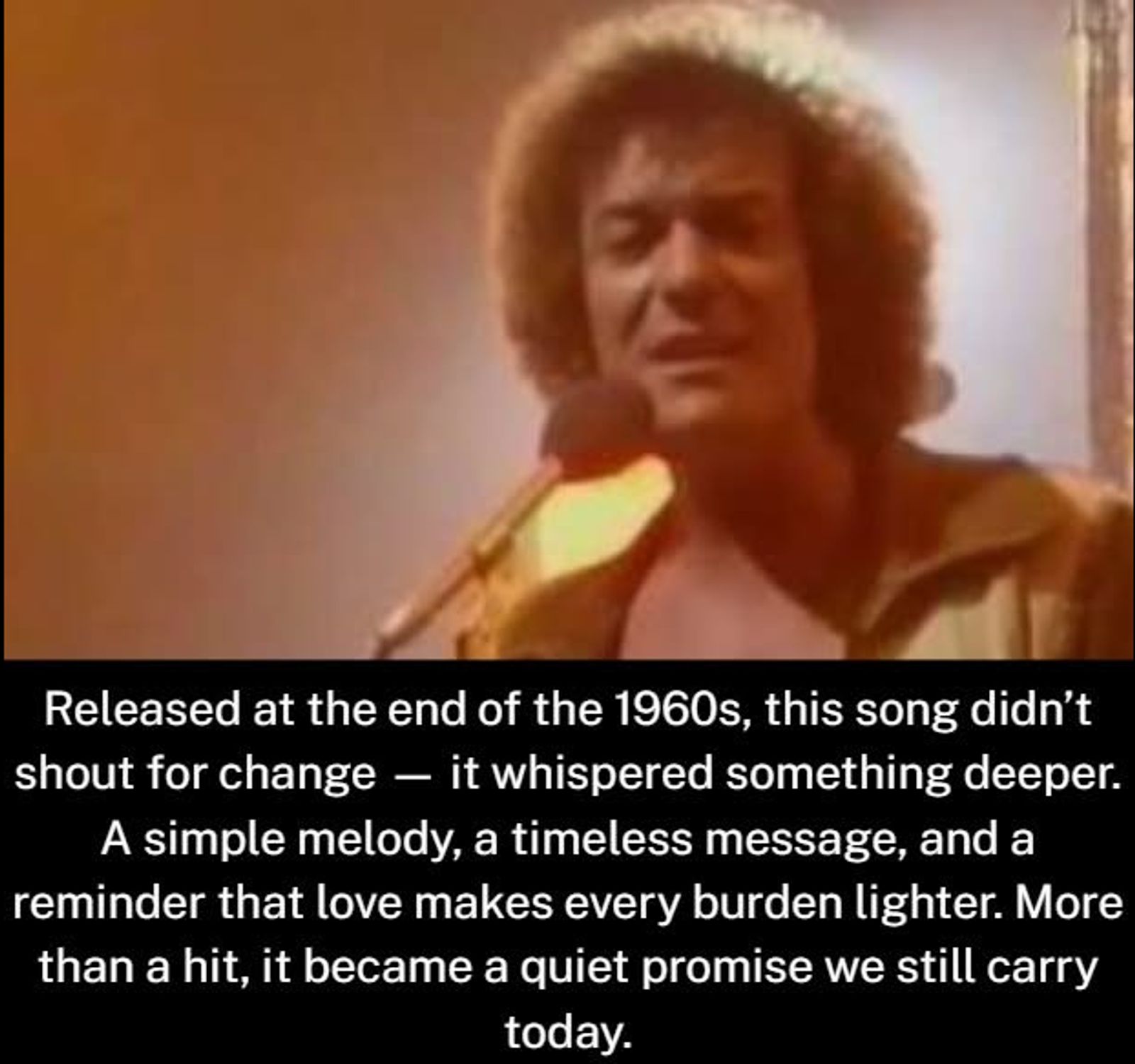
Despite being rooted in another era, its message remains immediately understandable and deeply relatable.
That ability to transcend time is one of the defining characteristics of truly enduring music.
The song also highlights Nelson’s remarkable gift for making listeners feel personally connected to his performances.
Rather than singing at his audience, he seemed to sing directly to them, creating an intimacy that few artists could match.
Every phrase feels carefully considered, yet never calculated, preserving the natural sincerity that became one of his greatest strengths.
As the final notes fade away, the listener is left with more than a pleasant melody or a memorable lyric.
There is a lingering sense of warmth, as though the song has momentarily transported them to a simpler and more hopeful place.
Perhaps that is why recordings like “I Love You More Than You Know” continue to survive while countless others are forgotten.
They remind us that beneath all the changes life brings, the human heart remains remarkably consistent.
Read more stories
- He Was Rejected By His Own Mom And Raised To Think ‘Women Are Evil’ But He Became A Legendary Rockstar
- TOBY KEITH RECORDED SOME OF THE BIGGEST PATRIOTIC ANTHEMS IN COUNTRY MUSIC HISTORY—BUT HIS REAL LEGACY WAS BUILT ON MILITARY BASES WHERE NO CAMERAS WERE ROLLING.
- [Video]: The One-Take Hit That Took Over Rock Radio
- The Box Tops’ “The Letter” Captures Lightning in a Bottle and Redefines Blue-Eyed Soul in 1967-2