
Celebrities & Music
Released in the mid-1970s, this song doesn’t try to impress—it simply understands.
This article explores Neil Diamond’s introspective song “I’ve Been This Way Before,” highlighting its emotional depth and musical simplicity.

Released in the mid-1970s, this song doesn’t try to impress—it simply understands. Every note feels like someone who’s been through it before, and came back quieter but wiser. If you’ve ever felt that way, this track will hit closer than you expect.
Neil Diamond is a songwriter celebrated for his ability to transform personal reflection into music that feels universally familiar.
Among his vast catalog, “I’ve Been This Way Before” stands out as one of his most introspective and emotionally grounded compositions.
The song appears on his 1974 album Serenade, a record that marked a period of artistic maturity in Diamond’s career.
Rather than aiming for grandeur, the track relies on restraint, nuance, and emotional clarity.
Released in 1974, Serenade arrived at a moment when Neil Diamond was refining his identity as both a storyteller and composer.
As his ninth studio album, it reflected a deeper engagement with themes of love, memory, and the cyclical nature of life.
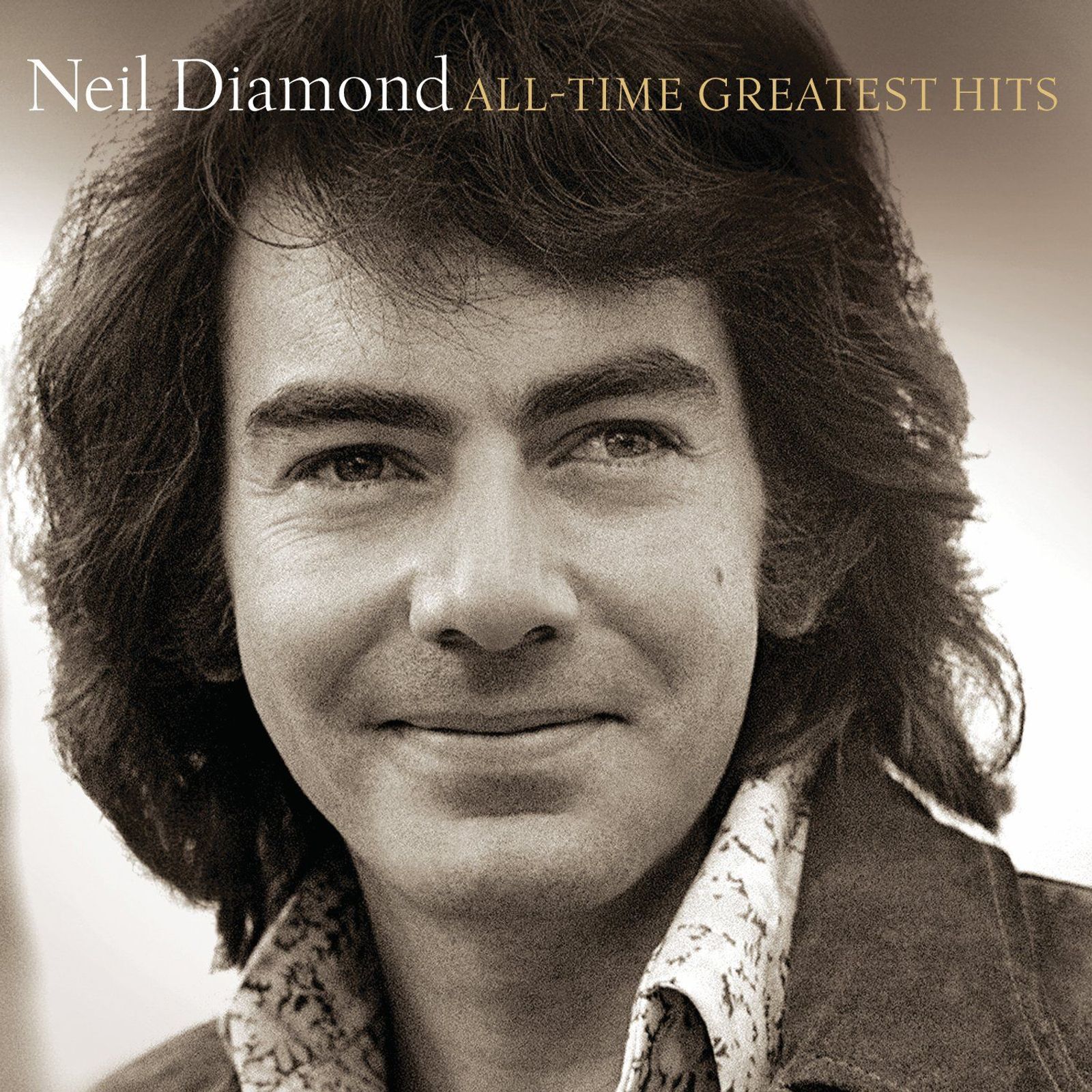
The album balanced accessible melodies with thoughtful lyrical introspection.
Songs like “Longfellow Serenade” and “The Last Picasso” framed the emotional landscape that “I’ve Been This Way Before” ultimately concludes.
Positioned as the closing track, “I’ve Been This Way Before” functions as the album’s emotional resolution.
Its placement suggests reflection rather than climax.
The song feels like a quiet conversation at the end of a long journey.
It gathers the album’s themes into a single, contemplative statement.
Musically, the arrangement is deliberately minimal, allowing emotion to guide every decision.
The piano serves as the foundation of the track.
Its gentle, flowing chords establish a reflective atmosphere from the opening moments.
The simplicity of the progression invites the listener to focus on feeling rather than structure.
Acoustic and electric guitars appear subtly throughout the song.
Their restrained presence adds warmth and texture without distracting from the vocal line.
Each guitar phrase feels purposeful rather than ornamental.
This careful balance reinforces the song’s intimate tone.
Orchestral strings enter gradually, swelling at emotionally significant moments.
Rather than overwhelming the arrangement, the strings elevate its emotional weight.
They introduce a sense of quiet grandeur.
The result is a sound that feels both personal and expansive.
Percussion plays a minimal but essential role.
Soft cymbal washes and light drumming provide gentle forward motion.
The rhythm never demands attention.
Instead, it quietly supports the song’s emotional pacing.
At the center of the track is Neil Diamond’s voice.
His baritone delivery carries warmth, experience, and vulnerability.
Subtle rasp and controlled phrasing convey emotional depth without melodrama.
Each sustained note feels deliberate and lived-in.
Lyrically, “I’ve Been This Way Before” reflects on resilience and self-awareness.
The words suggest familiarity with hardship rather than surprise.

There is no bitterness in the tone.
Instead, the lyrics express acceptance shaped by experience.
The recurring idea of life’s repeating patterns gives the song its philosophical core.
Diamond frames struggle as something endured rather than escaped.
This perspective lends the song a sense of calm wisdom.
Listeners are invited to see their own experiences reflected in the narrative.
What makes the song enduring is its emotional honesty.

There are no dramatic twists or sweeping declarations.
The power lies in recognition.
It speaks to anyone who has faced life’s cycles and emerged with clarity.
Within Neil Diamond’s body of work, “I’ve Been This Way Before” represents quiet mastery.
It demonstrates how restraint can be more powerful than excess.
The song relies on balance between lyric, melody, and emotion.
That balance is what allows it to linger.
As part of Serenade, the track reinforces the album’s reflective character.
It closes the record not with resolution, but with understanding.
The song does not offer answers.
Instead, it offers perspective.
Ultimately, “I’ve Been This Way Before” endures because it feels human.
Its music and lyrics mirror lived experience rather than performance.
Read more stories
- He Was Rejected By His Own Mom And Raised To Think ‘Women Are Evil’ But He Became A Legendary Rockstar
- TOBY KEITH RECORDED SOME OF THE BIGGEST PATRIOTIC ANTHEMS IN COUNTRY MUSIC HISTORY—BUT HIS REAL LEGACY WAS BUILT ON MILITARY BASES WHERE NO CAMERAS WERE ROLLING.
- [Video]: The One-Take Hit That Took Over Rock Radio
- The Box Tops’ “The Letter” Captures Lightning in a Bottle and Redefines Blue-Eyed Soul in 1967-2