
Celebrities & Music
Released in the mid-1960s, this song doesn’t shout to be heard — it whispers, and somehow lasts forever. Decades later, its quiet message about isolation and connection feels more relevant than ever.
This article explores the enduring relevance of Simon & Garfunkel’s “The Sound of Silence,” highlighting its themes of isolation and connection in today’s world.

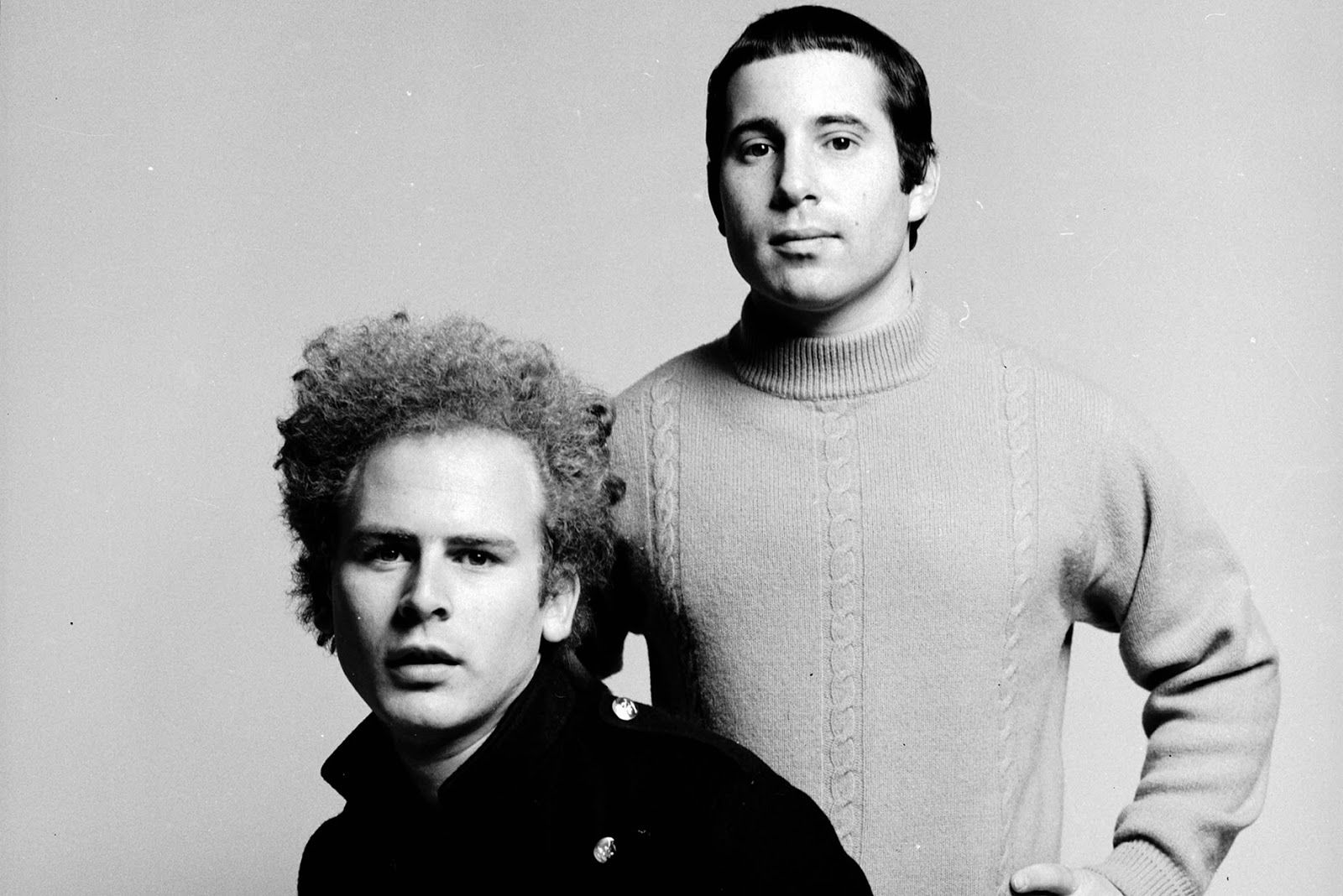
Simon & Garfunkel – The Sound of Silence: When Silence Finds Its Voice
Some songs don’t need to be loud to survive.
They whisper.
They move slowly.
And over time, they speak for the things people are afraid to say out loud.
The Sound of Silence is one of those songs.
When Simon & Garfunkel recorded it in 1964, no one imagined it would become an anthem. The original version was stripped down—just an acoustic guitar and two voices in close harmony—nearly lost among hundreds of folk songs of the era. Even their debut album failed to make an impact. The duo quietly went their separate ways, dissolving in silence—much like the song’s title.
But that silence did not last.
A Song Born from Loneliness
Paul Simon wrote The Sound of Silence at a time when Western society was undergoing deep emotional and spiritual shifts.
Media was multiplying.
People were talking more, yet understanding each other less.
The song opens with one of the most famous greetings in music history:
“Hello darkness, my old friend…”
It is not a complaint.
Not an act of despair.
It is a conversation with darkness—a place where a person finally faces themselves.
Here, darkness is not frightening. It is familiar. Honest. It listens, while the outside world remains loud and empty.
When People Speak… Without Communicating
What gives The Sound of Silence its timeless power lies in its lyrics.

Paul Simon was not only writing about personal isolation, but about a society losing its ability to connect.
“People talking without speaking
People hearing without listening…”
People speak, but nothing is conveyed.
They hear, but they do not understand.
They stare at lights, signs, screens—and call it communication.
The song does not attack.
It observes.
Coldly.
Quietly.
With a lingering ache.

From Failure to Legend
Ironically, the song’s success arrived after Simon & Garfunkel had already split.
In 1965, producer Tom Wilson added drums and electric guitar to the original recording—without informing Paul Simon. The new version unexpectedly climbed to No. 1 on the Billboard charts.
Paul Simon was in England when he learned that his song was being played constantly back in the United States.
The duo reunited.
Their career began again—this time, no longer in silence.
A Song That Never Grows Old
From the 1960s to today, The Sound of Silence has been endlessly revisited, covered, and reborn.
It appears in films, television shows, and moments when people feel most alone in a crowd.
Each generation hears it differently.

But the feeling remains the same:
a strangely familiar emptiness.
The Most Dangerous Silence
The Sound of Silence does not claim that silence itself is evil.
It warns that the most dangerous silence is when people believe they are communicating.
When noise buries truth.
When light blinds the eyes.
When words lose their meaning.
And so the song endures—not as a relic of the past, but as a question still unanswered.
Conclusion
We may be living in the most connected era in history.
Yet we may also be hearing The Sound of Silence more clearly than ever before.
Because sometimes, it is only in silence…
that truth finally speaks.
Read more stories
- He Was Rejected By His Own Mom And Raised To Think ‘Women Are Evil’ But He Became A Legendary Rockstar
- TOBY KEITH RECORDED SOME OF THE BIGGEST PATRIOTIC ANTHEMS IN COUNTRY MUSIC HISTORY—BUT HIS REAL LEGACY WAS BUILT ON MILITARY BASES WHERE NO CAMERAS WERE ROLLING.
- [Video]: The One-Take Hit That Took Over Rock Radio
- The Box Tops’ “The Letter” Captures Lightning in a Bottle and Redefines Blue-Eyed Soul in 1967-2