Celebrities & Music
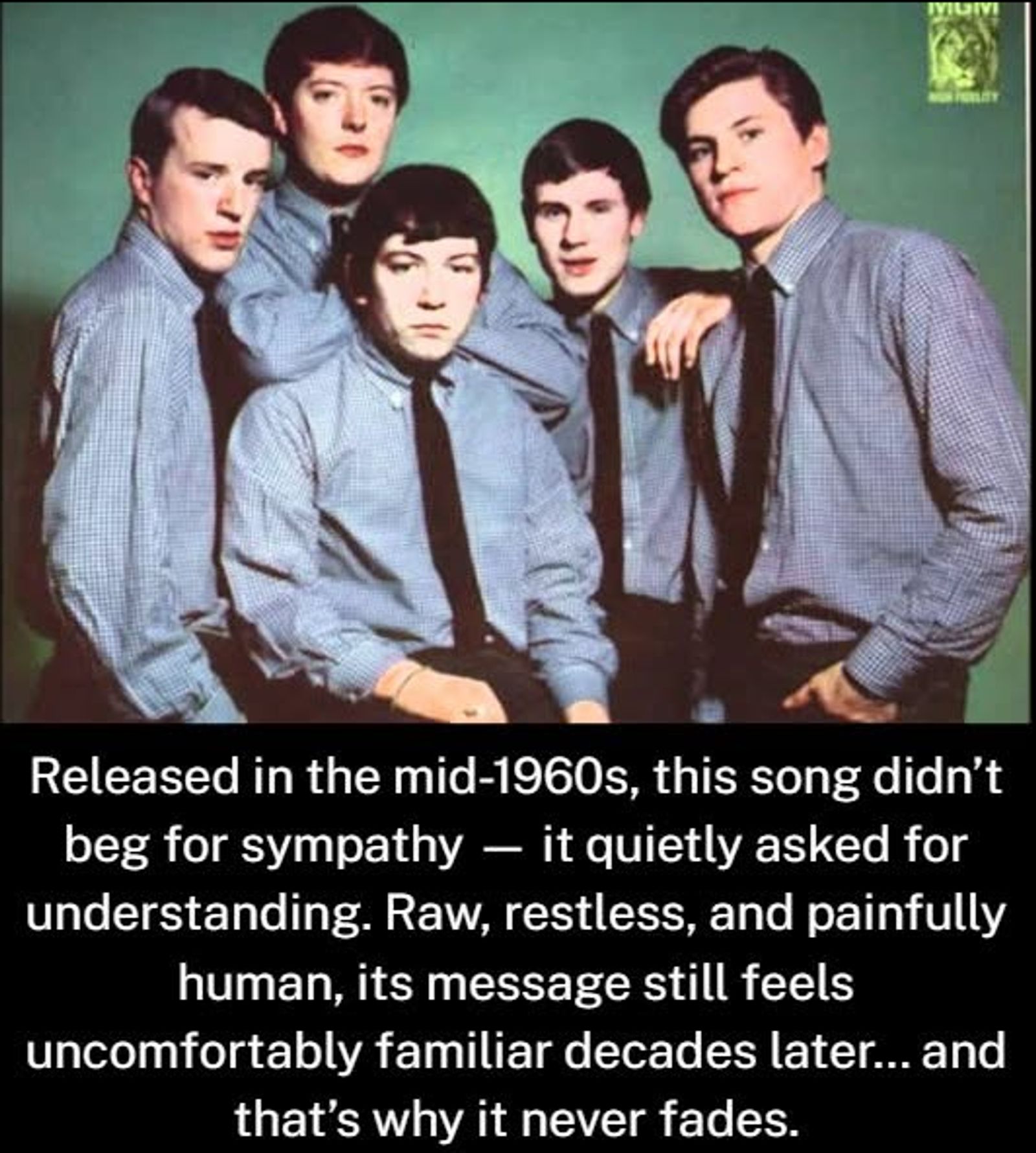
Released in the mid-1960s, this song didn’t beg for sympathy — it quietly asked for understanding.
The article discusses the enduring impact of The Animals’ song ‘Don’t Let Me Be Misunderstood,’ highlighting its emotional depth and cultural significance since its release in the mid-1960s.
Released in the mid-1960s, this song didn’t beg for sympathy — it quietly asked for understanding. Raw, restless, and painfully human, its message still feels uncomfortably familiar decades later… and that’s why it never fades.
In 1965, Don’t Let Me Be Misunderstood by The Animals emerged as one of the most emotionally charged songs of the British Invasion, capturing a raw vulnerability that set it apart from many upbeat hits dominating the era.
The song carried a sense of desperation and longing that resonated deeply with listeners, transforming it into a timeless anthem about human flaws and the universal desire to be understood.
Although widely associated with The Animals, the song was originally written by Bennie Benjamin, Gloria Caldwell, and Sol Marcus, and first recorded by Nina Simone in 1964.
Simone’s version was slower and more reflective, layered with jazz and blues influences that highlighted her haunting vocal delivery and emotional intensity.
When The Animals encountered the song, they saw an opportunity to reinterpret it through the lens of British rhythm and blues, giving it a sharper, more urgent sound.
The band, fronted by the charismatic and gravel-voiced Eric Burdon, was already gaining international recognition for their gritty musical style and emotionally powerful performances.
Originating from Newcastle upon Tyne, The Animals were heavily influenced by American blues and R&B artists, which shaped their distinctive musical identity.
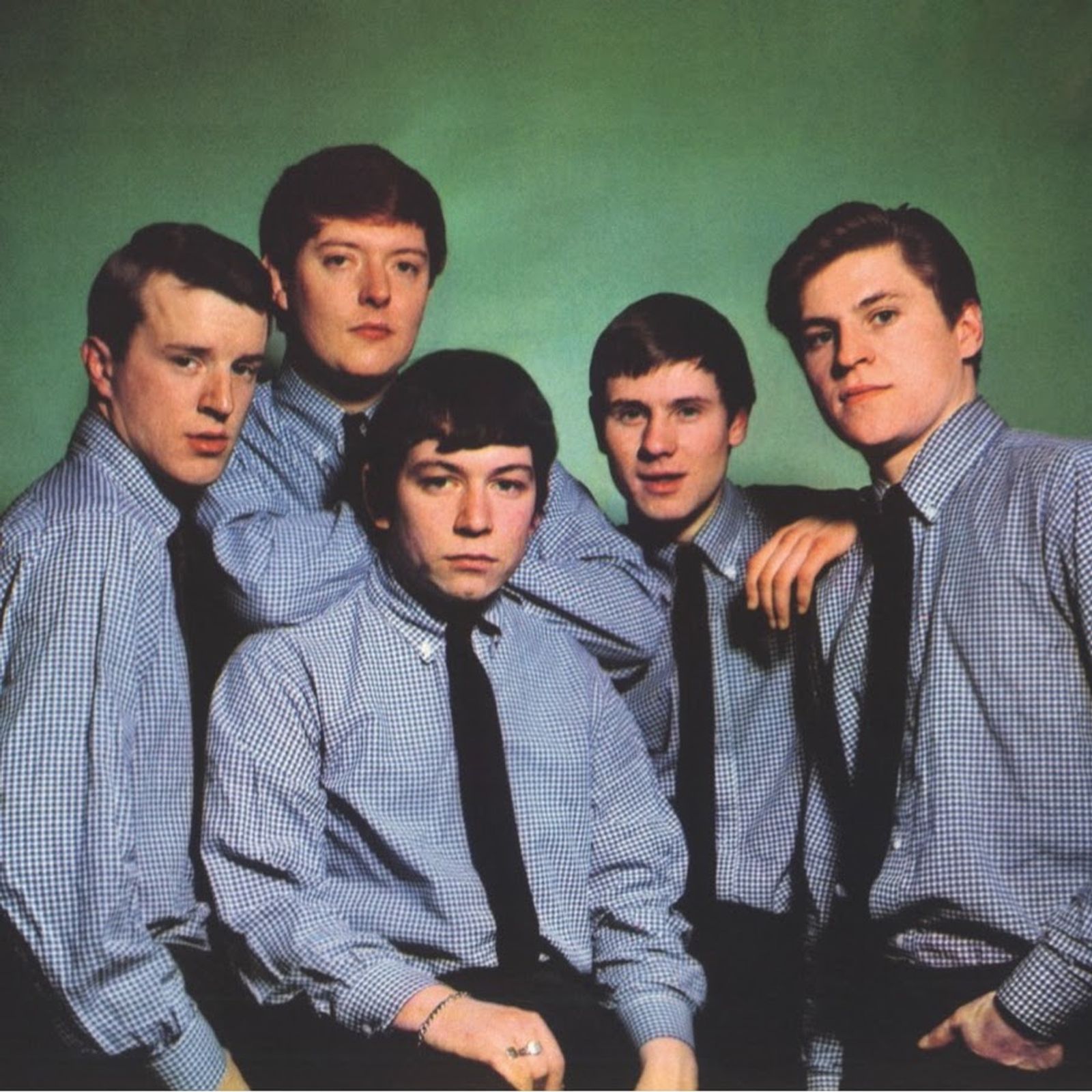
Their breakthrough had come earlier with The House of the Rising Sun, a haunting ballad that showcased Burdon’s raw vocal intensity and the band’s dark, atmospheric arrangements.
By the time they recorded Don’t Let Me Be Misunderstood, The Animals were eager to continue exploring emotionally complex material that allowed them to stand apart from more pop-oriented British groups.
The band transformed Simone’s introspective arrangement into a driving, rhythmic performance built around Alan Price’s signature organ lines and Hilton Valentine’s sharp guitar work.
The faster tempo gave the song a sense of urgency, mirroring the emotional tension within the lyrics and amplifying its dramatic impact.
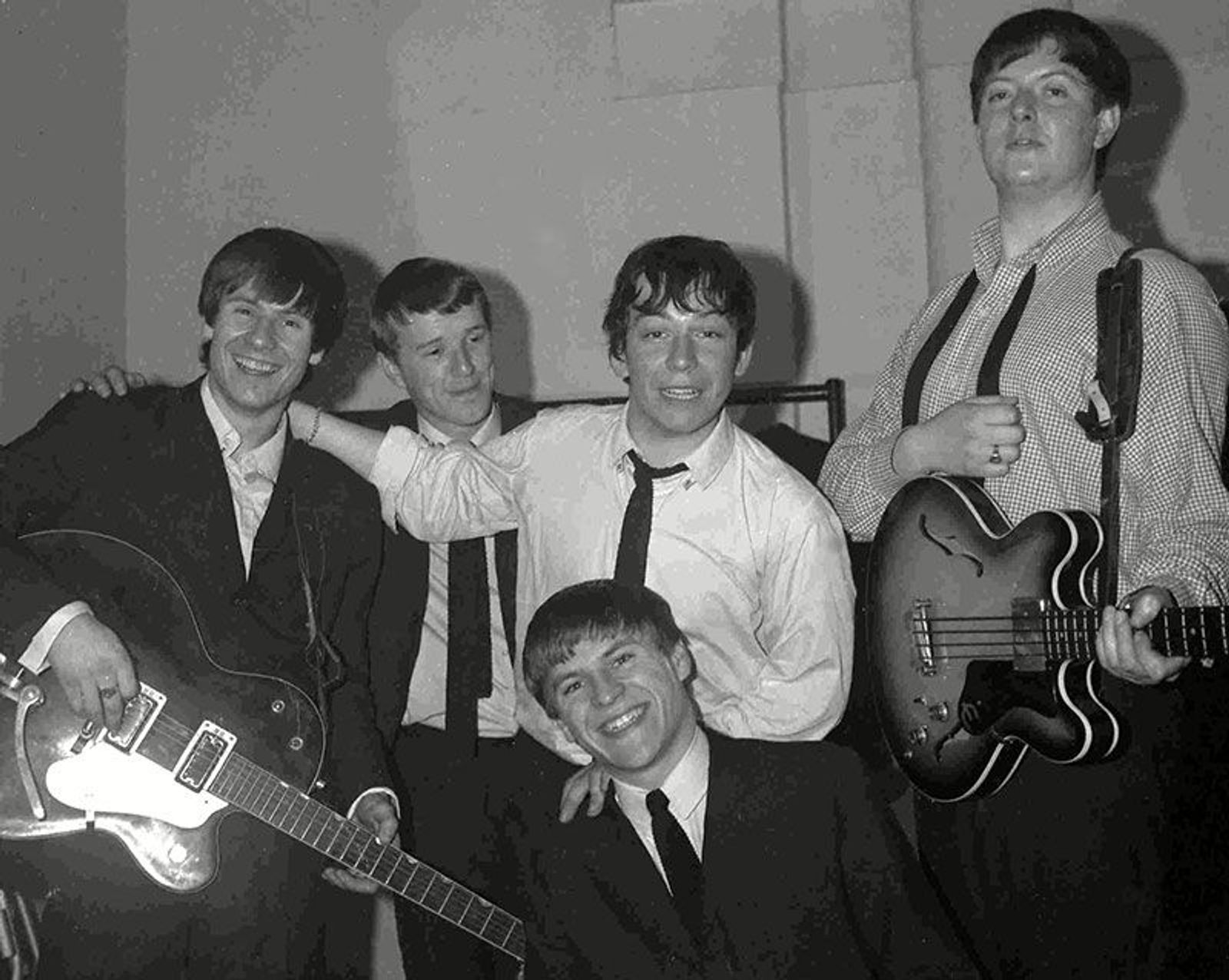
Eric Burdon’s vocal performance became the centerpiece of the recording, delivering each line with a mixture of frustration, vulnerability, and pleading sincerity.
His raspy voice conveyed the emotional contradictions of the lyrics, expressing both strength and fragility in equal measure.
The song’s message revolved around the complexities of human behavior, acknowledging personal flaws while asking for empathy and understanding from others.
Its lyrics captured the timeless struggle of individuals trying to explain themselves in a world quick to judge and slow to listen.
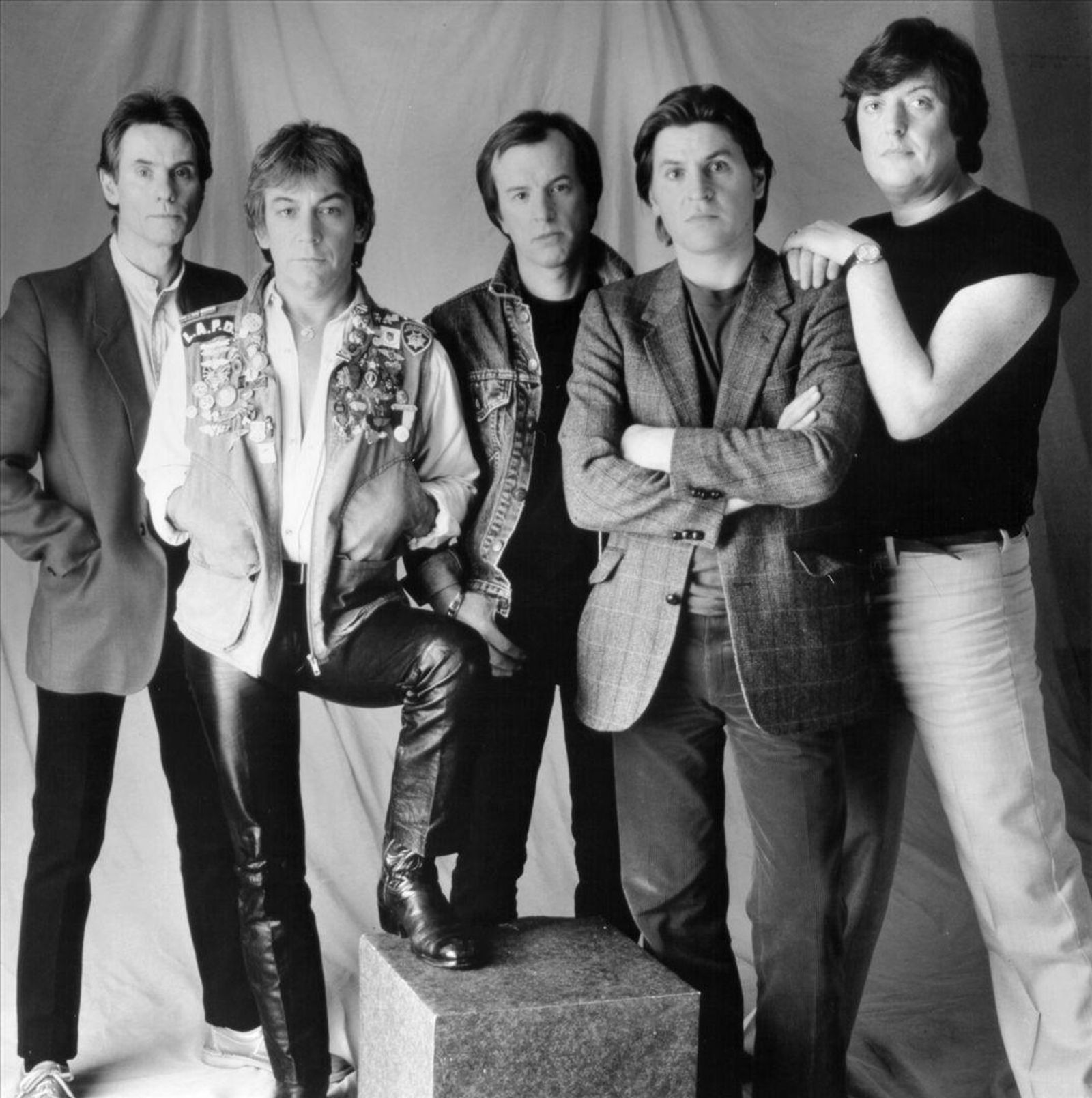
Upon its release in early 1965, Don’t Let Me Be Misunderstood quickly climbed the charts in both the United Kingdom and the United States.
The single reached the UK Top 10 and also secured a strong position on the Billboard Hot 100, further solidifying The Animals’ global popularity.
The success of the song demonstrated the band’s ability to reinterpret existing material while giving it a completely new emotional dimension.
It also reinforced Eric Burdon’s reputation as one of the most emotionally expressive vocalists of the 1960s British rock movement.

The track became a staple of The Animals’ live performances, where Burdon’s passionate stage presence amplified the song’s emotional intensity.
Audiences were drawn to the authenticity of his delivery, often feeling as though the lyrics reflected their own personal struggles and misunderstandings.
Beyond commercial success, the song played a crucial role in expanding the emotional depth of rock music during a time when many hits focused primarily on romance and youthful excitement.
Its darker tone and introspective lyrics helped pave the way for more emotionally complex songwriting in popular music.

The song’s legacy extended far beyond The Animals’ original recording, inspiring numerous cover versions across multiple genres.
Perhaps the most famous reinterpretation came in 1977 when disco group Santa Esmeralda transformed the song into a flamenco-inspired dance hit.
Their version introduced the song to a new generation, demonstrating its remarkable adaptability and enduring emotional relevance.
Other artists, including Joe Cocker, Elvis Costello, and various blues and rock performers, have also recorded their own interpretations over the decades.
Each rendition highlighted different aspects of the song’s emotional core, proving the universal power of its message.
For The Animals, Don’t Let Me Be Misunderstood represented a defining moment during the height of their international success.
It showcased their ability to blend American blues influences with British rock energy, creating a sound that felt both familiar and refreshingly original.
The song also reflected the broader cultural shifts of the 1960s, when music began exploring deeper emotional themes and social complexities.

Eric Burdon later spoke about his connection to the song, explaining how its message mirrored his own experiences navigating fame and public perception.
The emotional honesty of the lyrics allowed listeners to connect with the song on a deeply personal level, regardless of age or background.
Over time, Don’t Let Me Be Misunderstood became more than just a hit single; it evolved into a cultural statement about empathy and self-awareness.
Its continued presence in films, television shows, and modern playlists has kept its emotional resonance alive for new generations of listeners.
Music historians often credit the song with helping bridge the gap between traditional blues storytelling and the evolving sound of modern rock.
The combination of haunting lyrics, passionate vocals, and dynamic instrumentation created a musical experience that remains as powerful today as it was in 1965.
Decades after its release, Don’t Let Me Be Misunderstood still speaks to the fragile complexity of human emotions and relationships.
Its timeless message reminds listeners that beneath every misunderstanding lies a simple desire to be accepted, heard, and truly understood.