
Celebrities & Music
Released in the late 1960s, this song didn’t explode overnight, but quietly slipped into sleepless nights and emotions that had no name yet.
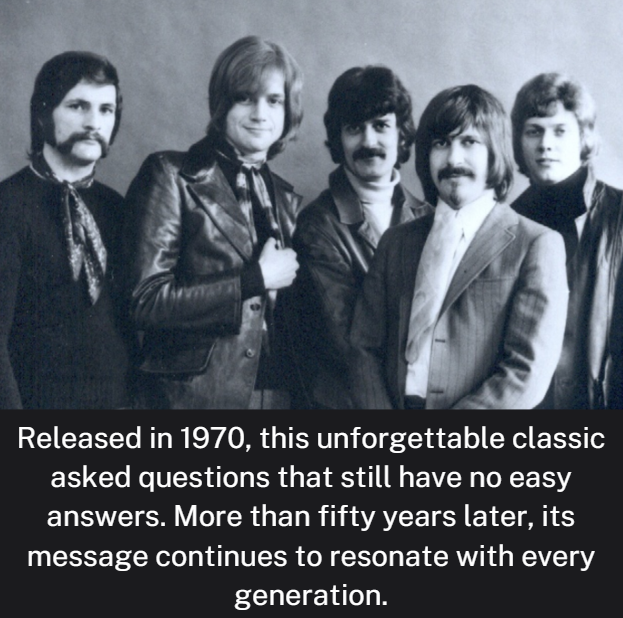
The article explores the enduring impact of The Moody Blues’ song “Nights in White Satin,” highlighting its emotional depth and the transformation of popular music in the late 1960s.

Released in the late 1960s, this song didn’t explode overnight, but quietly slipped into sleepless nights and emotions that had no name yet. Decades later, it still lingers like a gentle confession about love, time, and all the words we never managed to say.
In the late 1960s, popular music was undergoing a quiet but profound transformation, moving beyond simple love songs toward something more introspective and emotionally ambitious.
Bands were beginning to experiment with longer forms, poetic lyrics, and sounds that borrowed from classical music, philosophy, and personal longing.
Among them, The Moody Blues emerged as a group determined to blur the boundaries between rock, orchestral music, and inner reflection.
Formed in Birmingham, England, The Moody Blues had already tasted success earlier in the decade, but by 1967 they were searching for a new artistic direction.
Rather than chasing chart-friendly singles, they wanted to create music that felt timeless, immersive, and emotionally sincere.
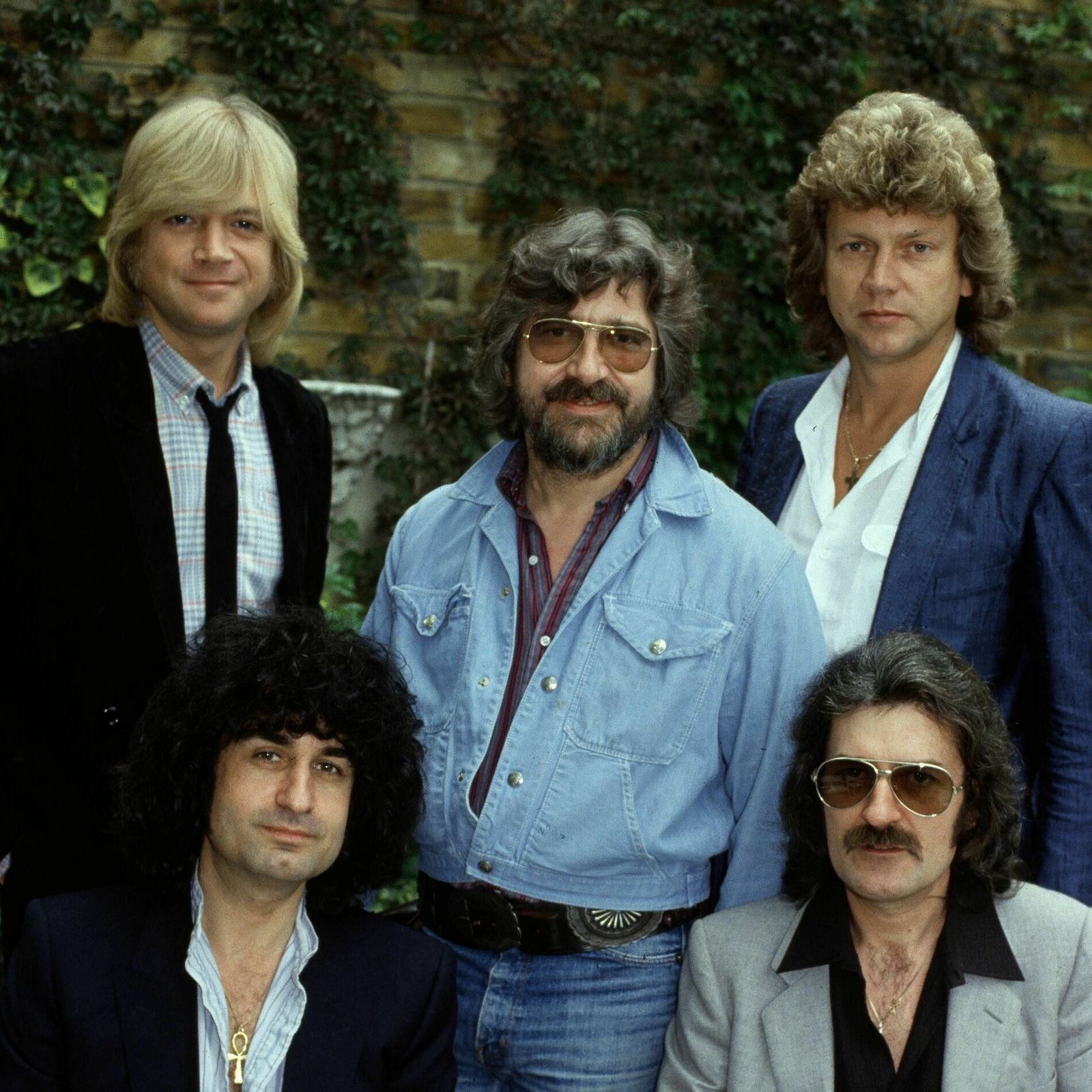
This desire culminated in the album Days of Future Passed, a project that would permanently redefine their legacy.
At the heart of that album lies “Nights in White Satin,” a song that feels less like a performance and more like a confession whispered into the dark.
Written by guitarist and vocalist Justin Hayward when he was only in his early twenties, the song captures the ache of love that exists in thought more than reality.
It speaks to longing, miscommunication, and the quiet loneliness that comes from emotions left unsaid.
From its opening notes, “Nights in White Satin” creates a mood that is instantly recognizable.
The mellotron swells like a distant memory, while the melody unfolds slowly, almost cautiously, as if afraid of revealing too much too soon.
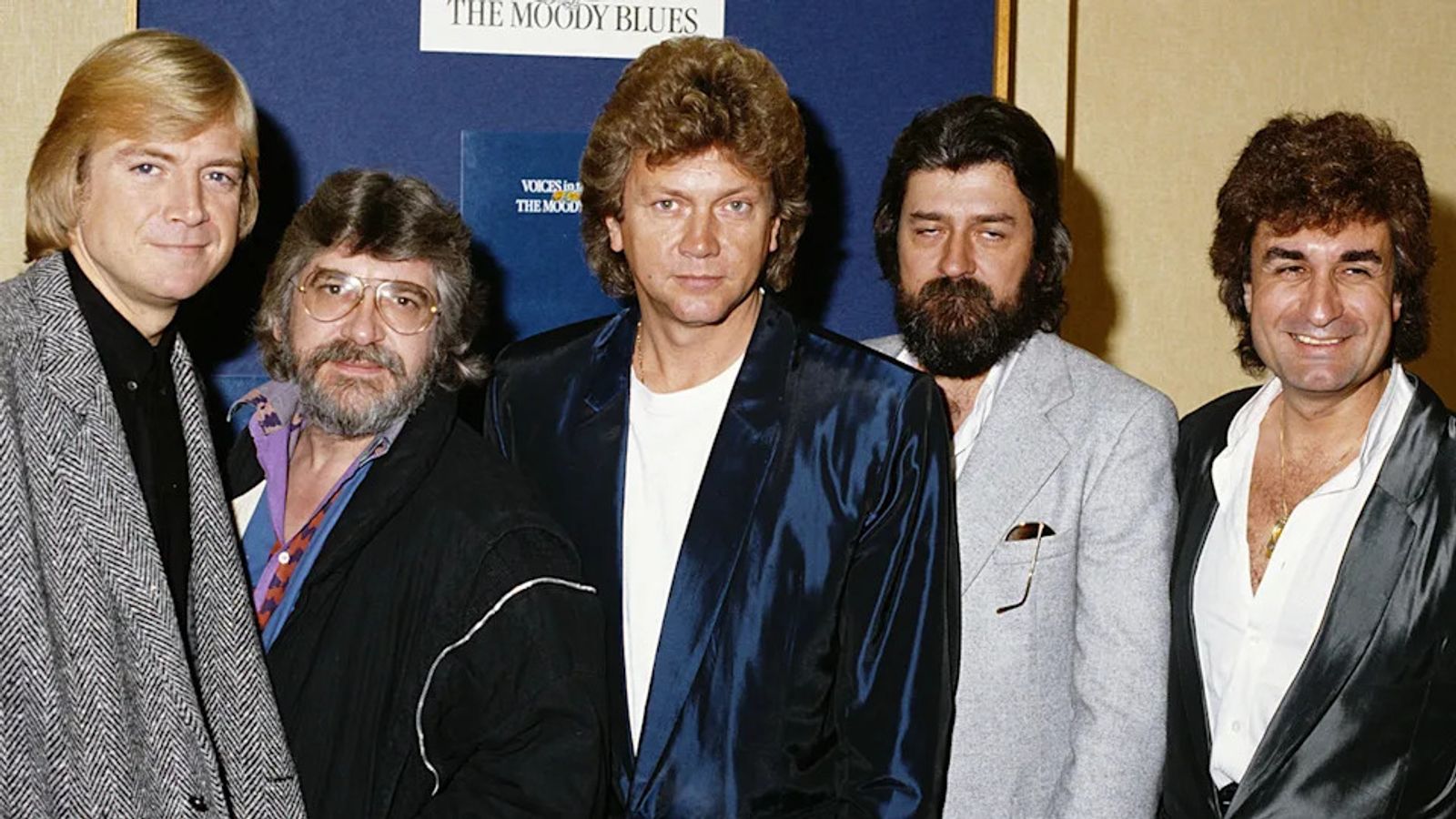
Rather than rushing toward a chorus, the song lingers, allowing each line to breathe and settle into the listener’s mind.
Lyrically, the song avoids grand declarations or dramatic storytelling.
Instead, it focuses on fragments of feeling—letters written but never sent, words spoken but misunderstood, nights spent awake with thoughts that refuse to rest.
This emotional restraint is precisely what gives the song its power, making it feel deeply personal yet universally relatable.
One of the most striking elements of “Nights in White Satin” is its vulnerability.
Hayward’s voice does not sound triumphant or confident; it sounds exposed, fragile, and honest.
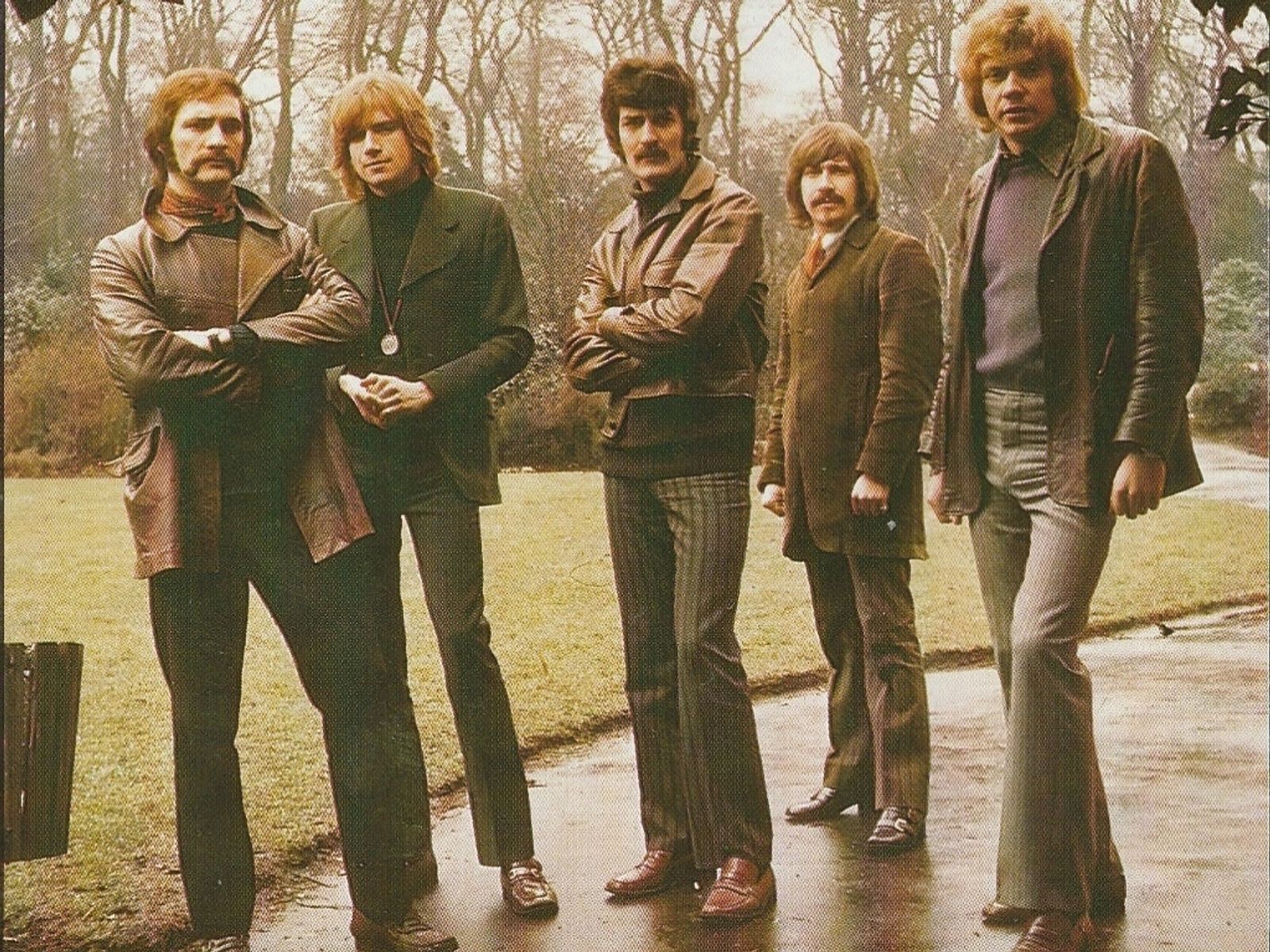
In an era when rock music was often associated with rebellion or bravado, this openness felt almost radical.
The orchestral arrangement, performed by the London Festival Orchestra, elevates the song beyond the boundaries of a typical rock ballad.
Strings rise and fall like waves of emotion, reinforcing the sense that the song exists somewhere between dream and reality.
This fusion of rock band instrumentation with classical orchestration helped pioneer what would later be known as symphonic rock.
When Days of Future Passed was released in 1967, it stood apart from nearly everything else on the charts.
Rather than a collection of unrelated tracks, the album flowed like a single, continuous journey through the passage of a day and the emotions tied to time itself.
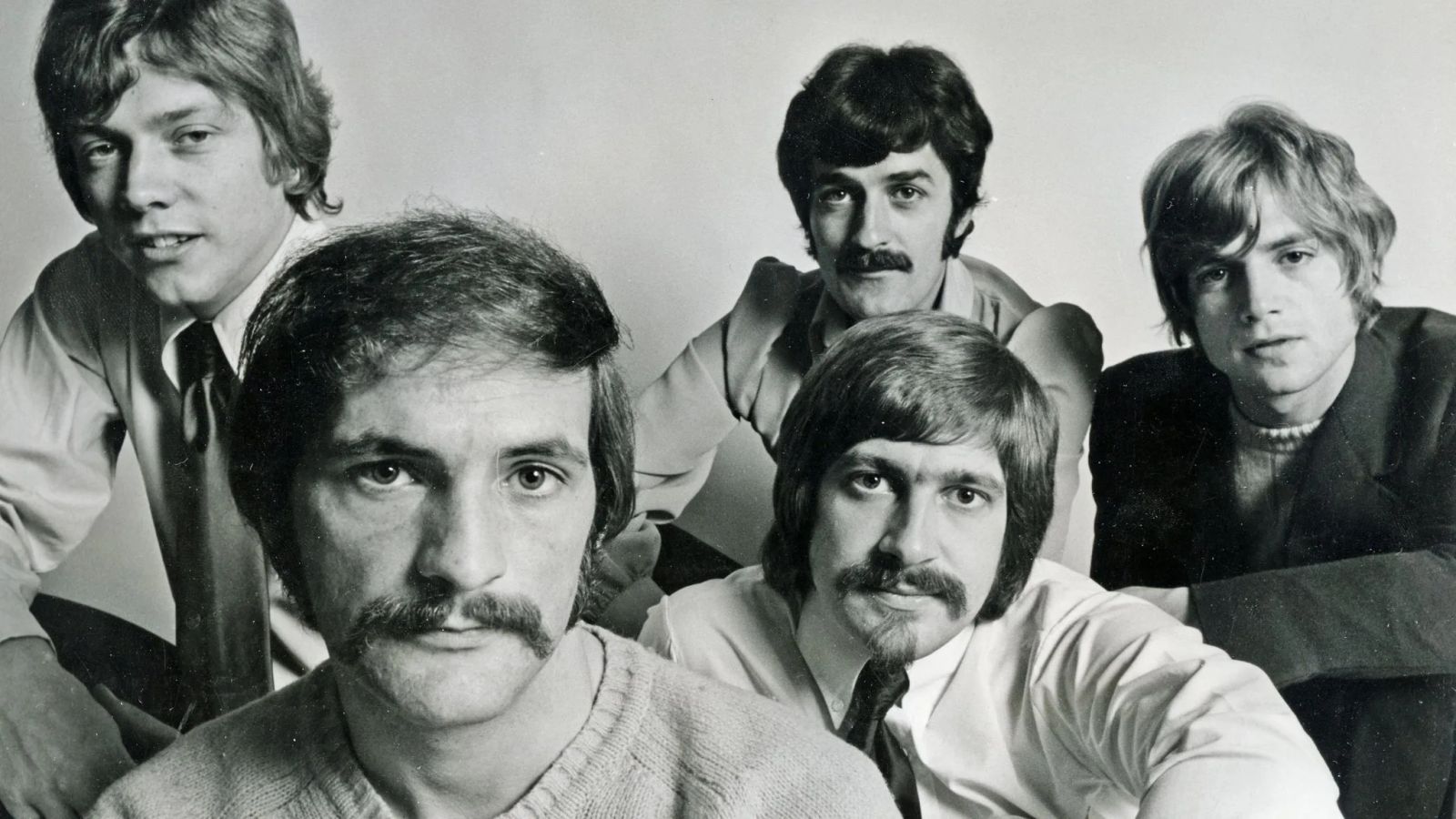
“Nights in White Satin” served as the emotional climax of that journey, lingering long after the final note faded.
Although the song was initially released as a single, its impact grew gradually rather than explosively.
Over time, it found its way into late-night radio rotations, personal mixtapes, and moments of quiet reflection.
Listeners didn’t just hear the song—they lived with it.
By the early 1970s, “Nights in White Satin” experienced a remarkable resurgence, climbing the charts years after its original release.
This delayed success only reinforced its timeless nature, proving that emotional truth does not depend on trends or eras.
The song resonated just as strongly with a new generation as it had with the first.
Part of the song’s enduring appeal lies in its ambiguity.
The lyrics never fully explain the relationship at their center, allowing listeners to project their own experiences onto the music.
It becomes a mirror, reflecting heartbreak, nostalgia, hope, or regret depending on who is listening.
The spoken-word poem that closes the track, often referred to as “Late Lament,” adds another layer of depth.
Delivered with theatrical gravity, it reflects on the human tendency to feel deeply but express poorly.
This ending reinforces the song’s central theme: the tragedy of emotions that exist vividly inside us but struggle to find their way out.
Over the decades, “Nights in White Satin” has appeared in films, television shows, and countless personal playlists.
It has become shorthand for emotional intensity, introspection, and the kind of love that leaves a lasting mark even when it fades.
Few songs manage to sound both deeply of their time and completely outside of it.
The Moody Blues, as a band, would go on to enjoy a long and influential career.
Yet no matter how many albums they released or styles they explored, “Nights in White Satin” remained their defining statement.
It captured something pure and unrepeatable—a moment where youth, emotion, and artistic ambition aligned perfectly.
Listening to the song today, decades after its creation, it still feels intimate rather than dated.
Its emotions remain raw, its melody still haunting, and its atmosphere as enveloping as ever.
It doesn’t demand attention; it quietly earns it.
“Nights in White Satin” endures because it understands something fundamental about being human.
That love is often felt more strongly in solitude than in togetherness.
That some of our most meaningful emotions are the ones we struggle to explain.
In the end, the song is not just about romance.
It is about time, memory, and the fragile space between what we feel and what we manage to say.
And as long as people lie awake at night with unspoken thoughts, “Nights in White Satin” will continue to find its way into their hearts.
Read more stories
- He Was Rejected By His Own Mom And Raised To Think ‘Women Are Evil’ But He Became A Legendary Rockstar
- TOBY KEITH RECORDED SOME OF THE BIGGEST PATRIOTIC ANTHEMS IN COUNTRY MUSIC HISTORY—BUT HIS REAL LEGACY WAS BUILT ON MILITARY BASES WHERE NO CAMERAS WERE ROLLING.
- [Video]: The One-Take Hit That Took Over Rock Radio
- The Box Tops’ “The Letter” Captures Lightning in a Bottle and Redefines Blue-Eyed Soul in 1967-2