Celebrities & Music
Released in the early 1960s, this song wasn’t just about a place—it was about longing, home, and the quiet pull of memory. In 2026, many people hear the melody but no longer remember the story behind it
The article reflects on the song ‘Ferry Cross the Mersey,’ highlighting its emotional depth and significance as a representation of longing and home, particularly in the context of Liverpool’s identity.
Released in the early 1960s, this song wasn’t just about a place—it was about longing, home, and the quiet pull of memory. In 2026, many people hear the melody but no longer remember the story behind it.
Released in late 1964, Ferry Cross the Mersey arrived quietly yet powerfully, becoming more than a pop hit—it became a musical postcard from Liverpool to the world.
At a time when British Invasion bands were conquering America with energy and attitude, this song chose tenderness, nostalgia, and reflection instead of bravado.
Written and performed by Gerry Marsden, the track captured a deeply personal sense of place, inspired by the daily ferry ride across the River Mersey that connected Liverpool to the Wirral Peninsula.
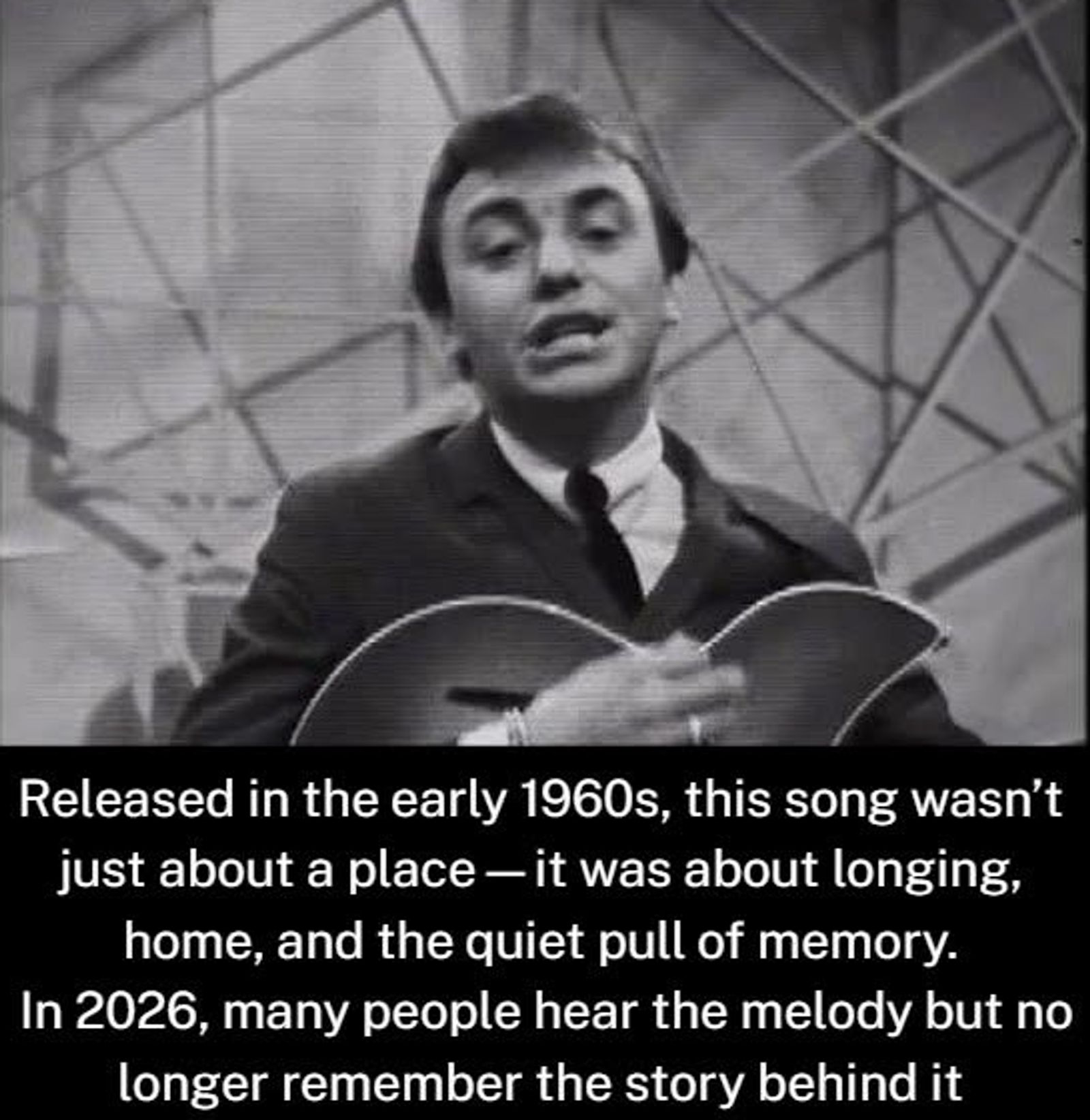
Unlike many chart-toppers of the era, Ferry Cross the Mersey wasn’t about romance or rebellion, but about belonging, memory, and the emotional pull of home.
Its opening lines feel less like lyrics and more like a quiet thought, drifting in gently like the river itself.
The song’s calm, almost hymn-like melody created an atmosphere of stillness, inviting listeners to pause rather than dance.
For those who knew Liverpool, the Mersey was more than water—it was history, labor, separation, and reunion all at once.
For those who didn’t, the song painted such a vivid emotional picture that the place felt instantly familiar.
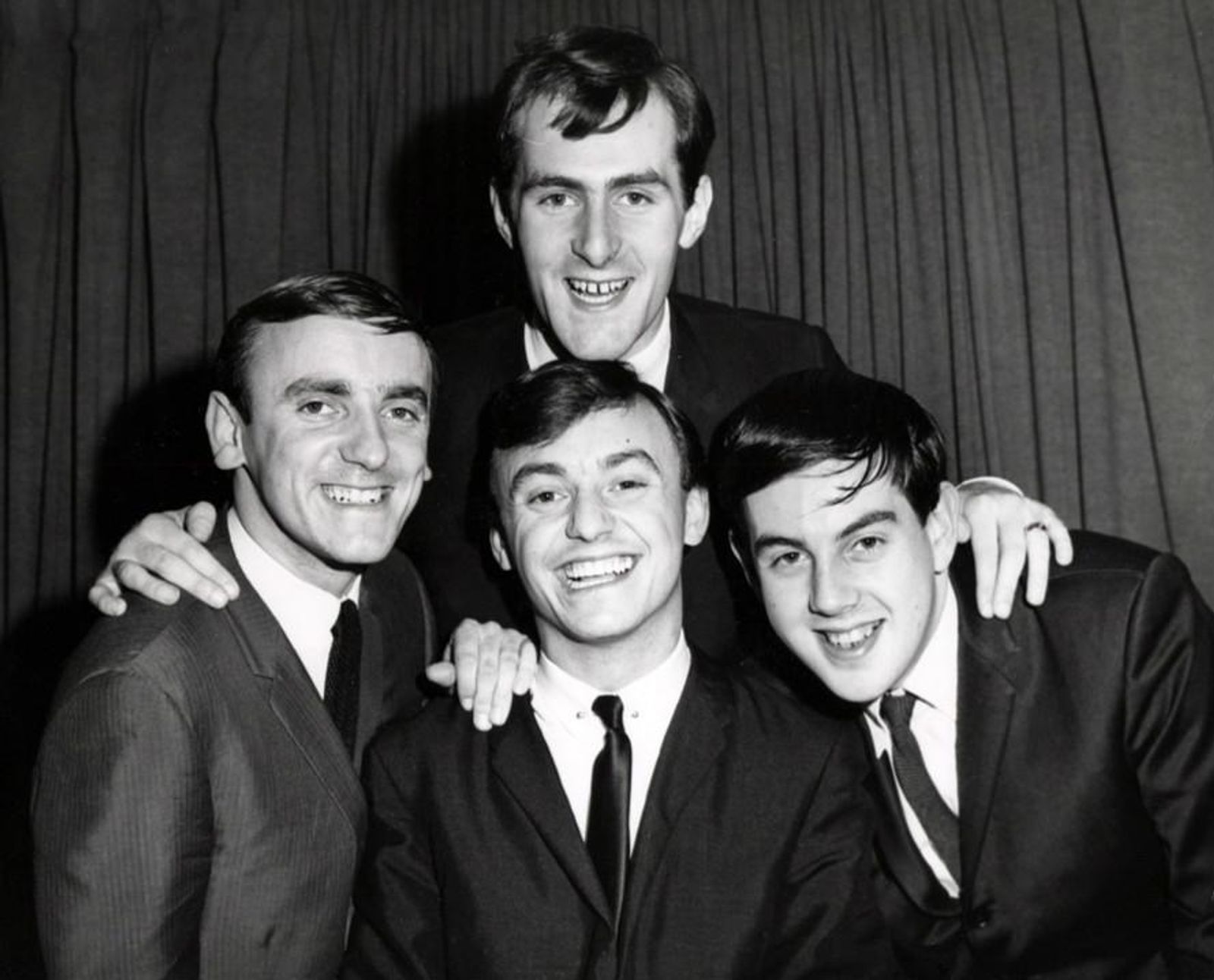
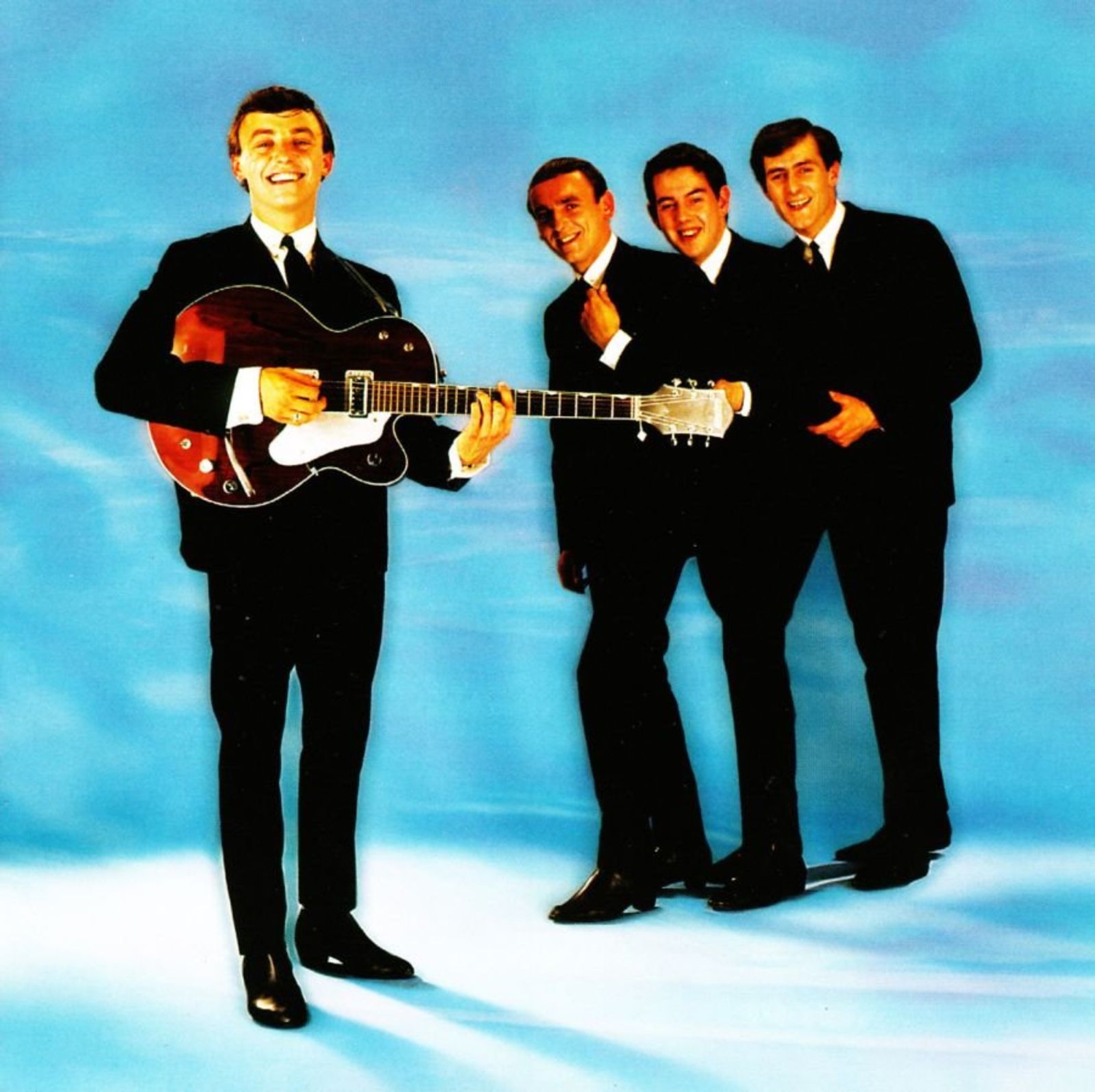
By the time Gerry & The Pacemakers recorded the track, they were already stars, having followed The Beatles out of Liverpool and into international fame.
Managed by Brian Epstein, the same visionary who guided The Beatles, the band had already scored multiple number-one hits in the UK.
Yet Ferry Cross the Mersey marked a turning point, showing a more mature and introspective side of the group.
The song was written as the theme for a film of the same name, a semi-fictionalized portrayal of life in Liverpool during the height of Beatlemania.
Rather than glorifying fame, the film—and especially its title song—focused on roots, identity, and the emotional cost of success.
Gerry Marsden’s vocal performance is restrained but deeply sincere, carrying a softness that makes every word feel lived-in.
There is no vocal showmanship here, just honesty and quiet confidence.

The arrangement is simple yet effective, with gentle percussion, subtle strings, and a steady rhythm that mirrors the slow movement of the ferry itself.
This musical restraint allows the song’s emotional weight to come through without distraction.
Upon its release, Ferry Cross the Mersey resonated immediately, climbing to number one on the UK Singles Chart.
It also found success internationally, reaching the Top 10 in the United States at a time when British bands dominated the airwaves.

What made the song stand out was its emotional universality—anyone who had ever left home could feel its pull.
Listeners heard not just a river crossing, but the space between who you were and who you were becoming.
The Mersey became a metaphor for transition, separation, and the quiet hope of return.
For many fans, the song felt timeless even upon release, as if it had always existed.

Unlike trend-driven pop hits, it aged gracefully, gaining depth as listeners grew older.
Over the decades, Ferry Cross the Mersey has become inseparable from Liverpool’s identity.
It is often played at civic events, memorials, and moments of collective remembrance.
Following the tragic Hillsborough disaster in 1989, the song took on new meaning, becoming an unofficial anthem of mourning and unity for the city.

In those moments, it was no longer just a song, but a shared emotional language.
Gerry Marsden’s performance of the song at charity events and tributes further cemented its place in British cultural history.
Long after the height of the British Invasion faded, this song remained.
It reminded listeners that music doesn’t need spectacle to endure—sometimes sincerity is enough.
You don’t need to know Liverpool to feel Ferry Cross the Mersey.
You only need to understand the feeling of looking back while moving forward.
In a catalog filled with energetic hits, this gentle ballad stands apart as a moment of stillness.
More than sixty years later, its melody still drifts like the river it honors, calm, reflective, and endlessly human.
Ferry Cross the Mersey remains one of the most heartfelt songs of the British Invasion, not because it shouted the loudest, but because it listened.