
Celebrities & Music
Released in 1974, this song became a quiet tribute to the legends who left too soon, blending sorrow with comfort through soaring harmonies and heartfelt emotion. Decades later, it still feels like a gentle reminder that while artists may be gone, the music they gave us never truly fades.
The article discusses the 1974 song “Rock And Roll Heaven” by The Righteous Brothers, highlighting its tribute to legendary artists who passed away too soon and its enduring emotional impact.

Rock And Roll Heaven: A Bittersweet Serenade
There’s a unique kind of melancholy that comes with loving music deeply.
It’s the realization that the artists who create the soundtrack to our lives are, after all, mortal.
And when they leave us, it feels like a piece of ourselves goes with them.
The Righteous Brothers tapped into this bittersweet vein with their 1974 hit, “Rock And Roll Heaven”.
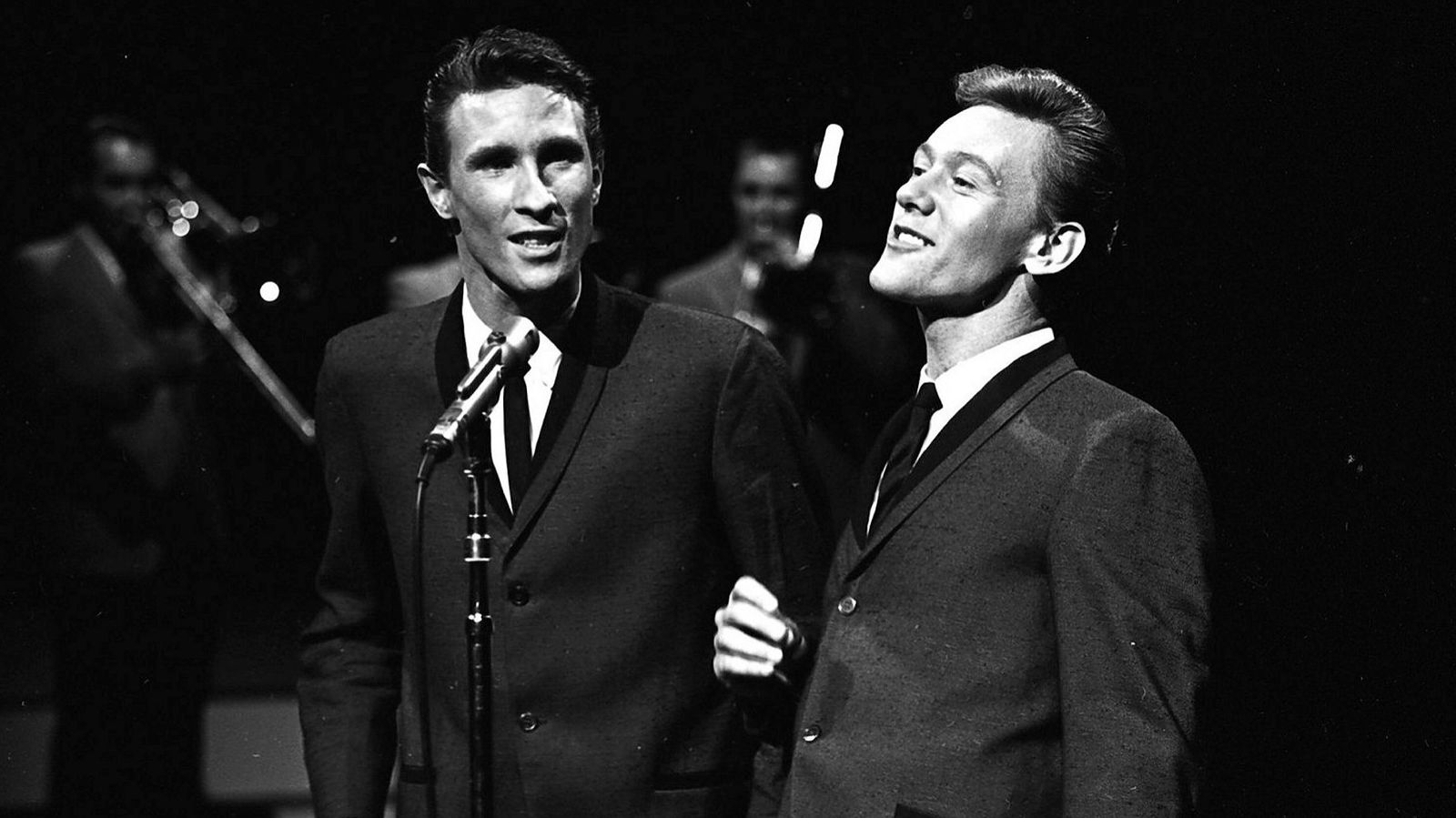
The song isn’t just a catchy tune; it’s a heartfelt tribute to the rock and roll icons who had passed away too soon.
Names like Janis Joplin, Jimi Hendrix, and Otis Redding weren’t just stars; they were the voices of a generation.
Their untimely deaths left a void in the music world that felt impossible to fill.
The Righteous Brothers, with their signature blend of soulful vocals and soaring harmonies, offered a way to remember and celebrate these lost legends.
“Rock And Roll Heaven” paints a picture of a celestial concert hall where the music never stops.
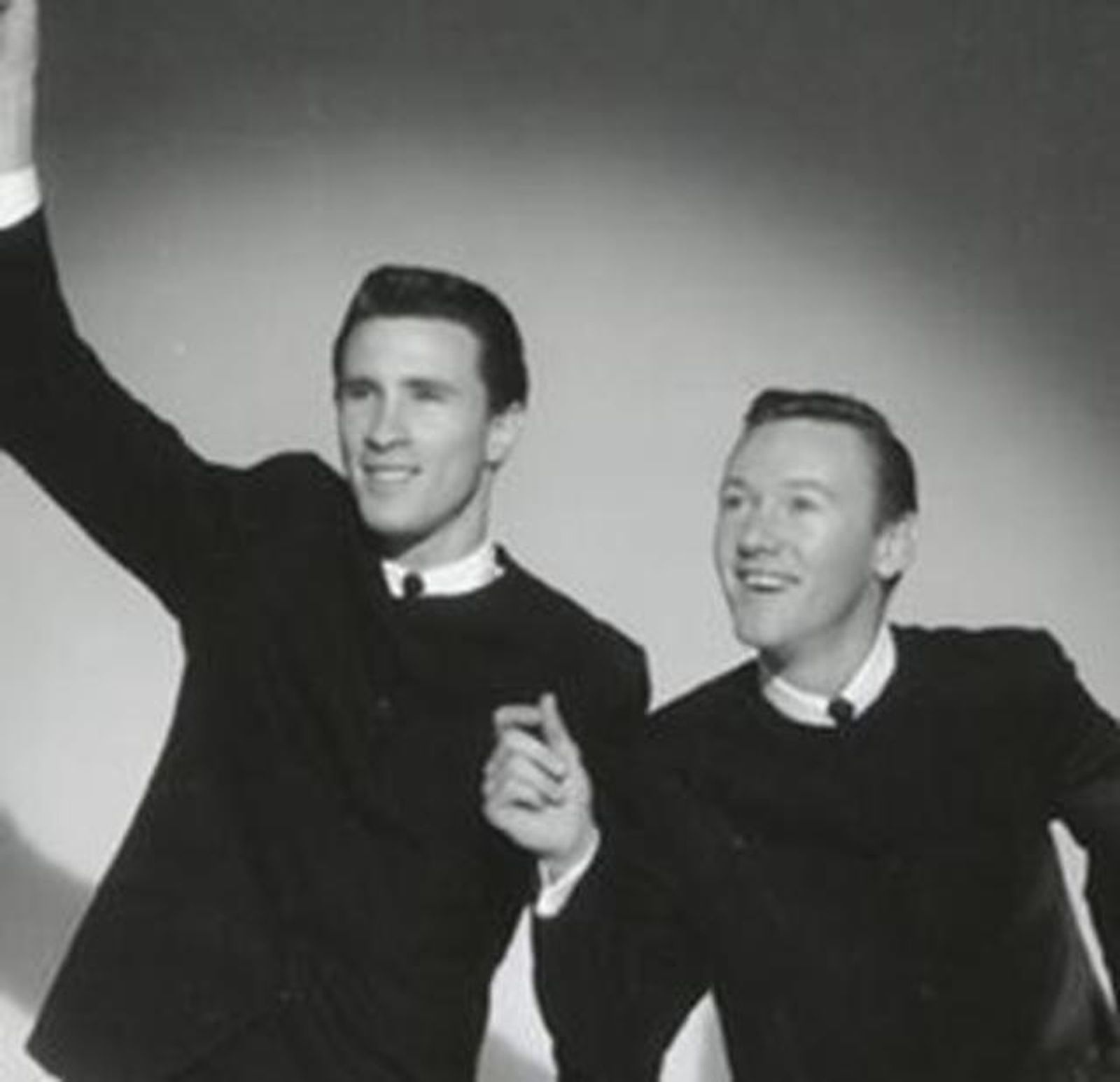
It’s a place where the greats gather, jamming together for all eternity.
There’s a comfort in this image, a sense that the music we love and the artists who create it live on in some way.
But the song doesn’t shy away from the sadness of loss and the pain of saying goodbye.
It acknowledges that grief even as it offers hope for a reunion in the hereafter.
The Righteous Brothers’ performance is nothing short of masterful, with voices rich with raw emotion.
The arrangement, with its sweeping strings and gentle piano, creates an atmosphere of deep reverence.
It’s a song that invites you to sing along, to shed a tear, and to remember the power of music to connect us across space.
For those who came of age in the rock and roll era, this song is a touchstone and a reminder of the music that shaped their lives.
But even for younger listeners, the song has a timeless appeal that speaks to the universal experience of loss.
It reminds us all of the enduring power of music to heal, to inspire, and to bridge the gap between worlds.

So the next time you hear “Rock And Roll Heaven,” take a moment to listen closely to the message within.
Let those powerful voices transport you to that celestial concert hall where the music never dies.
And remember the artists who left us too soon, but whose legacy lives on forever through the songs they created.
Continue reading
Ronnie Milsap’s “It Was Almost Like a Song” United Country and Pop Worlds in 1977-loidfs

When Ronnie Milsap unveiled “It Was Almost Like a Song” in 1977, it didn’t just mark another hit — it redefined the relationship between country and pop.
The track became a landmark in his career, ascending to No. 1 on the Billboard Hot Country Songs chart while simultaneously breaking into the mainstream.
It reached No. 16 on the Billboard Hot 100 and climbed to No. 7 on the Adult Contemporary chart, proving its ability to captivate audiences far beyond traditional country borders.
Born in Robbinsville, North Carolina, in 1943, Ronnie Milsap overcame congenital blindness to become one of country music’s most accomplished crossover artists.
Raised by his grandparents, he attended the State School for the Blind in Raleigh, where he first discovered his deep connection to music.
There, he mastered instruments like the piano and violin, drawing influence from gospel, classical, and R&B — a blend that would later shape his genre-defying sound.
The origins of the song trace back to the partnership between composer Archie Jordan and lyricist Hal David.
Jordan, a young talent at the time, had written the melody but sought lyrical direction.
When paired with David — already a legend for his work with Burt Bacharach — something extraordinary took form.
Together with producer Tom Collins, they built a story around fleeting love, memory, and emotional release.
Recorded in April 1977, the track featured Milsap and Tom Collins co-producing a sound that balanced Nashville warmth with pop sophistication.
Strings swelled gently behind the steady rhythm section, while Milsap’s heartfelt piano carried the melody.
The production merged lush pop arrangements with country sincerity, giving the song a rare cinematic quality.
When the song was released that May, it caught fire almost instantly.
Critics praised its emotional honesty and sleek production, and listeners embraced its universal themes.
It became Milsap’s eighth No. 1 country hit and his first major crossover success.
The accompanying album reached No. 3 on the Country Albums chart and entered the Billboard 200.
It eventually earned Gold certification and won “Album of the Year” at the 1978 CMA Awards.
Beyond its chart performance, the track reshaped the boundaries of country music.
It proved that heartfelt storytelling and polished production could coexist without losing authenticity.
The song helped pave the way for future crossover artists and a new era of country-pop.
For Ronnie Milsap, the song marked a turning point.
He was no longer confined to country radio, as pop and adult contemporary audiences welcomed his voice.
His career expanded in scale, reach, and artistic freedom.
The song’s influence extended far beyond Milsap’s own catalog.
It inspired other artists to blend genres with confidence and emotional depth.
Country-pop evolved from an experiment into a lasting movement.
Over the years, the song has been revisited by many artists, each revealing new emotional layers.
Its melody continues to carry a bittersweet ache that feels timeless.
By 1977, Milsap was already respected, but this song elevated him into rare territory.
Awards followed, and his role as a musical bridge-builder became undeniable.
Decades later, the song still resonates on classic playlists.
Its blend of vulnerability and polish feels as relevant today as it did upon release.
Looking back, “It Was Almost Like a Song” stands as both a milestone and a mirror.
It wasn’t just a hit — it was a cultural shift that changed how country music could sound.
Read more stories
- He Was Rejected By His Own Mom And Raised To Think ‘Women Are Evil’ But He Became A Legendary Rockstar
- TOBY KEITH RECORDED SOME OF THE BIGGEST PATRIOTIC ANTHEMS IN COUNTRY MUSIC HISTORY—BUT HIS REAL LEGACY WAS BUILT ON MILITARY BASES WHERE NO CAMERAS WERE ROLLING.
- [Video]: The One-Take Hit That Took Over Rock Radio
- The Box Tops’ “The Letter” Captures Lightning in a Bottle and Redefines Blue-Eyed Soul in 1967-2