
Celebrities & Music
One unexpected stop, one life-changing decision, and a love story that still leaves listeners speechless more than 60 years later.
This article explores the enduring impact of Gene Pitney’s “24 Hours from Tulsa” and The Searchers’ “Love Potion No. 9,” highlighting their storytelling and emotional depth that resonate with listeners even decades later.

Some songs tell simple love stories, while others quietly explore the painful moment when one unexpected decision changes two lives forever, and “24 Hours from Tulsa” remains one of the most unforgettable examples of that timeless idea.
Released in 1963, the song became one of Gene Pitney’s signature recordings, blending dramatic storytelling with emotional restraint in a way that few popular songs of its era could achieve.
At first glance, the lyrics appear deceptively simple, following a man traveling home to the woman he loves before a chance encounter changes everything along the way.
Rather than relying on dramatic arguments or betrayal, the song unfolds through quiet confession, allowing the listener to witness a heartbreaking decision made in only a single night.
That gentle approach made the story even more devastating, proving that life’s greatest turning points often arrive without warning or grand spectacle.
Gene Pitney possessed one of the most distinctive voices of the early 1960s, capable of sounding powerful and vulnerable within the same breath.
His soaring tenor carried an emotional honesty that made every lyric believable, allowing listeners to feel the regret hidden beneath even the calmest moments.
Unlike many singers who depended on vocal theatrics, Pitney understood that sincerity could often leave a deeper impression than overwhelming intensity.
Born in Hartford, Connecticut, in 1940, Gene Pitney showed musical promise from an early age, developing a style that blended pop, rock, country, and orchestral influences into something uniquely his own.
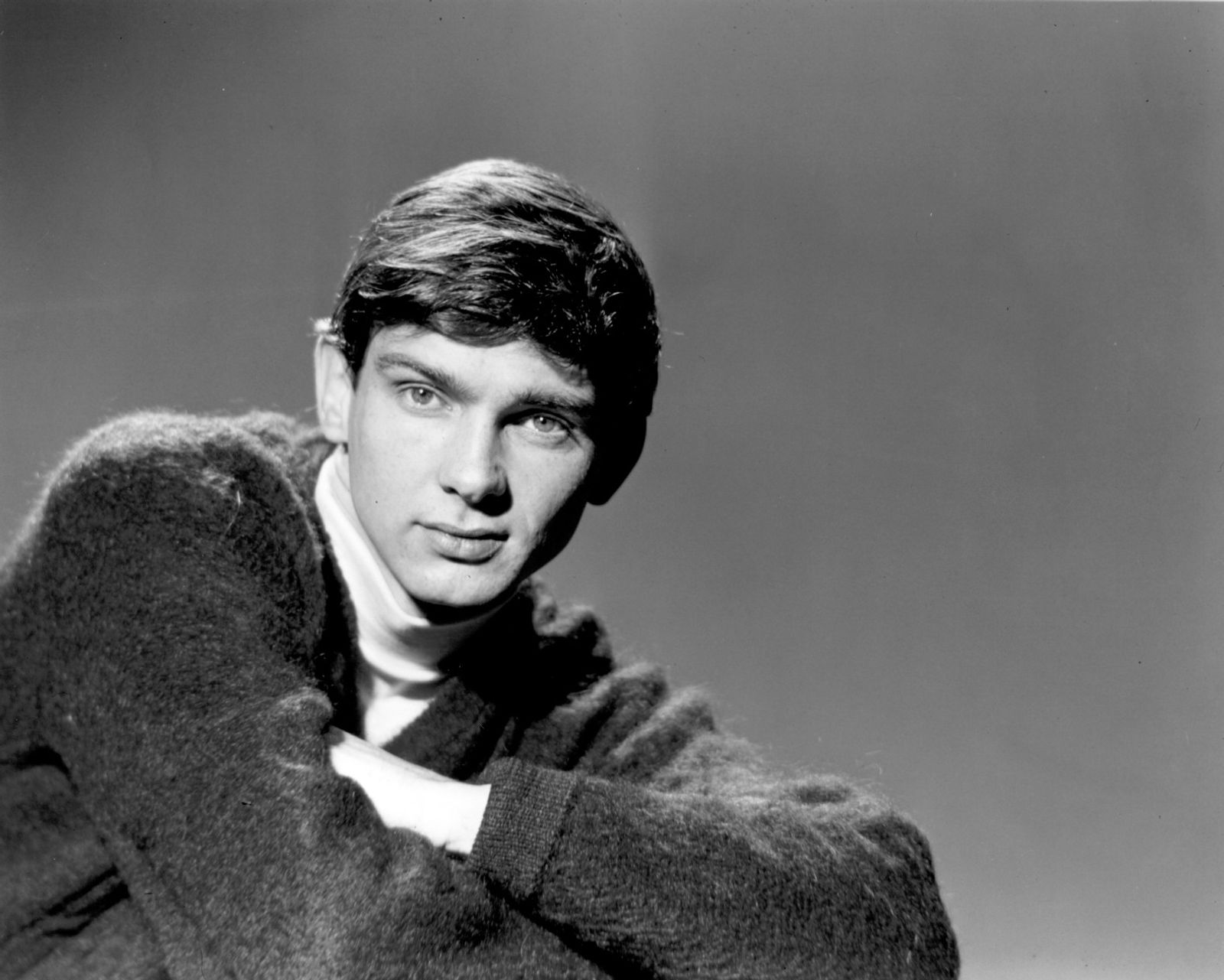
Before becoming a major recording star, he had already earned respect as a gifted songwriter, composing successful songs for artists including Ricky Nelson, Bobby Vee, and Roy Orbison.
Those early songwriting experiences sharpened his understanding of narrative structure, something that would later define many of his greatest recordings.
When legendary songwriting team Burt Bacharach and Hal David created “24 Hours from Tulsa,” they crafted far more than another romantic ballad.
Instead, they wrote a miniature film filled with emotion, uncertainty, and quiet heartbreak, unfolding naturally from beginning to end.
The lyrics never judge the narrator or excuse his decision, leaving listeners to wrestle with their own feelings about love, loyalty, and human weakness.
That emotional ambiguity became one of the song’s greatest strengths, inviting countless conversations long after the final note faded away.
The production matched the storytelling beautifully, surrounding Pitney’s expressive voice with sweeping orchestration that gradually intensified as the narrative unfolded.
Each musical phrase seemed carefully placed, allowing the emotional tension to build naturally without overwhelming the intimate confession at the center of the song.
When the single reached audiences in 1963, it quickly climbed international charts and became one of Gene Pitney’s most successful recordings.

While American audiences embraced the song, it achieved especially remarkable success in the United Kingdom, where Pitney would eventually enjoy one of the strongest fan bases of his career.
British listeners admired not only his remarkable voice but also his willingness to record songs that trusted storytelling as much as melody.
During an era filled with energetic dance records and youthful optimism, “24 Hours from Tulsa” offered something refreshingly different.
It reminded audiences that love stories could be complicated, bittersweet, and emotionally honest without losing their universal appeal.
Perhaps that realism explains why the recording continues finding new listeners more than sixty years after its original release.
Most people have experienced moments when a single unexpected encounter altered the direction of their lives forever, making the song’s emotional foundation feel timeless.
Rather than presenting perfect heroes or obvious villains, the story quietly acknowledges that ordinary people sometimes make extraordinary mistakes.
Gene Pitney’s restrained performance allows listeners to supply their own emotions, making the experience deeply personal for every generation.
His voice never demands sympathy, yet somehow earns it through quiet vulnerability and remarkable emotional control.
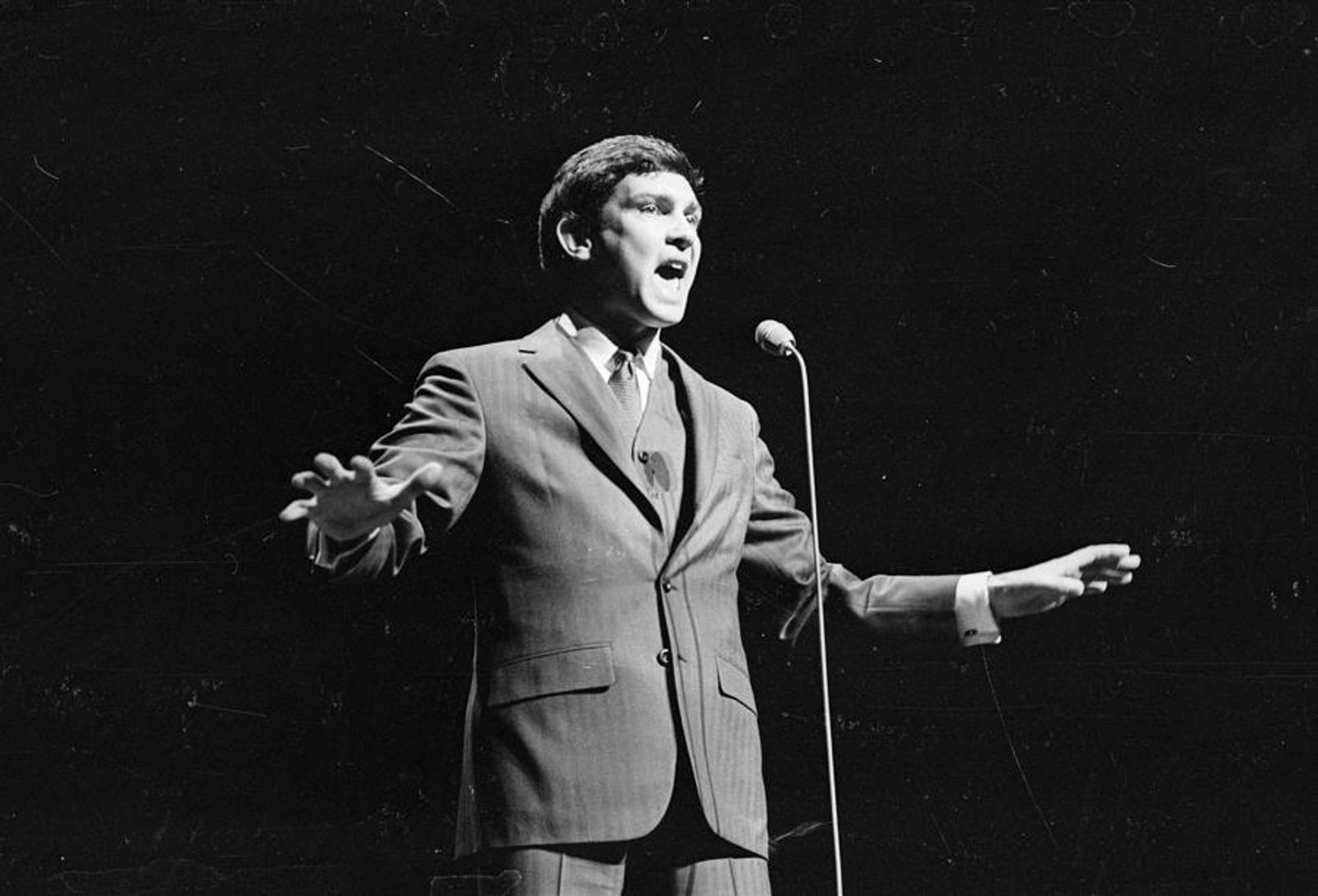
As the years passed, “24 Hours from Tulsa” became one of the defining examples of narrative songwriting from the golden age of popular music.
It demonstrated that three minutes could contain the emotional depth of an entire novel when every lyric served the story with precision and honesty.
The recording also strengthened Gene Pitney’s reputation as one of the finest interpreters of sophisticated pop songs during the 1960s.
Alongside classics such as “Only Love Can Break a Heart,” “Town Without Pity,” and “I’m Gonna Be Strong,” the song helped establish an extraordinary catalog built upon emotional authenticity.
Although musical trends changed dramatically throughout the following decades, Pitney’s recordings continued earning admiration from audiences who appreciated timeless craftsmanship.
His ability to communicate heartbreak without exaggeration remains one of the defining qualities that separates his performances from many of his contemporaries.
Even younger listeners discovering the song today often find themselves surprised by how modern its emotional complexity still feels.
The questions it raises about fate, temptation, regret, and the unpredictability of love remain just as relevant today as they were in 1963.
Listening now feels less like revisiting an old record and more like opening a beautifully written letter from another generation.
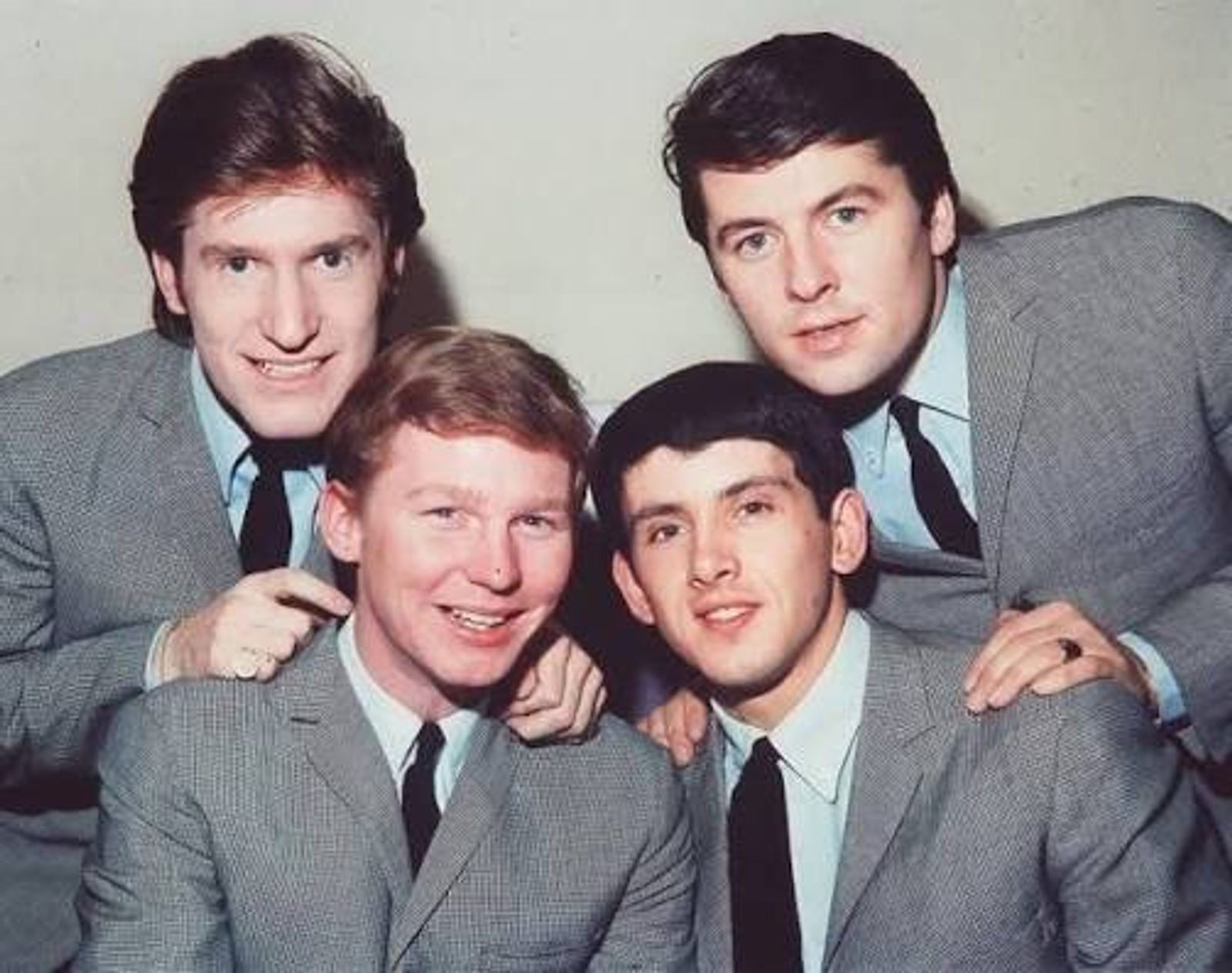
Every verse reminds us that life rarely follows the careful plans we create, and sometimes the smallest moments become the ones that shape everything that follows.
Gene Pitney passed away in 2006, but recordings like “24 Hours from Tulsa” continue preserving not only his remarkable voice but also his extraordinary gift for bringing stories to life through music.
Perhaps that is why the song still resonates so deeply, because beneath its elegant melody lies a truth every listener eventually understands—that the greatest journeys are not always measured by miles, but by the choices we make before reaching home.
One mysterious encounter, one impossible promise, and a 1960s classic that has kept listeners smiling for generations.
Some songs tell stories of heartbreak with quiet sincerity, while others wrap romance inside playful fantasy, and “Love Potion No. 9” by The Searchers remains one of the most delightfully unforgettable examples of how humor and irresistible melody can become timeless.
Released in 1964, the song arrived during the height of the British Invasion, introducing audiences to a recording that sounded both wonderfully familiar and refreshingly different from everything dominating the radio.
Its playful tale of a lovesick man searching for magical help transformed an already beloved composition into one of the defining pop classics of the decade.
More than sixty years later, its infectious rhythm and unforgettable chorus continue to make listeners smile from the very first note.
Behind its lighthearted charm lies a recording that perfectly captured the optimism, imagination, and youthful excitement that defined an extraordinary musical era.
Although many listeners associate the song with The Searchers, “Love Potion No. 9” actually began its life years before the Liverpool quartet recorded it.
The song was written in 1959 by the legendary songwriting team of Jerry Leiber and Mike Stoller, whose remarkable partnership produced countless classics that shaped the sound of early rock and roll.
Their original composition blended rhythm and blues with playful storytelling, creating an unforgettable narrative that stood apart from traditional love songs.
The first successful recording came from The Clovers, whose version became a rhythm-and-blues hit and introduced audiences to the mysterious fortune teller and her magical potion.
Yet it would take another group several years later to transform the song into an international pop sensation.
By the early 1960s, The Searchers had already established themselves as one of Liverpool’s most accomplished bands.
Alongside giants like The Beatles, they emerged from the city’s thriving music scene, bringing polished harmonies and sparkling guitar work to audiences across Britain.
Unlike many of their contemporaries, The Searchers specialized in combining American rhythm and blues influences with clean, melodic pop arrangements.
Their ability to reinterpret existing songs often gave familiar material an entirely fresh identity.
When they chose to record “Love Potion No. 9,” they recognized its enormous potential to connect with younger audiences discovering British music for the first time.
The arrangement immediately felt brighter, faster, and more energetic than earlier recordings.
Crisp guitars, lively percussion, and perfectly balanced harmonies transformed the playful lyrics into an irresistible burst of youthful excitement.
Lead vocalist Mike Pender delivered the story with just enough humor to keep the fantasy believable without becoming exaggerated.
Every line carried the feeling that the narrator genuinely believed magic might solve his romantic troubles.
That balance between comedy and sincerity became one of the recording’s greatest strengths.
Upon its release, the single quickly climbed charts around the world.
In the United States, it became one of The Searchers’ biggest successes, reaching the Top Five on the Billboard Hot 100 and introducing millions of American listeners to the band’s distinctive sound.
The recording further strengthened the growing influence of British artists during one of popular music’s most competitive periods.
For many listeners, it became their first introduction to The Searchers, opening the door to hits like “Needles and Pins” and “When You Walk in the Room.”
The song’s appeal reached far beyond chart positions because its story remained universally entertaining.
Everyone understands the awkward uncertainty that often accompanies falling in love, even if no magical potion has ever existed.
Instead of dramatic heartbreak, the lyrics celebrate hope, imagination, and the willingness to believe that extraordinary things might happen.
That sense of playful innocence continues to charm audiences decades after its original release.
The recording also demonstrated how adaptable great songwriting can be across different musical styles.
Leiber and Stoller’s clever narrative proved equally effective in rhythm and blues, pop, and rock arrangements, allowing multiple generations of artists to make the song their own.
Over the years, numerous performers have revisited “Love Potion No. 9,” each adding fresh personality while preserving its unmistakable sense of fun.
Its appearances in films, television programs, commercials, and nostalgic playlists have introduced the classic to audiences far removed from the 1960s.
The title itself has become part of popular culture, often referenced whenever people jokingly speak about finding the perfect formula for love.
Few songs have managed to leave such a lasting impression through both music and storytelling.
For The Searchers, the recording reinforced their reputation as masters of memorable melodies and polished vocal harmony.
Although they produced many outstanding hits throughout their career, “Love Potion No. 9” remains one of the songs most closely associated with their enduring legacy.
Listening today, it still feels remarkably fresh despite the passing decades.
Its lively production never sounds dated because genuine enthusiasm rarely loses its appeal.
The recording reminds us that not every classic song needs profound heartbreak or complicated emotion to survive the test of time.
Sometimes a clever story, an unforgettable chorus, and musicians performing with complete joy are more than enough.
Perhaps that explains why each new generation continues discovering “Love Potion No. 9” with the same excitement felt by audiences back in 1964.
It offers a brief escape into a world where romance is mysterious, laughter is contagious, and even impossible dreams seem wonderfully believable.
Read more stories
- He Was Rejected By His Own Mom And Raised To Think ‘Women Are Evil’ But He Became A Legendary Rockstar
- TOBY KEITH RECORDED SOME OF THE BIGGEST PATRIOTIC ANTHEMS IN COUNTRY MUSIC HISTORY—BUT HIS REAL LEGACY WAS BUILT ON MILITARY BASES WHERE NO CAMERAS WERE ROLLING.
- [Video]: The One-Take Hit That Took Over Rock Radio
- The Box Tops’ “The Letter” Captures Lightning in a Bottle and Redefines Blue-Eyed Soul in 1967-2