
Celebrities & Music
ONE SONG TAUGHT CHILDREN TO SPELL DIVORCE. THE OTHER TAUGHT THE WORLD TO TELL WOMEN TO STAY.
The article explores the duality of Tammy Wynette’s impact on country music through her iconic songs “D-I-V-O-R-C-E” and “Stand by Your Man,” highlighting her complex life and the messages of leaving and staying in relationships.

By 1968, Tammy Wynette had become country music’s sharpest voice for women who were carrying too much.
“I Don’t Wanna Play House” had already put broken families into country radio. Then came “D-I-V-O-R-C-E.” Tammy did not sing it as a courtroom speech or a protest record. She spelled the word slowly because the mother in the song did not want her child to understand what was happening. The record went to No. 1. It made Tammy the woman country music called when a marriage was breaking apart.
Then, almost immediately, she gave the world the opposite instruction. “Stand by Your Man” arrived later that same year. Tammy wrote it with Billy Sherrill in a rush, building a song around loyalty, forgiveness, and the old country idea that love meant enduring the parts you could not fix. It became her signature.
“D-I-V-O-R-C-E” made Tammy the voice of women leaving. “Stand by Your Man” made her the face of women staying. Both songs became enormous. Both were sung by people who heard their own lives in them. And both followed Tammy into marriages, divorces, illness, public judgment, and years when the woman onstage could not possibly live as simply as the songs asked her to.
She was married five times. She divorced George Jones after years of chaos. She spent much of her later life fighting pain, medication, and the weight of being called the First Lady of Country Music. But Tammy never claimed those songs were instructions for every woman. She could sing about a child hearing a word he was not supposed to know, then turn around and sing about holding on when holding on was hard. Country music wanted one clean image of Tammy Wynette. Her songs refused to give it one.
“Scroll down to the end of the article to listen to music.”
By 1968, Tammy Wynette had become country music’s sharpest voice for women carrying more than anybody could see.
She had already sung about broken homes in “I Don’t Wanna Play House.”
Then came “D-I-V-O-R-C-E.”
Tammy did not sing it like a courtroom speech.
She did not sing it like a protest record.
She spelled the word slowly because the mother in the song did not want her child to understand what was happening.
That small detail made the whole record hurt.
The adults knew.
The child did not.
And everybody listening understood the silence inside the house.
“D-I-V-O-R-C-E” Went To No. 1
The record became a No. 1 hit.
It made Tammy the singer country music turned to when a marriage was breaking apart.
She could take the private wreckage of a family and put it on the radio without turning it into spectacle.
No shouting.
No grand speech.
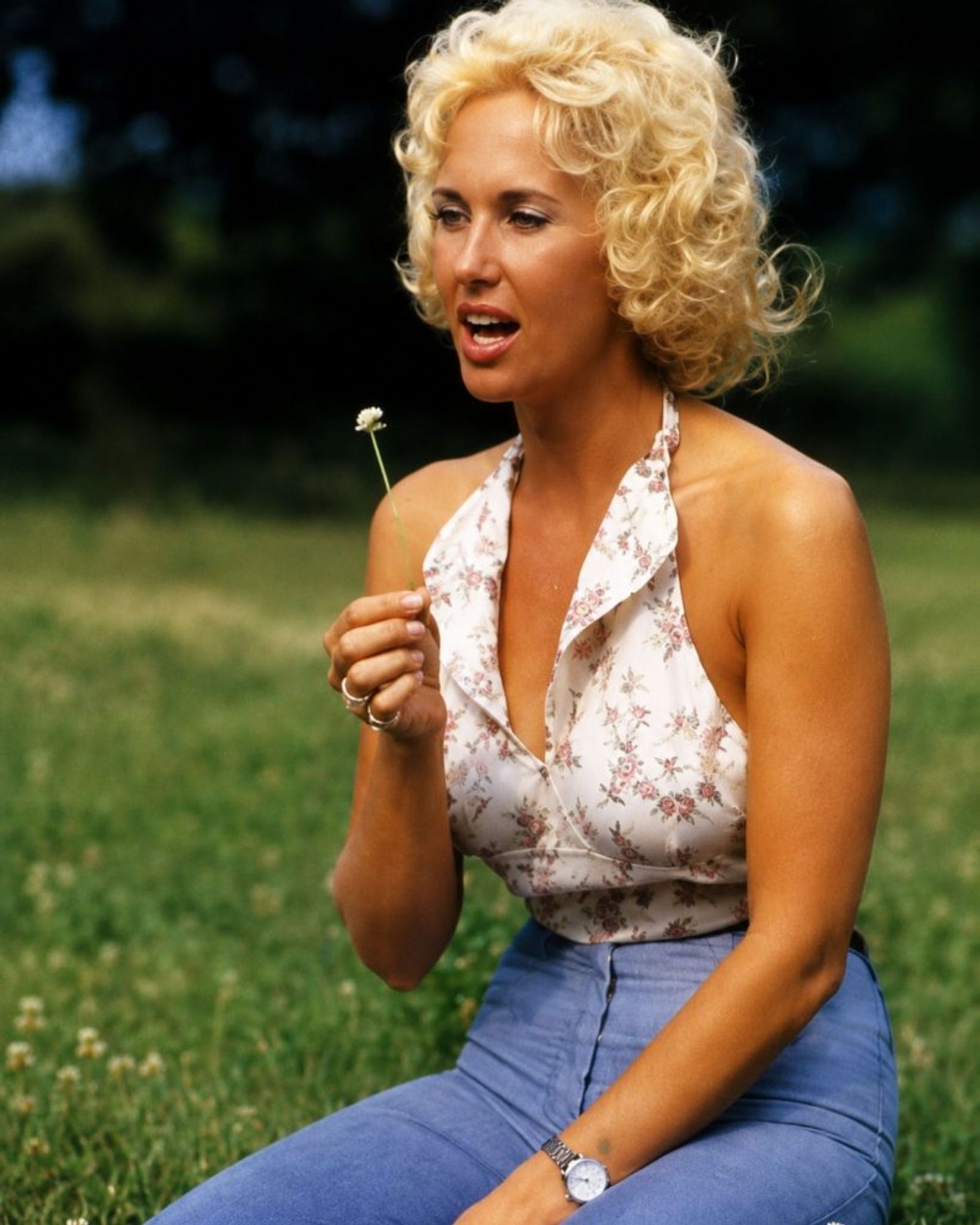
Just a mother trying to protect a child from a word that was already changing everything.
Then, almost immediately, Tammy gave the world a song that seemed to say the opposite.
Then Came “Stand By Your Man”
Later that same year, “Stand by Your Man” arrived.
Tammy wrote it with Billy Sherrill in a rush, building the song around loyalty, forgiveness, and the old country idea that love meant enduring the parts you could not fix.
It became her signature.
The song was enormous.
It traveled farther than any explanation ever could.
And for decades, people treated it like a commandment.
But songs are not always commands.
Sometimes they are contradictions set to melody.
One Song Was Leaving. One Song Was Staying.
“D-I-V-O-R-C-E” made Tammy the voice of women leaving.
“Stand by Your Man” made her the face of women staying.
Both songs became standards.
Both were sung by people who heard their own lives inside them.
And both followed Tammy into a life that was far messier than either title could hold.
Country music wanted one clean image.
The faithful wife.
The wounded mother.
The woman who endured.
The woman who left.
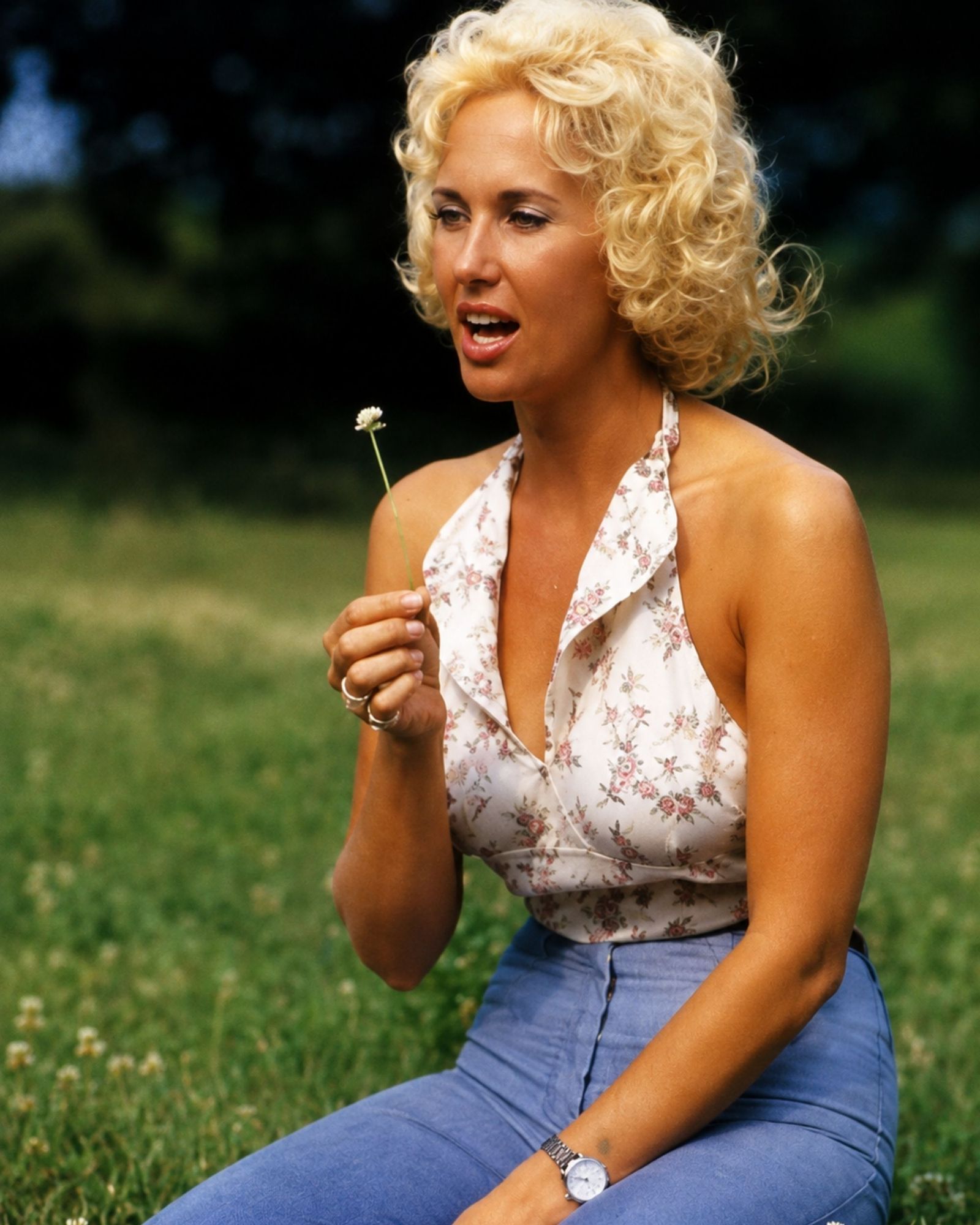
Tammy’s songs would not let anybody pick only one.
Her Own Life Refused To Stay Simple
Tammy Wynette was married five times.
She divorced George Jones after years of chaos.
She spent much of her later life fighting illness, pain, medication, and the impossible weight of being called the First Lady of Country Music.
That is why the two songs remain so powerful together.
They were not a neat philosophy.
They were two sides of the same human wound.
Sometimes love asks you to hold on.
Sometimes survival asks you to let go.
And sometimes a woman can understand both truths in the same year.
What Tammy Wynette Really Leaves Behind
The deepest part of this story is not only that Tammy had two of the biggest hits in country music.
It is that they refused to make womanhood simple.
A child hearing a word he was not supposed to know.
A mother spelling it out slowly.
A wife being told to stay.
A singer carrying marriage, divorce, illness, judgment, and public expectation into every note.
One song about leaving.
One song about staying.
And a life too complicated to be reduced to either one.
Country music wanted Tammy Wynette to give women one answer.
Instead, she gave them two songs — and neither one lied.
Video
Read more stories
- He Was Rejected By His Own Mom And Raised To Think ‘Women Are Evil’ But He Became A Legendary Rockstar
- TOBY KEITH RECORDED SOME OF THE BIGGEST PATRIOTIC ANTHEMS IN COUNTRY MUSIC HISTORY—BUT HIS REAL LEGACY WAS BUILT ON MILITARY BASES WHERE NO CAMERAS WERE ROLLING.
- [Video]: The One-Take Hit That Took Over Rock Radio
- The Box Tops’ “The Letter” Captures Lightning in a Bottle and Redefines Blue-Eyed Soul in 1967-2