News
One of those ‘dreamy’ songs that completely envelops your mind and soul – Her voice is so incredibly melodic
The article explores the timeless ballad “At Last” by Etta James, detailing its history, significance, and impact on music, as well as discussing Patsy Cline’s poignant song “Three Cigarettes in an Ashtray.”
“At Last” is a timeless ballad that became the signature song of American blues and soul singer Etta James.
Originally composed by Mack Gordon and Harry Warren for the 1941 musical film Sun Valley Serenade, the song was first performed by Glenn Miller and His Orchestra.
However, it was Etta James’s rendition, recorded in 1960, that transformed “At Last” into an enduring classic.
In 1960, at the age of 22, Etta James signed with Argo Records, a subsidiary of Chess Records.
Recognizing her versatile talent, producers Phil and Leonard Chess aimed to showcase her ability to cross over into the pop market.
They arranged for James to record a series of standards, with “At Last” being a standout track.
The recording sessions for “At Last” took place between January and October 1960.
Under the direction of Riley Hampton, the song was given a lush orchestral arrangement that complemented James’s powerful and emotive vocals.
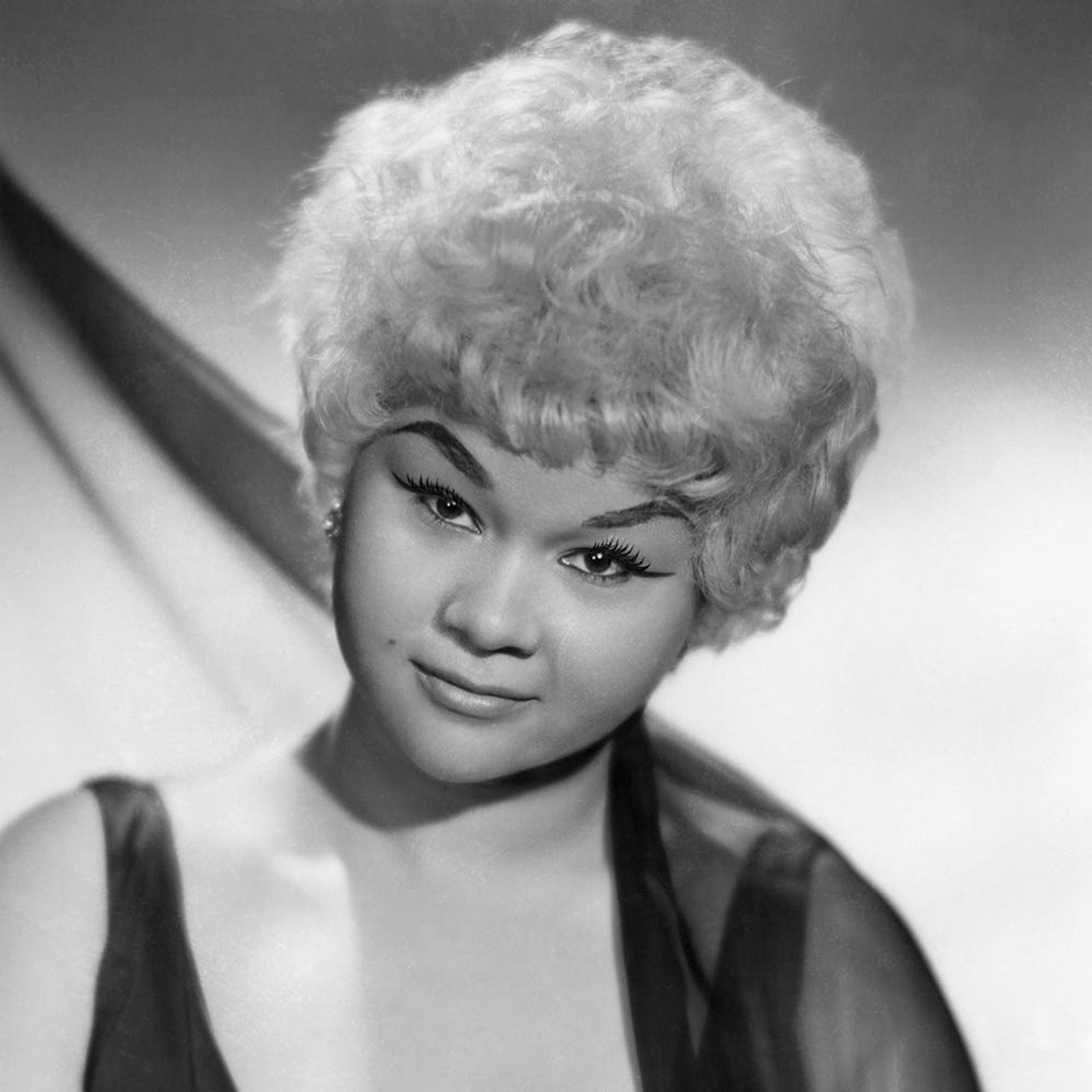
This blend of orchestration and soulful delivery created a unique sound that appealed to a broad audience.
Released in November 1960 as part of her debut studio album At Last!, the song quickly gained popularity.
In April 1961, it became her second number two R&B hit single and crossed over to pop radio, reaching number 47 on the Billboard Hot 100.
Despite its modest pop chart standing, the song is well-known and is still played regularly on oldies radio stations and has become a musical standard.
“At Last” has been widely covered by numerous artists across various genres, including Stevie Wonder, Beyoncé, Joni Mitchell, Leela James, Cyndi Lauper, Randy Crawford, Celine Dion, and Christina Aguilera.
Each rendition pays homage to James’s iconic performance, highlighting the song’s versatility and enduring appeal.
The song’s cultural significance was further cemented when it was inducted into the Grammy Hall of Fame in 1999, recognizing its lasting impact on the music industry.
In 2009, James’s version was inducted into the Library of Congress’ National Recording Registry.
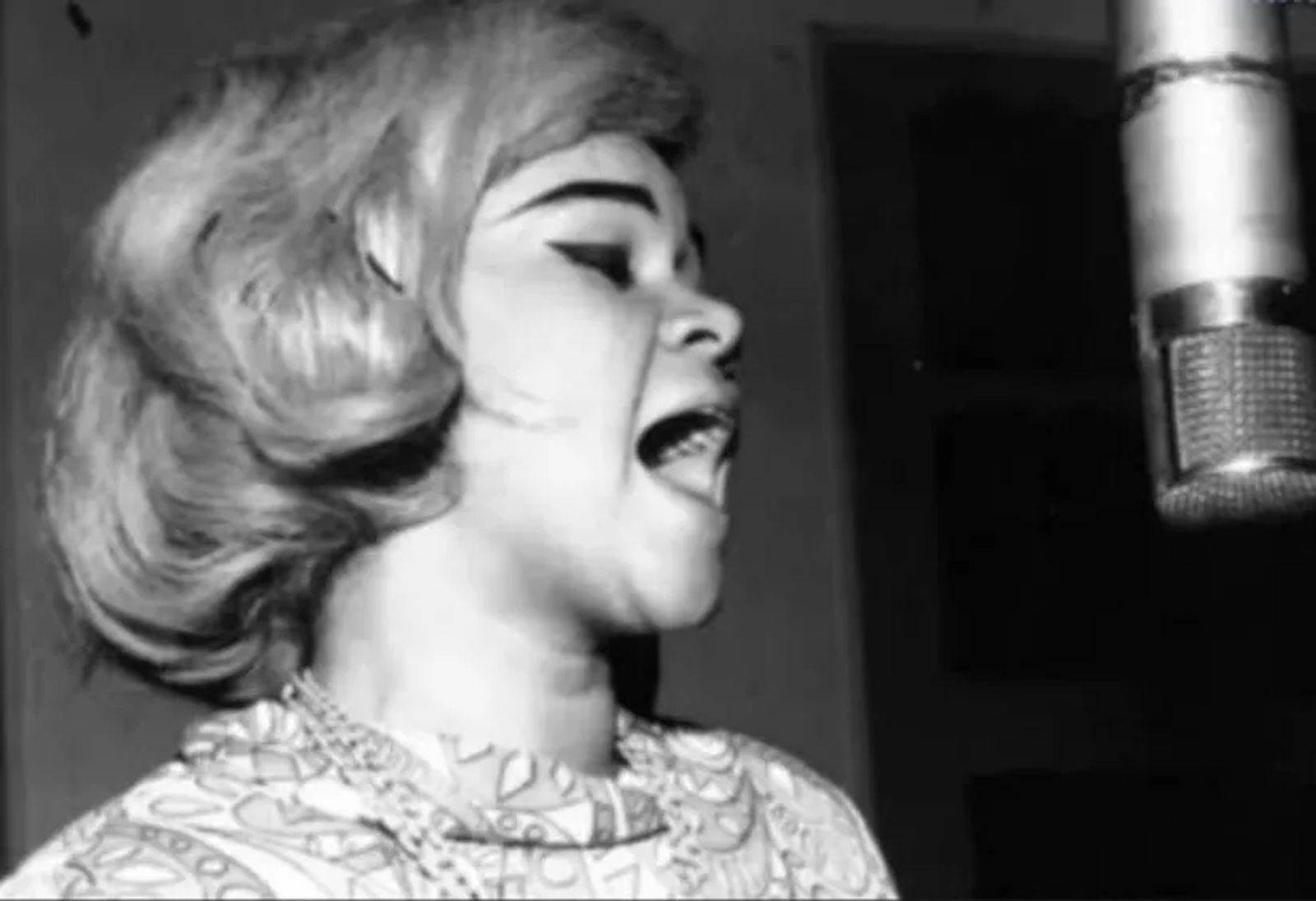
Additionally, in 2021, it was ranked at No. 115 on Rolling Stone’s “Top 500 Greatest Songs of All Time.”
Beyond its commercial success, “At Last” has become a staple at weddings and romantic events, symbolizing enduring love and commitment.
Its timeless lyrics and melody continue to resonate with listeners, making it a perennial favorite for special occasions.
Etta James’s emotive delivery and the song’s orchestral arrangement have left an indelible mark on the music world.
“At Last” remains a testament to James’s talent and the songwriters’ craftsmanship, continuing to captivate audiences decades after its release.
For those wishing to experience this classic, Etta James’s performance of “At Last” is available on various streaming platforms, allowing new generations to appreciate its beauty and significance.
In summary, “At Last” stands as a monumental piece in music history, exemplifying the seamless blend of soulful vocals and orchestral arrangements.
Etta James’s rendition has transcended time, solidifying its place as one of the most cherished love songs ever recorded.

Released in the late 1950s, this song turns a quiet detail into a moment of devastating clarity. No shouting, no accusations—just one glance, and everything changes. Decades later, that restrained heartbreak still lingers in the air.
In the early 1950s, Patsy Cline recorded “Three Cigarettes in an Ashtray,” a song that quietly revealed the emotional depth and vulnerability that would later define her legacy as one of country music’s most unforgettable voices.
Released in 1957 as her debut single, the song did not become a major hit at the time, yet it carried all the hallmarks of Patsy Cline’s future greatness—heartache, restraint, and an aching honesty that lingered long after the final note faded.
Written by Eddie Miller and W.S. Stevenson, “Three Cigarettes in an Ashtray” tells a simple but devastating story of betrayal, told through a small, intimate image.
Two people sit together, sharing drinks and conversation, until the narrator notices three cigarettes burning in the ashtray.
In that quiet moment, the truth becomes unavoidable.
Someone else has been there.
The song’s power lies in its subtlety, using everyday objects to convey emotional collapse rather than dramatic confrontation.
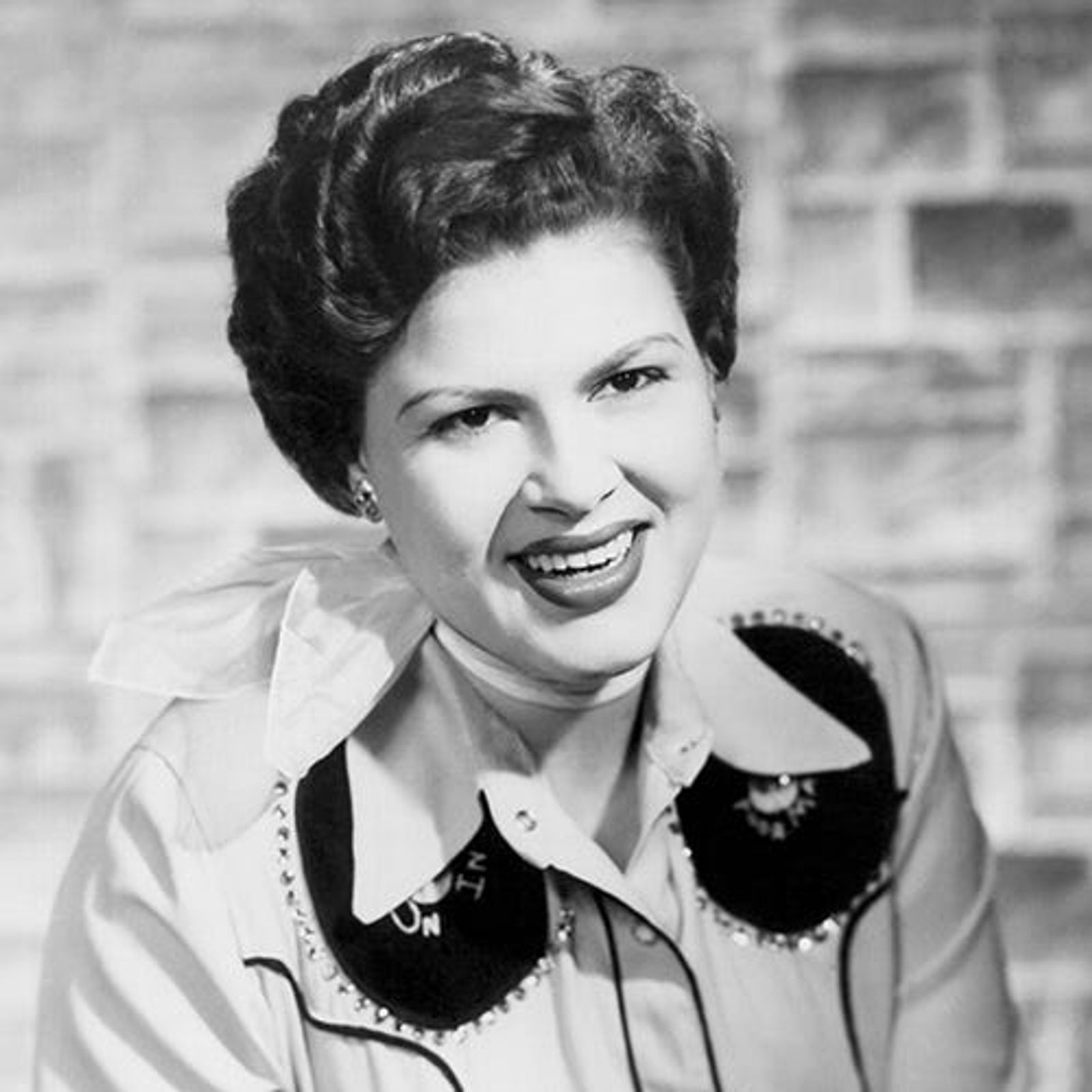
This kind of storytelling was deeply rooted in traditional country music, but Patsy Cline’s delivery elevated it beyond genre boundaries.
Born Virginia Patterson Hensley in 1932, Patsy Cline grew up in Winchester, Virginia, surrounded by hardship and resilience.
Her childhood was marked by financial struggle and personal loss, experiences that would later give her voice its unmistakable emotional weight.
By the time she entered the recording studio as a young woman, she already possessed a rare ability to convey pain without exaggeration.
In “Three Cigarettes in an Ashtray,” her voice is controlled, almost calm, yet heavy with unspoken hurt.
She does not accuse or plead.
She simply observes.
That restraint makes the heartbreak feel more real, more human.

At the time of the recording, Patsy Cline was still finding her place in the industry, working with producer Paul Cohen at Decca Records.
The arrangement is spare and understated, featuring gentle instrumentation that allows her voice to remain the emotional centerpiece.
There are no dramatic flourishes, no soaring crescendos—only a steady, mournful pace that mirrors the slow realization of betrayal.
Although the song failed to chart upon release, it would later be recognized as an early glimpse of Cline’s extraordinary interpretive skill.
In hindsight, “Three Cigarettes in an Ashtray” feels like a quiet prologue to the more polished, orchestral heartbreak she would deliver in later classics such as “Crazy,” “I Fall to Pieces,” and “She’s Got You.”
What sets this song apart is its intimacy.
It feels less like a performance and more like a confession overheard late at night, when emotions surface without restraint.
The listener is not pushed to feel sorrow; instead, they are invited to sit with it.
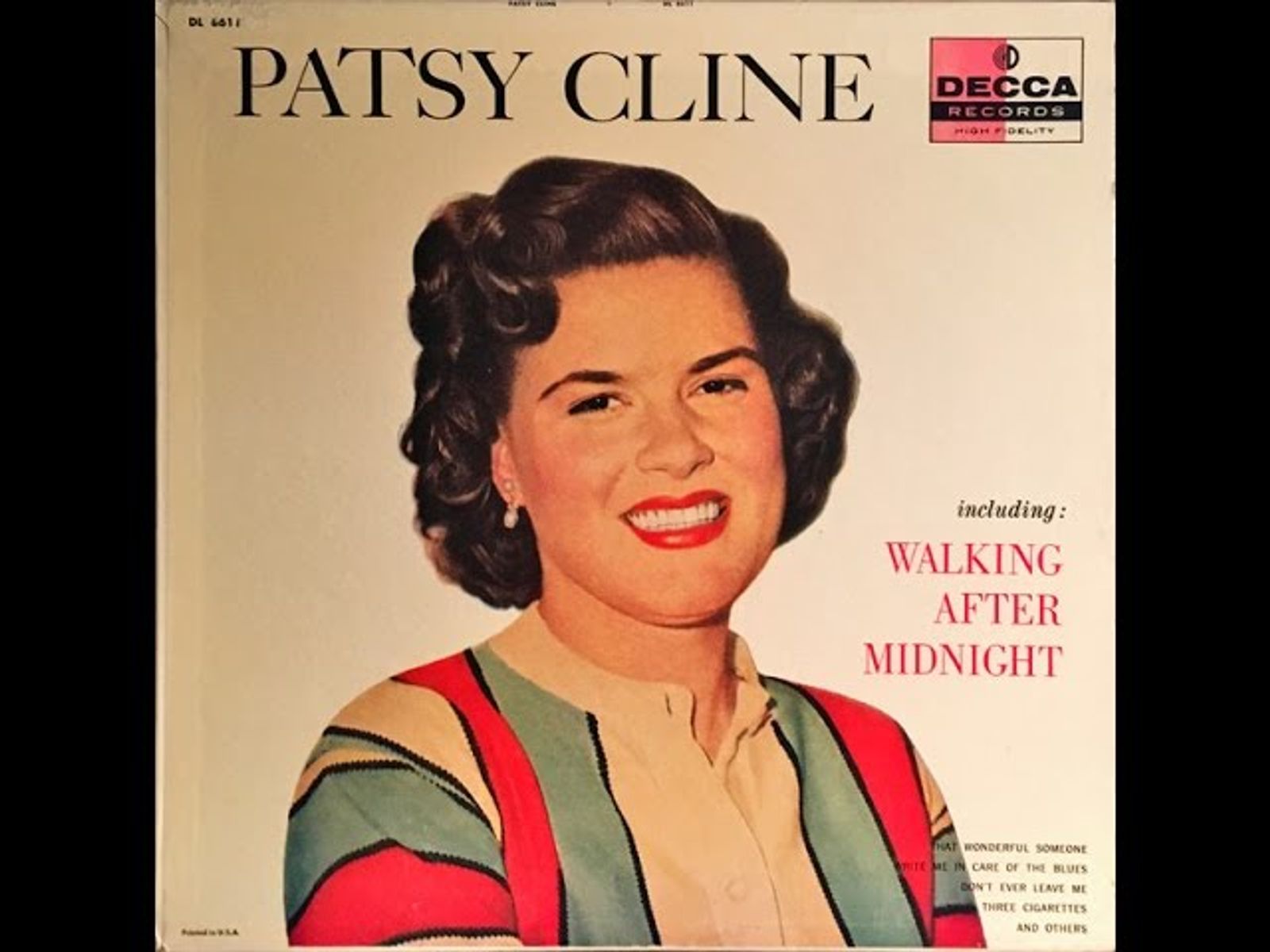
This emotional realism became one of Patsy Cline’s defining traits.
As her career progressed into the late 1950s and early 1960s, she would help reshape country music’s relationship with pop, much like Dean Martin did from the opposite direction.
Yet even as her sound grew more sophisticated, the emotional core remained unchanged.
“Three Cigarettes in an Ashtray” stands as proof that long before fame and chart success, Patsy Cline already understood how to make heartbreak sound timeless.
After her tragic death in a plane crash in 1963 at the age of 30, listeners began revisiting her early recordings with renewed appreciation.
Songs that once went unnoticed gained new meaning, revealing the full arc of an artist whose talent far exceeded her brief lifetime.
Today, “Three Cigarettes in an Ashtray” is often cited as one of her most haunting early performances.
It is not her most famous song, nor her most technically impressive, but it captures something essential—an artist learning how to tell the truth through music.
The song continues to resonate because its theme is universal.
Heartbreak rarely announces itself loudly.
Sometimes, it reveals itself in silence, in small details, in something as ordinary as an extra cigarette burning in an ashtray.
More than half a century later, Patsy Cline’s voice still carries that moment with quiet dignity and emotional clarity.
“Three Cigarettes in an Ashtray” remains a reminder that great songs do not always need grand gestures.
Sometimes, all they need is honesty, restraint, and a voice capable of making the smallest detail feel unforgettable.