
News
Merle Haggard Never Stopped Running From the Quiet

Merle Haggard Never Stopped Running From the Quiet
From a troubled youth and a prison sentence at San Quentin to a towering career in country music, Merle Haggard turned hardship into songs that defined working-class American life—even as he privately feared the silence that waited when the noise died down.
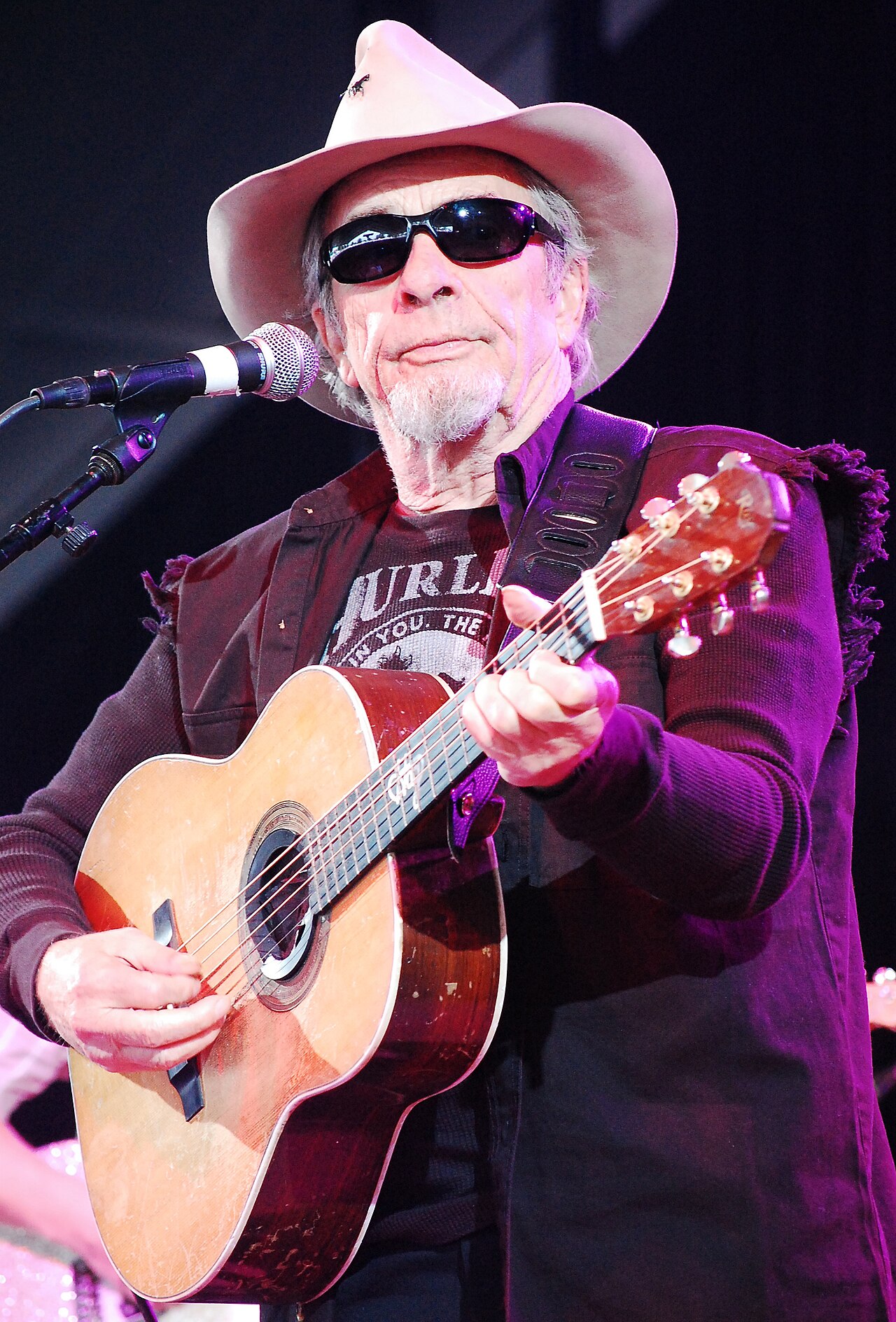
A confession that reframed a legend
Near the end of his life, Merle Haggard offered a confession that cut through decades of mythmaking. Here was a man associated with toughness, survival and self-invention, yet what he admitted was not fear of scandal, irrelevance or the stage. It was loneliness. It was the prospect of stillness. For an artist whose life had been propelled by motion, music and memory, silence may have been the most unsettling thing of all.
That admission lands differently because of everything Haggard represented in American culture. He was not simply a hitmaker with a towering catalog. He was one of country music’s great autobiographical voices, a songwriter who drew from prison, poverty, loss, labor and regret without sanding away the rough edges. To hear him speak plainly about quiet was to understand that the man behind the songs had spent a lifetime trying to stay ahead of it.
“I’m scared of the loneliness. It’ll get awful quiet, awful quick.”
From Bakersfield hardship to San Quentin
Merle Haggard’s early life has long been central to his legend because it shaped the emotional vocabulary of his music. Raised in Bakersfield, California, after his family migrated west during the Depression era, Haggard grew up amid instability and grief. The death of his father when he was still a boy left a deep wound, and his adolescence turned increasingly troubled, marked by rebellion, reform school stints and run-ins with the law.
By the time he entered San Quentin as a young man, Haggard had already lived through the kind of chaos that later gave his songs their authority. Prison did not instantly redeem him, but it became a turning point. The experience exposed him to discipline, consequence and the hard truth of wasted years. When he walked out at 23, he carried with him more than a criminal record. He carried a perspective that would become the foundation of one of country music’s most distinctive bodies of work.
Turning regret into song
What made Haggard extraordinary was not merely that he survived his past, but that he transformed it into art with uncommon directness. Songs such as “Mama Tried” did not feel like polished morality tales. They sounded lived in. He sang as someone who understood guilt from the inside, and who knew that love from family or faith did not automatically spare a person from bad decisions. That honesty became his signature.
Haggard’s songwriting repeatedly returned to themes of freedom, responsibility, work, alienation and memory. His records gave voice to people who rarely heard their lives reflected with such complexity in popular music. He could be politically provocative, deeply tender, funny, restless or haunted, often within the same stretch of a career. The result was a catalog that connected because it felt emotionally earned rather than theatrically performed.
The sound of a working America
Haggard emerged as one of the defining figures of the Bakersfield sound, a style that pushed back against the lush polish of Nashville with a leaner, sharper attack. The music fit him. It was direct, rhythmic and unsentimental, built for songs that told the truth fast. His voice, expressive without excess, made even familiar country themes feel newly personal.
Over time, that sound helped make him more than a star. It made him a chronicler of a particular American experience. Haggard sang for laborers, drifters, ex-cons, skeptics and people trying to hold their dignity together through disappointment. He understood patriotism and protest, pride and shame, nostalgia and unease, and he put those contradictions into songs that continue to resonate far beyond their original era.
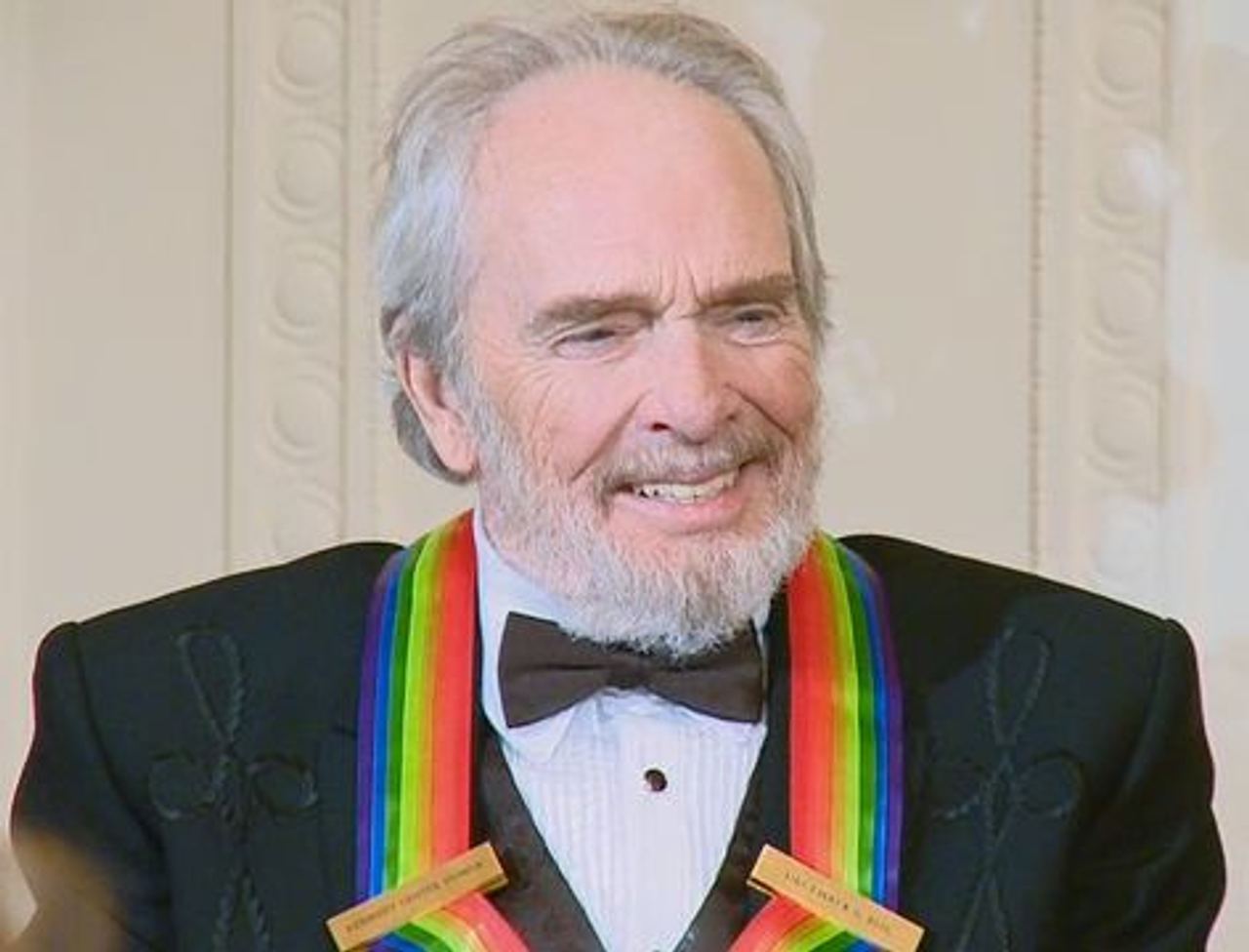
Success could not erase the shadows
By any conventional measure, Haggard outran the life that once seemed poised to destroy him. He became one of country music’s most decorated and influential figures, recording a long line of hits and earning the respect of peers across generations. Yet success did not erase the emotional weather that had always moved through his work. If anything, age seemed to sharpen his awareness of what fame could not fix.
That is part of why his late-life reflections feel so revealing. The fear of loneliness was not a contradiction of his public image so much as its missing key. Haggard’s life had been defined by noise—tour buses, bands, crowds, studios, applause, stories retold until they hardened into legend. The silence that threatened at the edges was not empty; it was crowded with memory. For a man who had spent decades singing his way through pain, quiet may have meant having to face it without accompaniment.
Why Merle Haggard still matters
Haggard endures because his music refuses easy simplification. He was never only the outlaw, never only the traditionalist, never only the political lightning rod, never only the redeemed prisoner made good. He was all of those things and more, often at once. That complexity is exactly why his songs still feel alive. They do not offer a cleaned-up American story. They offer one with consequences.
In the end, the image of Haggard sitting quietly and speaking honestly about loneliness may be as important as any accolade attached to his name. It reminds listeners that the man who seemed to embody resilience also understood fragility. The distance from San Quentin to country immortality was immense, but it did not cancel the inner struggles that traveled with him. What he left behind is not just a stack of classic songs. It is a body of work that tells the truth about survival: sometimes you escape the cell, and sometimes you spend the rest of your life trying to outrun the silence.
Quick Facts
- Full name: Merle Haggard
- Known for: Country singer-songwriter and key architect of the Bakersfield sound
- Signature songs: “Mama Tried,” “Okie from Muskogee,” “The Fightin’ Side of Me”
- Early turning point: Time served at San Quentin State Prison as a young man
- Career distinction: Widely recognized as one of country music’s most influential artists, with 38 No. 1 hits
Image credits: whittlz at https://www.flickr.com/photos/whittlz/ / Wikimedia Commons / CC BY-SA 3.0; U.S. federal government / Wikimedia Commons / Public domain.