
Celebrities & Music
Marvin Gaye’s ‘What’s Going On’ Redefines Protest Music and Soulful Storytelling in 1971
This article explores Marvin Gaye’s “What’s Going On” as a groundbreaking protest song that reshaped soul music, then continues through several music retrospectives on songs like “Day Is Done,” “God Only Knows,” and “The Gambler.”

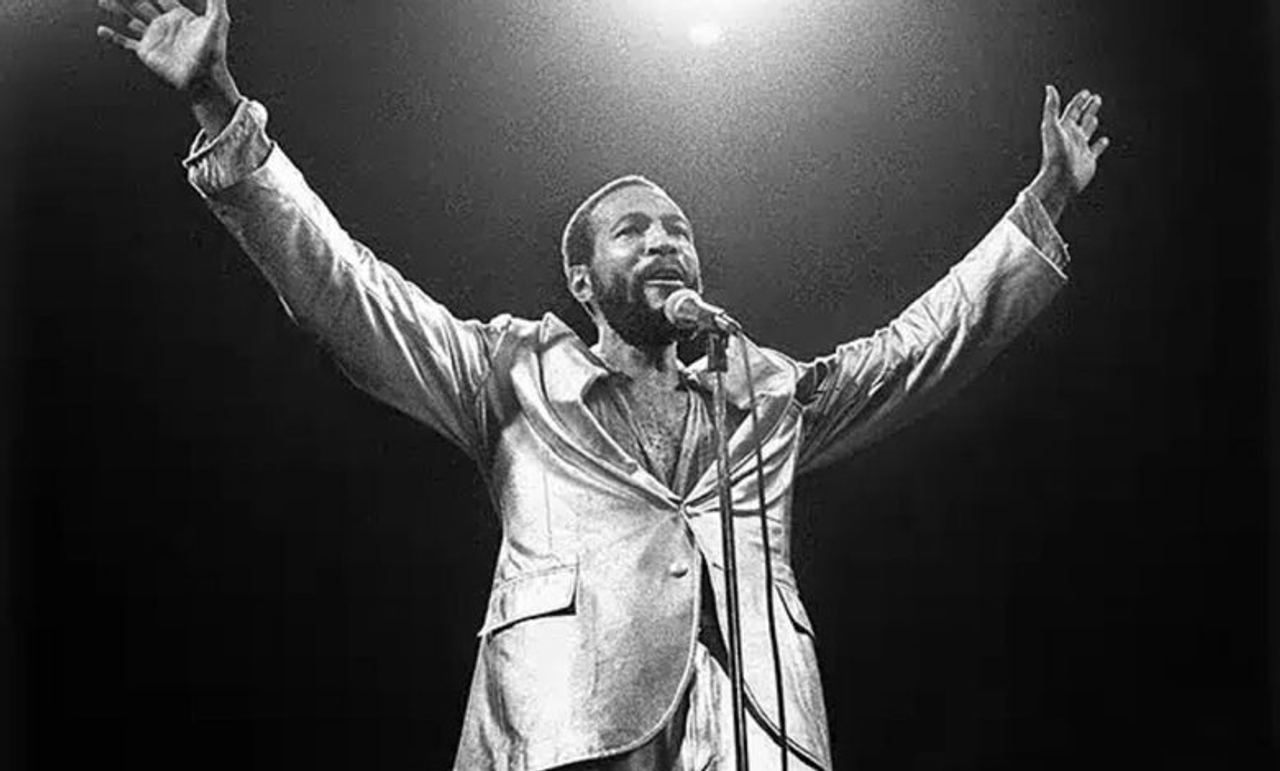
When Marvin Gaye released What’s Going On in 1971, he didn’t just deliver another hit—he shifted the emotional and cultural direction of soul music. Moving away from Motown’s polished love songs, Gaye introduced something deeper, driven by pain, reflection, and urgency. The track quickly climbed to No. 2 on the Billboard Hot 100 and topped the R&B charts, but its real impact went far beyond numbers.
Inspired in part by Renaldo ‘Obie’ Benson after witnessing social unrest, the song became a plea for understanding in a fractured America. Gaye layered his vocals to create a haunting, almost conversational tone, while subtle jazz influences and orchestration added emotional weight. Even Berry Gordy initially resisted its release, fearing controversy—but Gaye refused to back down.
“Mother, mother, there’s too many of you crying.”
That single line transformed the song into something timeless—a question that still echoes across generations.
As the song gained momentum, it opened the door to a new era of “conscious soul,” influencing artists like Stevie Wonder and Curtis Mayfield. It also gave Gaye the creative freedom to craft the full What’s Going On album, now widely considered one of the greatest records ever made.
The song’s emotional core was deeply personal. Still grieving the loss of Tammi Terrell and shaken by the Vietnam War era, Gaye poured his soul into every note. What emerged wasn’t loud protest—it was quiet heartbreak.
This wasn’t a protest that shouted—it was one that wept.
Decades later, its influence continues to ripple through artists like Lauryn Hill and Kendrick Lamar. Though Gaye’s life ended tragically, the song endures as a powerful reminder that sometimes the most important thing we can do is ask the question—and truly listen.
1 minute read
Continue reading
A Quiet Reflection on a Changing World: The Story Behind “Day Is Done” (1969)
When Peter, Paul and Mary released “Day Is Done” in 1969, they didn’t try to compete with the chaos of the era. Instead, they stepped away from it, creating a song that felt intimate, thoughtful, and quietly emotional.
At first, the melody seems comforting in its simplicity. Acoustic guitar drifts gently beneath soft harmonies, while the arrangement moves with almost meditative calm. But beneath that warmth is something heavier—a quiet recognition of uncertainty, exhaustion, and emotional weight.
“It doesn’t ask for answers. It simply asks you to stop and listen.”
Mary Travers’ voice becomes the emotional center of the song. Calm yet deeply expressive, she delivers each line with a sincerity that feels untouched by performance. Peter Yarrow and Paul Stookey surround her with harmonies that feel less like accompaniment and more like reassurance.
Rather than offering dramatic statements or protest-driven urgency, “Day Is Done” takes another path entirely. It acknowledges confusion without trying to solve it. That restraint is exactly what gives the song its lasting power.
Related Topics:
Click to comment
The Song Many Musicians Call The Greatest Love Song Ever Written!
When The Beach Boys released “God Only Knows” in 1966, popular music was entering one of its most creative periods. Yet even among the incredible songs being released during that era, this recording stood apart.
Written primarily by Brian Wilson and Tony Asher, the song approached love with remarkable vulnerability. Rather than making grand promises, it expressed gratitude, devotion, and emotional dependence in a way listeners had rarely heard before.
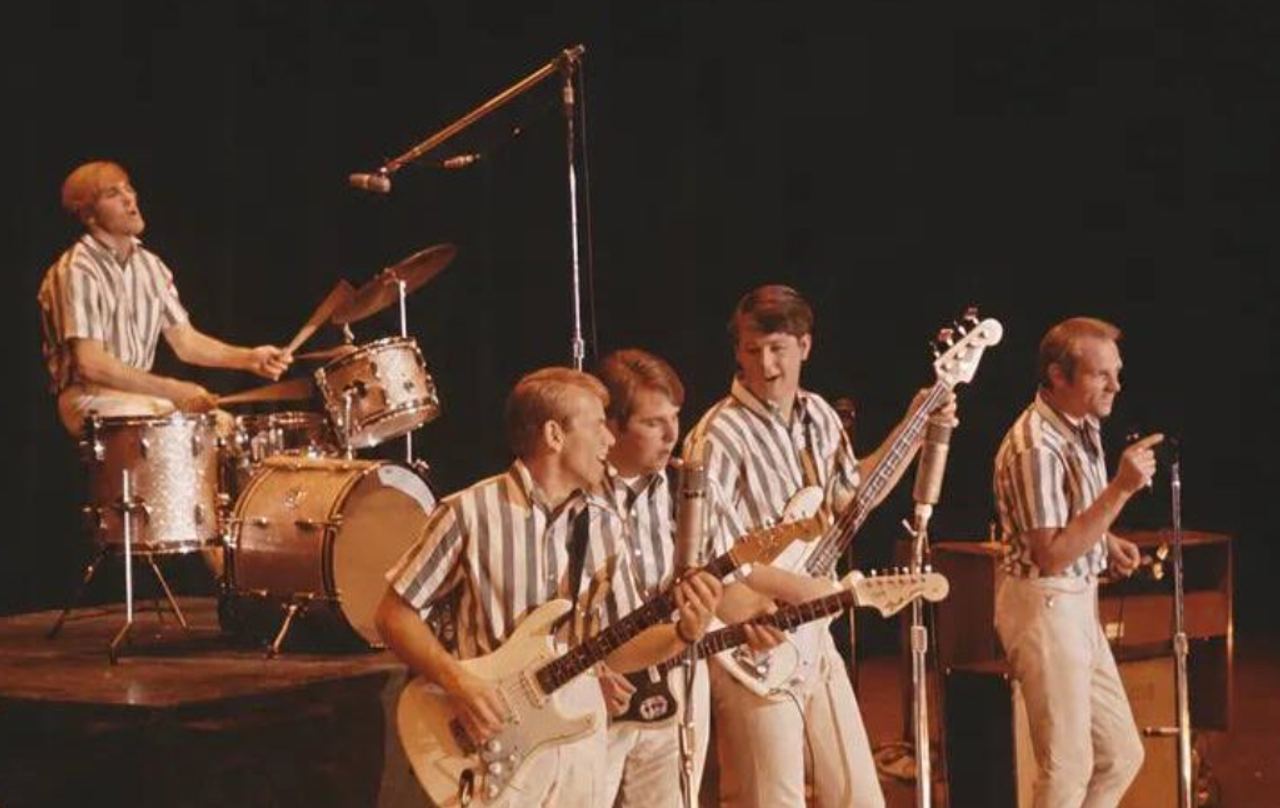
The recording itself was groundbreaking. Wilson employed sophisticated arrangements, layered harmonies, and innovative production techniques that pushed the boundaries of what pop music could accomplish.
Although it wasn’t initially the band’s biggest commercial hit, its reputation grew steadily over time. Musicians, critics, and historians increasingly recognized it as one of the greatest achievements in modern songwriting.
Today, “God Only Know” is frequently ranked among the greatest songs ever recorded. Its emotional sincerity, beautiful melody, and timeless message continue touching listeners across generations. For many people, it isn’t simply a song—it’s a reminder of how powerful music can be when it comes from the heart.
This Song Taught Life Lessons Millions of Americans Never Forgot
Some songs entertain us for a few minutes.
Others stay with us for a lifetime.
This is one of those songs.
For decades, listeners have returned to it again and again—not just because of its melody, but because of the wisdom hidden within its story.
The song didn’t rely on flashy effects or complicated lyrics.
Instead, it told a simple story.
A story about life.
A story about choices.
A story about knowing when to hold on and when to let go.
When the song was released in the late 1970s, few could have predicted the impact it would have on American culture.
Listeners immediately connected with its message.
The song felt authentic.
It felt real.
And perhaps most importantly, it felt relatable.
Whether people were facing challenges in their careers, relationships, or personal lives, many found meaning in its words.
As the years passed, the song became more than just a hit.
It became part of everyday conversation.
Its famous advice was quoted by parents, friends, coaches, and coworkers.
People repeated its lessons because they seemed to apply to so many situations in life.
That’s a rare achievement for any song.

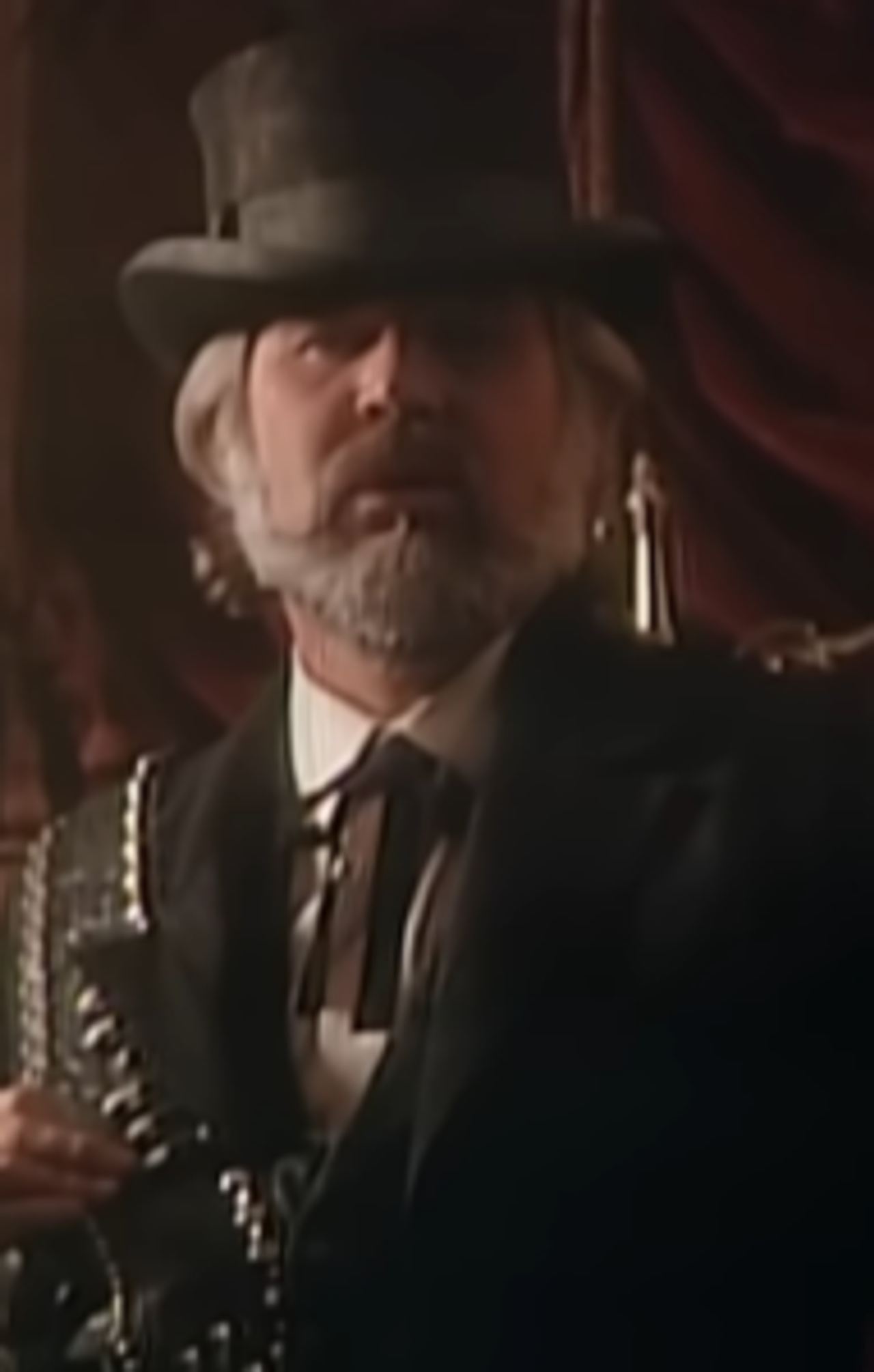
The song was “The Gambler.”
Performed by Kenny Rogers, it would become one of the most iconic country songs ever recorded.
Kenny Rogers possessed a unique ability to tell stories through music.
His warm voice and storytelling style made listeners feel as though they were sitting across from an old friend sharing life lessons.
“The Gambler” became his signature song and helped cement his place in music history.
Even people who weren’t country music fans often knew every word.
That’s how powerful the song became.
Today, decades after its release, “The Gambler” remains one of the most beloved songs ever recorded.
Its message continues to resonate with new generations.
And its lessons remain as relevant today as they were when the song first reached listeners.
Very few songs can claim that kind of legacy.
Do you remember the first time you heard “The Gambler”?
And what’s the most important life lesson you’ve learned along the way?
Read more stories
- My stepfather spent years terrorizing my twin sister and me because watching us live in fear was the only thing that seemed to satisfy him
- Part 2 My husband hurled a dinner plate at my head because I refused to give his mother my apartment and pay her $1,200 every month.
- The most feared man in New York unknowingly spent an entire flight sitting beside the little girl he had been searching for without even realizing she was his daughter. When she looked at me and asked, “Have you ever loved someone enough to ruin your own life?” I thought it was just an innocent question. Then the plane hit violent turbulence, and I found myself holding the hand of the child whose mother had hidden her from me for six long years.
- While eight months pregnant, the divorce judge stripped me of everything. My husband smirked and delivered the cruelest blow: “Let’s see how you and that baby survive without me.”