
Celebrities & Music
LORRIE MORGAN SANG AT THE OPRY AT THIRTEEN. THREE YEARS LATER, HER FATHER WAS GONE.
Lorrie Morgan, a country music star, reflects on her early days performing at the Grand Ole Opry with her father, George Morgan, and how his passing shaped her journey in the music industry.

Lorrie Morgan was born into a country music family before she understood what that meant.
Her father was George Morgan — the smooth-voiced Grand Ole Opry singer behind “Candy Kisses,” a man who knew the Opry hallways, the radio rooms, the musicians, and the quiet rules of Nashville long before his daughter ever stood under its lights.
At home, Lorrie sang because that was what the family did.
Then, at thirteen, George brought her onto the Grand Ole Opry stage. She sang “Paper Roses.” It was not a contest. It was not a child-star introduction with cameras waiting to turn it into a headline. It was a young girl standing in the room her father had spent his life trying to earn.
For a few minutes, she had him beside her.
Three years later, George Morgan died of a heart attack. Lorrie was sixteen. The man who had introduced her to the Opry was suddenly gone, and the stage he had made familiar became something heavier. She still had the name. She still had the voice people said carried pieces of his. But she no longer had the person who could tell her which door to use, who to trust, or whether she was ready for the next song.
So she kept working. She sang at clubs around Nashville. She sang wherever there was a band willing to let a young woman step up and prove she belonged. There were years when George Morgan’s daughter was easier to remember than Lorrie Morgan herself. Then the records began to change that.
“Trainwreck of Emotion.” “Five Minutes.” “What Part of No.” By the time she became one of country music’s defining female voices of the 1990s, she was no longer standing in her father’s shadow. But the Opry never stopped holding the first picture. A thirteen-year-old girl singing “Paper Roses” while George Morgan was still somewhere close enough to hear every word.
Then George Took Her To The Opry
At thirteen, Lorrie stood on the Grand Ole Opry stage and sang “Paper Roses.”
Her father had brought her there.
It was not a contest.
It was not a child-star launch with cameras waiting to turn her into a headline.
It was a young girl standing in the room her father had spent his life earning the right to enter.
For a few minutes, George Morgan was still close enough to hear every word.
That first picture stayed.
Three Years Later, The Room Changed
George Morgan died of a heart attack when Lorrie was sixteen.
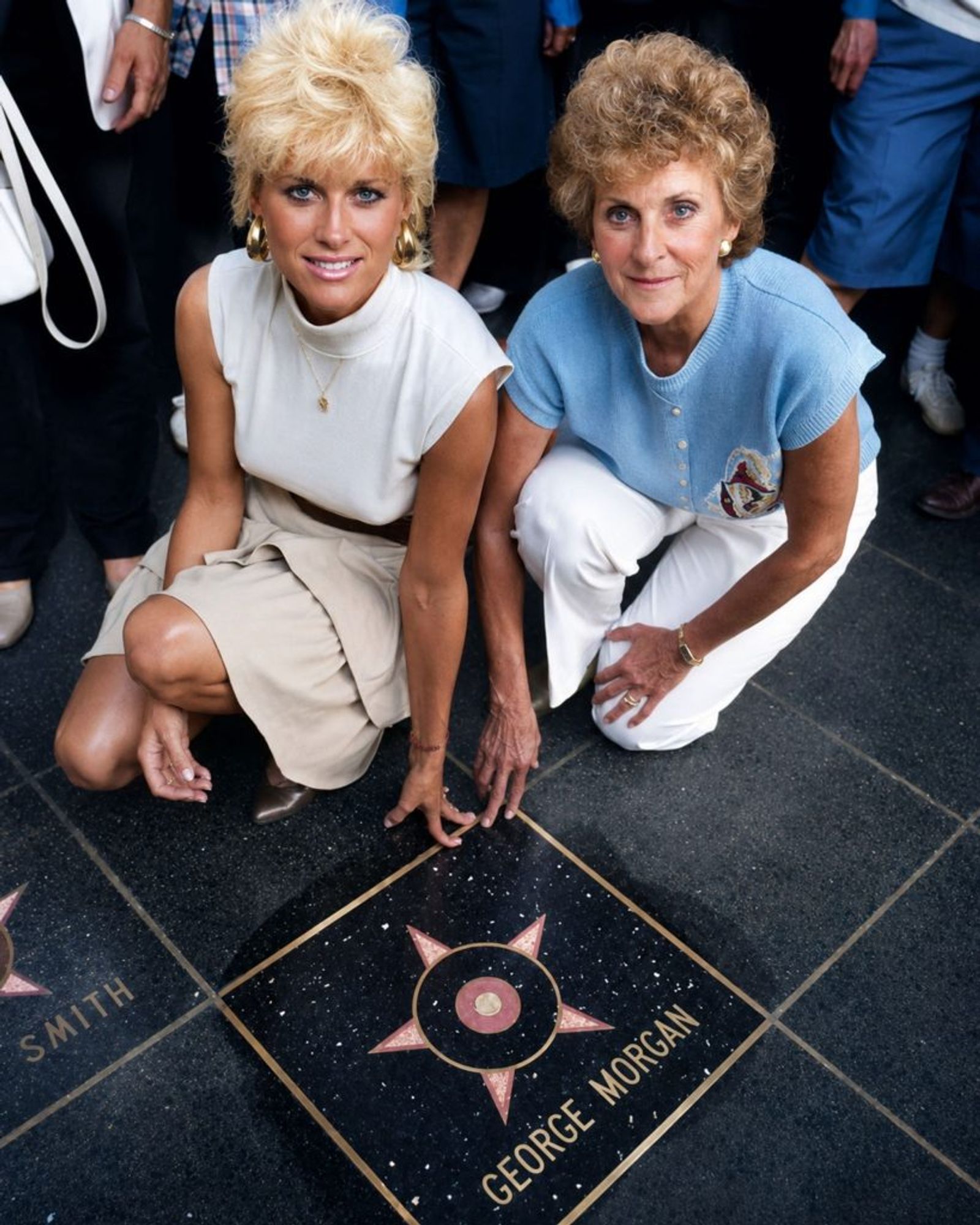
The man who had introduced her to the Opry was suddenly gone.
And the stage he had made familiar became heavier.
She still had the name.
She still had the voice people said carried pieces of his.
But she no longer had the person who could tell her which door to use, who to trust, or whether she was ready for the next song.
Grief does not always close a door.
Sometimes it leaves the door open and makes you walk through it alone.
She Kept Working
Lorrie sang in clubs around Nashville.
She sang anywhere a band would let a young woman step forward and prove she belonged.
There were years when “George Morgan’s daughter” was easier for people to remember than Lorrie Morgan herself.
But she kept showing up.
She kept learning rooms.
She kept finding the edge in her voice that could turn a line from heartbreak into something sharper.
Eventually, the records began to change the way people saw her.
Then Her Own Name Took The Marquee
“Trainwreck of Emotion.”
“Five Minutes.”
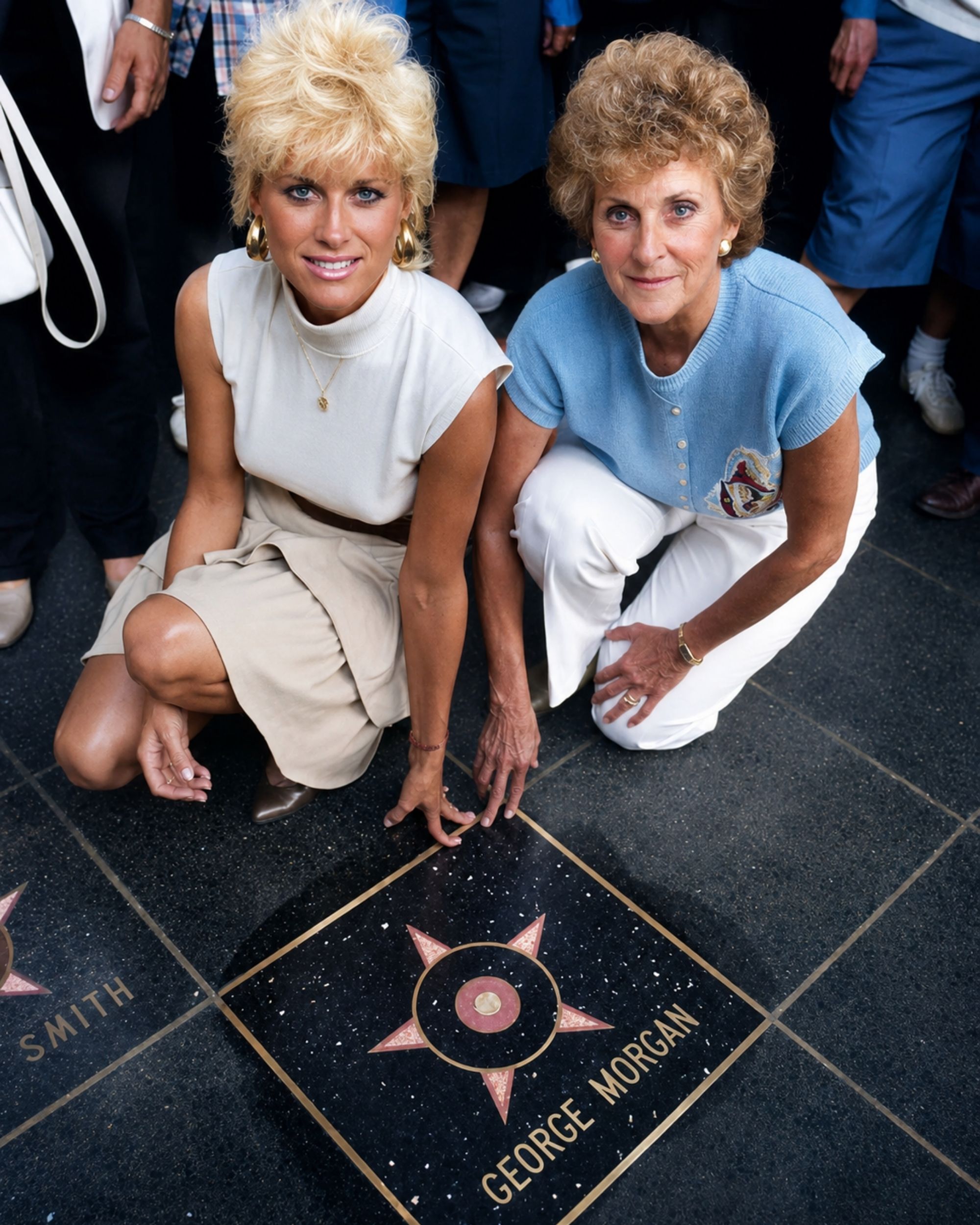
“What Part of No.”
By the time Lorrie Morgan became one of country music’s defining female voices of the 1990s, she was no longer standing in her father’s shadow.
She had built her own place in the songs.
Her own hurt.
Her own strength.
Her own way of making a listener believe every word had cost something to sing.
But the Opry never stopped holding the first image.
What That First Opry Night Really Leaves Behind
The deepest part of this story is not only that Lorrie Morgan became a country star.
It is that she first stood on the Opry stage as a child with her father still somewhere nearby.
A thirteen-year-old girl.
“Paper Roses.”
The Grand Ole Opry.
A father who knew the room.
Three years before loss changed everything.
Then a young woman learning how to keep walking through Nashville without the man who had shown her the way in.
Lorrie Morgan eventually made the stage her own.
But somewhere inside the Opry’s history, there is still that first night — a little girl singing while George Morgan was close enough to hear every word.
Read more stories
- He Was Rejected By His Own Mom And Raised To Think ‘Women Are Evil’ But He Became A Legendary Rockstar
- TOBY KEITH RECORDED SOME OF THE BIGGEST PATRIOTIC ANTHEMS IN COUNTRY MUSIC HISTORY—BUT HIS REAL LEGACY WAS BUILT ON MILITARY BASES WHERE NO CAMERAS WERE ROLLING.
- [Video]: The One-Take Hit That Took Over Rock Radio
- The Box Tops’ “The Letter” Captures Lightning in a Bottle and Redefines Blue-Eyed Soul in 1967-2