
Celebrities & Music
LORETTA LYNN TOLD HER LITTLE SISTER NOT TO SING LIKE HER. YEARS LATER, THE WHOLE WORLD KNEW CRYSTAL GAYLE BY A VOICE LORETTA COULD NEVER HAVE MADE.
The article discusses the relationship between Loretta Lynn and her sister Crystal Gayle, highlighting how Loretta’s advice shaped Crystal’s unique musical identity and success in country music.

Crystal Gayle was born Brenda Gail Webb in Kentucky, nineteen years after Loretta Lynn.
By the time Crystal was old enough to understand what country music could do, Loretta was already gone from home, married, raising children, and beginning the climb that would turn a coal miner’s daughter into one of the biggest names in Nashville. Crystal did not grow up sharing a bedroom with Loretta or standing beside her at the kitchen table. She grew up hearing what her sister had become.
That kind of family name could open a door. It could also leave a younger singer trapped in the doorway.
Loretta helped Crystal get her first record deal in 1970. At first, the records leaned toward the same hard country sound Loretta had made famous. But the comparison came fast. Every song was measured against the older sister. Every note sounded like it was being asked whether it belonged to Loretta’s world.
Loretta gave her a simple warning. Do not sing my songs. Do not sing anything I would sing.
Crystal listened. She left the old formula behind, signed with United Artists, and began working with producer Allen Reynolds. The sound changed. Softer. Smoother. More space around the voice. It still had country in it, but it carried itself differently — closer to late-night radio than a Saturday-night honky-tonk.
Then came “Don’t It Make My Brown Eyes Blue.” Released in 1977, the song did not sound like Loretta Lynn. It did not need to. Crystal sang it with a calm that made the hurt feel almost private. No warning shot. No fist on the table. Just a woman looking at somebody she loved and realizing the leaving had already happened.
The record went to No. 1 on the country chart. It crossed onto pop radio. It won Crystal a Grammy. Her album We Must Believe in Magic became the first by a female country artist to go platinum.
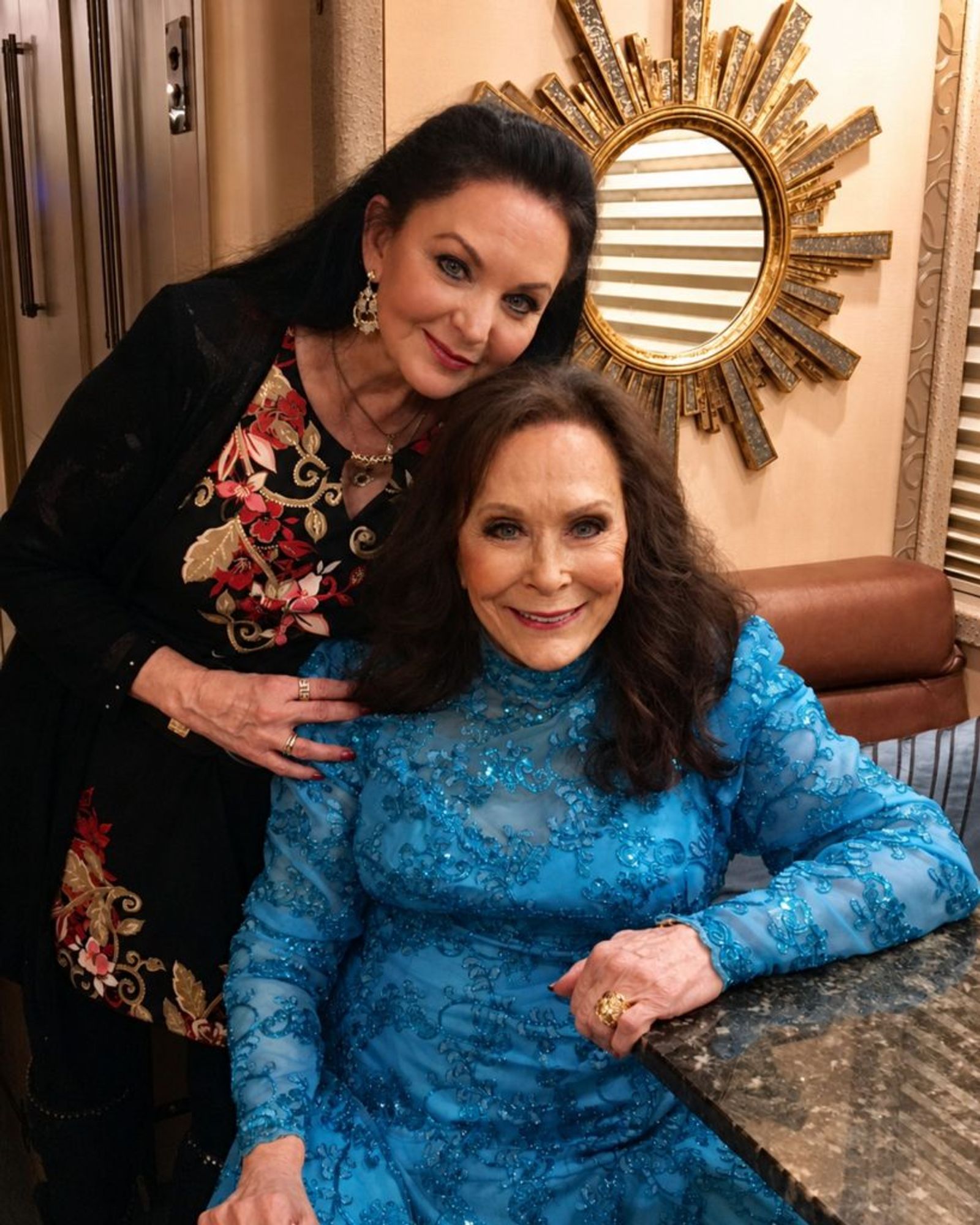
And the long hair stayed. It fell nearly to the floor, becoming part of the image people remembered first. But the real escape had happened before the hair became famous. Crystal Gayle had kept the family name close enough to honor it. Then she built a sound no one could confuse with Loretta’s.
A Famous Name Can Open A Door — And Block It
Loretta helped Crystal get her first record deal in 1970. At first, the records leaned toward the same hard country sound Loretta had made famous. The comparison came fast. Every song was measured against the older sister. Every note seemed to be asked the same question. Does she sound like Loretta?
That can be a dangerous place for a younger artist. A family name may get you through the first door. But it can leave you trapped there.
Loretta Gave Her One Clear Warning
Loretta told her sister not to sing her songs. Not to sing anything Loretta herself would sing. It was not rejection. It was permission. Permission to stop chasing a sound that had already been claimed. Permission to find a voice that belonged to Brenda Gail Webb, not to “Loretta Lynn’s little sister.”
Crystal listened.
Then The Sound Changed
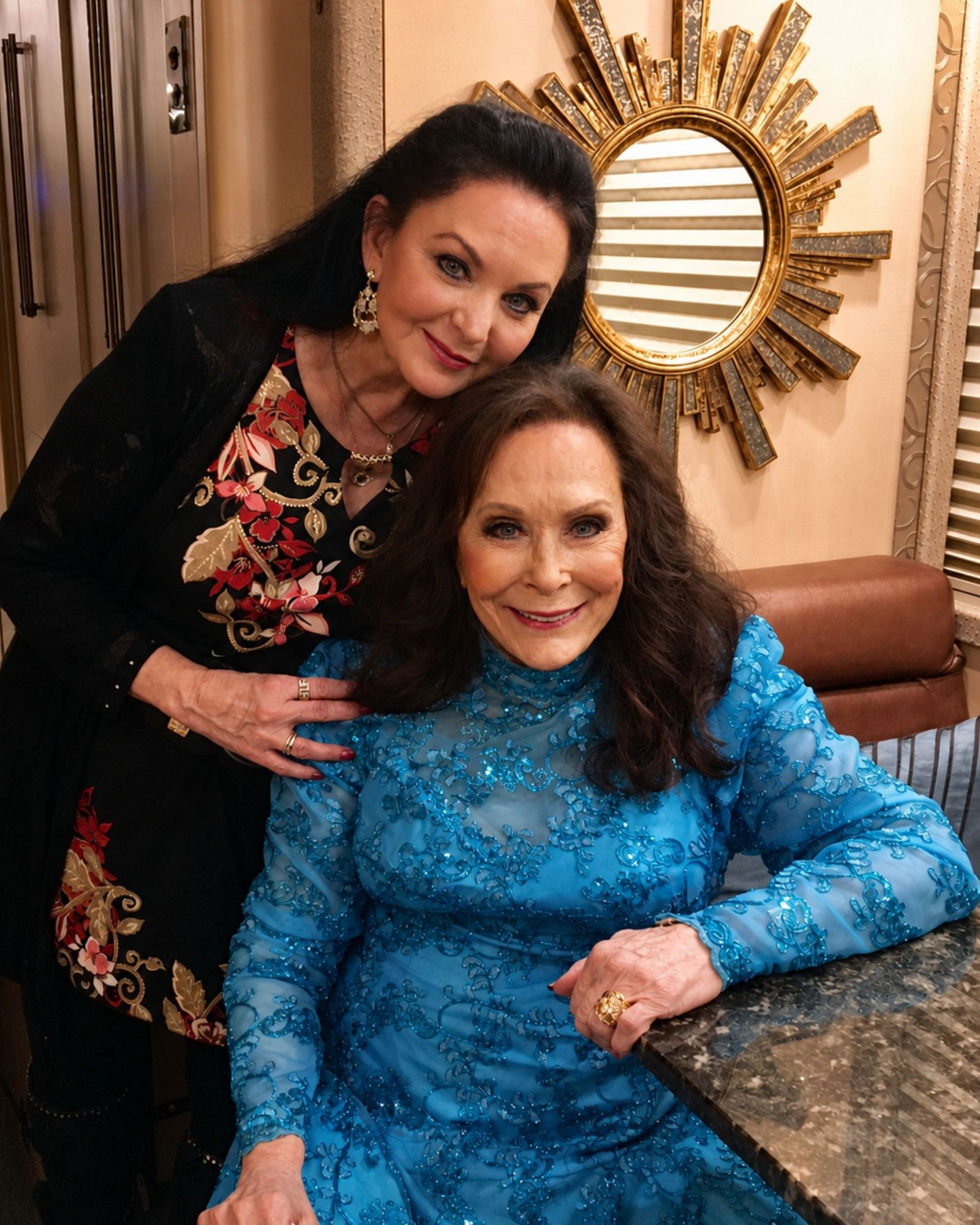
She left the old formula behind. She signed with United Artists. She began working with producer Allen Reynolds. The music opened up. Softer. Smoother. More space around the voice. It still had country in it. But it moved differently. Less Saturday-night honky-tonk. More late-night radio. More silence between the hurt and the next line.
Then Came “Don’t It Make My Brown Eyes Blue”
Released in 1977, the song did not sound like Loretta Lynn. It did not need to. Crystal sang it with a calm that made the heartbreak feel almost private. No warning shot. No fist on the table. Just a woman looking at somebody she loved and realizing the leaving had already happened.
The record went to No. 1 on the country chart. It crossed onto pop radio. It won Crystal a Grammy. And We Must Believe in Magic became the first album by a female country artist to go platinum.
The Hair Became Famous. The Voice Made Her Free.
The long hair stayed. It fell nearly to the floor and became part of the image people remembered first. But the real escape happened long before the hair became iconic. It happened when Crystal stopped trying to sound like her sister. She kept the family name close enough to honor it. Then she built a sound nobody could confuse with Loretta’s.
What Loretta Really Gave Crystal
The deepest part of this story is not only that Crystal Gayle became a star. It is that Loretta Lynn gave her the harder gift. Not a song. Not a shortcut. A warning. Do not become me.
Crystal Gayle took that advice and made room for a voice softer than Loretta’s, smoother than Loretta’s, and entirely her own. Loretta had taught country music how to tell the truth out loud. Crystal showed that sometimes the same truth could be whispered.
Read more stories
- He Was Rejected By His Own Mom And Raised To Think ‘Women Are Evil’ But He Became A Legendary Rockstar
- TOBY KEITH RECORDED SOME OF THE BIGGEST PATRIOTIC ANTHEMS IN COUNTRY MUSIC HISTORY—BUT HIS REAL LEGACY WAS BUILT ON MILITARY BASES WHERE NO CAMERAS WERE ROLLING.
- [Video]: The One-Take Hit That Took Over Rock Radio
- The Box Tops’ “The Letter” Captures Lightning in a Bottle and Redefines Blue-Eyed Soul in 1967-2