
News
Linda Ronstadt’s ‘You’re No Good’ and the Breakthrough That Recast 1970s Pop-Rock
With her 1974 recording of “You’re No Good,” Linda Ronstadt turned a well-traveled song into a defining radio statement and cemented herself as one of the most commanding voices of the 1970s.

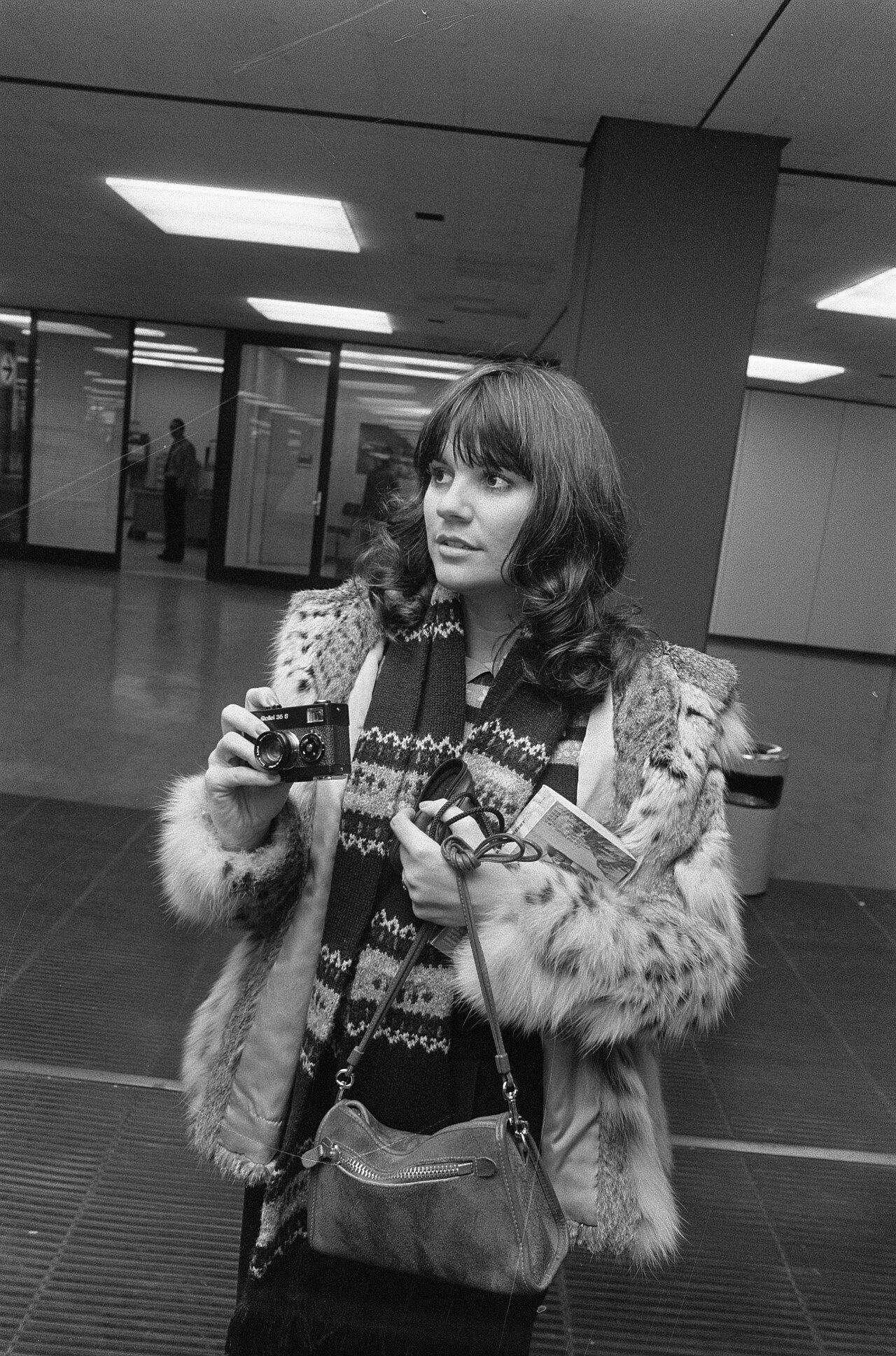
A familiar song becomes a star-making record
By the time Linda Ronstadt recorded “You’re No Good,” the song already had a history. Written by Clint Ballard Jr., it had been cut before, including by Dee Dee Warwick, but Ronstadt’s version arrived with a different kind of force: sleek, tough, melodic and unmistakably radio-ready. Released in late 1974 on her album Heart Like a Wheel, the track quickly became the performance that changed her commercial trajectory.
The song’s impact went beyond being a hit single. It gave Ronstadt a signature mainstream breakthrough at exactly the moment pop and rock radio were opening up to a broader, more polished California sound. Her recording felt rooted in rock, but it was also accessible, dramatic and emotionally direct, the kind of crossover record that could move between formats without losing its edge.
Why Ronstadt’s version hit harder
What made “You’re No Good” stand out was not simply song choice but interpretation. Ronstadt sang it with a blend of cool control and barely contained fire, turning a bitter dismissal into something exhilarating. Her voice carried both precision and grit, allowing the record to feel wounded and triumphant at once.
The arrangement helped shape that tension. Ronstadt’s recording balanced polished studio craftsmanship with a pulse that felt urgent rather than soft. Instead of treating the track as straightforward pop, the performance leaned into rhythm, atmosphere and dramatic phrasing, making it sound larger than a remake and more like a reclamation.
Ronstadt didn’t just revive “You’re No Good” — she made it sound like the song had been waiting for her all along.
A breakthrough moment for women in rock
In the mid-1970s, women were already central to popular music, but rock radio still often treated female performers as exceptions rather than defining figures. “You’re No Good” helped shift that perception. Ronstadt was not presented as a novelty or a singer borrowing rock attitude; she was the main event, commanding the same airwaves that powered the era’s biggest bands and solo acts.
That mattered because Ronstadt’s rise was built on musical authority as much as commercial appeal. She had the instincts of an interpreter, the force of a frontwoman and the versatility to move across rock, country and pop without sounding diluted in any of them. “You’re No Good” distilled those strengths into one record and made them impossible to ignore.
The Heart Like a Wheel era and the California sound
The success of “You’re No Good” also helped define the broader appeal of Heart Like a Wheel, the album that established Ronstadt as a major album artist. At a time when the Southern California scene was refining a smoother, more expansive form of rock, she emerged as one of its clearest voices, even as her singing retained a toughness that kept sentimentality at bay.
That combination was central to her place in 1970s music. Ronstadt could inhabit emotional vulnerability without ever sounding passive. She brought discipline to material from different traditions and made those traditions converse with each other. In that sense, “You’re No Good” was not an isolated triumph but the doorway into a larger artistic identity that would define much of the decade.

Securing the crown of a decade-defining singer
Calling Linda Ronstadt the ‘queen of the ’70s sound’ is partly shorthand, but it points to something real about her reach. Few singers of the decade moved so fluidly across formats while maintaining a distinct personality. Her records were sophisticated without becoming distant, emotional without becoming overwrought, and commercially potent without sounding calculated.
“You’re No Good” became one of the clearest examples of that balance. It captured the studio sheen, melodic confidence and emotional directness that listeners came to associate with the era, yet it was anchored by a voice too individual to be reduced to trend. Ronstadt did not merely fit the sound of the 1970s; she helped define what that sound could be.
The song’s lasting legacy
Decades later, “You’re No Good” remains one of the key recordings in Ronstadt’s catalog and one of the most enduring examples of her interpretive power. It still sounds like a turning point: the moment a respected artist became a cultural force. For many listeners, it is the record that crystallized her appeal in three minutes of impeccable pop-rock drama.
Its legacy also lies in what it proved. A singer could take an existing composition, reshape its emotional center and turn it into a generational statement. Ronstadt’s version endures because it is more than a hit from a particular year; it is a model of how voice, arrangement and timing can converge to create a classic.
Quick Facts
- Artist: Linda Ronstadt
- Song: You’re No Good
- Songwriter: Clint Ballard Jr.
- Album: Heart Like a Wheel
- Release period: Late 1974
- Previously recorded by: Dee Dee Warwick
Image credits: Rob Bogaerts / Anefo / Wikimedia Commons / CC0; Eric Frommer / Wikimedia Commons / CC BY-SA 2.0.