Celebrities & Music
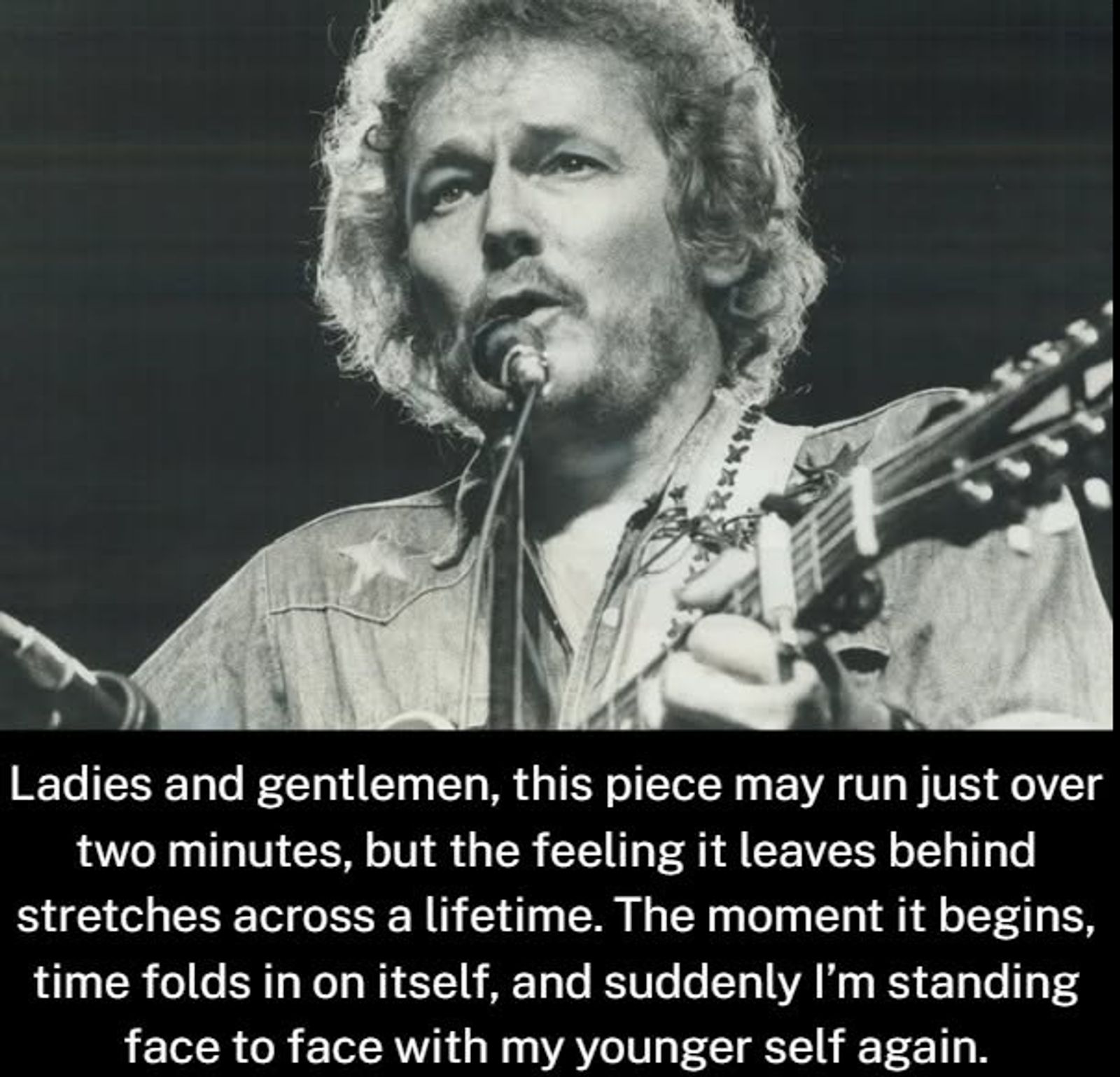
Ladies and gentlemen, this piece may run just over two minutes, but the feeling it leaves behind stretches across a lifetime.
This article explores Gordon Lightfoot’s iconic song ‘The Wreck of the Edmund Fitzgerald,’ highlighting its emotional depth and historical significance as a narrative ballad that honors the memory of the shipwreck and its crew.
Ladies and gentlemen, this piece may run just over two minutes, but the feeling it leaves behind stretches across a lifetime. The moment it begins, time folds in on itself, and suddenly I’m standing face to face with my younger self again.
In the mid-1970s, when folk music was increasingly giving way to polished soft rock and radio-friendly anthems, Gordon Lightfoot released a song that felt stark, solemn, and unflinchingly serious.
The Wreck of the Edmund Fitzgerald, released in 1976, was not written to comfort or entertain in the usual sense.
It was written to remember.
And in doing so, it became one of the most haunting narrative ballads ever recorded in popular music history.
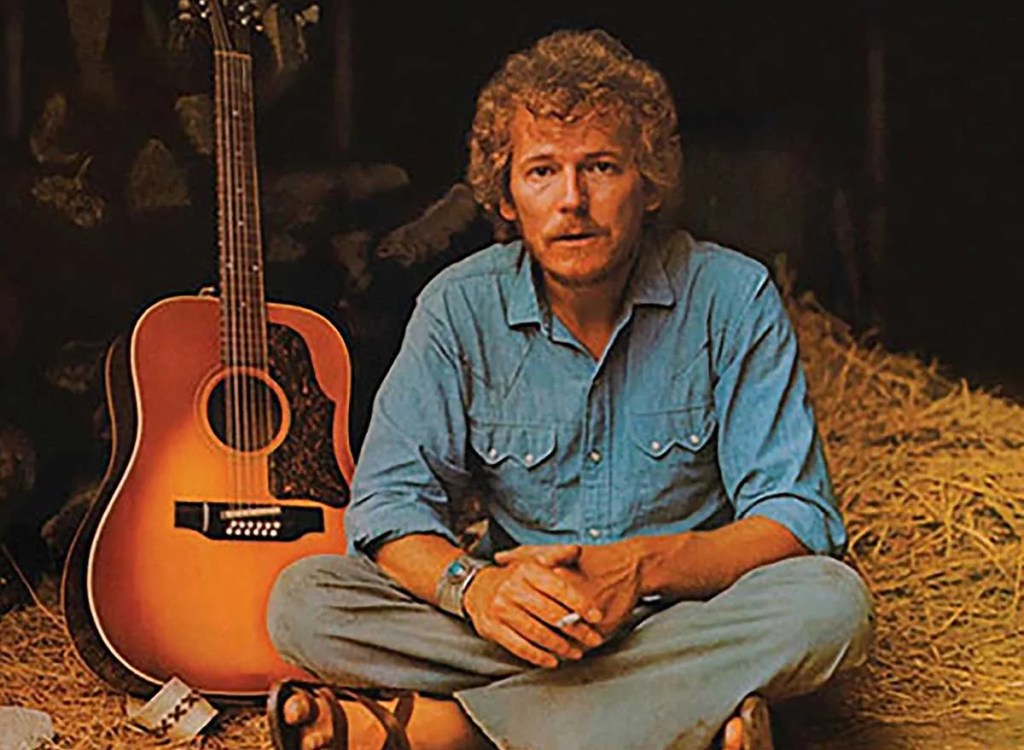
Gordon Lightfoot had already earned a reputation as one of Canada’s most respected songwriters by the time the song appeared.
Known for his warm baritone voice and poetic storytelling, he had built a career on songs that blended personal reflection with vivid imagery.
But The Wreck of the Edmund Fitzgerald marked a turning point.
It was not a love song, not a confession, not a metaphor.
It was a true story—tragic, meticulously detailed, and emotionally restrained.
The song tells the story of the SS Edmund Fitzgerald, a massive Great Lakes freighter that sank during a violent storm on Lake Superior on November 10, 1975.
The ship was carrying iron ore from Superior, Wisconsin, to Detroit when it encountered hurricane-force winds and towering waves.
Without sending a distress signal, the vessel disappeared beneath the surface, taking all 29 crew members with it.
Lightfoot first learned about the disaster through a short article in Newsweek.

The piece described the ship, the storm, and the mystery surrounding its sudden loss.
What struck Lightfoot most was not just the scale of the tragedy, but its quietness.
There was no warning, no final message, no heroic rescue—only absence.
For a songwriter deeply attuned to narrative and atmosphere, that silence became the emotional core of the song.
Rather than dramatize the event, Lightfoot chose restraint.
The lyrics unfold almost like a maritime chronicle, naming places, dates, and details with journalistic precision.
Yet beneath that surface calm lies an overwhelming sense of dread.
Lines such as “the lake, it is said, never gives up her dead” transform Lake Superior into something ancient and indifferent, a force beyond human negotiation.
Musically, the song is deceptively simple.
Built around a steady, rolling rhythm, it mirrors the motion of the lake itself—relentless, hypnotic, and gradually overwhelming.
There is no traditional chorus meant to uplift the listener.
Instead, the melody circles back on itself, reinforcing the inevitability of the ship’s fate.
The arrangement leaves space for the story to breathe, allowing Lightfoot’s voice to guide the listener through the storm.
When The Wreck of the Edmund Fitzgerald was released, it stood apart from nearly everything else on the radio.

Despite its somber subject matter and unconventional structure, the song resonated deeply with audiences.
It reached No. 2 on the Billboard Hot 100, an extraordinary achievement for a seven-minute folk ballad about a shipwreck.
Its success suggested that listeners were hungry for something more substantial—something that respected their intelligence and emotional capacity.
For those connected to the Great Lakes region, the song carried particular weight.
Sailors, dock workers, and families who lived along the shores recognized the authenticity in Lightfoot’s portrayal.
He did not sensationalize the deaths or attempt to assign blame.
Instead, he honored the crew by remembering them as professionals caught in circumstances larger than themselves.
Over time, the song became an unofficial memorial for the 29 men who never returned home.
Lightfoot was deeply aware of this responsibility.
In later interviews, he spoke about the care he took with the lyrics, even revising certain lines as more information about the wreck became available.
When it was later confirmed that the ship’s crew was fully aware of the storm’s severity, Lightfoot adjusted the lyrics in live performances to reflect that truth.
It was a rare example of a songwriter treating historical accuracy as a moral obligation.
Beyond its factual precision, the song endures because of its emotional honesty.
The Wreck of the Edmund Fitzgerald does not offer closure.

There is no lesson neatly summarized at the end, no comfort beyond remembrance.
The final verses leave listeners suspended between awe and sorrow, much like the families who waited for answers that never fully came.
Culturally, the song occupies a unique space.
It is taught in schools, referenced in documentaries, and played at memorial services.
Few popular songs function simultaneously as chart hits, historical records, and acts of public mourning.
Lightfoot managed this balance without self-importance, allowing the story itself to command attention.
The song also influenced generations of songwriters who saw in it a blueprint for serious storytelling in popular music.

Artists across folk, rock, and even country have cited it as proof that songs can handle weighty subjects without losing their audience.
Its legacy can be heard in later narrative-driven works that prioritize atmosphere and truth over commercial formulas.
Decades after its release, The Wreck of the Edmund Fitzgerald remains deeply unsettling.
Perhaps that is precisely why it lasts.
It reminds listeners that nature is not sentimental, that technology does not guarantee safety, and that some losses resist explanation.
Yet within that darkness, there is dignity.
By naming the ship, the crew, and the lake, Lightfoot ensured they would not fade into obscurity.
More than a song, The Wreck of the Edmund Fitzgerald is an act of remembrance set to music.