
Celebrities & Music
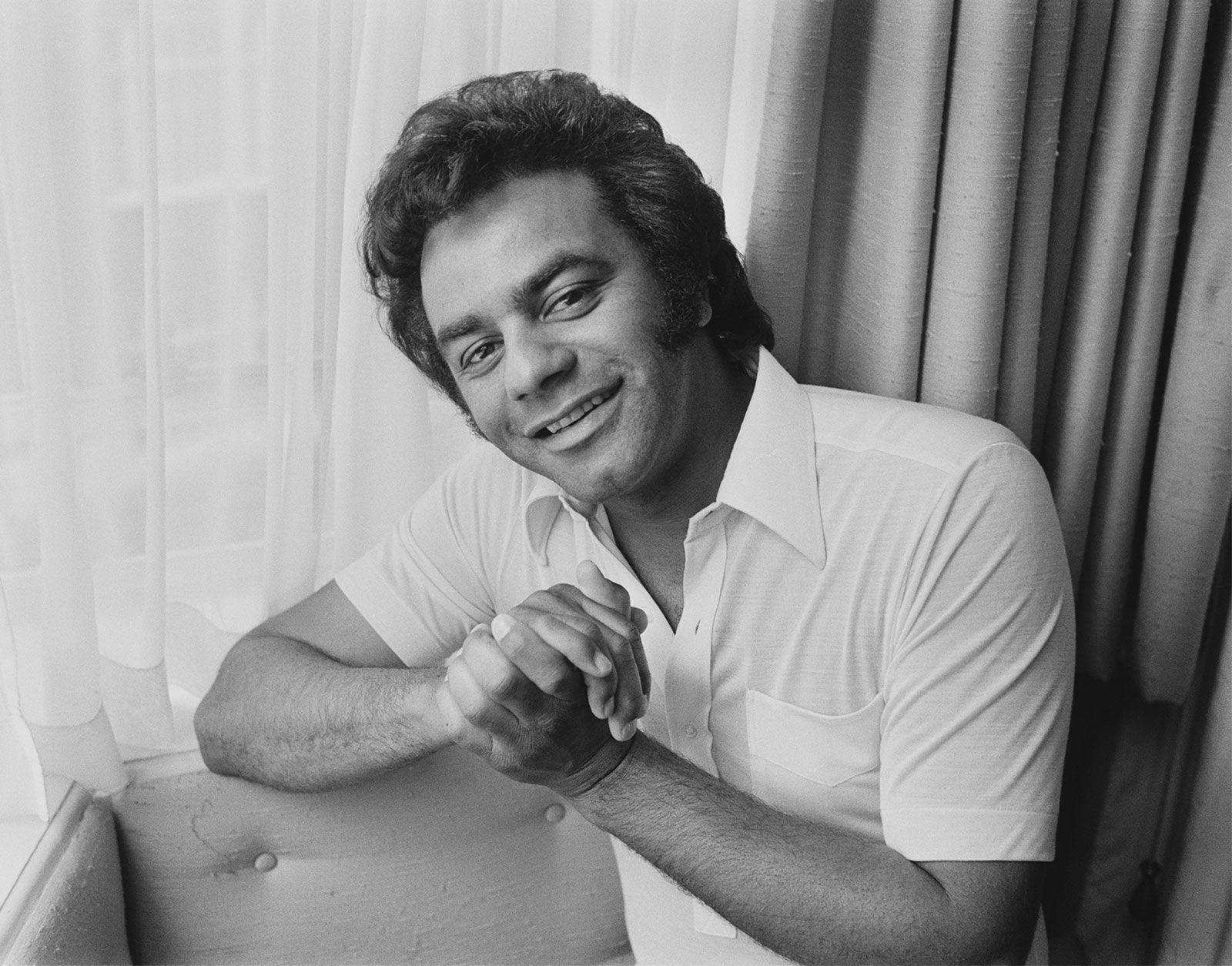
Johnny Mathis – _It’s Not for Me to Say_: The Love Song That Whispered Instead of Shouting
The article explores Johnny Mathis’ timeless love song “It’s Not for Me to Say,” highlighting its emotional depth and the quiet sincerity that resonates with listeners across generations.

Released in the late 1950s, this unforgettable love song captured hearts with its gentle melody and quiet sincerity. Yet in 2026, many people remember the feeling it gave them more than its title…
Some love songs arrive with dramatic promises, while others slip quietly into our hearts, asking for nothing except a few gentle minutes of our attention.
Johnny Mathis’ “It’s Not for Me to Say” belongs entirely to that second kind, carrying a tenderness so effortless that decades later it still feels as delicate as the moment it was first sung.
Released in 1957, the song appeared during an era when romance was often expressed through elegance instead of spectacle, allowing every lyric to breathe without ever demanding attention.
Listening today feels less like revisiting an old recording than opening a carefully preserved letter whose ink has faded just enough to make every word even more precious.
Mathis never rushes the melody because the beauty of the song lies in what remains unsaid between each phrase as much as in the words themselves.
His voice floats above the orchestra with remarkable softness, never trying to overpower the listener but instead inviting them into an intimate conversation.
There is almost no urgency in his performance because genuine affection rarely needs to raise its voice to be understood.
The opening instantly creates a peaceful atmosphere where hope exists without certainty and dreams remain wonderfully unfinished.
Rather than declaring everlasting devotion, the narrator simply accepts that some questions belong to fate instead of human certainty.
That quiet humility is exactly what separates this song from countless romantic ballads that followed during later decades.
Love here is presented not as possession but as gratitude for a beautiful possibility that may or may not become reality.
Every orchestral swell feels carefully measured, supporting the emotion without ever overwhelming Mathis’ impossibly smooth vocal delivery.
The arrangement glows with warm strings, gentle piano, and restrained brass that seem to breathe alongside the singer instead of competing with him.
Nothing sounds excessive because every musical choice serves the fragile emotion resting at the center of the composition.
The result is a recording that feels timeless rather than dated, proving that sincerity rarely grows old.
Many listeners first encountered the song during an age when slow dancing meant holding someone close instead of staring at a phone screen.
For countless couples, these few minutes became forever connected with first dates, wedding receptions, or evenings they would remember long after the music stopped.
Even people who never lived through the 1950s often recognize something familiar inside its melody because genuine tenderness belongs to every generation.
There is a cinematic quality throughout the recording, making it easy to imagine black-and-white streets shimmering beneath soft evening lights.
One can almost picture two young lovers walking home without speaking very much because silence itself has become part of the conversation.
That quiet emotional confidence reflects an era when songs often trusted listeners to discover meaning instead of explaining every feeling outright.
Mathis understood that restraint could sometimes be far more powerful than emotional excess.
His phrasing leaves tiny spaces where listeners naturally place their own memories, making every performance feel deeply personal.
Perhaps that is why the song continues finding new audiences despite changing musical fashions over nearly seven decades.
Modern productions often rely on enormous choruses and dramatic crescendos to create emotional impact.
“It’s Not for Me to Say” achieves the same emotional weight simply through honesty delivered with extraordinary grace.
There is no attempt to impress anyone with vocal acrobatics because every note exists only to serve the story.
That simplicity allows the listener to focus not on technical perfection but on emotional truth.
The song reminds us that uncertainty can sometimes be the purest expression of love because real affection never guarantees tomorrow.
Instead, it treasures today’s fragile happiness while accepting that the future cannot be controlled.
That message feels surprisingly relevant in an age where people often search for immediate certainty in every relationship.
Perhaps we still return to songs like this because they remind us that vulnerability has always been beautiful.

Johnny Mathis sings as though he understands that love cannot be forced, negotiated, or confidently predicted.
It arrives quietly, grows gently, and often changes our lives before we even realize it has begun.
Few recordings capture that delicate transformation with such effortless elegance and emotional restraint.
Nearly seventy years after its release, the performance still feels untouched by time because authentic emotion never becomes obsolete.
Every generation discovers different reasons for loving this classic, yet they all arrive at the same destination—a feeling of warmth that lingers long after the final note disappears.
When the orchestra slowly fades into silence, what remains is not simply another memorable melody but a reminder that the gentlest words are often the ones we carry with us for a lifetime.
Continue reading
Released in the late 1950s, this song turns a quiet detail into a moment of devastating clarity. No shouting, no accusations—just one glance, and everything changes. Decades later, that restrained heartbreak still lingers in the air.
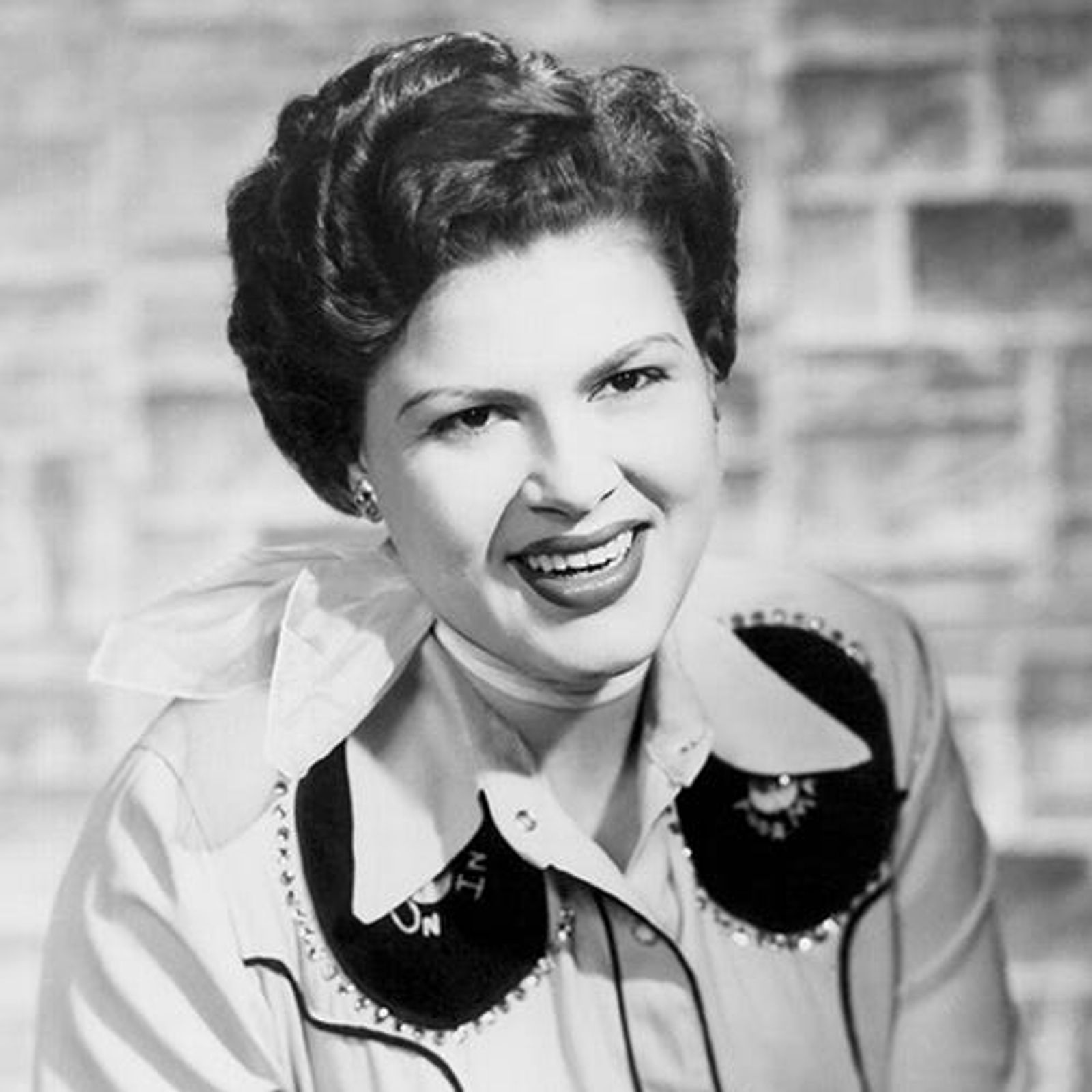
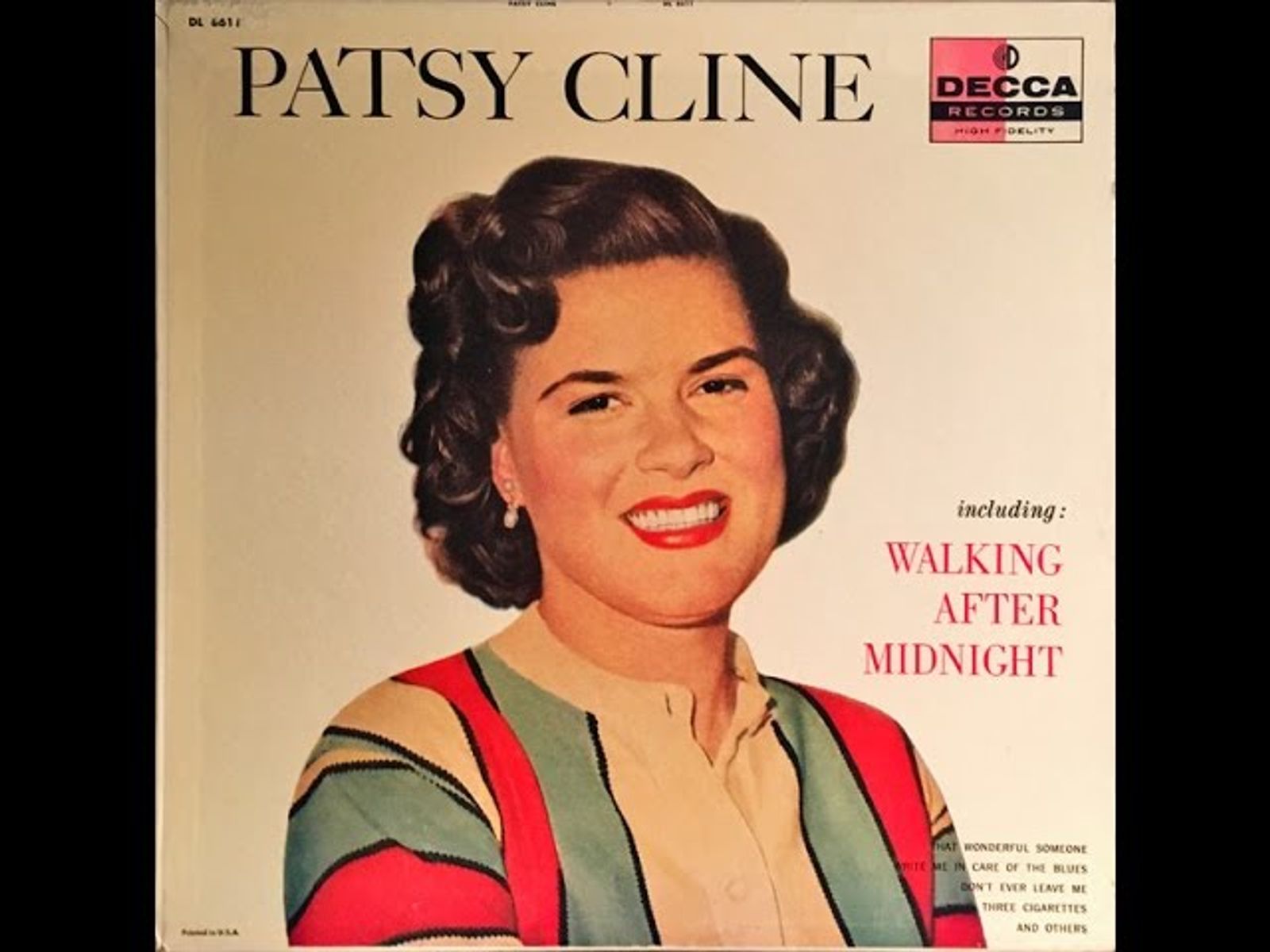
In the early 1950s, Patsy Cline recorded “Three Cigarettes in an Ashtray,” a song that quietly revealed the emotional depth and vulnerability that would later define her legacy as one of country music’s most unforgettable voices.
Released in 1957 as her debut single, the song did not become a major hit at the time, yet it carried all the hallmarks of Patsy Cline’s future greatness—heartache, restraint, and an aching honesty that lingered long after the final note faded.
Written by Eddie Miller and W.S. Stevenson, “Three Cigarettes in an Ashtray” tells a simple but devastating story of betrayal, told through a small, intimate image.
Two people sit together, sharing drinks and conversation, until the narrator notices three cigarettes burning in the ashtray.
In that quiet moment, the truth becomes unavoidable.
Someone else has been there.
The song’s power lies in its subtlety, using everyday objects to convey emotional collapse rather than dramatic confrontation.
This kind of storytelling was deeply rooted in traditional country music, but Patsy Cline’s delivery elevated it beyond genre boundaries.
Born Virginia Patterson Hensley in 1932, Patsy Cline grew up in Winchester, Virginia, surrounded by hardship and resilience.
Her childhood was marked by financial struggle and personal loss, experiences that would later give her voice its unmistakable emotional weight.
By the time she entered the recording studio as a young woman, she already possessed a rare ability to convey pain without exaggeration.
In “Three Cigarettes in an Ashtray,” her voice is controlled, almost calm, yet heavy with unspoken hurt.
She does not accuse or plead.
She simply observes.

That restraint makes the heartbreak feel more real, more human.
At the time of the recording, Patsy Cline was still finding her place in the industry, working with producer Paul Cohen at Decca Records.
The arrangement is spare and understated, featuring gentle instrumentation that allows her voice to remain the emotional centerpiece.
There are no dramatic flourishes, no soaring crescendos—only a steady, mournful pace that mirrors the slow realization of betrayal.
Although the song failed to chart upon release, it would later be recognized as an early glimpse of Cline’s extraordinary interpretive skill.
In hindsight, “Three Cigarettes in an Ashtray” feels like a quiet prologue to the more polished, orchestral heartbreak she would deliver in later classics such as “Crazy,” “I Fall to Pieces,” and “She’s Got You.”
What sets this song apart is its intimacy.
It feels less like a performance and more like a confession overheard late at night, when emotions surface without restraint.
The listener is not pushed to feel sorrow; instead, they are invited to sit with it.
This emotional realism became one of Patsy Cline’s defining traits.
As her career progressed into the late 1950s and early 1960s, she would help reshape country music’s relationship with pop, much like Dean Martin did from the opposite direction.
Yet even as her sound grew more sophisticated, the emotional core remained unchanged.
“Three Cigarettes in an Ashtray” stands as proof that long before fame and chart success, Patsy Cline already understood how to make heartbreak sound timeless.
After her tragic death in a plane crash in 1963 at the age of 30, listeners began revisiting her early recordings with renewed appreciation.
Songs that once went unnoticed gained new meaning, revealing the full arc of an artist whose talent far exceeded her brief lifetime.
Today, “Three Cigarettes in an Ashtray” is often cited as one of her most haunting early performances.
It is not her most famous song, nor her most technically impressive, but it captures something essential—an artist learning how to tell the truth through music.
The song continues to resonate because its theme is universal.
Heartbreak rarely announces itself loudly.
Sometimes, it reveals itself in silence, in small details, in something as ordinary as an extra cigarette burning in an ashtray.
More than half a century later, Patsy Cline’s voice still carries that moment with quiet dignity and emotional clarity.
“Three Cigarettes in an Ashtray” remains a reminder that great songs do not always need grand gestures.
Sometimes, all they need is honesty, restraint, and a voice capable of making the smallest detail feel unforgettable.
Read more stories
- He Was Rejected By His Own Mom And Raised To Think ‘Women Are Evil’ But He Became A Legendary Rockstar
- TOBY KEITH RECORDED SOME OF THE BIGGEST PATRIOTIC ANTHEMS IN COUNTRY MUSIC HISTORY—BUT HIS REAL LEGACY WAS BUILT ON MILITARY BASES WHERE NO CAMERAS WERE ROLLING.
- [Video]: The One-Take Hit That Took Over Rock Radio
- The Box Tops’ “The Letter” Captures Lightning in a Bottle and Redefines Blue-Eyed Soul in 1967-2