
Celebrities & Music
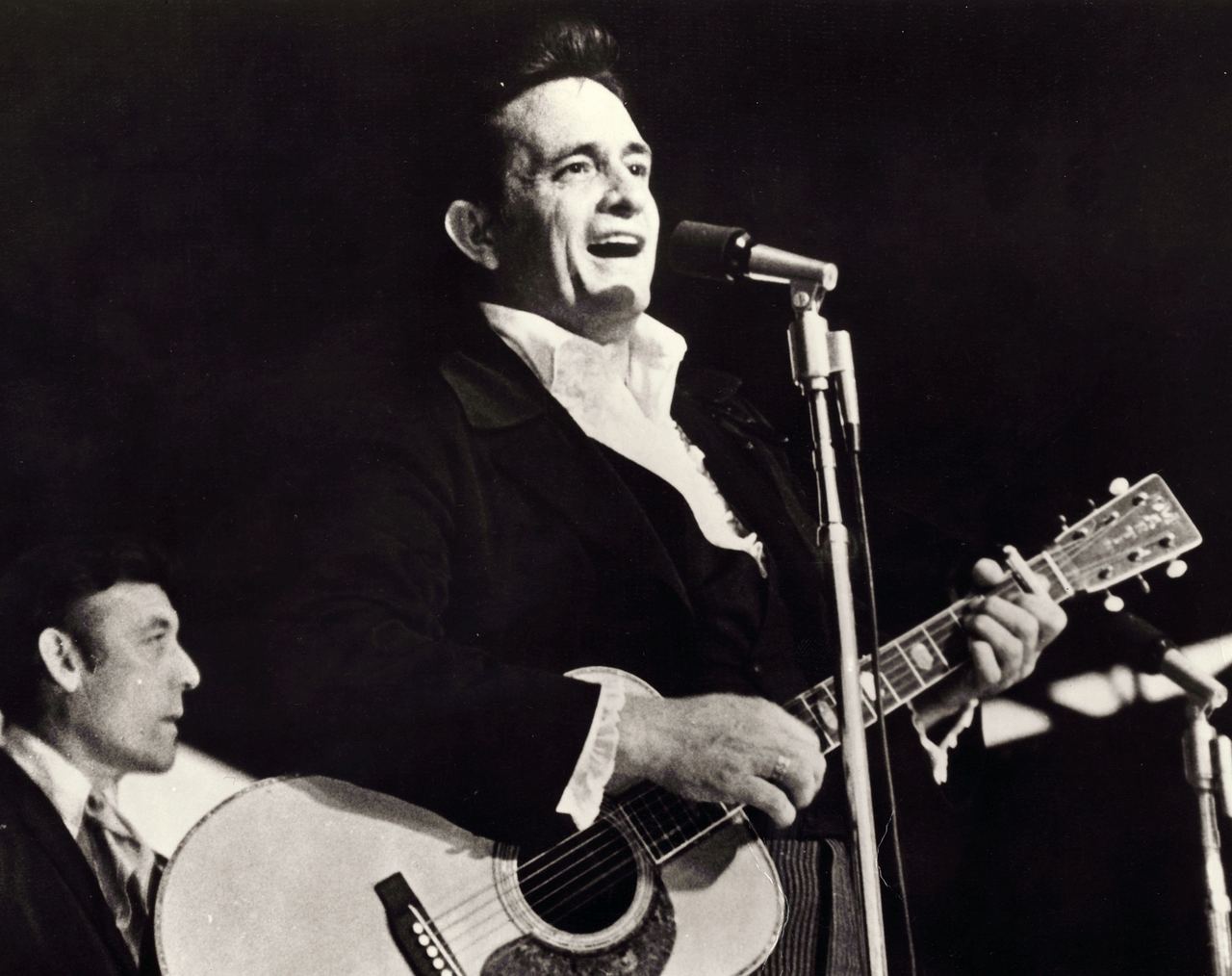
Johnny Cash and Hurt: The Haunting Final Goodbye of a Legend
Johnny Cash’s recording of “Hurt” is presented as a deeply personal farewell that captured mortality, regret, and authenticity in his final years. The page then continues with additional story-style article text about a rare 1983 Bee Gees family performance and a retrospective on Lynyrd Skynyrd’s “Sweet Home Alabama.”

The year was 2003, and the world of American music felt like it was shifting under the weight of a new, digitized century. While the MTV generation was busy chasing the polished aesthetics of pop idols, a weary, elderly man stepped into a studio in Hendersonville, Tennessee. Johnny Cash was fading. The man who had once been the Man in Black, a figure of rebellious grit who commanded stages from Folsom Prison to Woodstock, was now frail, his voice brittle with the exhaustion of a lifetime lived at full volume. Yet, when he sat down to record a cover of Nine Inch Nails’ Hurt, he wasn’t just performing a song; he was baring a soul that had seen every shadow of the American dream.
At the time, nobody involved in those sessions realized they were witnessing a final, haunting farewell. Rick Rubin, the producer who had helped resurrect Johnny Cash’s career, wanted to strip away the artifice. He wanted the raw bone of the man. As Johnny Cash sang about empires of dirt and the fragility of human connection, the studio air grew heavy. It was a performance that felt like a dying confession. The song, originally a jagged piece of industrial angst by Trent Reznor, was transformed by Cash into a universal anthem of regret, redemption, and the inescapable truth of mortality. It wasn’t just a cover; it was a mirror held up to the human condition.
This wasn’t the first time Johnny Cash had stared down the darkness. His life had been a turbulent cycle of addiction, spiritual crisis, and profound love, often overshadowed by the relentless pressure of fame. He had survived the pill-popping exhaustion of the touring life in the sixties and the public scrutiny that followed his every move. But by 2003, the external drama had fallen away, leaving behind a man who had made peace with his ghosts. When the music video for Hurt was released, the black-and-white imagery of a shaking, elderly Johnny Cash sitting among the dusty artifacts of his past, including his iconic costumes, struck a chord that resonated deeply with anyone who had ever felt the passage of time slip through their fingers.
It is rare for an artist to dictate their own requiem, but that is exactly what happened. The song serves as a bridge between the golden era of rock and the melancholic introspection of modern life. Even decades later, it stands as a testament to the power of authenticity in an industry that so often favors the manufactured. Every crack in his voice, every labored breath, serves as a reminder that legends are not made of stone; they are made of blood, tears, and the courage to face the end with open eyes.
Today, when we listen to that recording, we aren’t just hearing a song from the twilight of his career. We are hearing the echo of a man who lived a thousand lifetimes and found the grace to say goodbye on his own terms. Johnny Cash taught us that there is a quiet, devastating beauty in being human, and as long as his voice remains on the record player, he is never truly gone. The Man in Black may have crossed the final horizon, but his haunting, final farewell continues to pull at our hearts, reminding us to hold on tight to the moments that truly matter.
Continue reading
A moment that lasted only a few minutes on television in 1983… yet left viewers quietly changed for a lifetime. No spotlight. No grand stage. Just family, voices, and a rare glimpse of the truth behind the legend. – Today’s Story!
LONDON 1983. It was a night almost erased from public memory until a rediscovered broadcast resurfaced and quietly devastated fans of Bee Gees across generations. For once, Barry Gibb did not appear as the commanding architect of a global pop empire.
He stood instead as a husband and a father, shoulder to shoulder with his wife Linda Gibb and their children, singing the timeless hymn Silent Night.
The performance aired during a Christmas special hosted by Cilla Black on London Weekend Television. At the time, it passed without headlines. In retrospect, it reads like a private moment accidentally left on tape. The world saw something it was never meant to see. The private life behind the falsetto.
For decades, the image of Bee Gees was defined by immaculate harmonies, studio precision, and commercial dominance. This appearance dismantled that mythology in minutes. Barry, Robin, and Maurice Gibb were joined on stage by their wives Linda, Dwina, and Yvonne. It was the first and only time the women of the group stepped into the spotlight beside them.
What made the moment extraordinary was not only its intimacy but its timing. In 1983, the Gibb brothers were not recording together. Each was immersed in solo work and production projects for other artists including the album Eyes That See in the Dark for Kenny Rogers. Professionally, they were divided. Personally, on that December night, they reunited as a family.
The camera captured something unpolished. No choreography. No attempt to dominate the frame. The harmonies were gentle rather than triumphant. The song unfolded like a shared prayer rather than a performance. The power came from restraint.
She never let me fall
That is how Barry later described Linda when reflecting on the foundation of his life away from the stage. They first met in 1967 on the set of Top of the Pops. Barry was a rising star. Linda Gray was seventeen and newly crowned Miss Edinburgh. They married in 1970 and built a partnership that resisted the excesses of the era.
We can talk about any moment in our lives and she is always there
Barry told Roxborough Report in 2012 that Linda had seen everything a pop star could face and never looked away. In the same interview, he called her his anchor and occasionally his corrective force when fame threatened to distort perspective.
That stability was not universal within the group. Barry has been candid about the contrast between his life and that of his brothers. In an interview with The Guardian in 2020, he acknowledged that while Robin and Maurice wrestled with personal demons, his marriage imposed limits that saved him.
I could bring drugs home but they would end up flushed away. She never allowed it. I was lucky. I had Linda
Their marriage produced five children Stephen Ashley Travis Michael and Alexandra. Today, the family divides time between Miami and England surrounded by grandchildren. The image stands in sharp contrast to the turbulence that often defined the disco era.
Maurice Gibb’s path was more volatile. After a brief marriage to singer Lulu, he wed Yvonne Gibb in 1975. They had two children, Adam and Samantha. Alcohol addiction strained the relationship to the breaking point. In 1991, Yvonne fled with the children and sought refuge with Barry. She refused to return unless Maurice entered rehabilitation. He did. The following year, the couple renewed their vows in a ceremony attended only by close family and friends. Maurice remained sober until his death in 2003.
Robin Gibb’s story carried its own weight. His first marriage to Molly Hullis ended after years of separation. His second marriage to Dwina Murphy Gibb brought stability. Their son Robin John Gibb, known as RJ, has since spoken about his father not as an icon but as a gentle presence.
My father was a great man but also a very kind one
RJ has said that if a film were ever made about Robin, he would want it to capture that quiet intensity rather than the public persona.
Viewed through this lens, the 1983 Christmas broadcast becomes something else entirely. It was not a promotional appearance. It was not nostalgia. It was one of the last times the Bee Gees sang purely for connection rather than consequence.
As Silent Night reached its final line, Barry’s voice briefly faltered. The pause was almost imperceptible. It was enough. Off camera, Cilla Black whispered that such a moment could not be manufactured. She was right.
What survives is not a perfect performance but a document of truth. Three men who had conquered charts standing quietly beside the people who kept them intact. No spectacle. No mythology. Just family preserved in a carol under studio lights.
Continue reading
Released in 1974, it opened with a guitar riff so familiar it felt like home before the first lyric landed. Decades later, this song is still more than music—it’s memory, identity, and a feeling people argue about… yet never stop singing along to.
When Lynyrd Skynyrd released “Sweet Home Alabama” in 1974, it didn’t just enter the airwaves—it planted itself firmly into the cultural landscape of America.
From the moment those instantly recognizable guitar notes rang out, the song felt less like a single and more like a declaration.
It was confident, regional, unapologetic, and catchy in a way that made listeners sing along whether they fully understood its message or not.
Over time, “Sweet Home Alabama” became far more than a Southern rock hit; it became a symbol, a conversation, and a piece of musical history that continues to spark emotion decades later.
Lynyrd Skynyrd formed in Jacksonville, Florida, in the late 1960s, built on a sound that blended blues, country, and hard rock with a distinctly Southern voice.
Fronted by Ronnie Van Zant, the band wasn’t interested in polishing away their roots.
Instead, they leaned into them.
Their music reflected working-class stories, regional pride, and a raw honesty that stood apart from much of the mainstream rock coming out of New York, Los Angeles, or London.
By the time “Sweet Home Alabama” was written, Skynyrd had already begun carving out an identity that felt both rebellious and grounded.
The song itself was born partly out of musical dialogue—and tension.
Ronnie Van Zant wrote “Sweet Home Alabama” in response to Neil Young’s songs “Southern Man” and “Alabama,” which criticized racism and segregation in the American South.
While Van Zant didn’t deny the South’s troubled history, he felt Young’s portrayal painted the region with too broad a brush.
“Sweet Home Alabama” wasn’t meant as a political manifesto, but rather as a personal and cultural rebuttal, defending Southern identity while acknowledging its flaws.
Barry Gibb – Wikipedia tiếng Việt
That complexity is one of the reasons the song has endured and continues to be debated.
Musically, the track is driven by the band’s signature triple-guitar attack, played by Gary Rossington, Allen Collins, and Ed King.
The opening riff—simple, bluesy, and unforgettable—hooks the listener instantly.
It’s the kind of riff that feels like it’s always existed, which is often the mark of a classic.
The rhythm section keeps the song moving with an easy, almost conversational groove, while Van Zant’s vocals carry a relaxed confidence that makes every line feel lived-in rather than performed.
Lyrically, “Sweet Home Alabama” walks a careful line between pride and provocation.
Lines like “where the skies are so blue” paint an almost postcard-like image of the South, while references to political figures and cultural critics add layers beneath the surface.
The famous lyric mentioning Neil Young by name wasn’t meant as an attack, but more as a statement of disagreement—proof that rock music, even when it’s catchy and fun, can still function as dialogue.
That mix of lighthearted melody and pointed commentary is part of what keeps listeners coming back.
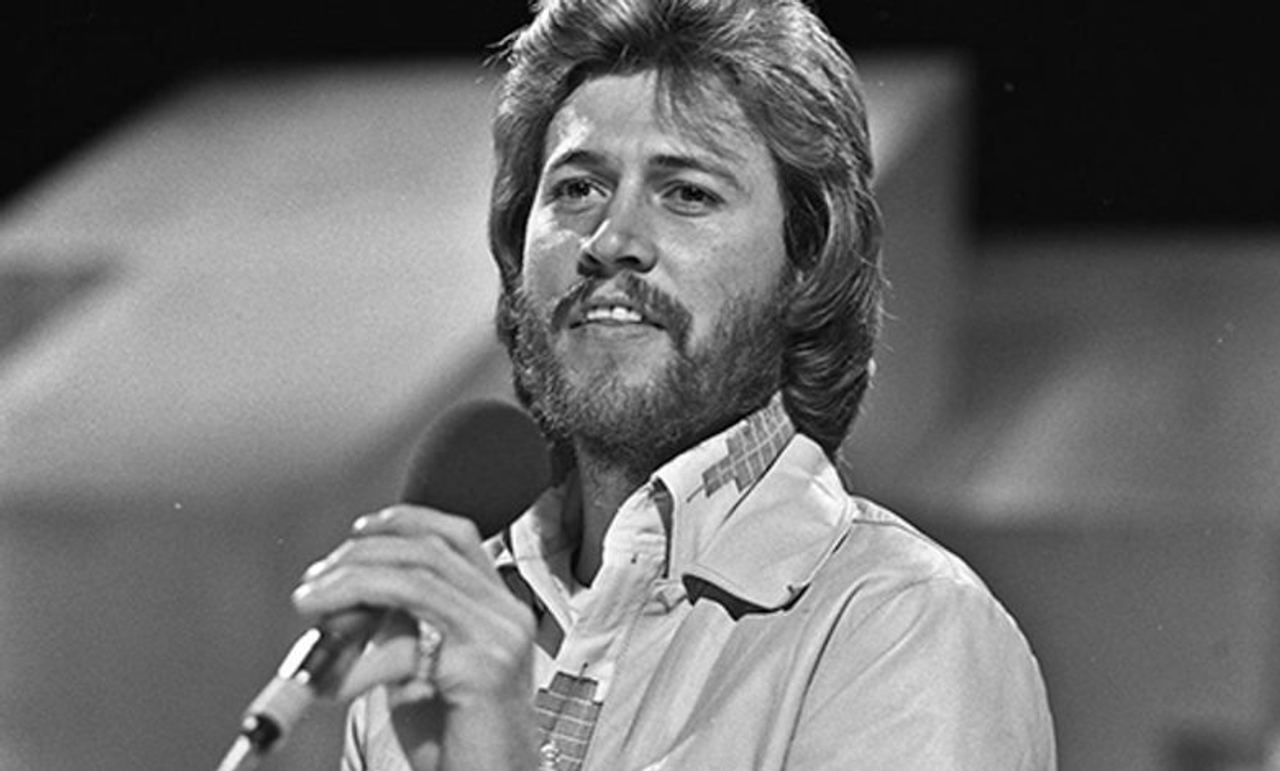
Upon its release, the song quickly climbed the charts, reaching No. 8 on the Billboard Hot 100.
But its true success couldn’t be measured by numbers alone.
“Sweet Home Alabama” became a staple of FM radio, bar jukeboxes, road trips, and backyard gatherings.
It had a communal quality—something people didn’t just listen to, but shared.
Over time, it grew into an anthem not only for the South, but for anyone who connected with the idea of home as a place tied to identity and memory.
Culturally, the song took on a life of its own.
It’s been used in countless films, television shows, commercials, and sporting events, often to evoke a sense of Americana or Southern flavor.
Sometimes it’s played sincerely, sometimes ironically, but it always gets a reaction.
Few songs can instantly shift the mood of a room the way “Sweet Home Alabama” can, turning casual listeners into enthusiastic participants within seconds.
For Lynyrd Skynyrd, the song became both a blessing and a burden.
While it cemented their legacy, it also threatened to overshadow the depth of their catalog.
Songs like “Simple Man,” “Tuesday’s Gone,” and “Free Bird” showed different sides of the band—reflective, emotional, and expansive—but “Sweet Home Alabama” remained the track most people associated with their name.
Still, Van Zant embraced its impact, understanding that music doesn’t always belong solely to its creator once it’s released into the world.
The song’s legacy grew even more poignant after the tragic plane crash in 1977 that claimed the lives of Ronnie Van Zant, Steve Gaines, and Cassie Gaines.
In the years that followed, “Sweet Home Alabama” took on an added layer of nostalgia and loss.
It became a reminder of a band frozen in time, and of a voice that was silenced too soon.
Every replay carried both joy and a quiet sense of what might have been.
Decades later, “Sweet Home Alabama” still feels alive.
New generations discover it through playlists, movies, and viral clips, often without knowing its full backstory at first.
Yet the song doesn’t require context to work.
Its melody is immediate, its rhythm infectious, and its spirit unmistakable.
Whether heard through headphones, blasting from car speakers, or sung by a crowd in unison, it retains the power to connect.
In the end, “Sweet Home Alabama” endures because it’s honest in its contradictions.
It celebrates home without pretending home is perfect.
It challenges criticism without denying history.
And it proves that a great song can be fun, meaningful, controversial, and timeless all at once.
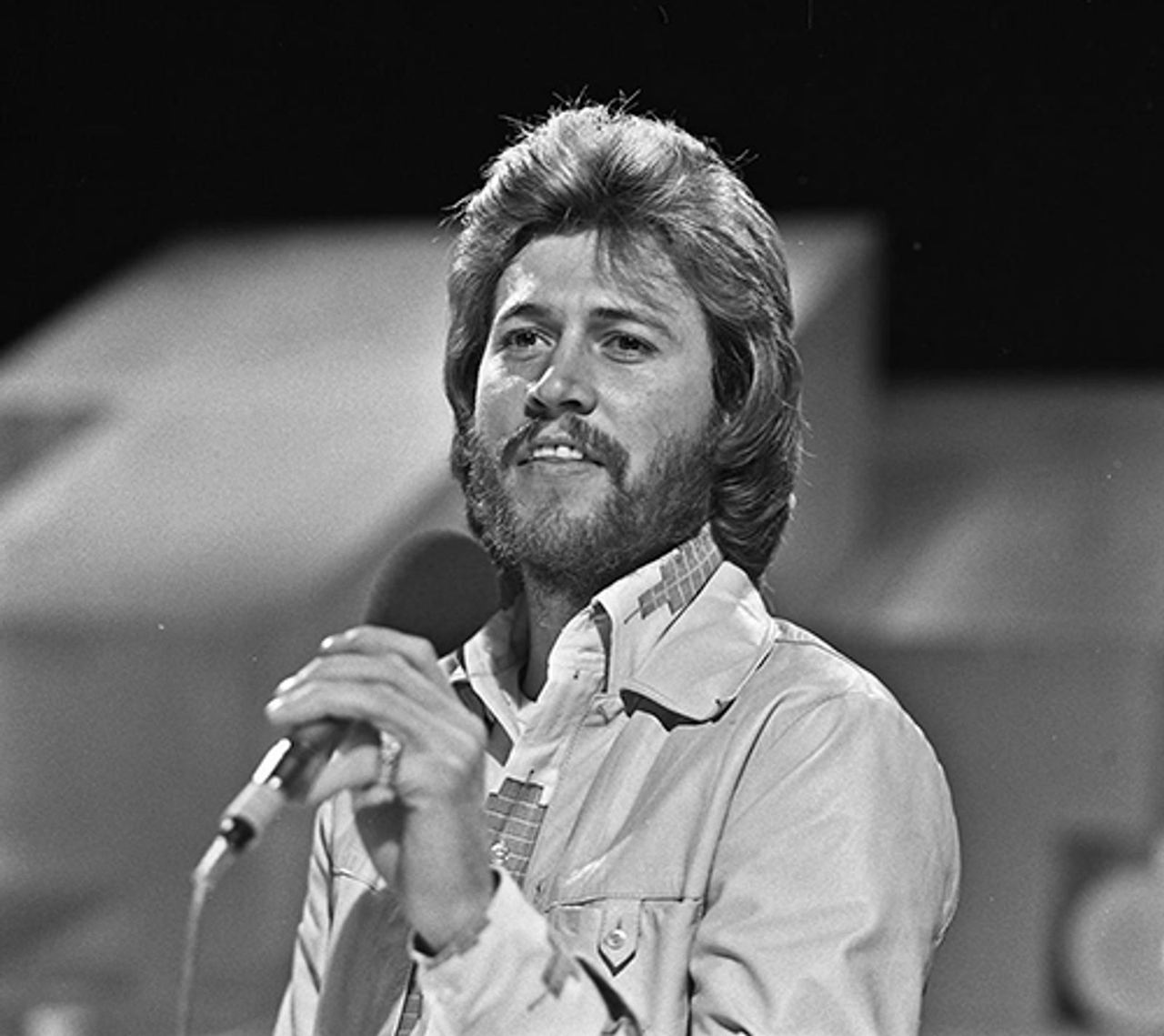
Lynyrd Skynyrd didn’t just write a hit—they captured a feeling that continues to echo long after the final guitar chord fades.
Continue reading
Released in 1971, this heartbreaking ballad changed how people heard breakup songs forever… because it wasn’t about anger or betrayal, but the quiet moment two people realize love is already gone.
7 minutes read
Share
X
Telegram
## Other posts
Jul 03, 2026
A Song Too Dangerous For Its Time — How Billie Holiday Turned “Strange Fruit” Into One Of…
Jun 10, 2026
Steve Perry and Journey’s “Open Arms”: The Power Ballad That Became an Arena-Rock Classic
Jul 22, 2026
The Dark Transformation of Olivia Newton-John: Behind the Grease Phenomenon
May 11, 2026
The Dark Murder Ballad Vicki Lawrence Turned Into a Number One Hit
May 16, 2026
How The Zombies' "Time of the Season" Became a Late-Blooming Global Hit
Jul 18, 2026
The Queen of Soul: Why Aretha Franklin Quit Flying Forever
May 20, 2026
The Day the World Thought Fats Domino Was Dead: A Hurricane Miracle
Jun 30, 2026
Etta James Transformed “At Last” into a Soul-Stirring Masterpiece That Still Echoes Throug…
Read more stories
- I never told my arrogant son-in-law that I was a retired federal prosecutor. At 5:00
- My Father Threw Me Out After I Donated My Kidney to My Stepsister—But the Hospital Recording Exposed the Truth That Changed Everything Forever
- A Woman in a Coma for Five Years Was Suddenly Found Pregnant
- HE WROTE COUNTRY MUSIC’S MOST HEARTBREAKING SONGS ABOUT LONELINESS — BUT FOR 41 YEARS, KRIS KRISTOFFERSON LIVED A COMPLETELY DIFFERENT STORY BEHIND CLOSED DOORS WITH LISA MEYERS.