Celebrities & Music
Jim Reeves Captivates with a Heartfelt Rendition of Have I Told You Lately That I Love You
The article explores Jim Reeves’ iconic rendition of the classic love song ‘Have I Told You Lately That I Love You,’ highlighting its impact on country music and the broader cultural landscape.
Originally written by Scotty Wiseman in 1944, “Have I Told You Lately That I Love You?” became one of country music’s most enduring love songs, but it was Jim Reeves who gave it one of its most unforgettable interpretations. Featured on his 1956 album _Singing Down the Lane_, Reeves’ smooth baritone transformed the familiar ballad into a warm, heartfelt performance that perfectly embodied the emerging Nashville Sound. Before becoming a country legend, Reeves had pursued professional baseball, but after an injury ended his athletic career, he turned to music and eventually signed with RCA Victor. His polished vocals, elegant orchestration, and sincere delivery helped bridge the gap between traditional country and mainstream pop, introducing the timeless song to an even wider audience while cementing his reputation as one of country music’s finest voices.
Chapter 2:
The Dangerous Truth Behind Nina Simone’s Most Controversial 1964 Anthem
In the spring of 1964, the air inside Carnegie Hall was thick with expectation. The audience, a refined collection of New York’s elite, waited for the soothing, velvet tones they associated with the legendary Nina Simone. But what they received instead was a seismic shift in American music history. Nina Simone stood center stage and unleashed Mississippi Goddam, a composition so fierce and incendiary that it tore through the polite veneer of the era. To the unsuspecting ear, the piano melody felt upbeat, almost like a show tune, but the lyrics were a jagged glass shard aimed directly at the heart of systemic injustice. It was a masterclass in musical misdirection, masking a dangerous, revolutionary truth behind an infectious rhythm.
Nina Simone did not just perform that night; she ignited a powder keg. While the audience at Carnegie Hall was stunned into a breathless silence, the true fallout occurred far beyond the auditorium walls. As the song hit the airwaves, it was met with immediate, visceral hostility. Radio stations across the South, fearful of the song’s raw power and its unapologetic condemnation of racial violence, initiated massive bans. Some industry insiders even sent promotional copies back to the record label, broken and destroyed in protest. The establishment could tolerate a soulful ballad, but they could not stomach the Nina Simone who demanded radical change.
This was not merely a song; it was a defiant declaration of war against a society that demanded Black artists remain silent about their suffering. Nina Simone navigated the complexities of her fame with a volatile intensity that often left her record executives terrified. She was a classically trained pianist who chose to weaponize her talent for the sake of the Civil Rights movement, despite knowing that such a path would alienate her from mainstream success. The pressure of balancing her artistic brilliance with the burden of becoming a political symbol began to take a toll, fueling the personal demons and erratic behavior that would haunt the later stages of her career.
The genius of Nina Simone lay in her ability to make the listener uncomfortable while demanding their full attention. Even decades later, the sonic dissonance between the peppy tempo and the gut-wrenching lyrics of her anthem remains a haunting experience. It serves as a stark reminder that music of the 1960s was not just about the melodies we hummed on the radio; it was a battlefield for the soul of a nation. Her willingness to risk everything for the truth is what cemented her legacy, far outlasting the short-sighted radio bans of the mid-century.
Today, we look back at the 1964 performance as a turning point, not just for Nina Simone, but for the entire trajectory of protest music. Her story is a testament to the fact that true art often requires a dangerous level of honesty. As we revisit these classic tracks, we are reminded that Nina Simone was never just a performer; she was a witness to history who refused to look away. What forgotten truths do you think remain hidden in the classic records you still listen to today?
Some songs feel carefully engineered for success. Others explode so naturally that they almost seem accidental.
“My Sharona” by The Knack was one of those explosions.
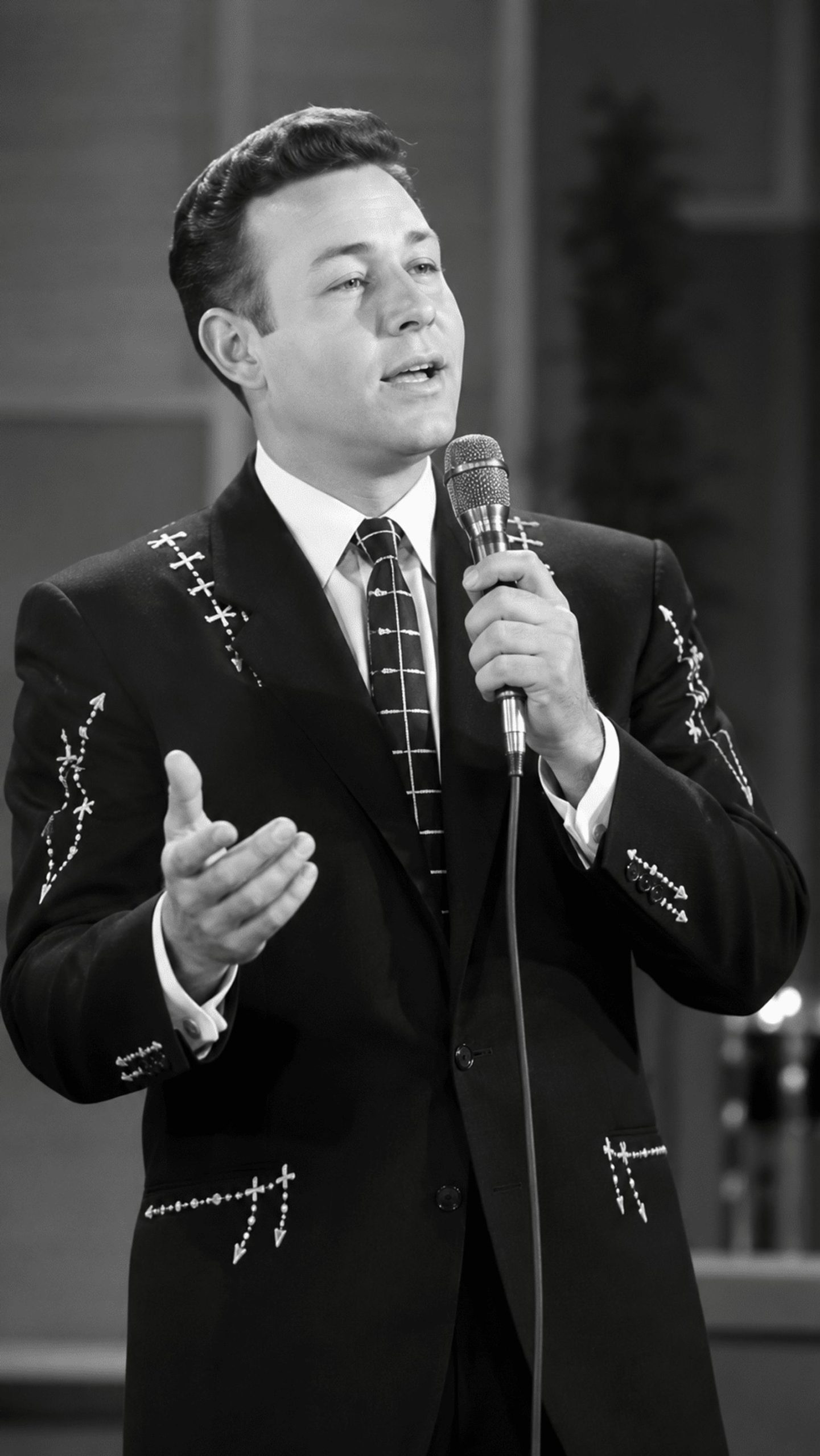
Written in roughly an hour and recorded in a single take, the song became a phenomenon almost instantly after its 1979 release. It spent six straight weeks at No. 1 on the Billboard Hot 100 and quickly turned into one of the most recognizable rock songs ever made.
“It sounded urgent, reckless, catchy—and completely impossible to ignore.”
Frontman Doug Fieger co-wrote the track with guitarist Berton Averre after becoming infatuated with a real teenager named Sharona Alperin, who would later become permanently tied to rock history through the song’s title and famous album cover.
Musically, “My Sharona” thrived on pure momentum.
The pounding bassline, Bruce Gary’s explosive drumming, and Fieger’s stuttering vocal delivery created a sense of nonstop tension and release. Then came Berton Averre’s legendary guitar solo—wild, technical, and far more intricate than most casual listeners expected from a radio hit.
The Knack also arrived with perfect timing.
At the end of the 1970s, rock music was caught between bloated arena acts and the rising energy of punk and new wave. The band’s stripped-down image and British Invasion-inspired style felt fresh, direct, and exciting again.
Merle Haggard’s ‘If We Make It Through December’ Captures the Heartache of Hard Times and Redefines Country Realism in 1973
In October 1973, Merle Haggard released “If We Make It Through December,” a song that immediately cut through the gloss of mainstream country music with its stark honesty and emotional depth.
At a time when radio was filled with feel-good tunes and polished production, Haggard delivered a somber ballad about unemployment, poverty, and quiet desperation—set against the backdrop of the holiday season.
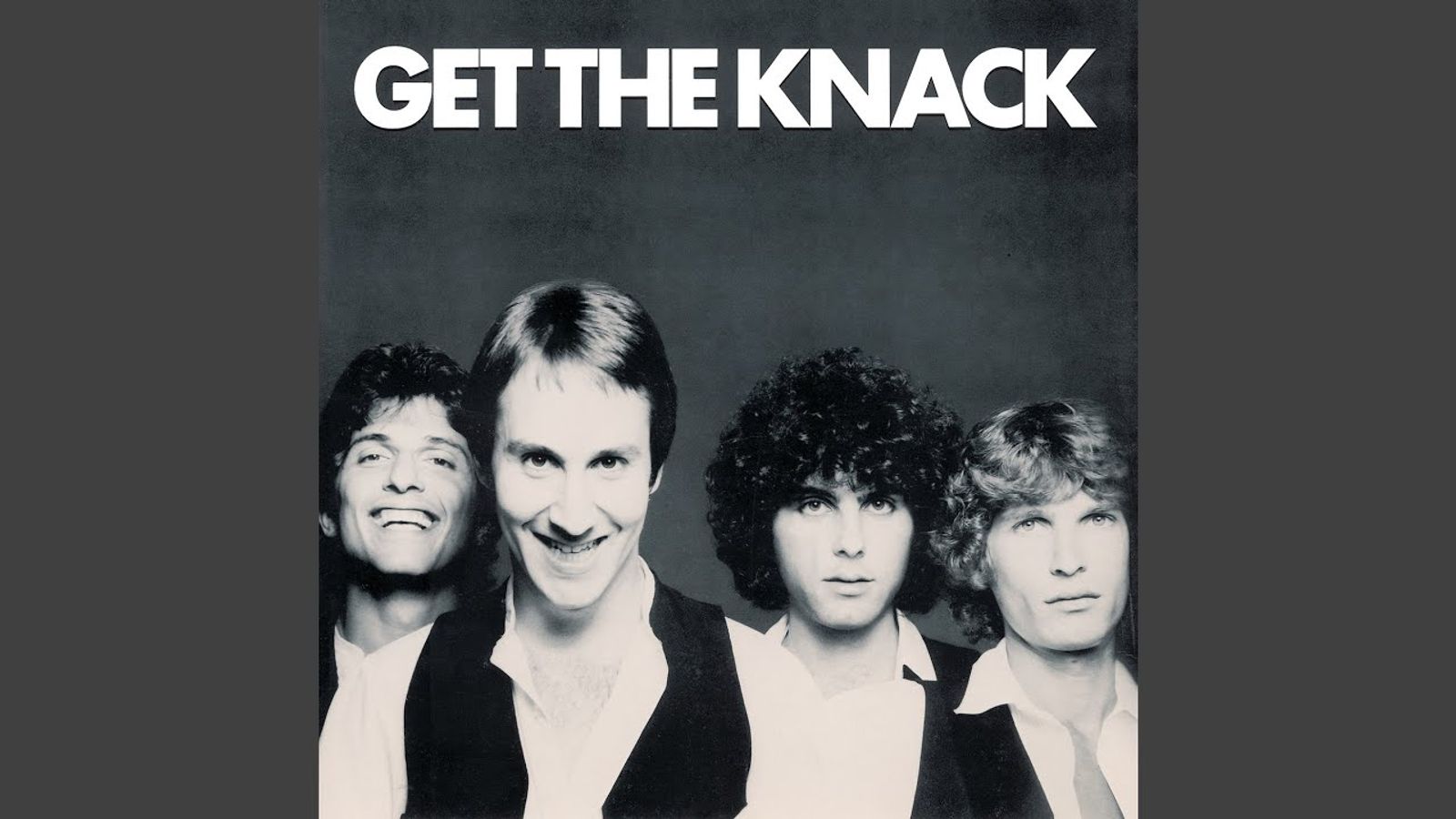
The song struck a chord with working-class Americans and became a No. 1 hit on the Billboard Hot Country Singles chart, staying there for four weeks.
Its crossover success was equally notable, reaching No. 28 on the Billboard Hot 100, an unusual feat for a country song with such bleak subject matter.
By 1973, Merle Haggard was already a towering figure in country music.
Born in a converted boxcar in Oildale, California, during the Great Depression, Haggard had lived the kind of hard life that most songwriters only imagined—juvenile detention, prison time, and a long road to redemption through music.
What set Haggard apart was not just his voice, with its dusty drawl and effortless phrasing, but his ability to make every lyric feel lived-in.
A central architect of the Bakersfield Sound, he offered a rawer, more stripped-down alternative to the string-laden Nashville style.
With hits like “Okie from Muskogee” and “Mama Tried,” he had already proven his storytelling prowess—but “If We Make It Through December” would push his artistry into more vulnerable territory.
The inspiration for the song came from Haggard’s deep empathy for working people.
While he wasn’t unemployed himself in 1973, he had seen enough of hard times to understand the quiet pain of a father who can’t buy Christmas presents for his child.
Haggard wrote the song himself, reportedly penning it in a hotel room while reflecting on how the holiday season can magnify hardship for those struggling.
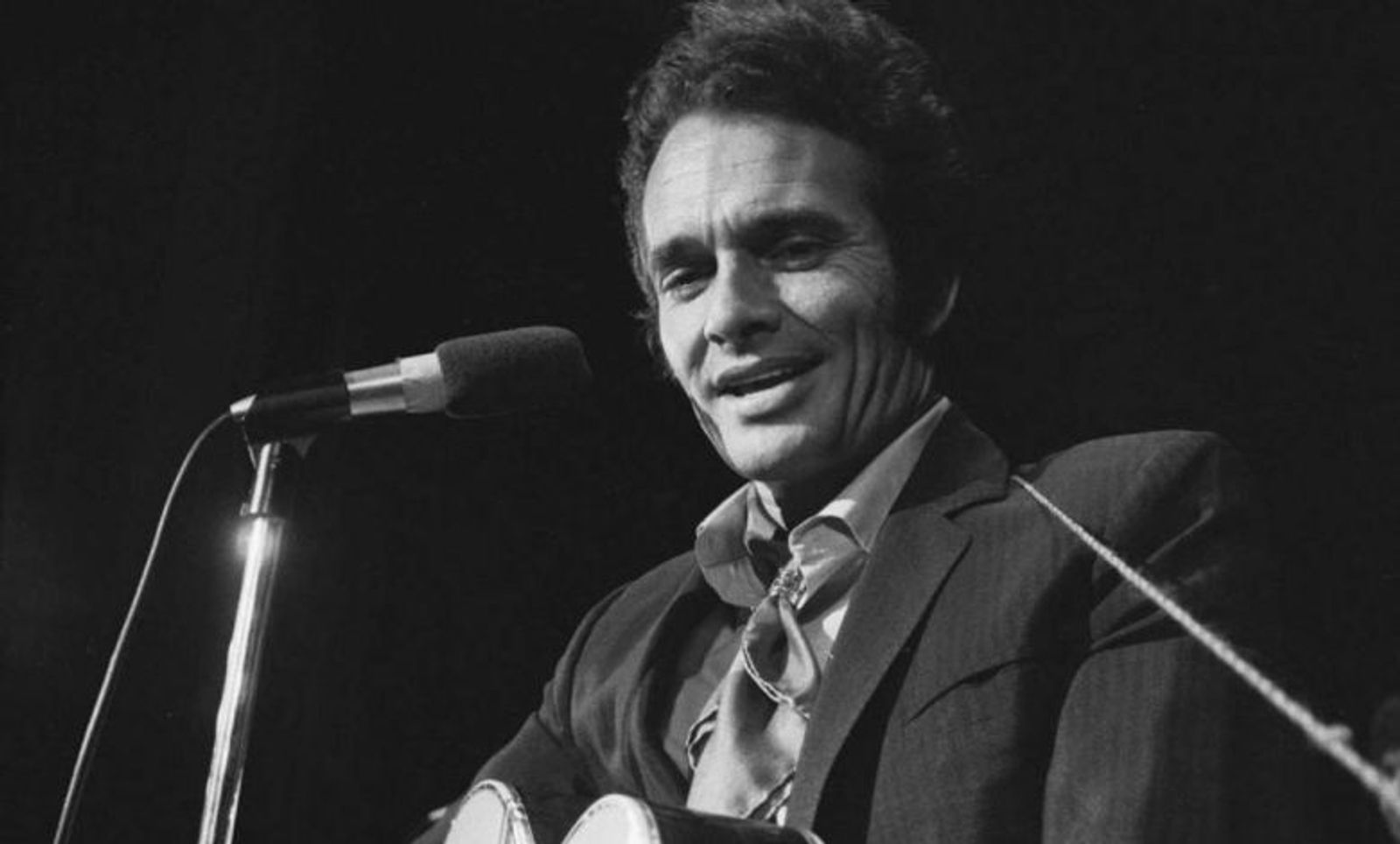
There’s no high drama in the lyrics—just a father laid off from his job, trying to keep his head up for his daughter.
That restraint, that simple humanity, is what made the song unforgettable.
Recorded at Capitol Studios in Hollywood and produced by Ken Nelson and Fuzzy Owen, “If We Make It Through December” was an exercise in subtlety.
The arrangement is sparse and haunting, featuring a delicate acoustic guitar, steel guitar flourishes, and understated piano lines that echo like distant memories.
Haggard’s vocal is restrained but weary, as if he’s barely holding it together—which, of course, mirrors the song’s protagonist.
Unlike many country ballads of the time, there are no strings, no choirs, no attempt to soften the blow.
The minimalism only adds to its emotional power.
The song’s release just before the holidays was strategic, but it wasn’t merely a seasonal tune—it was a lifeline.
In a year marked by economic downturns, layoffs, and a lingering recession, “If We Make It Through December” resonated deeply with American families.
It quickly climbed to No. 1 on the country charts and held that position from December 15, 1973, through early January 1974.
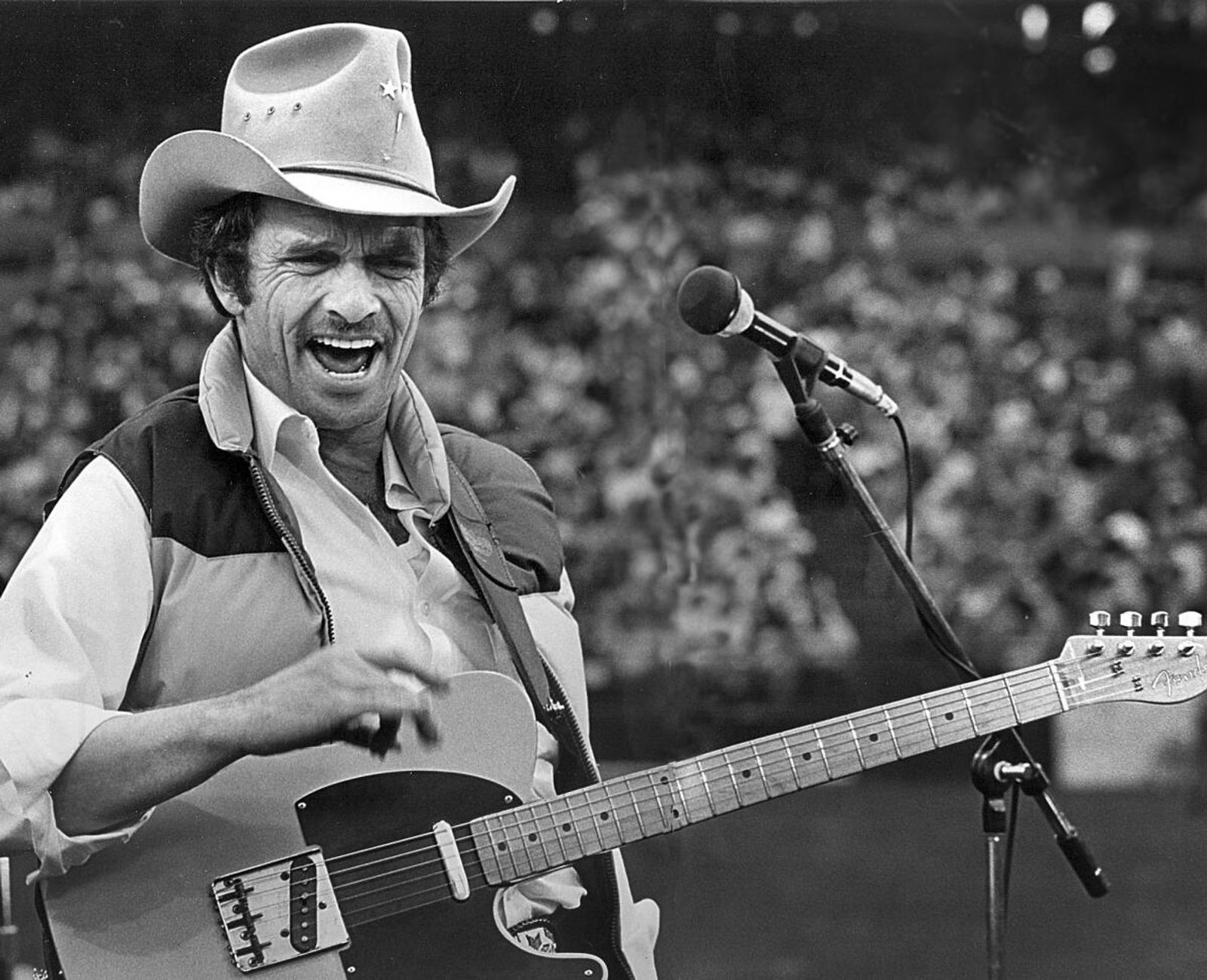
Its crossover appeal was even more impressive; it entered the Top 30 of the pop charts, introducing Haggard to a broader, more diverse audience.
The single was later included on a compilation album, Merle Haggard’s Christmas Present, but the track’s resonance far outlasted the holiday season.
Culturally, the song challenged the notion of what a Christmas song could be.
Where other seasonal hits focused on joy, warmth, or nostalgia, Haggard’s tune dealt in cold reality.
It became an anthem for the working poor, a group often invisible in pop culture portrayals of holiday cheer.
In doing so, it opened the door for more emotionally complex Christmas songs—paving the way for future artists to write about December not just as a season of celebration, but also of survival.
Professionally, “If We Make It Through December” added new depth to Haggard’s public persona.
While he had previously been cast—sometimes unfairly—as a hard-edged conservative figure due to “Okie from Muskogee,” this song reminded listeners of his capacity for empathy and nuance.
It re-established him not just as a hitmaker, but as a voice for those struggling to find dignity in hardship.
The song’s success helped secure his reputation as one of the genre’s most versatile and emotionally literate storytellers.

The influence of the song rippled outward.
It inspired other country artists to embrace more grounded and realistic narratives, particularly around themes of working-class struggle.
Its bare-bones production, emotionally restrained delivery, and socially aware lyrics were echoed in the works of future songwriters like Steve Earle, Alan Jackson, and later Jason Isbell.
It’s also been cited by music historians as a precursor to the Americana movement, which prizes storytelling and authenticity over commercial sheen.
Over the years, “If We Make It Through December” has been covered by a wide range of artists—from country veterans like Marty Stuart and Alan Jackson to indie acts drawn to its haunting realism.
Each interpretation brings something new to the table, but few can match the quiet heartbreak of Haggard’s original.
Perhaps the most moving cover came from Haggard himself, who revisited the song later in life with a voice aged by time, adding even more gravity to the already somber lyrics.
Don Williams’ ‘I Believe in You’ Bridges Generations and Brings Gentle Wisdom to Country Music in 1980
The timing of the song’s release also coincided with significant changes in Haggard’s personal life.
His marriage to Bonnie Owens had ended just a year prior, and his increasing fame brought with it pressures that weighed heavily on the once-rebellious outlaw.

Despite these challenges, or perhaps because of them, Haggard continued to create music that spoke to the realities of ordinary people.
Today, the song remains one of Merle Haggard’s most iconic and enduring works.
It still receives radio play each December, though its message is universal enough to resonate year-round.
In the 21st century, amid renewed conversations about economic inequality and the fragility of work, “If We Make It Through December” feels as timely as ever.
From a musical standpoint, the track helped solidify the idea that less can be more.
Its restrained production and lack of studio gloss proved that the right lyrics, paired with the right voice, can be more powerful than any orchestration.
It encouraged a generation of producers to trust in the artist’s delivery rather than polish the edges away.
Though Haggard passed away in 2016, his legacy continues to loom large—and “If We Make It Through December” is central to that legacy.
The song is often cited in retrospectives, documentaries, and critical essays as one of the finest examples of socially conscious songwriting in country music.
It reflects not only Haggard’s personal journey but the broader American experience during a time of uncertainty.
Ultimately, “If We Make It Through December” endures because it dares to be honest.
It doesn’t promise miracles or offer empty comfort.
Instead, it gives voice to quiet perseverance, to the hope that if we can just hang on a little longer, things might get better.
In doing so, Merle Haggard created not just a great country song—but a timeless piece of American music history.