
News
Janis Joplin’s First Hard Audience Was at Home
Before she became the wild, unmistakable voice of a generation, Janis Joplin was a young woman in Port Arthur, Texas, aching for acceptance from a family that never seemed to understand who she was becoming.

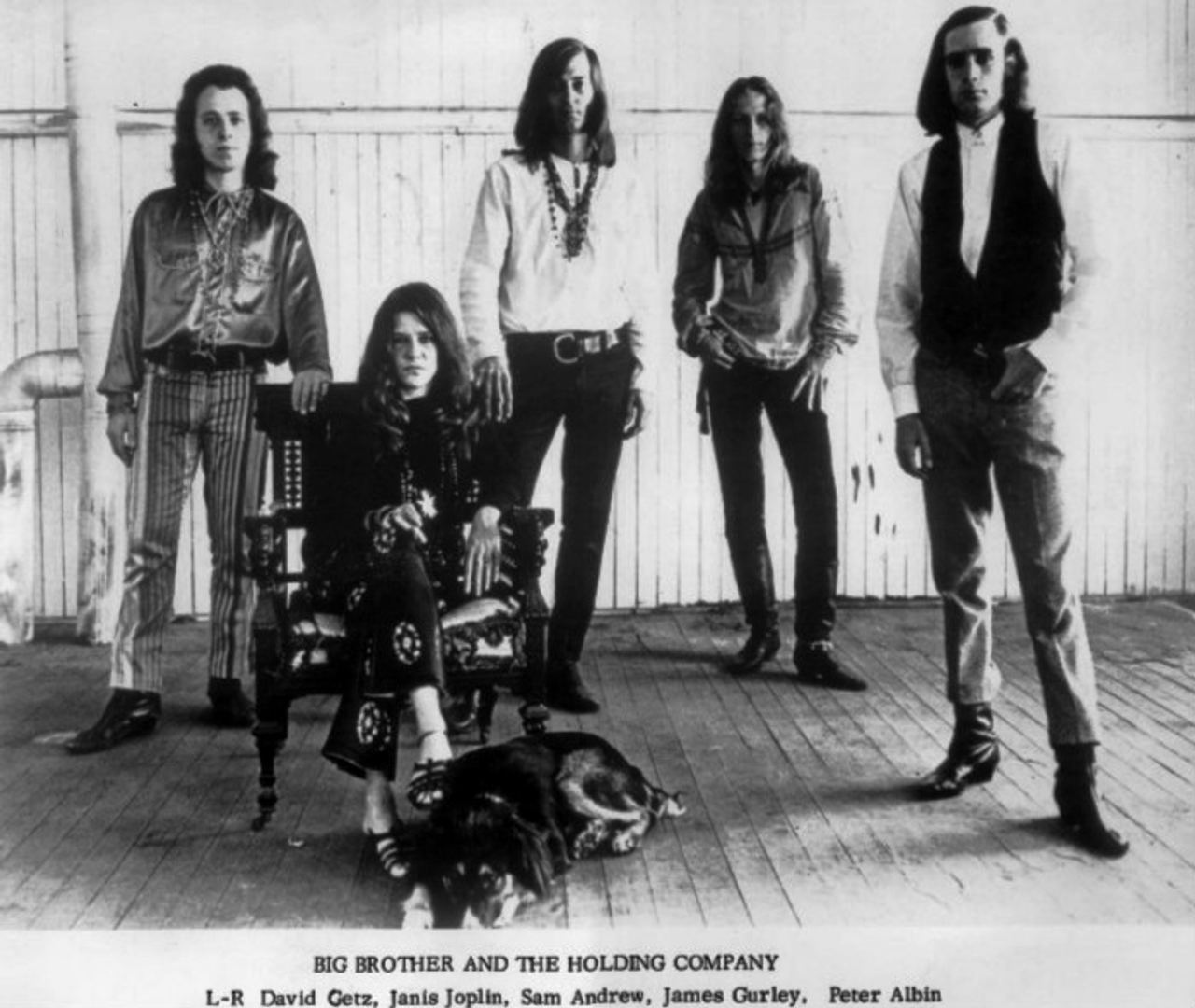
A restless girl in a respectable Texas household
Long before she strode onto festival stages in feathers and bangles, Janis Joplin was a daughter in a conservative, middle-class home in Port Arthur, where good manners, social conformity, and respectability carried enormous weight. In that setting, Janis stood out early. She was bright, intense, artistically inclined, and increasingly unwilling to pretend she fit the mold expected of a Southern girl in the 1950s.
The conflict was not merely generational rebellion. Janis’s sympathy for outsiders, her openness to racial integration, and her attraction to blues music placed her at odds with the values surrounding her. Inside her own household, those differences became personal. What Janis embraced as honesty and self-expression could look, to her family, like defiance, embarrassment, or danger.
The mother-daughter clash that left a mark
At the center of that domestic strain was Janis’s relationship with her mother, Dorothy Joplin. Accounts of Janis’s early life have long emphasized how deeply she wanted approval and how painfully she felt its absence. Home was supposed to be a refuge, yet for Janis it could also be the place where she felt most judged.
One bitter confrontation became emblematic of that wound: in anger, Dorothy declared that she wished Janis had never been born. Whether remembered as a flash of rage or as the distilled truth of a larger relationship, the impact was devastating. For a young woman already struggling to belong, the words landed with lasting force, turning family rejection into an injury she carried forward.
Even after she was famous, the need beneath the bravado remained the same: Janis still wanted someone back home to say she was enough.
Why Port Arthur felt too small
Port Arthur was not simply the backdrop to Janis Joplin’s youth; it was one of the pressures shaping it. In a community where reputation mattered and difference drew scrutiny, Janis’s clothes, opinions, and musical passions set her apart. She was mocked by peers and misunderstood by many around her, experiences that deepened the sense that she had no easy place in the world she came from.
The blues, with its ache, swagger, and emotional directness, offered an alternative language. Janis was drawn to voices that turned suffering into sound. That pull was more than musical taste. It was a way of recognizing herself in art before she could find recognition in the people closest to her.
Heading west in search of air
When Janis left Texas and headed toward San Francisco in the 1960s, the move was more than a change of address. It was an escape from judgment and a leap toward a world that seemed to have room for misfits, seekers, and self-invented identities. The journey west has become part of her legend, but beneath the mythology was a lonely, practical reality: hitching rides, making do with little money, and trading security for uncertainty.
San Francisco offered freedom, but not peace. Cheap rooms, transient friendships, and a new countercultural landscape could not erase the emotional imprint of home. Janis had fled the atmosphere that constrained her, yet she carried its verdicts with her. Distance altered the scenery, not the hunger to be seen and accepted.
Fame did not quiet the daughter writing home
By the time Janis Joplin became a national sensation, she had achieved the kind of success that should have settled every old argument. Her voice was instantly recognizable, her stage presence electrifying, and her public image defiantly unlike anything Port Arthur would have prescribed. But triumph did not sever the emotional line back to Texas.
She continued to write letters home, carefully noting earnings and professional milestones, as if credentials and accomplishment might finally win the affirmation that authenticity never had. There is something heartbreaking in that image: the fearless performer onstage becoming almost childlike in private correspondence, still hoping her family would answer success with warmth. Yet by many accounts, Dorothy remained cool and embarrassed by her daughter’s lifestyle, unable or unwilling to meet Janis where she lived.
How private hurt became public power
What made Janis Joplin’s singing so arresting was not polish but exposure. Her voice did not conceal damage; it transmitted it. The crackle, rasp, and desperate push in her delivery gave listeners the sense that every line cost her something. She sang not as if she had solved pain, but as if she were still inside it, still wrestling it into meaning.
That is why the family story matters. It helps explain the unusual urgency in her performances. Janis did not merely interpret heartbreak; she seemed to relive abandonment, longing, and the need to prove worth each time she stepped to the microphone. Fame gave her an audience, but the emotional drama remained intimate and unresolved: a daughter still trying to sing her way past the sound of rejection.
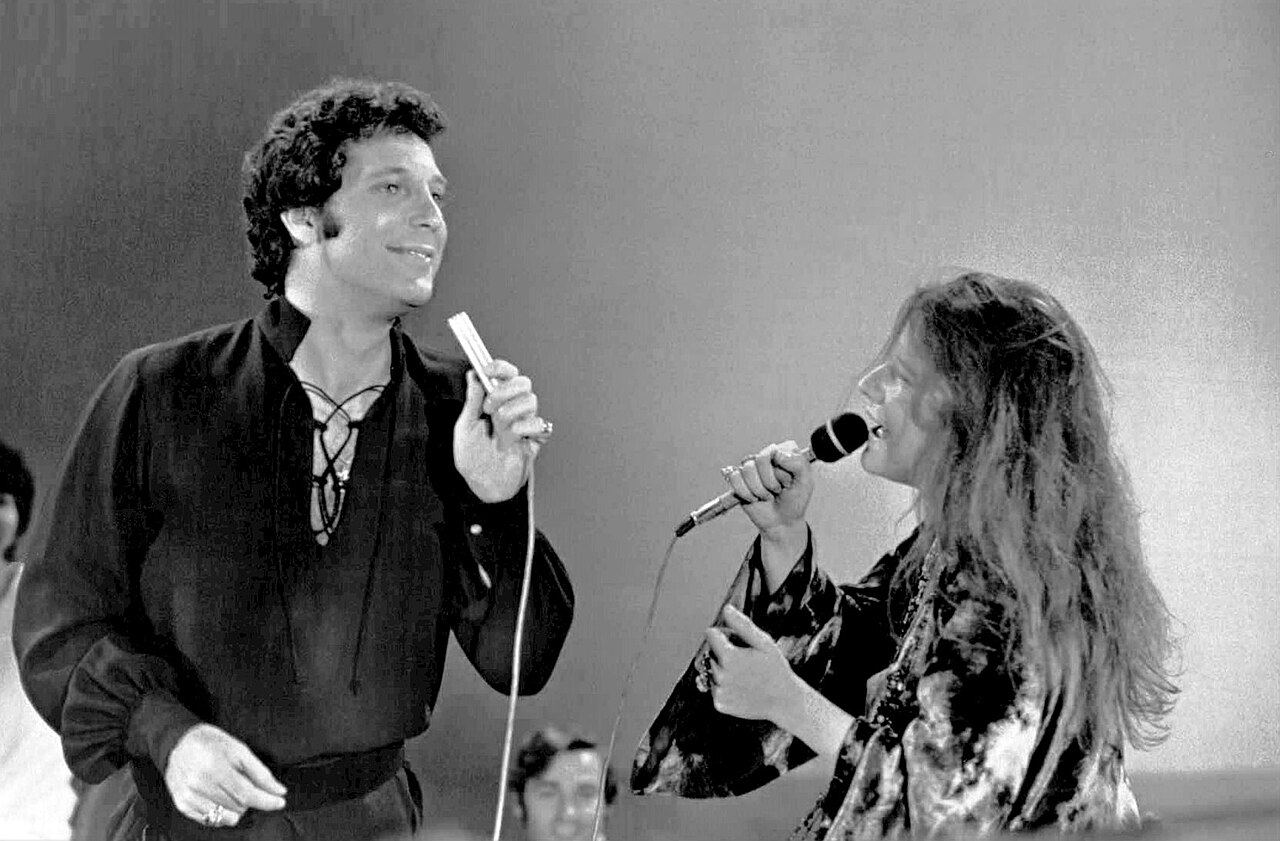
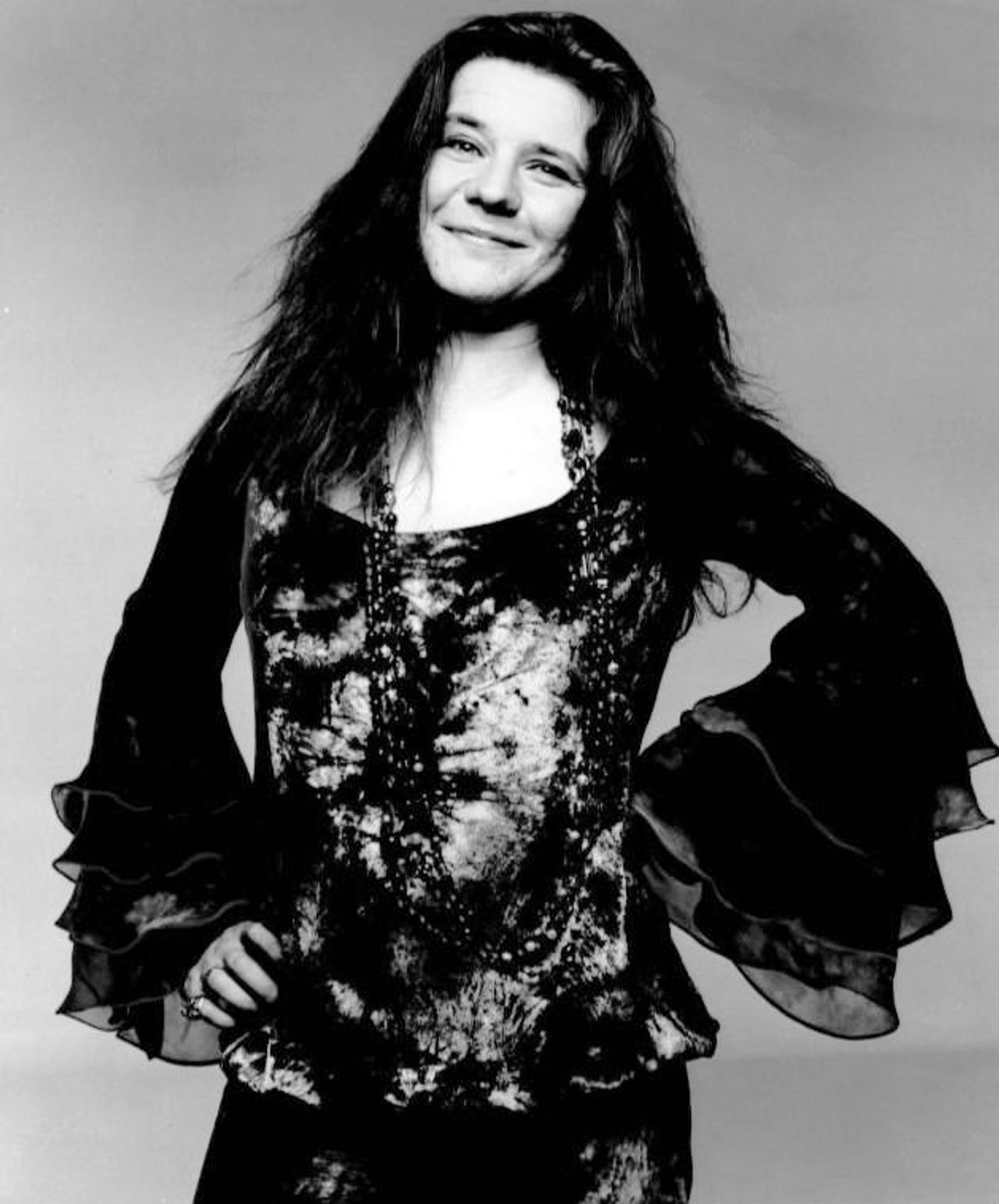
Quick Facts
- Subject: Janis Joplin
- Hometown: Port Arthur, Texas
- Family tension: She clashed with her conservative upbringing and with her mother, Dorothy Joplin
- What she sought: Acceptance for her identity, beliefs, and love of blues music
- What changed: She left for San Francisco in the 1960s
- What remained: A lasting need for approval from home despite fame
Image credits: Albert B. Grossman. His management information is shown on the identical, autographed copy of the image. / Wikimedia Commons / Public domain; ABC Television-while the release has apparently been cut down, the ABC Television New York Avenue of the Americas address can be seen on it. / Wikimedia Commons / Public domain; Grossman Glotzer Management Corporation / Wikimedia Commons / Public domain.

