
News
“In the Mood”: How Glenn Miller Turned a Riff Tune Into the Sound of the Swing Era
Recorded on August 1, 1939, Glenn Miller and His Orchestra fixed “In the Mood” in the public imagination with a crisp, propulsive performance that became one of the defining instrumentals of big band music.

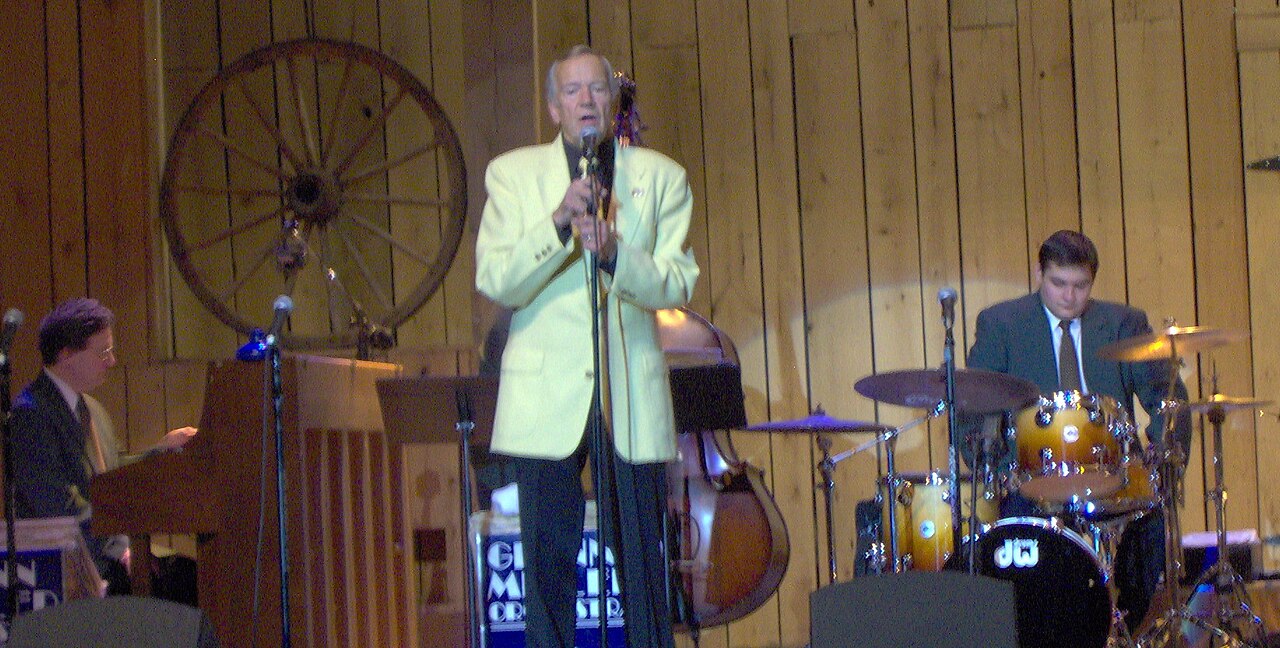
A recording that came to define an era
Few swing recordings are as instantly recognizable as “In the Mood.” The 1939 Glenn Miller and His Orchestra version begins with a relaxed, teasing setup and then locks into a pulse so clean and confident that it feels almost architectural. Even listeners who do not know the title often know the sound: the rising excitement, the stop-start tension, the final rush that seems to sum up the big band age in just a few minutes.
That durability comes from more than catchy riffs. Miller’s band gave the piece a shape that felt both disciplined and exuberant, balancing dance-floor energy with exacting ensemble control. In doing so, the orchestra turned a developing riff-based number into a signature performance, one that would come to stand for the swing era itself.
“In the Mood” sounds inevitable now, but its power lies in how expertly Glenn Miller’s band organizes anticipation, release and sheer momentum.
From riff idea to big band standard
At its core, “In the Mood” is built from short, memorable phrases rather than an ornate melody. That made it ideal material for the swing era, when bands thrived on repetition, contrast and the cumulative effect of section interplay. The tune’s famous figures feel simple on the page, but in performance they become a conversation between saxophones, brass and rhythm.
That kind of construction helps explain why the piece could travel so widely in American popular culture. Riff tunes were flexible, danceable and easy to recognize after a single hearing. What Glenn Miller did was give that raw material a definitive frame: polished enough for radio, exciting enough for ballrooms, and sharp enough to separate his orchestra from a crowded field of bands.
Why the August 1, 1939 recording mattered
The Bluebird recording by Glenn Miller and His Orchestra is the version listeners still return to because it captures the band at full command of its identity. Miller’s approach prized precision. Entries are clean, balances are deliberate, and the famous dynamic build is controlled with unusual patience. Instead of charging through the arrangement, the band lets each layer click into place.
That restraint is crucial to the record’s effect. The reeds have the smooth, blended sonority associated with Miller’s style, while the brass arrives not as a blur of volume but as a timed escalation. By the time the arrangement reaches its playful breakdowns and final lift, the performance feels less like a jam and more like a perfectly engineered machine gathering speed.
The Glenn Miller sound
Miller’s orchestra was known for a polished reed voicing that helped distinguish it from many contemporaries. In “In the Mood,” that refinement gives the tune a sleek surface without draining it of swing. The band sounds disciplined, but never stiff; bright, but never chaotic. It is a textbook example of how arrangement and sonority can create a band identity as powerfully as any star soloist.
Just as important is the ensemble’s control of dynamics. The performance understands that excitement in swing often comes from what is held back. Miller’s band uses space, contrast and carefully measured crescendos to heighten the listener’s anticipation. The famous climactic feel of the record is not accidental spontaneity. It is the result of meticulous pacing.
Why it became the anthem of swing
“In the Mood” endured because it distilled so many pleasures of the big band era into one accessible instrumental. It was dance music, radio music and showpiece arranging all at once. Its riff logic made it memorable, its pulse made it physical, and its finish made it feel triumphant. For audiences then and now, it offers an idealized version of swing: stylish, buoyant and communal.
Over time, the recording’s cultural role grew beyond its original release. It became shorthand for an entire musical world of ballrooms, broadcasts, brass sections and sharply tailored orchestras. That is a rare achievement for any record, let alone an instrumental. “In the Mood” did not merely succeed within the swing era; it became one of the sounds by which the era is remembered.
A performance that still lives on
Even decades later, the Miller recording remains a gateway into big band music. Its appeal is immediate enough for casual listeners and sophisticated enough for musicians interested in voicing, phrasing and arrangement. That dual quality helps explain why it continues to circulate in films, documentaries, radio retrospectives and introductory playlists of classic American popular music.
For many listeners, “In the Mood” is not simply a period piece. It is a demonstration of how popular music can achieve permanence through clarity of design. Glenn Miller and His Orchestra did not invent the idea of the riff-driven swing number, but with this recording they gave it one of its most enduring forms.
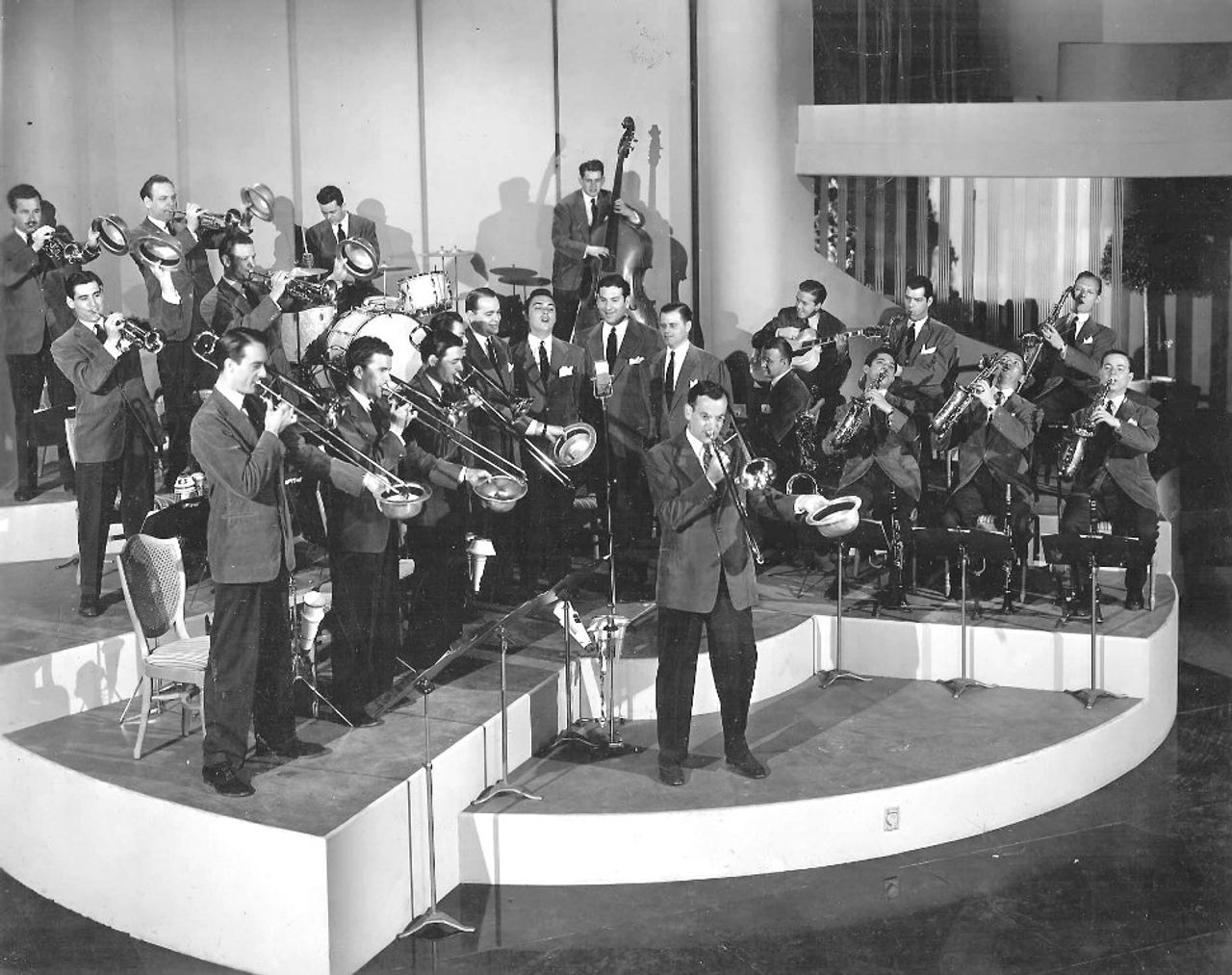
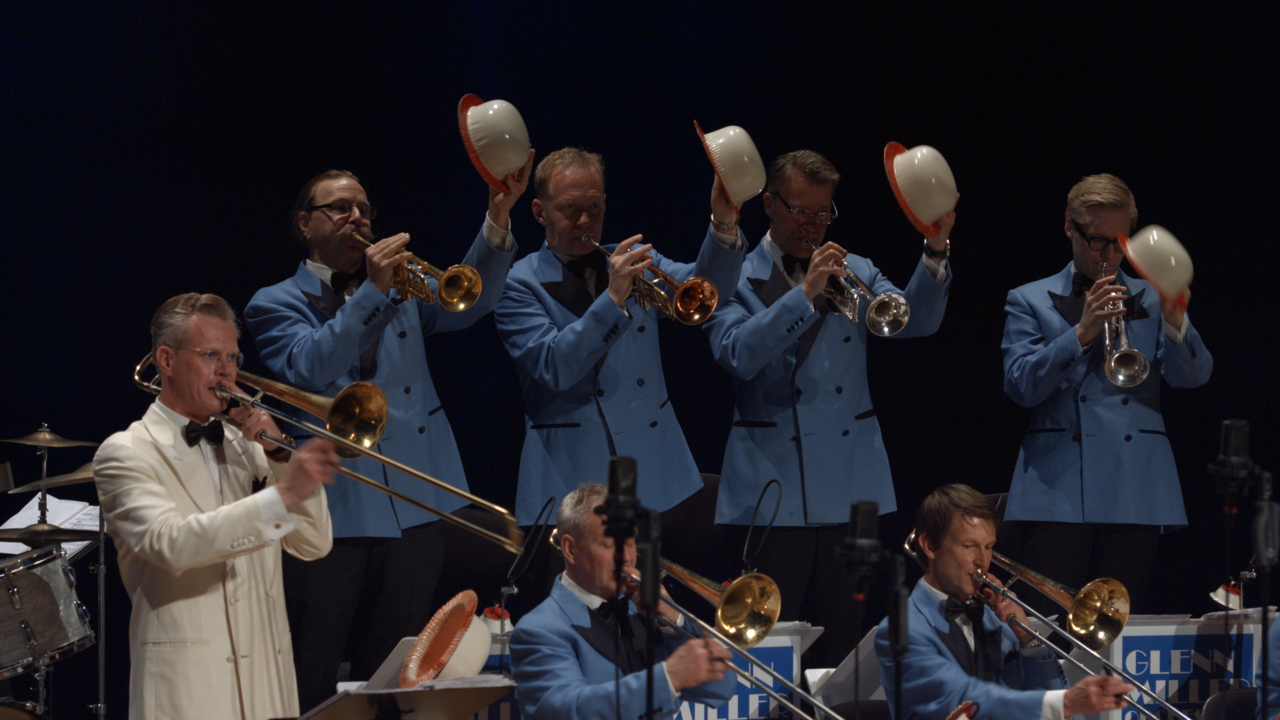
Quick Facts
- Song: “In the Mood”
- Artist: Glenn Miller and His Orchestra
- Recording date: August 1, 1939
- Label/version: Definitive 1939 Bluebird recording
- Known for: One of the most recognizable big band instrumentals of the swing era
Image credits: FloNight (Sydney Poore) / Wikimedia Commons / CC BY-SA 3.0; Unknown, 1940-1941 / Wikimedia Commons / Public domain; GlennMiller / Wikimedia Commons / CC BY-SA 4.0.

