
News
In Charley Pride’s Final Public Hours, the Story He Chose to Tell Was About Rozene
At the 2020 CMA Awards, as country music honored Charley Pride’s towering legacy, the singer spent his last public appearance reflecting on the woman who helped him endure the hardest parts of the road.

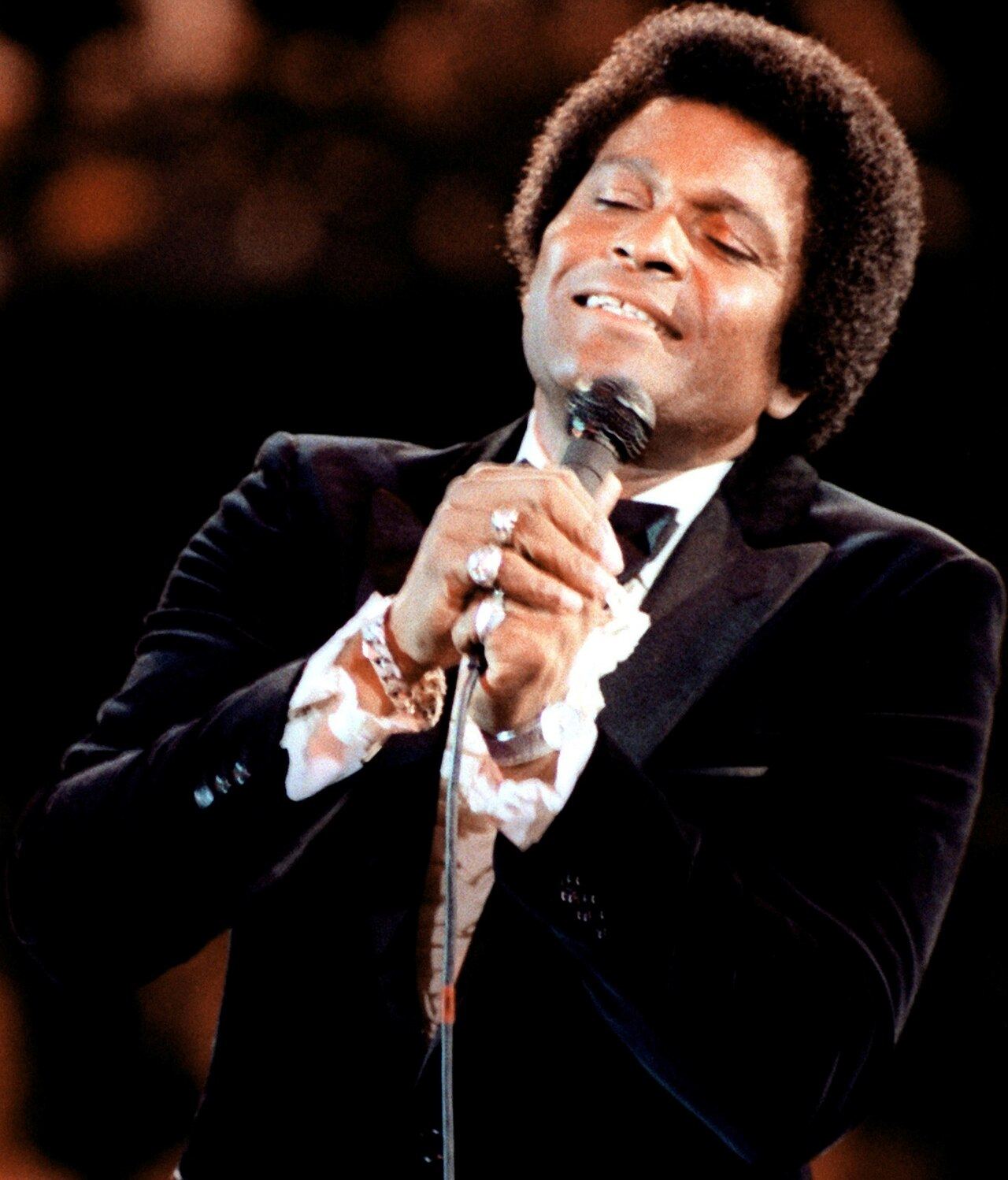
A final spotlight, and a different kind of acceptance speech
On November 11, 2020, Charley Pride walked onto the stage at the 54th Annual CMA Awards in Nashville to accept the Willie Nelson Lifetime Achievement Award, one of the highest honors country music can bestow. The moment had the weight of history: Pride was a foundational figure in the genre, a singer whose success reshaped what country music looked and sounded like to the wider public.
But backstage, with the crystal trophy in hand, Pride did not dwell on his long run of hits or on the barriers he had broken as a Black artist in a segregated business. Instead, he talked about Rozene Pride, his wife since 1956, and the life they had built together long before the applause, the awards and the industry recognition arrived.
He spent his final public appearance not centering his legend, but the person who helped make its cost bearable.
Before Nashville, there was work, baseball and a young marriage
Pride’s memories reached back to the years before country stardom, when life was defined less by glamour than by labor and endurance. He spoke of pitching in the Negro Leagues and taking smelting jobs to help make ends meet, the kinds of hard, practical work that framed the early years of his marriage and sharpened his sense of discipline.
Those recollections mattered because they located his story in ordinary struggle rather than myth. Before record labels came calling, before Nashville found a way to market a voice as unmistakable as his, there was a couple learning how to carry uncertainty together. In Pride’s telling, Rozene was not a footnote to the rise; she was there at the very beginning, when there was no guarantee of any rise at all.
The backstage story behind a famous name
One of the details Pride returned to was from his visits to RCA Victor in the 1960s. Producer Chet Atkins, a towering figure in Nashville, would sometimes put aside business and tell Pride that Rozene was one of the most stunning women he had ever met. It was a line with humor in it, and Pride told it that way, with the ease of a man revisiting a memory polished by affection.
But the anecdote carried more than charm. In the formal spaces of the music business, where contracts and recordings were supposed to matter most, Rozene’s presence still entered the room. Pride’s retelling suggested a marriage so central to his life that even industry legends recognized it, not as a sentimental accessory to fame, but as part of the man they were working with.
The unspoken pressure of crossing country music’s color line
To walk into country music as a Black singer in the mid-20th century required more than talent. It demanded control, patience and a capacity to absorb hostility without letting it define every public interaction. Pride understood that clearly. The achievement visible in awards and record sales rested on a quieter architecture of self-command.
That is where Rozene’s role came into view most sharply in his final reflections. Pride was direct about the fact that she gave him steadiness at home, a place where the strain of public tension did not have to become private collapse. When the road brought lean years, difficult stops or the daily abrasions of segregation, her support made the life around the career survivable.
A marriage as ballast
By the time of that CMA appearance, Pride was speaking about sixty-four years of marriage. The number alone suggested durability, but his comments gave it texture. This was not nostalgia for nostalgia’s sake. He was describing the kind of partnership that absorbs instability and turns it into routine: the spouse who remains when jobs are uncertain, when travel is draining, when public life asks one person to carry more than should be expected.
There was a particular tenderness in the contrast between the scene and the subject. Here was an eighty-six-year-old icon holding a career-crowning award, yet the emotional center of the moment was domestic rather than ceremonial. In his final public hours, Pride seemed less interested in country music’s verdict on him than in making sure the woman who had believed in him before the industry did was part of the story.
What his last appearance revealed about legacy
Charley Pride died a month later from complications of COVID-19, giving that CMA appearance the force of an unintended farewell. Seen in retrospect, it was not simply a tribute from the industry to one of its giants. It was also Pride’s own act of emphasis, a deliberate turning of attention away from legend and toward loyalty.
That choice says something enduring about the way artists understand their own histories. Public memory tends to arrange a life around milestones, firsts and trophies. Pride, at the end, pointed elsewhere: to the private road diaries behind the public triumph, to the marriage that made persistence possible, and to the fact that even the most celebrated careers are often carried by someone standing just outside the spotlight.

Quick Facts
- Event: 54th Annual CMA Awards
- Date of final public appearance: November 11, 2020
- Honor received: Willie Nelson Lifetime Achievement Award
- Location: Nashville
- Wife: Rozene Pride
- Years married at the time: 64 years
Image credits: GREG MATHISON / Wikimedia Commons / Public domain; Republic Country Club / Wikimedia Commons / CC BY 2.0; Republic Country Club / Wikimedia Commons / CC BY 2.0.

