
News
In Billy Joe Shaver’s Darkest House: Love, Addiction and the Losses That Shaped a Song
As Brenda Joyce Tindell lay dying in the family home in Waco, Billy Joe Shaver faced an intimate collapse of love and family that would soon claim both his wife and his only son.

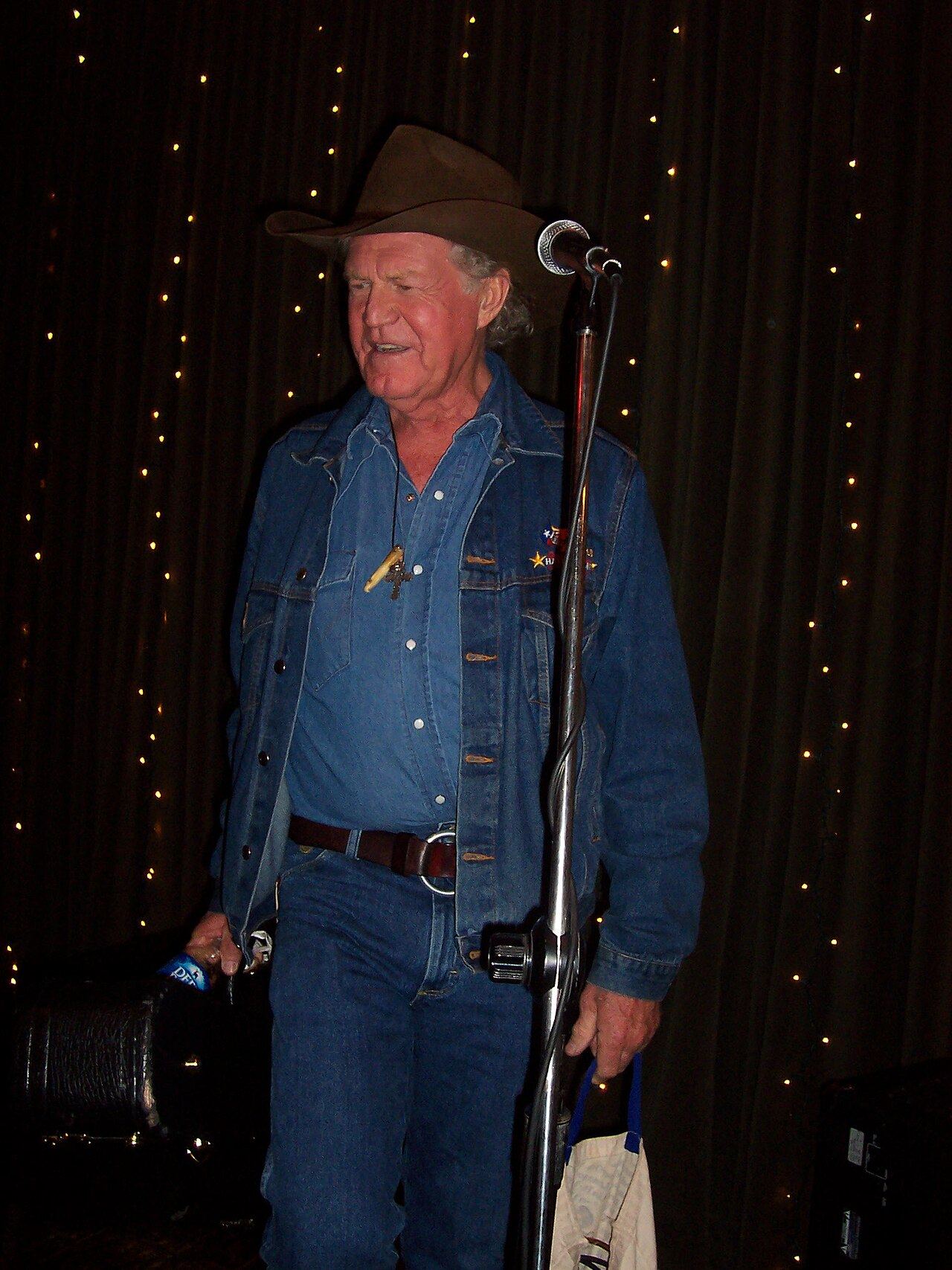
A bedside scene in Waco
In the last days of Brenda Joyce Tindell’s life, the drama inside Billy Joe Shaver’s Waco, Texas, home had narrowed to a single room and a single bed. Brenda was dying of terminal cancer in 1999, and Shaver, already a towering figure in outlaw country, was not onstage or on the road in those hours. He was at home, tending to the woman he had loved for decades.
He had cared for her largely on his own for two years, cleaning her wounds every day, trying to preserve her comfort and dignity as illness stripped away strength and privacy alike. Their relationship had been long, complicated and enduring enough to survive three marriages to each other. In the end, what remained was not legend but labor: the repetitive, heartbreaking work of helping a loved one die at home.
The rings disappear
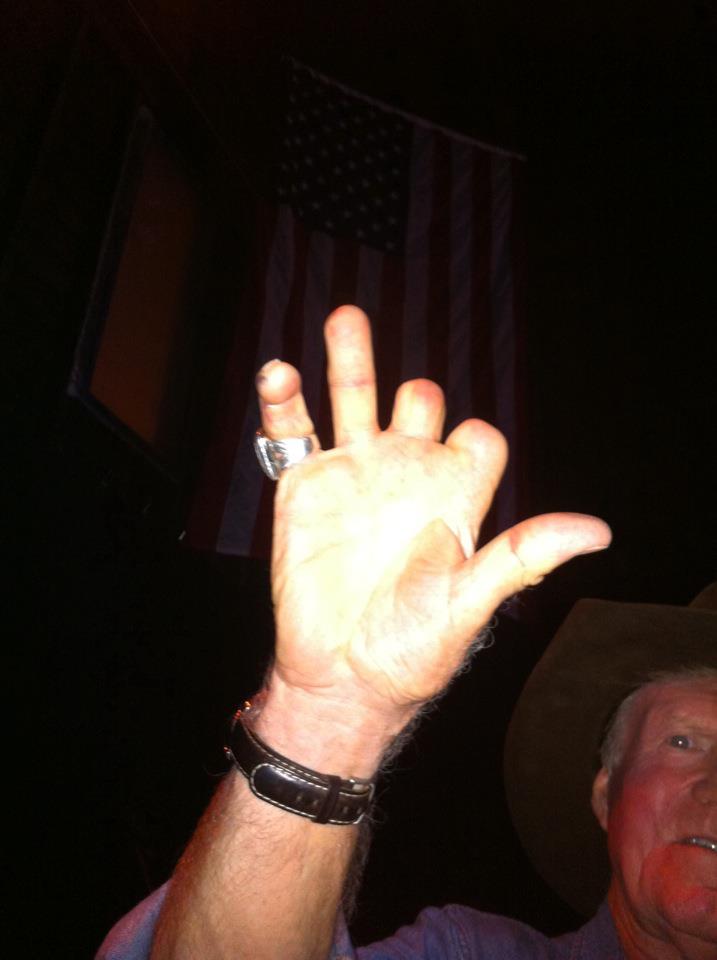
As Brenda weakened, even the rings she had worn for years no longer sat securely on her fingers. Cancer had left her hands thin and fragile. In a house already buckling under grief, that small physical change became the opening for an act Shaver would never forget.
During a brief moment when he stepped away from Brenda’s bedside, the rings were pulled from her hands. The woman living in the house with Shaver’s son Eddy, later Eddy’s wife Irene, took them for drug money while Brenda was too weak to resist. When Shaver returned and saw his dying wife’s bare fingers, the violation was immediate and unmistakable. It was theft, but more than that, it was desecration at the edge of death.
At that moment, the family crisis was no longer separate from the vigil at Brenda’s bedside; they had become the same tragedy.
A father, a son, and heroin in the next room
The cruelty of the moment was sharpened by proximity. While Brenda drifted in and out of consciousness, Eddy Shaver was under the same roof, struggling with severe heroin addiction. Eddy was not just Billy Joe Shaver’s only child; he was a gifted guitarist and a central musical partner in his father’s later career, a player whose feel and instinct deepened the emotional force of Shaver’s songs.
But talent offers no immunity from addiction. Heroin had taken hold inside the family’s daily life, not as an abstraction but as a destructive presence moving through rooms, relationships and routines. For Shaver, then about 60 years old, the house had become a place where two different kinds of losing were happening at once: the slow, visible loss of his wife to cancer and the accelerating loss of his son to drugs.
Why Shaver did not throw them out
A furious confrontation followed the discovery of the missing rings. By any ordinary measure, expelling the couple from the house would have been the natural response. Yet Shaver did not do it. He swallowed the rage that came with seeing Brenda robbed in her final hours, and he made a choice that speaks to the impossible arithmetic of families in crisis.
He wanted peace for Brenda in the time she had left. He also wanted Eddy near. Throwing his son out might have satisfied justice in the moment, but it also might have pushed him further away at a time when Shaver was already facing one irrevocable goodbye. So he endured the unbearable contradiction: protecting the quiet around his dying wife while trying not to lose his son to the chaos growing under the same roof.
The losses that followed
Brenda died on July 30, 1999. The home where Shaver had spent two years caring for her became, after her death, a place marked by absence and by the memory of what had happened there. The rings were only one part of that memory, but they carried a particular symbolic charge: marriage, devotion, history and the indignity of seeing all of it reduced to cash for a fix.
The addiction that had haunted Brenda’s final days did not leave with her passing. On December 31, 2000, Eddy Shaver died of a heroin overdose. The sequence is as brutal as family history gets: first the wife after a long illness, then the only son after a struggle with drugs. For Billy Joe Shaver, those years became one of the starkest passages in a life already full of hard weather.
Turning grief into song
Two years later, Shaver put the experience into music, transforming private devastation into public art the way great songwriters often do when ordinary speech no longer seems adequate. In his work, autobiography was never a matter of simple confession. He wrote from wounds, but he shaped them into stories sturdy enough for others to enter.
That is part of why this episode remains so haunting in the story of Billy Joe Shaver. It contains nearly everything that gave his songs their gravity: stubborn love, bodily suffering, faith tested by cruelty, loyalty stretched past reason and the terrible persistence of family bonds. What happened in that Waco house was not just a biographical footnote. It was the kind of lived truth that country music, at its best, was built to carry.
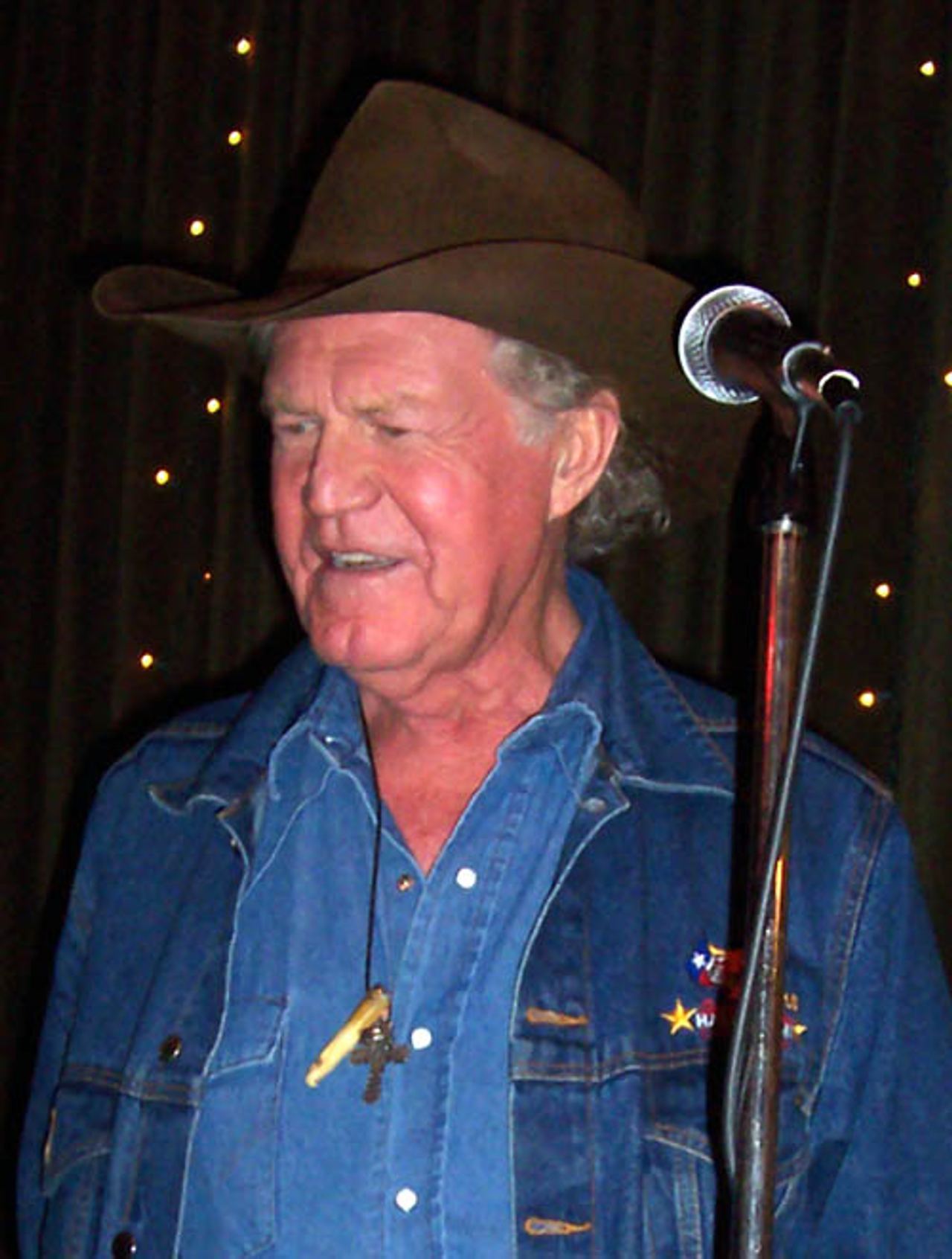
Quick Facts
- Subject: Billy Joe Shaver
- Location: Waco, Texas
- Wife: Brenda Joyce Tindell
- Brenda died: July 30, 1999
- Son: Eddy Shaver
- Eddy died: December 31, 2000
Image credits: Digdug13 / Wikimedia Commons / CC BY-SA 3.0; derivative work: Entheta (talk) Billy_Joe_Shaver.JPG: Digdug13 / Wikimedia Commons / CC BY-SA 3.0; GodGnipael / Wikimedia Commons / CC BY-SA 3.0.