
News
I Will Follow Him — How Little Peggy March Turned a Teenage Voice into a Global Sensation
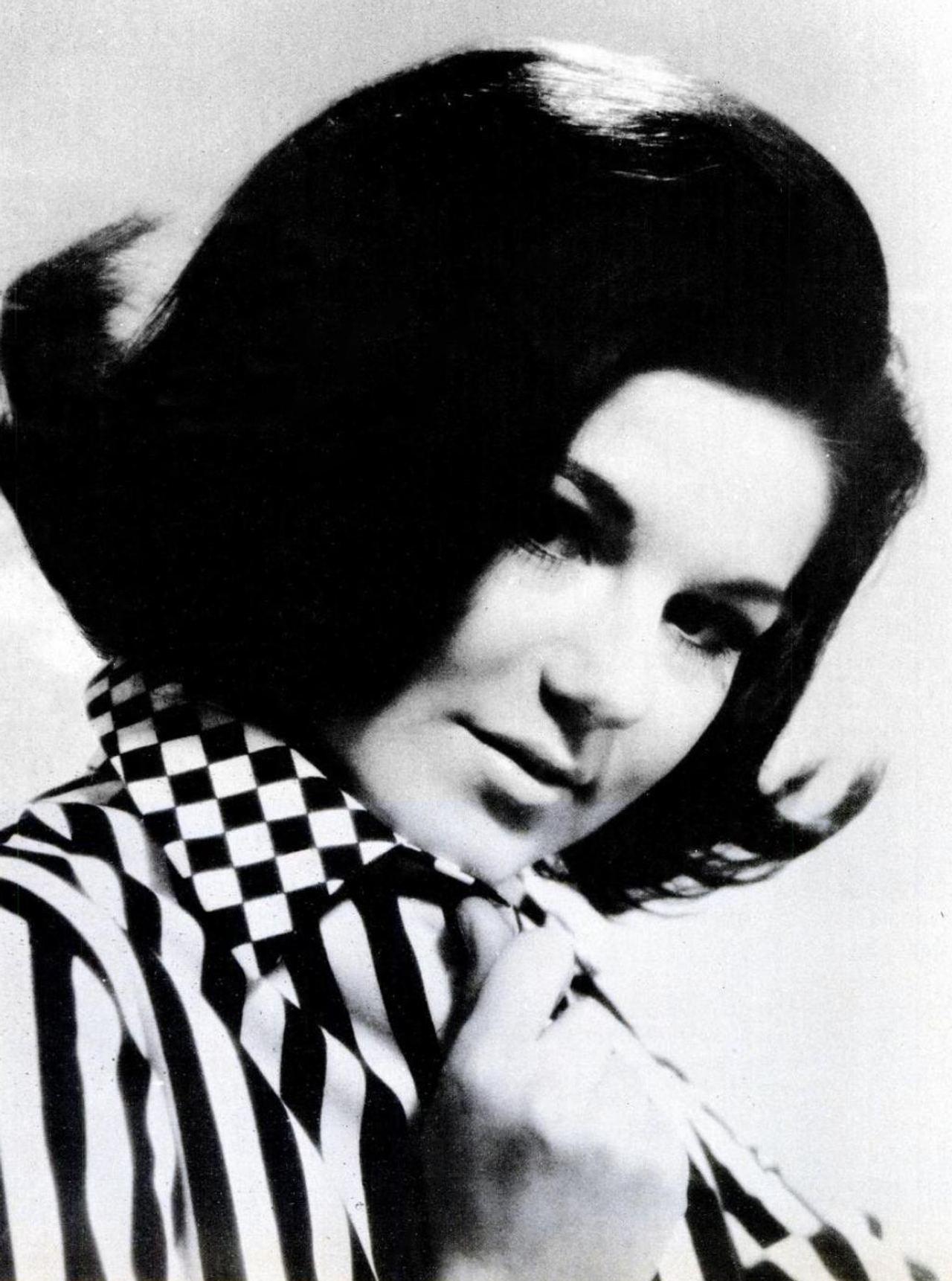
With a bright, youthful voice and a pop single that seemed to gather momentum with every bar, Little Peggy March became one of the most memorable teenage stars of the early 1960s.

A song that announced itself immediately
There are records that take time to unfold, and then there are records that seem to arrive fully formed in the listener’s imagination. “I Will Follow Him” belongs to the second category. Its melody is clean, direct, and urgent, the kind of tune that feels as if it is always moving forward. From its first moments, the song creates a sense of pursuit and devotion, and that emotional clarity helped make it unforgettable.
When Little Peggy March recorded and released the song in 1963, she was only fifteen. That fact has always been part of the record’s enduring fascination. The performance does not sound tentative or fragile. Instead, it sounds focused, poised, and entirely committed to the dramatic sweep of the lyric. The contrast between her age and the assurance in her voice gave the single much of its impact, turning it from a catchy pop release into a genuine cultural arrival.
At fifteen, Peggy March sounded less like a novelty and more like a performer who understood exactly how to command a three-minute pop record.
The teenage breakthrough that cut through the charts
The early 1960s were full of powerful voices and polished acts, so a new singer needed more than a good melody to break through. Peggy March had that melody, but she also had timing, freshness, and a vocal style that felt instantly accessible. “I Will Follow Him” did not merely appear on the charts; it surged. As it climbed, it became clear that this was not a one-week curiosity but a genuine pop phenomenon.
Its rise to No. 1 on the Billboard Hot 100 made Peggy March a standout figure in the teen-pop story of the decade. The achievement mattered not only because the song was a hit, but because it framed her as something more than a promising young singer. She became a symbol of how quickly pop music could elevate a new face, especially one whose voice connected across generations. For younger fans, she was relatable. For older listeners, she was polished enough to earn attention beyond the usual teen-idol lane.
Why her voice connected
Peggy March’s appeal lay in the balance she struck. Her voice had sweetness, but it was not overly delicate. It had youthful brightness, but also rhythmic precision and emotional control. In “I Will Follow Him,” she leans into the song’s sense of devotion without overplaying it, giving the record energy rather than melodrama. That restraint is part of what has helped the song endure.
Pop music often depends on a listener believing a feeling quickly, and Peggy March made belief easy. She sang in a way that felt sincere and immediate, as though the song’s promise of loyalty were not a theatrical pose but a simple fact. That ability to sound both innocent and certain was especially potent in a teenage performer. It turned a well-crafted pop single into a recording with real personality.
A global sensation in the making
The phrase “global sensation” fits because “I Will Follow Him” traveled well beyond the context in which it first became a hit. Its melody was universally graspable, and its central emotion needed no elaborate explanation. Songs like that often cross borders because they can be felt before they are fully analyzed. Peggy March’s version had exactly that kind of portability: memorable, emotionally legible, and easy to return to.
Her emergence also reflected a wider truth about pop in the early 1960s. The era rewarded records that could create an instant mood, and “I Will Follow Him” did so with remarkable efficiency. Peggy March became attached not just to a successful single, but to a sound that captured a moment when radio could transform a young singer into an international name almost overnight. The scale of that leap remains part of the song’s mythology.
More than a teen-pop novelty
One reason Peggy March still matters is that her breakout hit has outlived the assumptions people sometimes make about youthful stardom. Teenage success can be dismissed as fleeting, but “I Will Follow Him” has persisted because it was built on more than novelty. The record is tightly constructed, emotionally direct, and delivered by a singer who knew how to keep it moving. Those qualities are what listeners continue to hear decades later.
That staying power also changed how her early success is remembered. Rather than appearing as a brief craze, the song now feels like a defining document of its era: a moment when teen pop, radio energy, and vocal confidence aligned perfectly. Peggy March’s youth is still part of the story, but it no longer overshadows the achievement. If anything, it sharpens appreciation for just how self-possessed the performance was.
The legacy of an unstoppable melody
Many hit songs are remembered for where they landed on the charts; fewer are remembered for the sensation they create the instant they begin. “I Will Follow Him” remains one of those records. Its opening still carries a charge, and Peggy March’s vocal still feels central to why it works. The song sounds eager without being rushed, romantic without becoming heavy, and memorable without trying too hard.
That is the essence of Little Peggy March’s breakthrough. She did not simply sing a hit; she gave the song a human center that listeners could hold onto. More than sixty years later, the performance still captures the rare excitement of hearing a young artist meet exactly the right material at exactly the right moment. In pop history, those collisions are uncommon. When they happen, they leave an echo that keeps following us.

Quick Facts
- Artist: Little Peggy March
- Signature song: I Will Follow Him
- Release year: 1963
- Age at release: 15
- Chart milestone: Reached No. 1 on the Billboard Hot 100
Image credits: RCA Victor / Wikimedia Commons / Public domain; Anefo / Wikimedia Commons / CC0; Olaf Kosinsky / Wikimedia Commons / CC BY-SA 3.0 de.

