
News
“I Will Follow Him”: How Little Peggy March Turned a Teenage Voice Into a Global Sensation
With a bright, commanding vocal and a song built to linger in the ear, Little Peggy March transformed teenage novelty into one of the defining pop breakthroughs of the early 1960s.

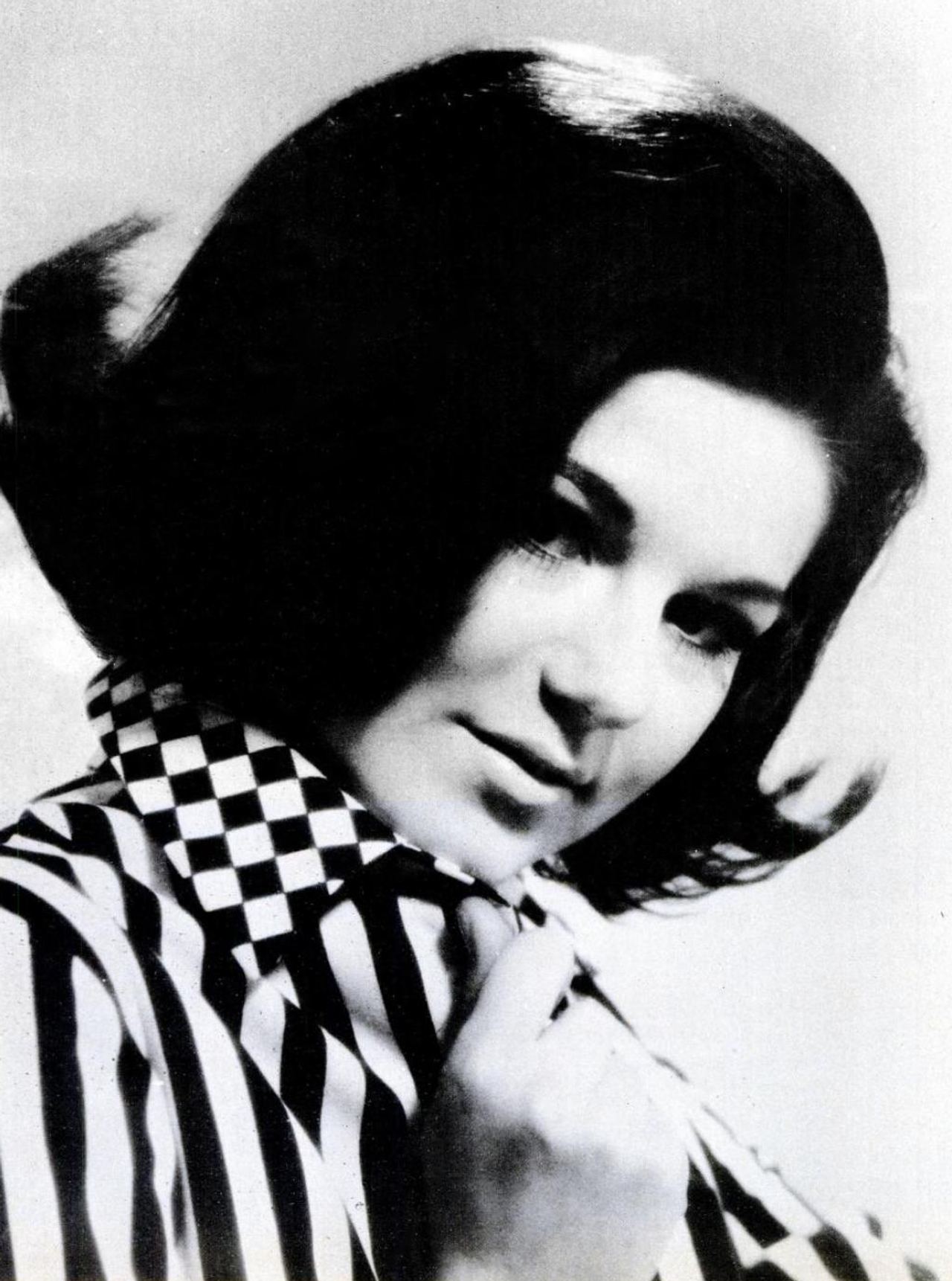
A teenage entrance that sounded anything but small
There is a reason “I Will Follow Him” announces itself so memorably. Its opening feels clean and direct, almost deceptively light, before the performance gathers momentum and emotional insistence. By the time Little Peggy March’s voice fully takes hold, the song no longer sounds like a curiosity from a young newcomer. It sounds decisive, polished and utterly sure of itself.
That confidence was part of the shock. When Peggy March released the record in 1963, she was just fifteen years old. In an era when pop music still depended heavily on established adult stars and carefully managed careers, her arrival felt unusually immediate. She did not ease into public attention; she seemed to seize it in one motion, carried by a record that was catchy enough for mass appeal and forceful enough to stand beside bigger, older voices.
No one expected a teenager to dominate the charts so completely — until she did.
Why “I Will Follow Him” was impossible to ignore
Part of the song’s endurance lies in its structure. The melody is straightforward enough to feel familiar on first listen, but it keeps pushing forward with a kind of built-in urgency. That movement gives the record its hook: it does not simply repeat itself, it advances. Listeners are pulled along by the rhythm, the rising energy and the promise that the feeling at the center of the song is only growing stronger.
March’s vocal is what turns that design into a signature performance. She sings with a bright tone, but brightness alone would not have been enough. What makes the record land is the contrast between youth and control. Her phrasing is clear, the emotion easy to understand, and the commitment never wavers. The result is a teen-pop performance that does not plead to be taken seriously; it simply is.
Little Peggy March and the power of a pop image
Even her name helped shape the moment. Billed as Little Peggy March, she entered the marketplace with an identity that emphasized youth at the exact instant her voice was proving maturity beyond it. That tension became part of the appeal. The image suggested a teenage phenomenon; the record delivered the authority of a star.
In early-1960s pop culture, image and sound were tightly linked. A young female singer could easily be treated as lightweight or temporary, especially if she arrived with a sweetly marketable persona. March’s breakthrough mattered because it complicated that assumption. She was undeniably youthful, but the performance at the center of her success was not fragile. It was crisp, emotionally direct and big enough to travel far beyond novelty.
A global hit born from clarity and conviction
The phrase “global sensation” fits because “I Will Follow Him” was built from elements that crossed borders easily: a strong melody, a propulsive arrangement and a central emotion that needed no complicated explanation. Devotion, pursuit and certainty are among pop music’s most portable feelings. March delivered them in a way that felt immediate whether heard as a teen anthem, a radio staple or a showcase for a startlingly young vocalist.
Her success also reflected the speed with which a single record could define an artist in that era. One song, if distinctive enough, could carry a singer from newcomer to household name almost overnight. March became a symbol of that kind of breakthrough: a teenager whose voice did not merely join the pop conversation, but briefly overtook it.
The 1963 moment that made her stand out
Context is essential. The early 1960s were crowded with polished pop, vocal groups, teen idols and crossover stars, all competing for attention on radio and television. For a fifteen-year-old singer to cut through that noise required more than novelty. It required a record with instant recognizability and a performance strong enough to survive repeated listening.
That is where Peggy March excelled. “I Will Follow Him” worked on first impact, but it also held up because she sounded fully inside the song. There is no sense of hesitation in the performance, no suggestion that the singer is overmatched by the production or the material. That steadiness is one reason the record still feels vivid today: it captures a young artist meeting a giant moment without shrinking from it.
More than a teen hit
To describe “I Will Follow Him” merely as a teenage smash is to miss what made it endure. The song became part of the broader story of pop music because it demonstrated how youth could be presented not just as freshness, but as command. March’s age was central to the narrative, yet the record’s appeal rested on craft: melody, momentum and a vocalist who knew exactly how to sell the emotion.
That combination is why Little Peggy March remains tied so strongly to this song and this moment. “I Will Follow Him” was not just a hit attached to a young face. It was a performance that turned astonishment into admiration. A fifteen-year-old stepped into the center of popular music and sounded as if she belonged there all along.
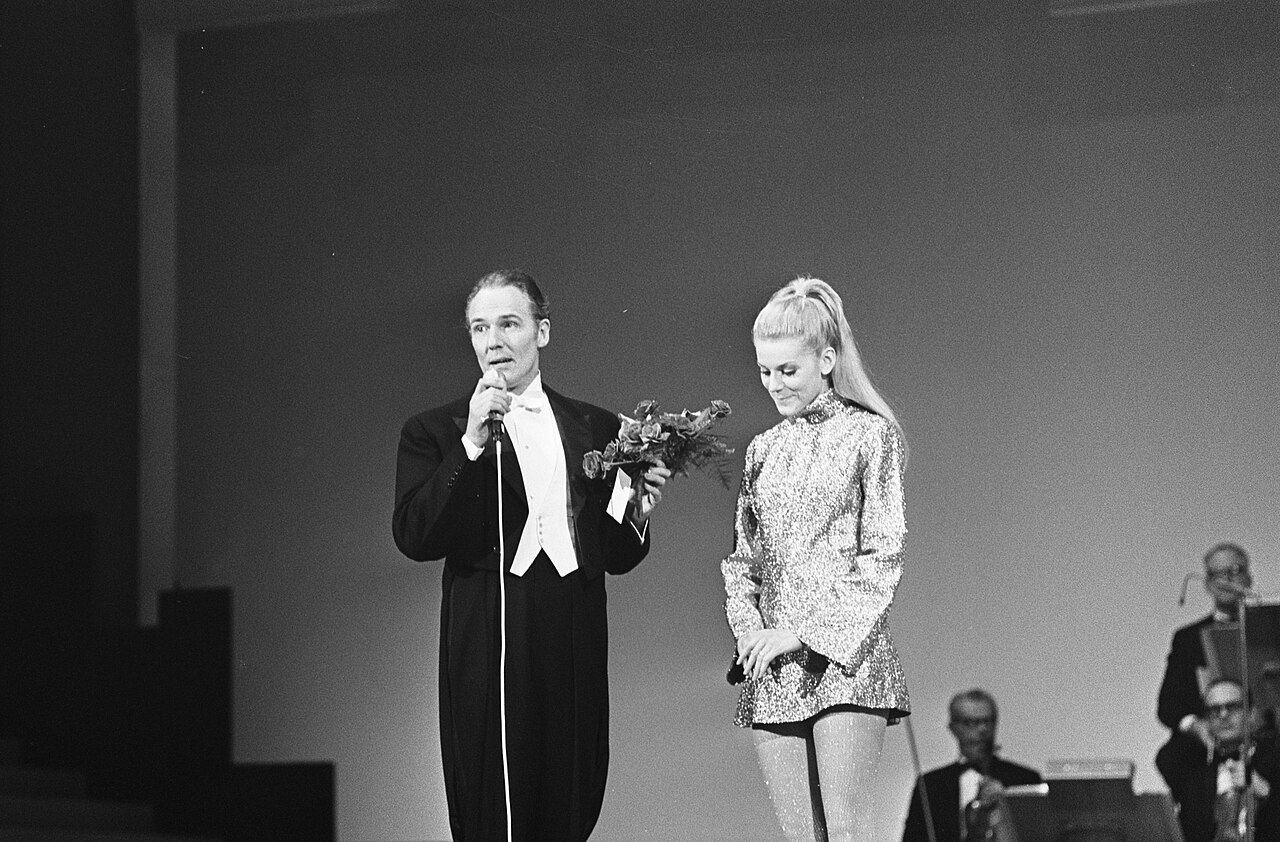

Quick Facts
- Artist: Little Peggy March
- Signature song: I Will Follow Him
- Release year: 1963
- Age at release: 15
- Breakthrough quality: Teenage vocalist with a confident, chart-dominating pop performance
Image credits: RCA Victor / Wikimedia Commons / Public domain; Anefo / Wikimedia Commons / CC0; Olaf Kosinsky / Wikimedia Commons / CC BY-SA 3.0 de.

