
News
How The Drifters Created a 1964 Summer Soul Classic: “Under the Boardwalk”
Written by Kenny Young and Arthur Resnick and recorded in the shadow of tragedy, “Under the Boardwalk” turned a simple seaside image into one of The Drifters’ most lasting Atlantic-era hits.

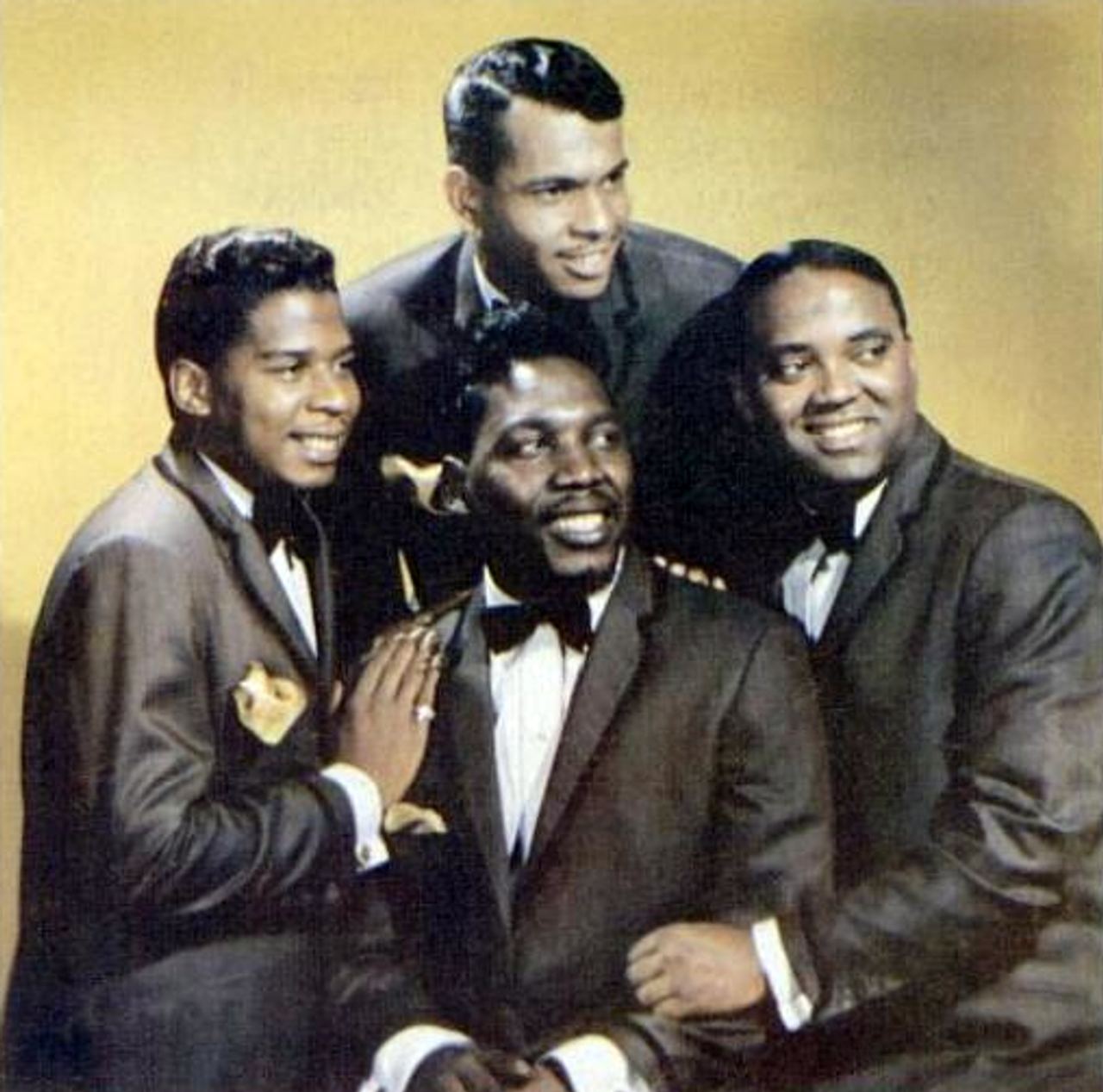
A summer scene made into a soul standard
Few pop songs conjure a place as instantly as “Under the Boardwalk.” Released in 1964, The Drifters’ recording takes a familiar piece of American summer scenery and transforms it into something intimate: a cool, hidden space beneath the seaside planks, away from the heat, the noise and the crowd. That simple image is the record’s genius. It feels cinematic, tactile and romantic all at once.
The song arrived during the group’s polished Atlantic Records period, when The Drifters were associated with a sophisticated New York soul sound that balanced street-corner warmth with elegant studio craft. In “Under the Boardwalk,” that approach is distilled beautifully. The record is relaxed but precise, dreamy but grounded, with a melody and mood that make the listener feel the salt air and the relief of shade on a hot day.
Its setting is simple and vivid: a couple escaping the heat and crowds by slipping beneath a seaside boardwalk, turning an ordinary summer location into a private romantic refuge.
The writers found a universal image
“Under the Boardwalk” was written by Kenny Young and Arthur Resnick, whose lyric gave the song its unforgettable hook and its lasting emotional appeal. Rather than relying on a complicated story, they built the song around a specific setting almost anyone could picture. The boardwalk is public and bustling above, yet private and sheltered below. That contrast gives the song both its narrative and its romance.
What makes the lyric endure is how effortlessly it suggests an entire summer world. The heat is implied, the crowds are implied, and so is the longing to step away from them. Instead of grand declarations, the song offers a small act of escape. That modest gesture is what makes it feel real. It is not just about love in the abstract; it is about two people finding a moment for themselves in a recognizable place.
A defining example of the Atlantic-era Drifters sound
By the time “Under the Boardwalk” appeared, The Drifters had become one of the signature vocal groups of the Atlantic Records catalog. Their best-known recordings from this era often paired smooth lead vocals with carefully arranged backing harmonies and a rhythm section that felt both urban and effortless. The result was music that could sound luxurious without losing its emotional directness.
“Under the Boardwalk” fits that identity perfectly. The performance never rushes, and the arrangement supports the song’s central image rather than overwhelming it. Everything serves atmosphere: the easy sway of the groove, the supportive vocals around the lead, and the sense of a city-savvy soul group stepping into a beachside daydream. It is one of those records in which craft is so finely controlled that it feels natural.
Recorded in the wake of sudden loss
The song’s creation is inseparable from the painful circumstances around its recording. The session took place just after the sudden death of Drifters lead singer Rudy Lewis, a blow that gave the moment a far different emotional tone than the breezy single itself might suggest. Behind the summery imagery and calm surface was a group dealing with shock and change.
That context has long shaped how listeners hear the recording. Pop history is full of songs that seem carefree on the radio yet carry private grief behind the scenes, and “Under the Boardwalk” is one of the clearest examples. Its enduring warmth feels even more striking when set against the loss that surrounded the session. The record did not erase that grief, but it became part of the group’s resilience and continuity.
Johnny Moore steps in
With Rudy Lewis gone, Johnny Moore stepped in to sing lead, and his performance became central to the identity of the finished record. Taking over in such circumstances required more than technical competence. It required steadiness, professionalism and an ability to deliver a song of ease and romance at a moment when the group had every reason to feel unmoored.
Moore’s vocal helps explain why the song has remained so beloved. He does not oversell the lyric; instead, he glides through it with enough tenderness to make the fantasy believable. The lead feels inviting rather than theatrical, allowing the listener to slip into the scene. In that sense, his performance is one of the quiet triumphs of 1960s soul: a seamless turn under intense pressure that gave The Drifters one of their most enduring recordings.
Why “Under the Boardwalk” still lasts
Part of the song’s staying power comes from its balance of specificity and universality. Not everyone has stood beneath a literal boardwalk, but almost everyone understands the desire to steal away from the crowd and create a private world with someone else. The song captures that wish with unusual economy, which is why it continues to feel fresh rather than trapped in nostalgia.
It also endures because it represents so much of what made The Drifters special in this period: sophisticated songwriting, evocative production and a vocal-group elegance that could make everyday life seem glamorous. “Under the Boardwalk” is more than a seasonal favorite. It is a miniature piece of storytelling, a document of transition within the group, and a reminder that some of the most lasting pop records are built not on spectacle, but on a perfectly observed image.


Quick Facts
- Song: “Under the Boardwalk”
- Artist: The Drifters
- Released: 1964
- Writers: Kenny Young and Arthur Resnick
- Label era: Atlantic Records period
- Lead vocal on the recording: Johnny Moore
- Context: Recorded just after the sudden death of Rudy Lewis
Image credits: Atlantic Records / Wikimedia Commons / Public domain; Atlantic Records / Wikimedia Commons / Public domain; Atlantic Records / Wikimedia Commons / Public domain.

