
Celebrities & Music
How “Lyin’ Eyes” by Eagles Told One of the Most Haunting Stories in 1970s Rock
The article explores the storytelling prowess of the Eagles in their song “Lyin’ Eyes,” highlighting its themes of love and regret, while also discussing the cultural impact of other classic rock songs like “Sweet Home Alabama” and Patsy Cline’s “I Fall to Pieces.”

Chapter 1: The Eagles’ Storytelling Masterpiece of Love and Regret
Released in 1975, “Lyin’ Eyes” showcased the Eagles at the height of their storytelling abilities, blending country-rock melodies with a deeply human narrative. Written by Don Henley and Glenn Frey, the song tells the story of a woman trapped between comfort and happiness, revealing the emotional cost of living a life built on appearances. Rather than judging its central character, the lyrics unfold with empathy, allowing listeners to draw their own conclusions. Gentle acoustic guitars, rich harmonies, and Henley’s understated vocal performance create a warm yet melancholy atmosphere that perfectly complements the song’s cinematic storytelling. The single became a major success, climbing into the Top 5 of the Billboard Hot 100 and earning the Grammy Award for Best Pop Performance by a Duo or Group with Vocal, further establishing the Eagles as masters of narrative songwriting.
Few Songs Have Ever Captured the Spirit of America Like This 1974 Classic
Released in June 1974, “Sweet Home Alabama” quickly became far more than a hit song. It was a celebration of Southern pride, a response to criticism, and a track that would go on to define Lynyrd Skynyrd’s legacy. Decades later, its unforgettable guitar riff remains one of the most recognizable openings in rock history.
The idea for the song came almost by accident. Guitarists Ed King, Gary Rossington, and Allen Collins were jamming in a small rehearsal space when King began playing a simple three-chord progression. Rossington immediately joined in, and before long, the catchy riff that would introduce millions of listeners to “Sweet Home Alabama” had taken shape.
Lead singer Ronnie Van Zant heard the music and instantly knew it had something special. Inspired by the melody, he began writing lyrics that reflected his love for the South while also responding to Canadian singer-songwriter Neil Young. Young had released songs such as “Southern Man” and “Alabama,” which criticized the South’s history of racism and inequality.
Rather than responding with anger, Van Zant chose humor and pride. The lyrics acknowledged the South’s complicated past but also defended the people who called it home. It wasn’t intended as a political statement as much as a declaration that an entire region should not be judged by its darkest chapters.
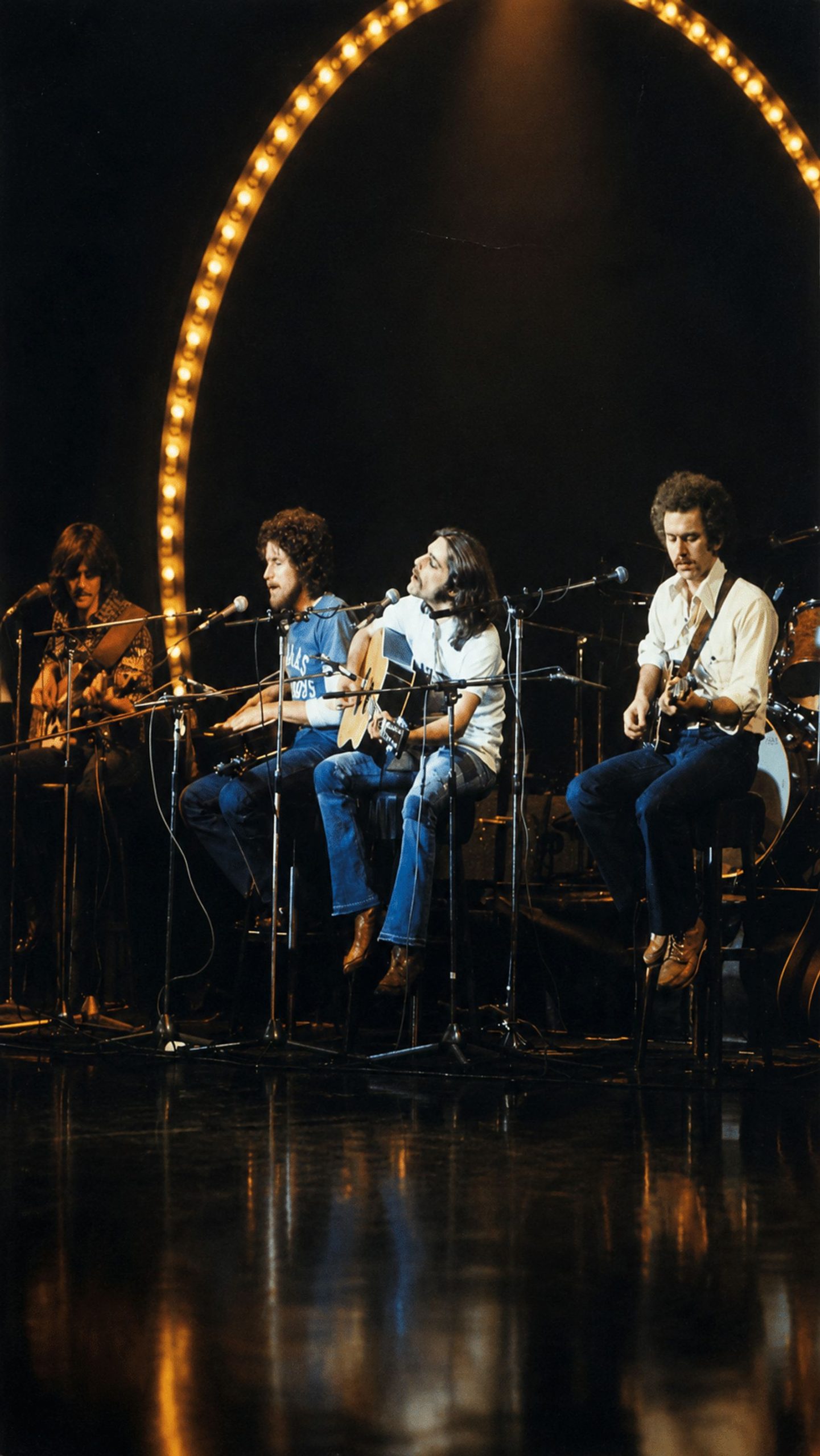
When the band entered the studio, they wanted the recording to sound energetic and authentic. The twin guitars blended perfectly with Billy Powell’s piano, while Van Zant delivered the lyrics with the relaxed confidence that became his trademark. The result was a song that felt both powerful and welcoming, inviting listeners to sing along from the very first chorus.
When “Sweet Home Alabama” was released, audiences immediately embraced it.
The song climbed into the Top 10 of the Billboard Hot 100 and became Lynyrd Skynyrd’s biggest hit. Fans across the United States—and eventually around the world—connected with its infectious melody, driving guitars, and unmistakable Southern spirit.
One of the song’s most talked-about moments came from the line mentioning Neil Young. Interestingly, there was no lasting feud between the artists. In fact, Ronnie Van Zant admired Young’s music and was even known to wear Neil Young T-shirts during performances. Young later said he understood the song and appreciated its message, proving that the supposed rivalry had been greatly exaggerated.
Over the years, “Sweet Home Alabama” has taken on a life of its own. It has been featured in countless movies, television shows, sporting events, and celebrations, becoming a staple of American popular culture. Few songs inspire audiences to sing louder than the iconic chorus, whether they’re in a packed stadium, at a backyard barbecue, or driving with the windows down on a summer afternoon.
Today, more than fifty years after its release, “Sweet Home Alabama” remains one of the greatest rock anthems ever recorded. Its unforgettable riff, timeless energy, and message of home and belonging continue to unite generations of listeners. For millions of fans, it’s more than just a song—it’s a feeling that begins with three simple guitar chords and never truly fades.
Stephen Stills and Buffalo Springfield: Sunset Strip Origin of For What It's Worth
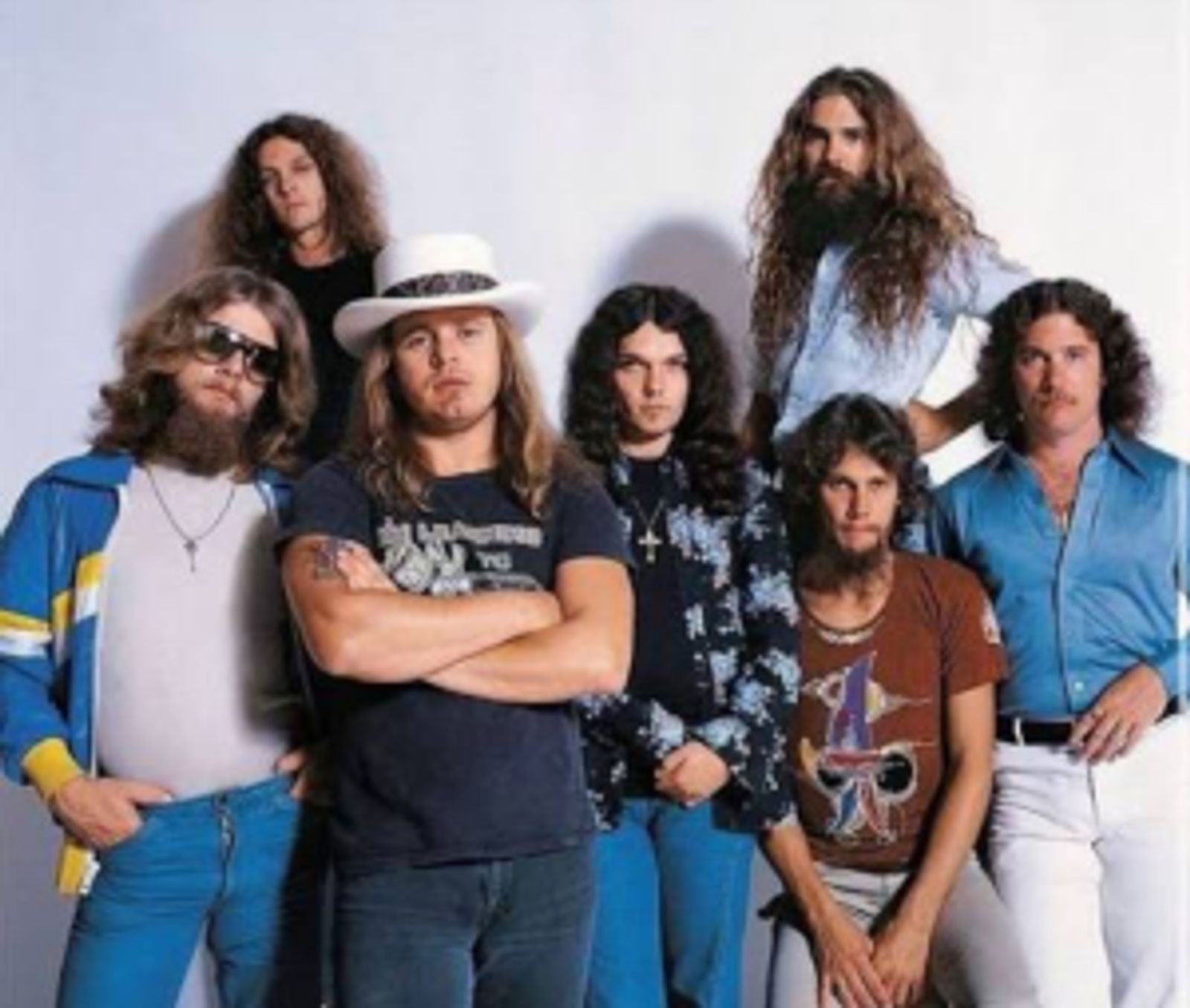
What if the anthem you always filed under “Vietnam” was actually born out of a curfew, a fight at midnight, and a cop’s flashlight sweeping across Pandora’s Box? That’s the uneasy, electric truth Stephen Stills watched unfold on the Sunset Strip in 1966 — a night that would pull a young songwriter into the eye of a cultural storm.
It was November 1966, long before anti-war rallies became the default soundtrack of a generation. Teenagers and club kids had been gathering at Pandora’s Box, an infamous club on the Strip, when the city tried to clamp down with a new curfew. Cops massed outside; flashbulbs, whispers, and shouts filled the night. Kids refused to go home. The tension was ordinary and explosive: authorities trying to impose order on a new youth culture that wouldn’t bend. Stephen Stills saw it all — the glare of police lights, the scuffle at the entrance, the raw fear and fierce defiance — and he turned that hour into a warning bell.
“For What It’s Worth,” drafted in a hotel room and recorded with Buffalo Springfield, arrived with a chorus that felt like prophecy: “There’s something happening here.” Stills gave the song a spare, hypnotic arrangement that let the words hang heavy. It sounded like a campsite trumpet blown at dawn — more caution than war cry — and yet the press and the record buyers immediately repurposed it. Buffalo Springfield’s recording captured the mood of the mid‑sixties better than most anthems: intimate and brittle, urgent and strangely restrained.
The backstory didn’t stay comforting for long. Buffalo Springfield itself was a powder keg. Stephen Stills shared a bandroom with bright, volatile personalities — Neil Young’s mercurial genius, Bruce Palmer’s legal troubles and eventual deportation, and simmering fights over songwriting credits and management moves. Behind the song’s calm warning was a band that couldn’t hold itself together: rehearsals dissolved into arguments, recording sessions stretched thin, and the spotlight turned private fractures into public headlines. Fame only sharpened those edges, and within two chaotic years, the group splintered.
Yet the most persistent myth was not the band’s breakup but the song’s battlefield. Reporters and radio stations soon placed “For What It’s Worth” on the Vietnam shelf, and that tag stuck. The media had a voracious appetite for symbols, and the song’s sweeping caution fit neatly into the national narrative of protest. What many outlets glossed over was the blunt local trigger: a curfew, a club, cops outside Pandora’s Box, and a songwriter who witnessed an ordinary clash that became extraordinary.
Decades later, Stephen Stills and Buffalo Springfield’s brief, incendiary life still matters because the song reminds us of how small moments ignite bigger truths. It’s a piece of evidence that fame can distort origins as much as it amplifies meaning. If you listen to “For What It’s Worth” now — with its hushed guitar, a voice that sounds like it’s both whispering and shouting — you can still feel that Sunset Strip night: a flashlight beam, a chant, a city trying to tell its youth to go home while the youth refused. The anthem never left, and neither did the question it asks: when something happens, who gets to say what it meant?
This Song Redefines Heartbreak and Brings Country Music to the Mainstream in 1961
When Patsy Cline released “I Fall to Pieces” in 1961, it didn’t just climb the charts—it reshaped how heartbreak could sound in popular music.
Built on aching simplicity and emotional restraint, the song became her first No. 1 country hit while crossing into the Billboard Hot 100—an uncommon feat at the time.
“Sometimes the softest voice carries the deepest pain.”
Written by Hank Cochran and Harlan Howard, the track told a universal story: the quiet devastation of seeing a former love and falling apart all over again.
At first, Cline hesitated. The song leaned heavily toward pop—a risky move in a genre rooted in tradition. But producer Owen Bradley saw its potential, pairing her voice with a polished arrangement that would define the emerging “Nashville Sound.”
Recorded at Bradley Studios, the track featured subtle piano, steel guitar, and background vocals from The Jordanaires—adding elegance without overwhelming emotion.
What truly elevated the song was Cline’s delivery.

“She didn’t just sing heartbreak—she controlled it.”
Still recovering from a serious car accident, her voice carried a fragile strength that felt almost too real. She avoided melodrama, instead letting each note linger with quiet intensity.
The result was haunting.
The song spent 39 weeks on the charts, opening doors not just for Cline, but for female artists across country and pop. It proved that vulnerability could be powerful—and commercially successful.
It also helped cement the Nashville Sound, influencing artists for decades to come.
After her tragic death in 1963, “I Fall to Pieces” took on even deeper meaning. Today, it stands as more than a classic—it’s a blueprint.
A blueprint for emotional honesty.
A blueprint for crossover success.
And a reminder that sometimes, the most unforgettable performances are the ones that hold back just enough to let the listener feel everything.
Read more stories
- He Was Rejected By His Own Mom And Raised To Think ‘Women Are Evil’ But He Became A Legendary Rockstar
- TOBY KEITH RECORDED SOME OF THE BIGGEST PATRIOTIC ANTHEMS IN COUNTRY MUSIC HISTORY—BUT HIS REAL LEGACY WAS BUILT ON MILITARY BASES WHERE NO CAMERAS WERE ROLLING.
- [Video]: The One-Take Hit That Took Over Rock Radio
- The Box Tops’ “The Letter” Captures Lightning in a Bottle and Redefines Blue-Eyed Soul in 1967-2