Celebrities & Music
How “Lyin’ Eyes” by Eagles Told One of the Most Haunting Stories in 1970s Rock
This article explores the emotional depth and storytelling mastery of songs like the Eagles’ “Lyin’ Eyes” and Paul Anka’s “Puppy Love,” highlighting their impact on listeners and the music industry.
Released in the mid-1970s, this song captured the quiet struggle between chasing dreams and losing yourself along the way… once it echoed everywhere, but today only a few still remember how real it felt.
How “Lyin’ Eyes” by Eagles Told One of the Most Haunting Stories in 1970s Rock
Chapter 1: The Eagles’ Storytelling Masterpiece of Love and Regret
Released in 1975, “Lyin’ Eyes” showcased the Eagles at the height of their storytelling abilities, blending country-rock melodies with a deeply human narrative. Written by Don Henley and Glenn Frey, the song tells the story of a woman trapped between comfort and happiness, revealing the emotional cost of living a life built on appearances. Rather than judging its central character, the lyrics unfold with empathy, allowing listeners to draw their own conclusions. Gentle acoustic guitars, rich harmonies, and Henley’s understated vocal performance create a warm yet melancholy atmosphere that perfectly complements the song’s cinematic storytelling. The single became a major success, climbing into the Top 5 of the Billboard Hot 100 and earning the Grammy Award for Best Pop Performance by a Duo or Group with Vocal, further establishing the Eagles as masters of narrative songwriting.
Released in 1978, a quiet piano and gentle voice spoke louder than any disco beat… decades later, its tender truth still lingers.
Over time, “Goodbye Girl” has become something more than a love song—it has evolved into a reflection of emotional maturity.
“Some songs don’t change—you do, and suddenly they mean everything.”
What once sounds romantic in youth slowly transforms into something more bittersweet with age. Gates captured a rare truth: love is not always fearless. Sometimes, it’s cautious, shaped by past heartbreak and quiet resilience.
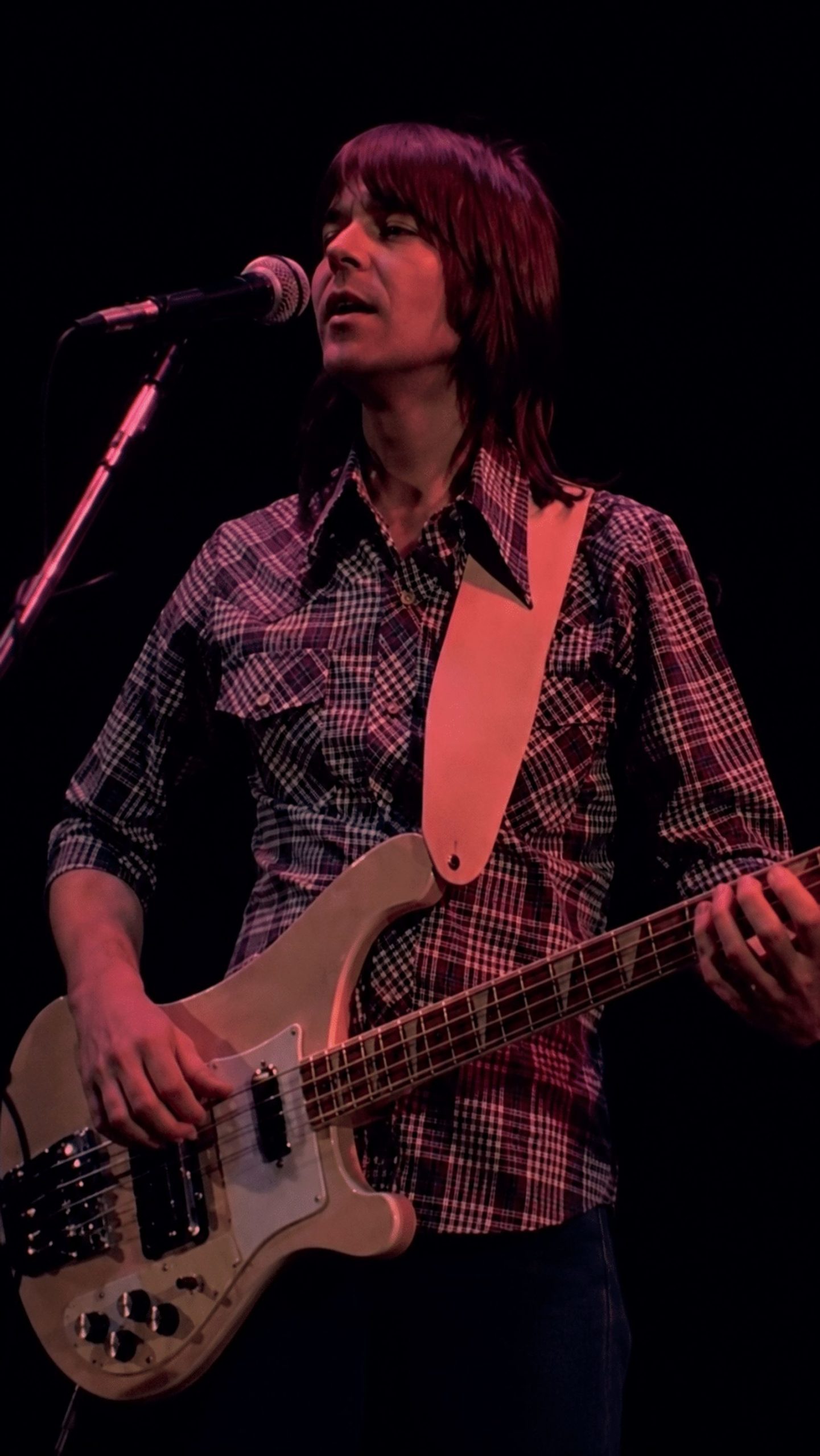
The song’s success reaffirmed that vulnerability could still resonate, even in an era chasing louder sounds. More importantly, it introduced a new audience to Gates’s deeply human songwriting—music that doesn’t demand attention but earns it.
Unlike trend-driven hits, “Goodbye Girl” continues to live in late-night playlists, fading memories, and moments of reflection. It doesn’t rush. It doesn’t overwhelm.
It simply stays.
And somewhere, in the silence between yesterday and tomorrow, that soft voice still reminds listeners that tenderness—no matter how fragile—never truly disappears.
Tammy Wynette’s “D-I-V-O-R-C-E” Breaks Hearts and Boundaries in 1968, Cementing Her Status as Country Music’s Queen of Emotion
Chapter 1: The Heartbreaking Country Classic That Changed Nashville Forever
Released in May 1968, Tammy Wynette’s “D-I-V-O-R-C-E” became one of country music’s most powerful storytelling songs. Written by Bobby Braddock and Curly Putman, the heartbreaking ballad climbed to No. 1 on the Billboard Hot Country Singles chart and even crossed over to the Billboard Hot 100, giving a voice to countless families experiencing the pain of separation.
The song’s brilliance lies in its unique perspective. Rather than focusing on the breakup itself, it tells the story through a mother’s attempt to shield her young son from painful words by spelling out terms like “D-I-V-O-R-C-E” and “C-U-S-T-O-D-Y.” Produced by Billy Sherrill, the gentle countrypolitan arrangement, paired with Wynette’s fragile yet emotionally powerful vocal, transformed a deeply personal experience into one of the most unforgettable recordings in country music history.
Paul Anka’s “Puppy Love” Captures the Heartache of Young Romance in 1960
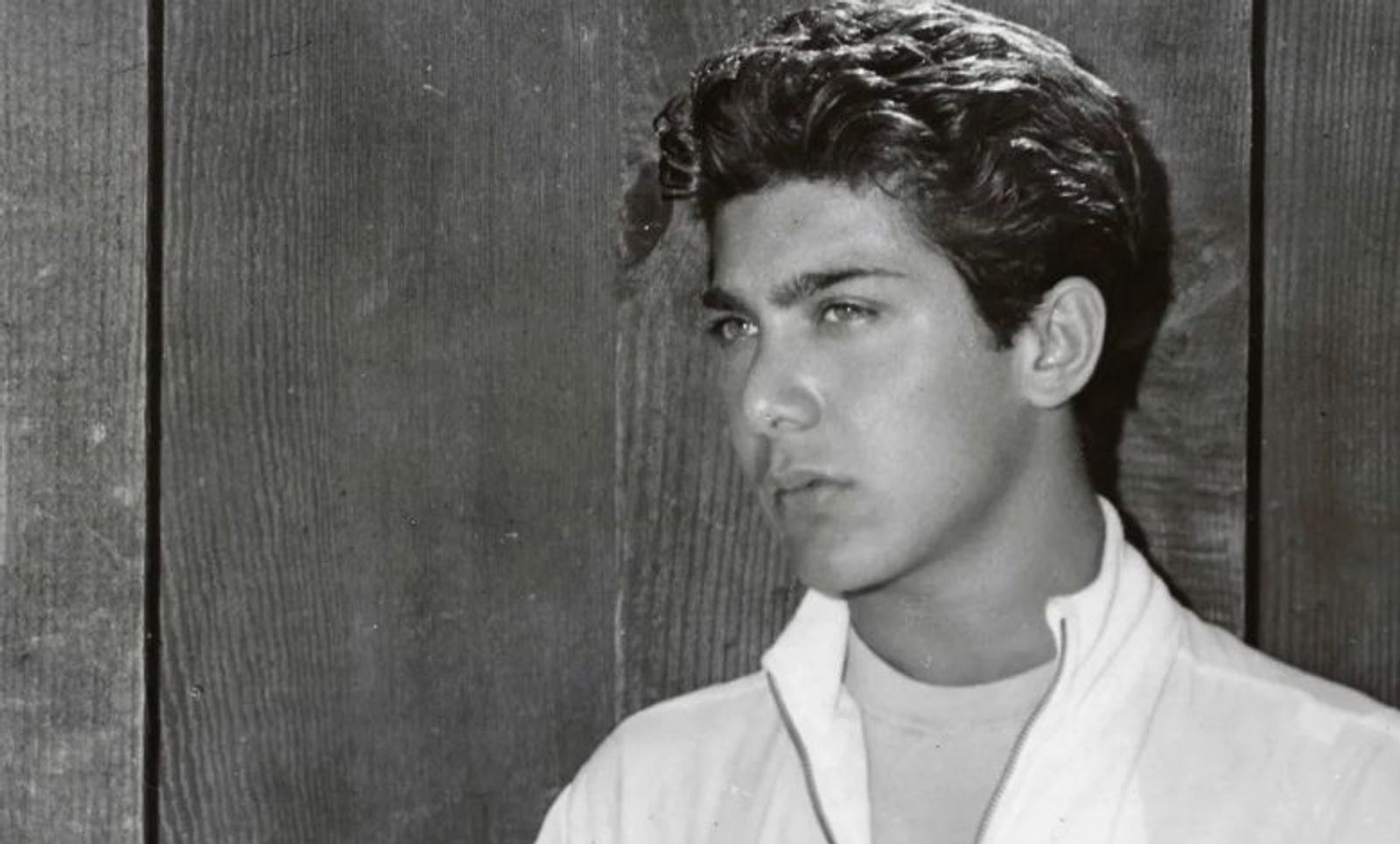
In 1960, Paul Anka released “Puppy Love,” a tender ballad that resonated with teenagers experiencing the highs and lows of first love.
Written by Anka himself, the song was a heartfelt ode to young romance, carrying a sincerity that immediately struck a chord with listeners.
Reaching number two on the Billboard Hot 100, “Puppy Love” became one of Anka’s most beloved tracks, further cementing his status as one of the era’s most influential teen idols.
While many songs of the time focused on carefree fun, Anka’s emotional delivery brought a depth that elevated the track into a timeless anthem of youthful devotion.
Paul Anka’s rise to fame was a story of talent and determination.
Born in Ottawa, Canada, in 1941, he demonstrated a passion for music from an early age.
By the time he was a teenager, his ambition led him to New York City, where he auditioned for Don Costa, a prominent producer at ABC-Paramount Records.
With hits like “Diana” and “Lonely Boy,” Anka quickly became a household name.
His boyish charm and songwriting skills distinguished him from other teen idols, allowing him to navigate both pop stardom and the sophisticated world of adult contemporary music.
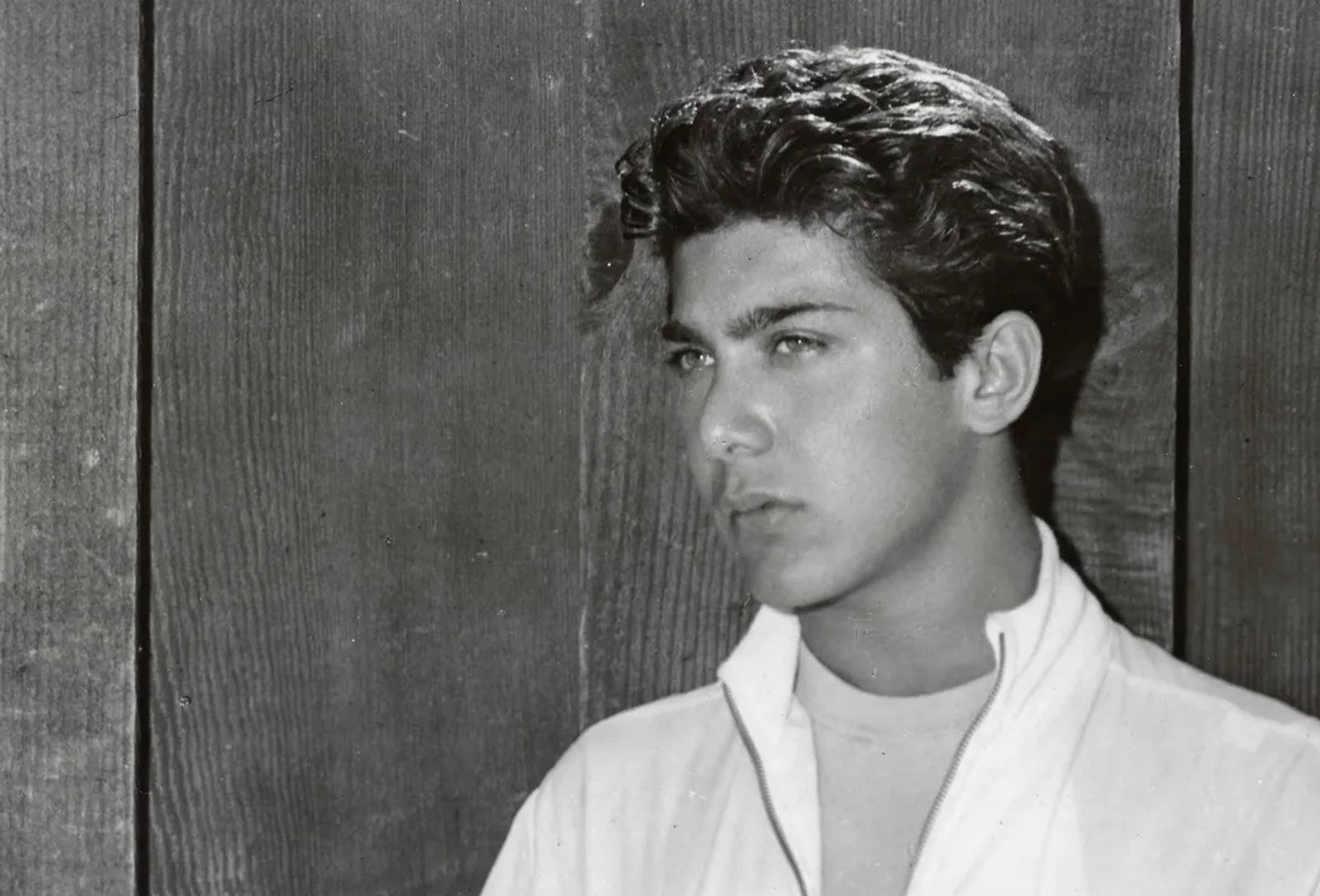
The inspiration for “Puppy Love” was deeply personal.
Anka wrote the song for his then-girlfriend, actress Annette Funicello, a fellow teen star best known for her work on The Mickey Mouse Club.
Paul Anka traces the story of ‘My Way’ from dinner with Frank Sinatra to caviar with Putin
Their relationship captured the public’s fascination, embodying the quintessential teenage romance of the time.
However, like many young couples in the spotlight, their love faced intense scrutiny.
“Puppy Love” was Anka’s response to the skepticism surrounding their relationship, a sincere defense of young love’s authenticity.
Recorded at Bell Sound Studios in New York, the song featured a lush orchestral arrangement that heightened its emotional appeal.
Under the guidance of Costa, the production balanced Anka’s tender vocals with sweeping strings and gentle percussion.
The simplicity of the melody allowed Anka’s earnest delivery to shine, drawing listeners into the emotional vulnerability of the lyrics.
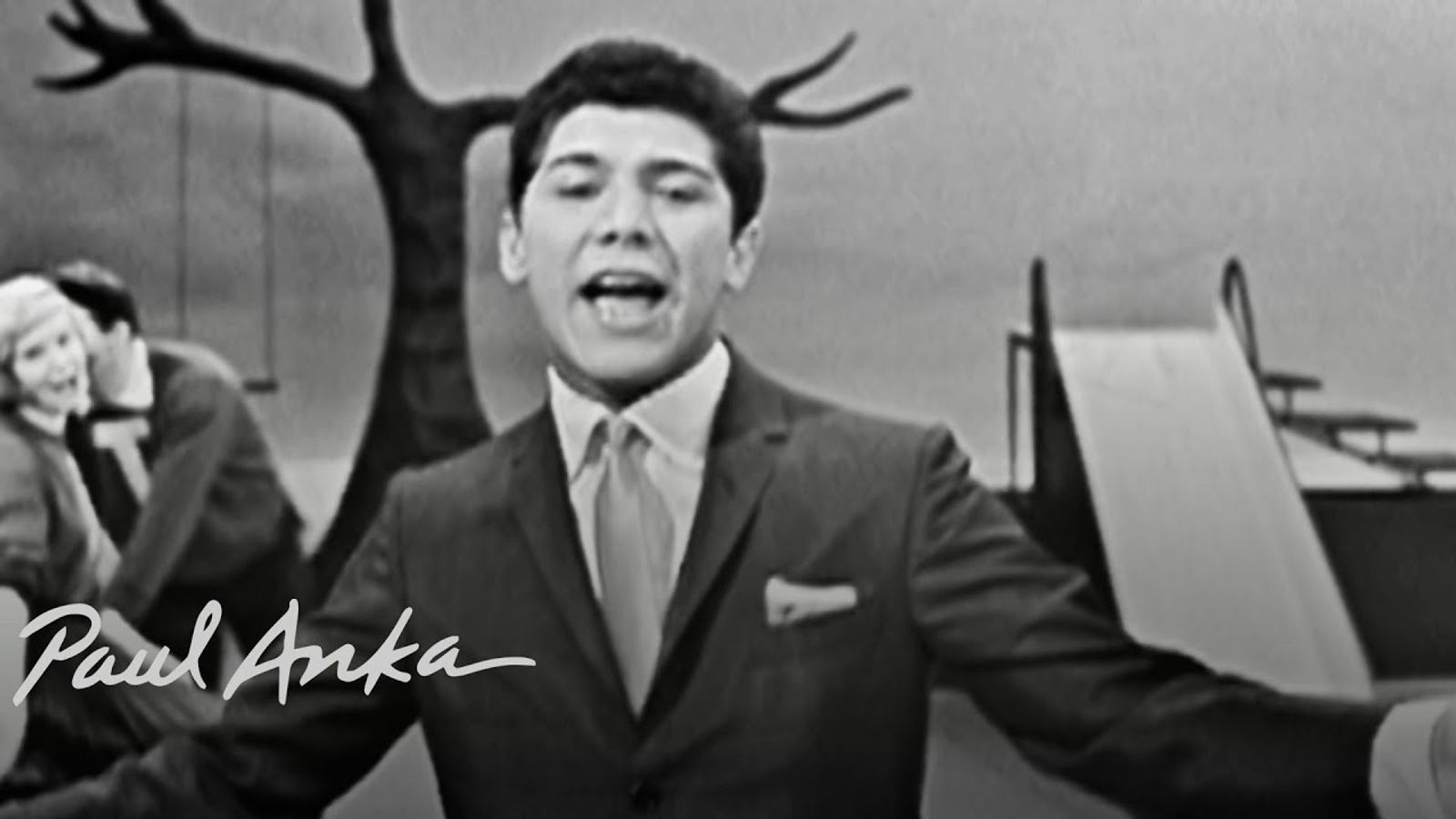
His restrained yet heartfelt performance conveyed the bittersweet ache of youthful longing, making the song universally relatable.
Upon its release, “Puppy Love” quickly climbed the charts, showcasing Anka’s ability to capture the emotional landscape of teenage life.
While it narrowly missed the top spot, peaking at number two, it maintained a strong presence on radio stations and in record stores across North America and beyond.
The song also found success in the UK, where Anka’s popularity continued to grow.
Critics praised his genuine vocal delivery and the song’s melodic charm, while fans embraced it as an anthem of youthful devotion.
Culturally, “Puppy Love” contributed to the growing recognition of teenage experiences in popular music.
At a time when youth culture was asserting itself more prominently, songs like Anka’s gave a voice to the emotional complexities of adolescence.
The song’s success also reflected the changing landscape of the music industry, where younger audiences had increasing influence over the charts.
For Paul Anka, the triumph of “Puppy Love” solidified his reputation as a versatile artist and a gifted songwriter.

While his early fame was often linked to his boy-next-door image, Anka’s songwriting prowess set him apart.
He continued to write hits for other artists, including the legendary Frank Sinatra, for whom he penned “My Way.”
However, songs like “Puppy Love” remained a cherished part of his legacy, demonstrating his ability to capture raw emotion through music.
The song’s influence extended beyond Anka’s own career.
Donny Osmond famously covered “Puppy Love” in 1972, introducing the track to a new generation.
Osmond’s version became a major hit, reaching number three on the Billboard Hot 100 and topping the UK charts.
While his rendition leaned into the dramatic flair of early ’70s pop, the sincerity of Anka’s original remained intact, proving the timelessness of its message.
Throughout his career, Paul Anka revisited “Puppy Love” during live performances, often introducing it with anecdotes about its origin.
For many listeners, the song evoked memories of their own teenage romances, preserving its nostalgic appeal.
Its continued presence in nostalgic radio playlists and film soundtracks further cemented its legacy as one of the most enduring songs of its time.
While “Puppy Love” was written as a response to the doubts surrounding Anka and Funicello’s relationship, it ultimately became a universal anthem of young love’s sincerity.
The song’s ability to evoke the bittersweet pangs of adolescence remains as powerful today as it was in 1960.
For generations of listeners, it serves as a reminder that even the most fleeting romances can leave a lasting imprint.
In the end, Paul Anka’s “Puppy Love” is more than a nostalgic hit — it is a testament to the enduring power of youthful emotion.