
News
How Linda Ronstadt Turned “When Will I Be Loved” Into a 1975 Country-Rock Triumph
First written by Phil Everly and introduced as a 1960 Everly Brothers hit, “When Will I Be Loved” became something sharper, brighter, and newly definitive when Linda Ronstadt remade it during her breakthrough run in the mid-1970s.

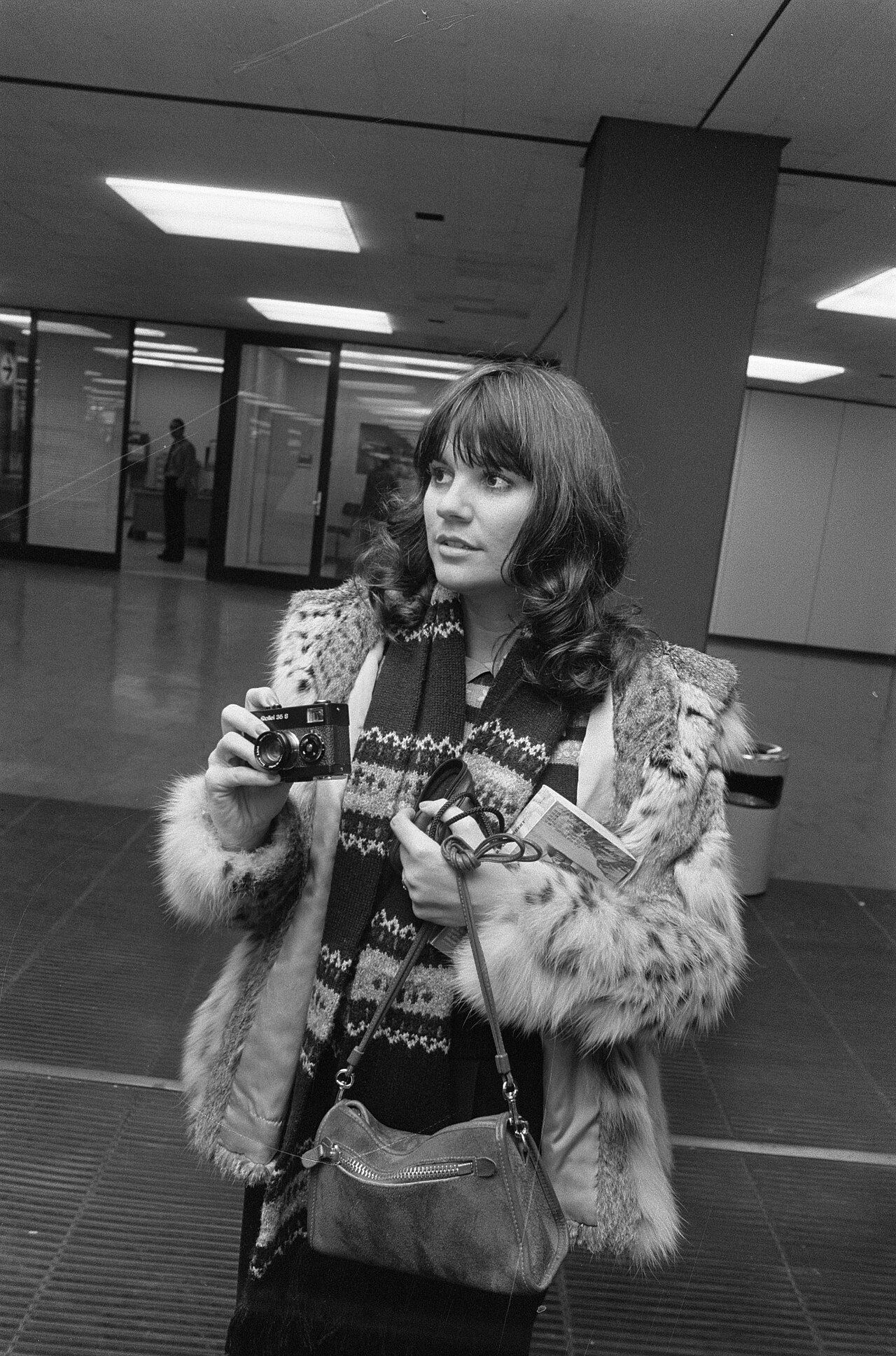
A song with a built-in ache
“When Will I Be Loved” began as a Phil Everly composition with an instantly relatable hook: romantic frustration distilled into a few plainspoken words. In the Everly Brothers’ hands, the song became a hit in 1960, carried by the duo’s trademark close harmony and a clean, urgent sense of hurt. It was concise, catchy, and emotionally direct, exactly the kind of song that could live comfortably in both pop and early rock-and-roll memory.
That original version gave the song its durable foundation. The Everlys brought a tension that felt youthful but not naive, and Phil Everly’s writing supplied the emotional engine: a narrator tired of heartbreak, asking a question that sounds simple but lands like a private confession. It was the kind of structure that invited reinterpretation, because the lyric was universal and the melody left room for a different attitude.
Linda Ronstadt’s breakthrough moment
By the time Linda Ronstadt recorded “When Will I Be Loved” for Heart Like a Wheel, she was entering the period that would define her as one of the central voices of 1970s American popular music. Her gift was never just vocal power. It was her ability to move between rock, country, pop, and folk without flattening any of those traditions, making even familiar material feel emotionally immediate.
That made the song a natural fit. Ronstadt had a way of taking a well-known track and revealing the steel inside it. Where the Everly Brothers’ recording carried the elegant sting of early rock harmonies, Ronstadt’s version leaned into country-rock drive and vocal command. It did not discard the original’s DNA; it amplified its resolve.
Ronstadt’s interpretation arrived at exactly the right cultural moment: a familiar song, reintroduced with enough force to sound both classic and contemporary.
What changed in the 1975 version
Ronstadt’s recording sharpened the song’s edges. The arrangement feels more muscular than the Everly Brothers original, with a fuller band sound and a rhythmic push that suits the mid-1970s country-rock style. Instead of the comparatively delicate tension of the 1960 hit, this version moves with confidence, turning wounded uncertainty into something more defiant.
Her vocal is the crucial difference. Ronstadt sings the lyric not as a passive lament but as a challenge. The title question still expresses disappointment, but her phrasing suggests that the singer has reached the end of her patience. That subtle shift helped make the song feel newly modern in 1975: it still ached, but it also stood its ground.
A hit that defined an era
The success of Ronstadt’s version confirmed how perfectly the song matched her breakthrough period. Released from Heart Like a Wheel, “When Will I Be Loved” rose to No. 2 on the Billboard Hot 100, becoming one of the signature hits of her ascent. It was not just a successful cover; it was a statement of arrival.
That chart performance mattered because it showed how fluently Ronstadt could bridge generations of pop music. She could take a song associated with early-1960s harmony rock and recast it for a 1970s audience without losing its essence. In doing so, she helped define the country-rock mainstream at a moment when the style was becoming central to American radio.
Why the song endures
Part of the reason “When Will I Be Loved” survives so well in both versions is that its emotional premise never dates. It is a song about repeated disappointment, but it is written with such economy that each new singer can shade it differently. The Everly Brothers made it sound wounded and elegant; Ronstadt made it sound resilient, exposed, and strong at once.
That is the mark of a great cover: not imitation, but reinterpretation. Ronstadt did not approach the song like a museum piece. She treated it as living material, something to be inhabited fully. As a result, listeners often encounter her version not as a revival of an old hit but as a defining performance in its own right.
From classic to standard
Today, “When Will I Be Loved” belongs to that select category of songs whose history is inseparable from more than one artist. Phil Everly supplied the architecture, the Everly Brothers delivered the first beloved version, and Linda Ronstadt gave the song a second life powerful enough to stand beside the original rather than beneath it.
That achievement says as much about Ronstadt as it does about the song. She understood that great material can survive translation across eras if the emotional truth remains intact. Her 1975 recording of “When Will I Be Loved” did exactly that, turning an already excellent song into one of the emblematic performances of country rock’s golden decade.
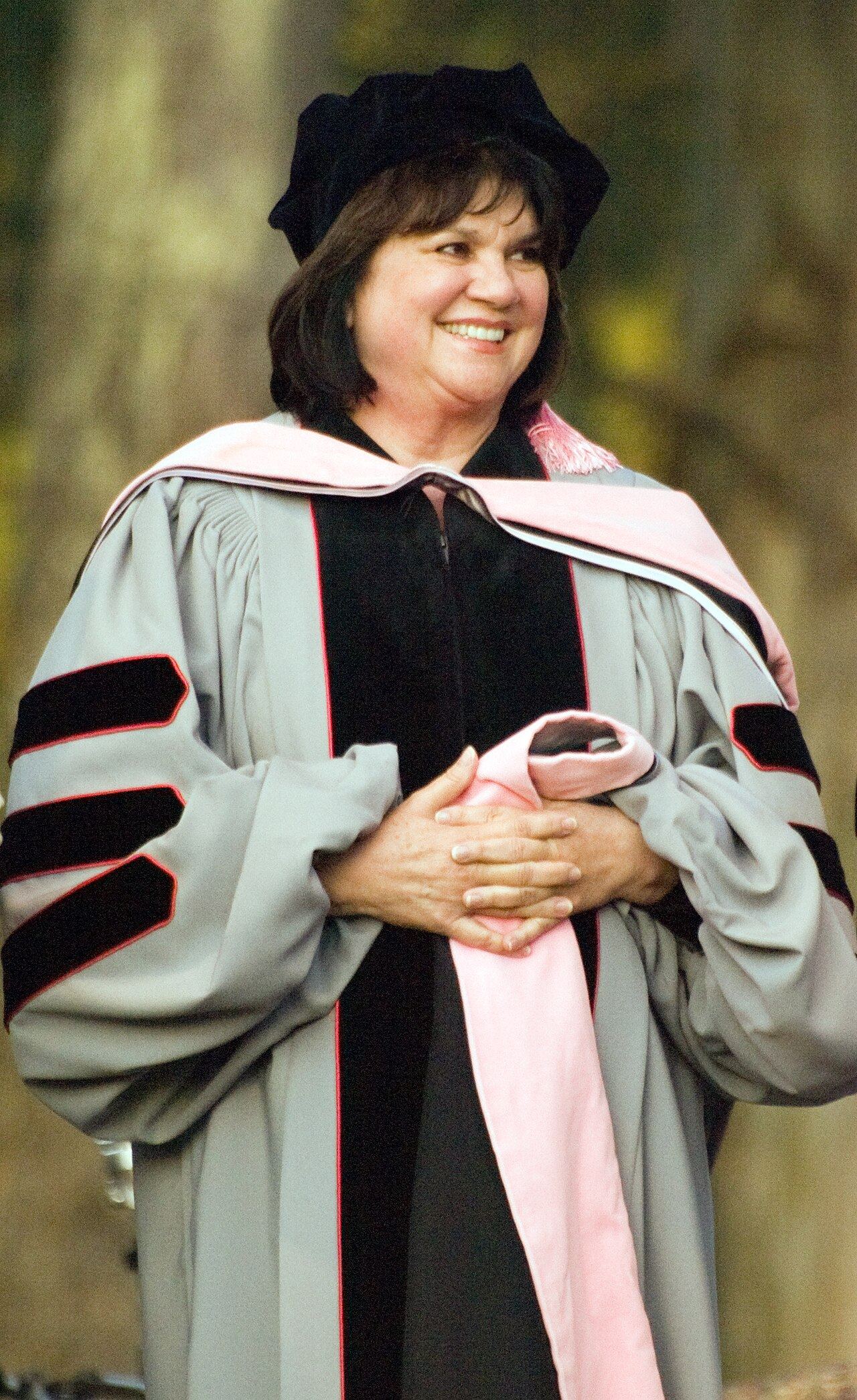
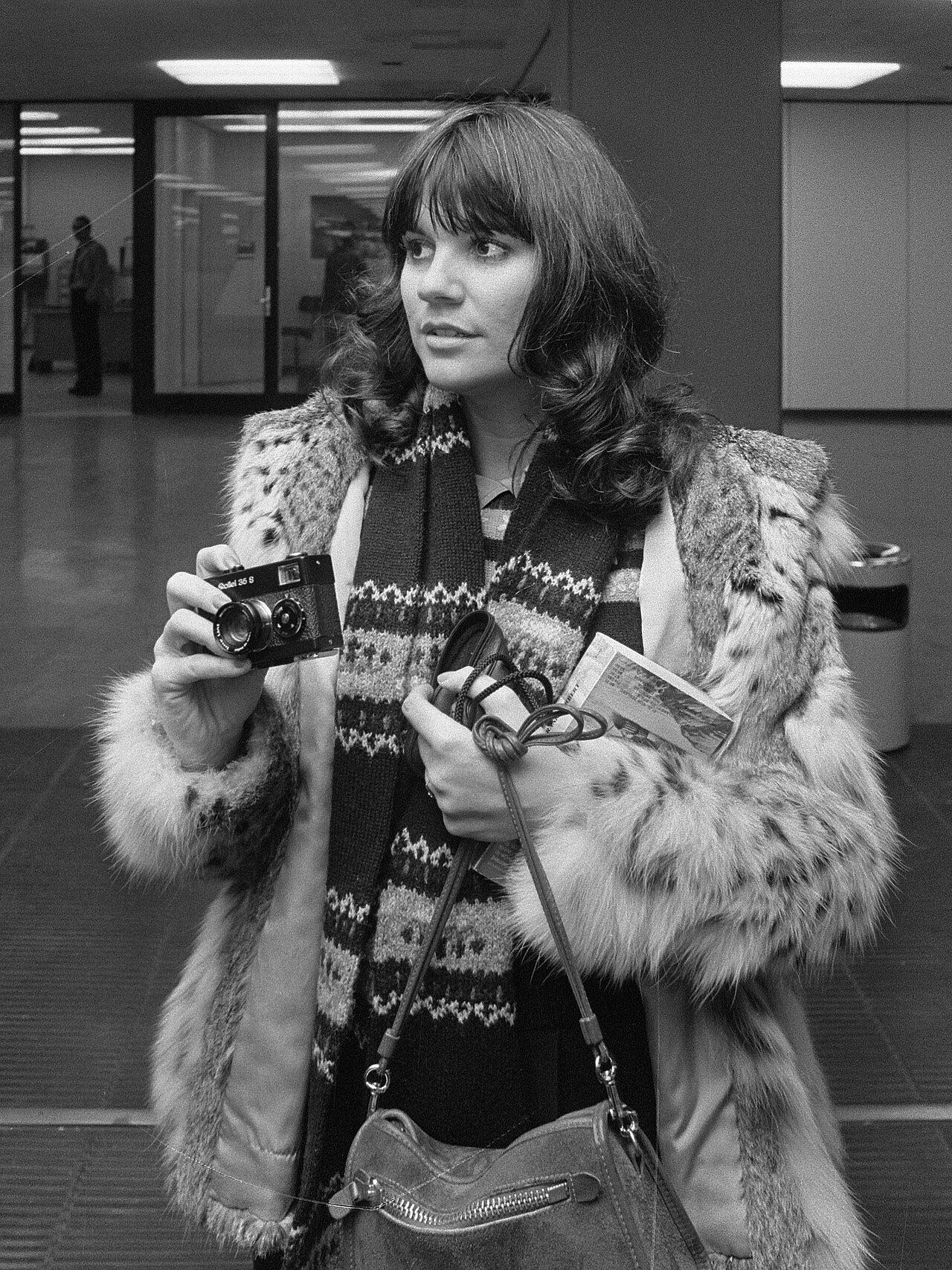
Quick Facts
- Song: “When Will I Be Loved”
- Writer: Phil Everly
- Original hit version: The Everly Brothers, 1960
- Notable cover: Linda Ronstadt on Heart Like a Wheel
- Peak noted in seed: No. 2 on the Billboard Hot 100
- Why it matters: A defining hit of Linda Ronstadt’s breakthrough era
Image credits: Rob Bogaerts for Anefo / Wikimedia Commons / CC0; Eric Frommer / Wikimedia Commons / CC BY-SA 2.0; Rob Bogaerts for Anefo / Wikimedia Commons / CC0.

