
News
How Ebby Rozene Cohran Helped Carry Charley Pride From a Memphis Ballpark to Country Stardom
Their marriage began with a conversation about pitching in segregated Memphis and grew into a disciplined partnership that steadied Charley Pride through hard labor, early music hustle, and the rise to the Country Music Hall of Fame.

A meeting built on baseball, not small talk
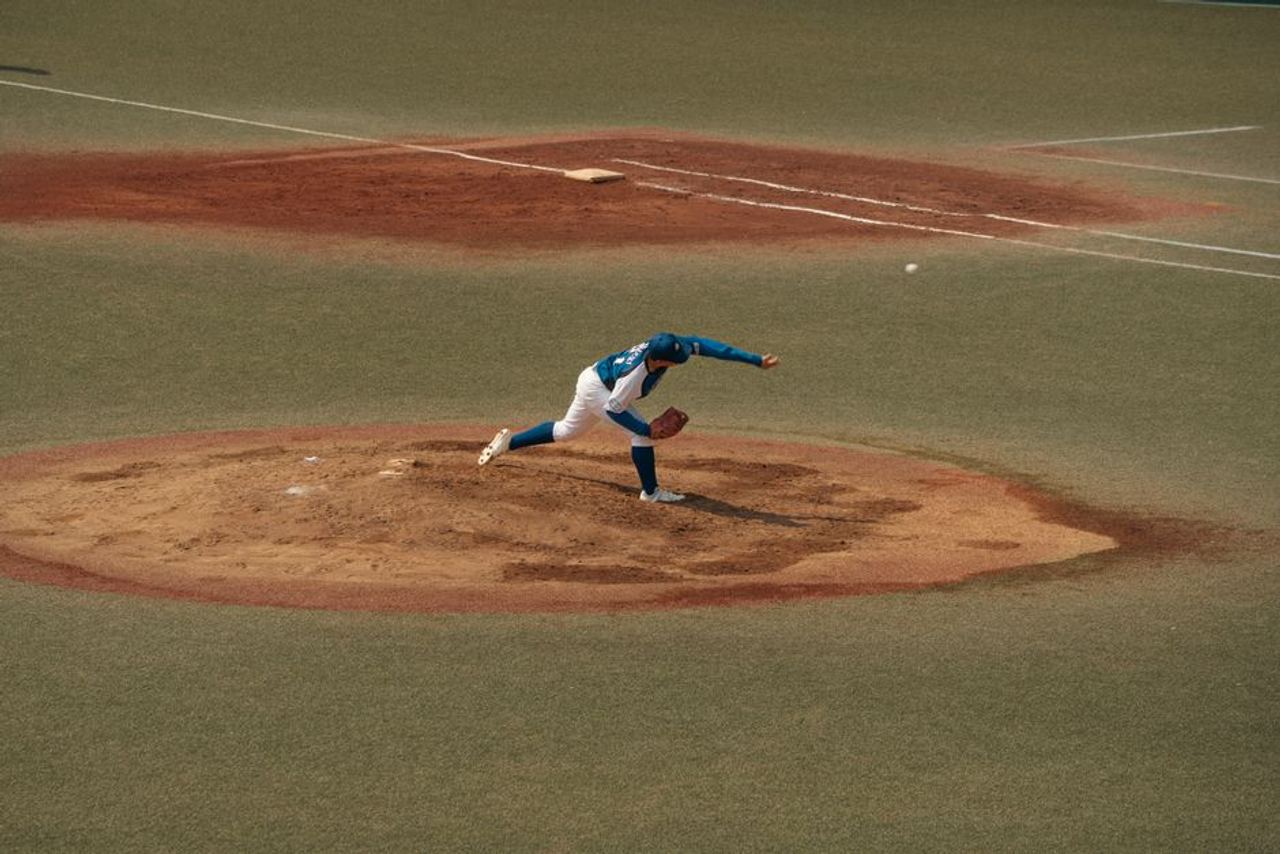
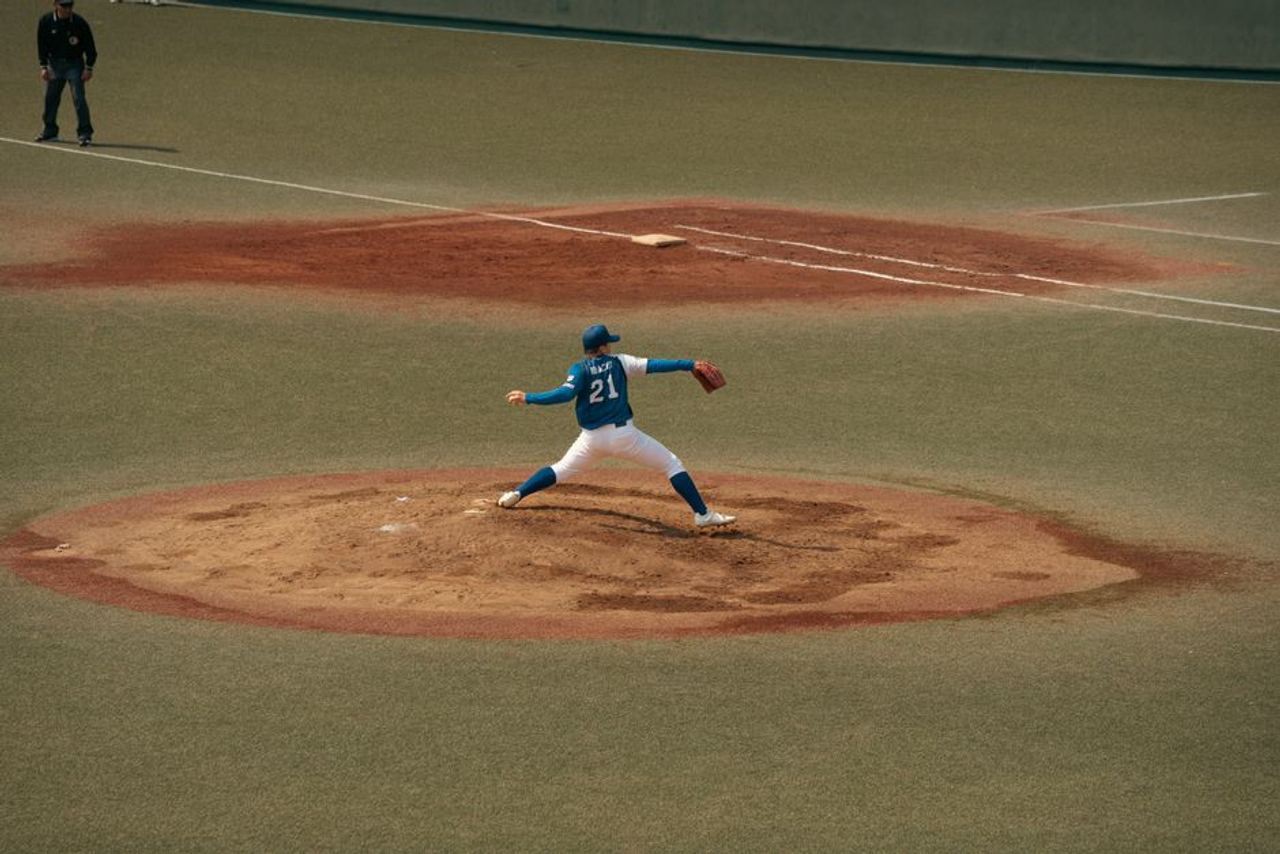
Before Charley Pride became one of country music’s most recognizable voices, he was a young ballplayer in Memphis, taking the mound for the Memphis Red Sox in 1956. It was at Martin Park that he met Ebby Rozene Cohran, and the spark between them came through a language both understood: baseball.
Rozene did not approach him with idle chatter. Having learned the game closely through her father, she spoke to Pride about pitching strategy, defensive alignment, and throwing mechanics. That detail matters. Their relationship began not with celebrity, glamour, or even music, but with mutual respect for preparation, intelligence, and craft.
She met him as an athlete first, and in many ways that set the tone for everything that followed: discipline, study, and performance under pressure.
A marriage formed in lean years
By December 1956, the two were married. The union was not built on wealth or comfort. It was grounded in the practical habits of two people who understood uncertainty and were prepared to work through it together.
That foundation would prove decisive. In the years when Pride’s major-league hopes faded, the couple faced the kind of crossroads that defines many lives but is often flattened in celebrity biographies. There was no guaranteed next act. There was simply a household to sustain, a future to imagine, and the need to choose a direction without illusions.
From baseball dreams to smelter shifts in Montana
When baseball opportunities narrowed in the early 1960s, the Prides moved to Helena, Montana, far from the Southern ballparks where Charley had pursued his athletic ambitions. There, he worked physically punishing shifts unloading ore at an Asarco zinc smelting facility, a job that demanded stamina and offered little romance.
Yet Montana also became the place where a second life began to take shape. Pride sang at local venues, including the Charlie Bitterroot Club, picking up extra money and testing what his voice could do in front of a crowd. Rozene recognized what those nights suggested: the smooth baritone that had once been a sideline might be the most realistic path ahead.
The partner who saw a career before the industry did
Rozene’s role was not ornamental encouragement. She urged Pride to pursue recording seriously while she kept the family’s finances in order and helped manage the paperwork that accumulates around any would-be career. That work is easy to overlook because it happens offstage, but it is often the difference between a dream and a livelihood.
In this telling of Pride’s rise, Rozene emerges as strategist as much as spouse. She had already connected with him through the logic of sports, and now she applied that same practical mindset to music. If baseball had taught them about mechanics and game plans, the music business required contracts, budgets, travel, and the steady protection of a fragile opportunity.
Guarding the business as the music broke through
Once producer Jack Clement and RCA Victor executive Chet Atkins helped launch Pride’s recording career in the mid-1960s, Rozene moved even more directly into his business affairs. She reviewed promoter contracts, tracked earnings, and worked to ensure that the family retained control of its assets as his profile grew.
That vigilance mattered especially as Pride toured across the segregated South. He was entering country music as a Black performer before audiences that could be skeptical or openly hostile. Rozene’s backstage oversight created a layer of security and order around him. It allowed him to focus on the performance itself without surrendering dignity, leverage, or self-possession.
Her work behind the scenes was a form of protection: not just of money, but of terms, respect, and the right to move through a hostile landscape on his own footing.
An alliance at the center of an American ascent
Charley Pride’s eventual journey to the Country Music Hall of Fame is often told as an improbable rise: from athlete to laborer to star. But that arc looks different when Rozene is placed back at the center of it. The through line is not luck alone. It is partnership sharpened by hardship and sustained by shared discipline.
Their alliance began with a baseball conversation in Memphis and endured through marriage, industrial labor, club dates, record deals, and road life. Rozene Cohran did not simply accompany Pride’s ascent. She helped engineer the stability that made it possible, turning private competence into one of the hidden structures beneath a public triumph.
Quick Facts
- Who: Ebby Rozene Cohran, wife and key behind-the-scenes partner of Charley Pride
- First connection: They met in 1956 at Martin Park in Memphis while Pride played for the Memphis Red Sox
- Shared bond: Baseball strategy, pitching mechanics, and disciplined preparation
- Married: December 1956
- Montana chapter: The couple moved to Helena after Pride’s baseball prospects dimmed
- Pre-fame work: Pride worked at an Asarco zinc smelting facility and sang at local clubs
- Music-industry allies: Jack Clement and Chet Atkins helped launch Pride’s recording career
- Rozene’s role: She handled finances, reviewed contracts, tracked earnings, and protected family assets
Image credits: Iban Lopez Luna / Pexels; Iban Lopez Luna / Pexels; Michael Vest / Pexels.

