
News
How Dolly Parton Turned Doralee Rhodes Into a Working-Woman Icon
By bringing her own unapologetically glamorous image to 9 to 5, Dolly Parton transformed a character built on office gossip into one of Hollywood’s sharpest reversals of class and gender prejudice.

She arrived in Hollywood without changing a thing
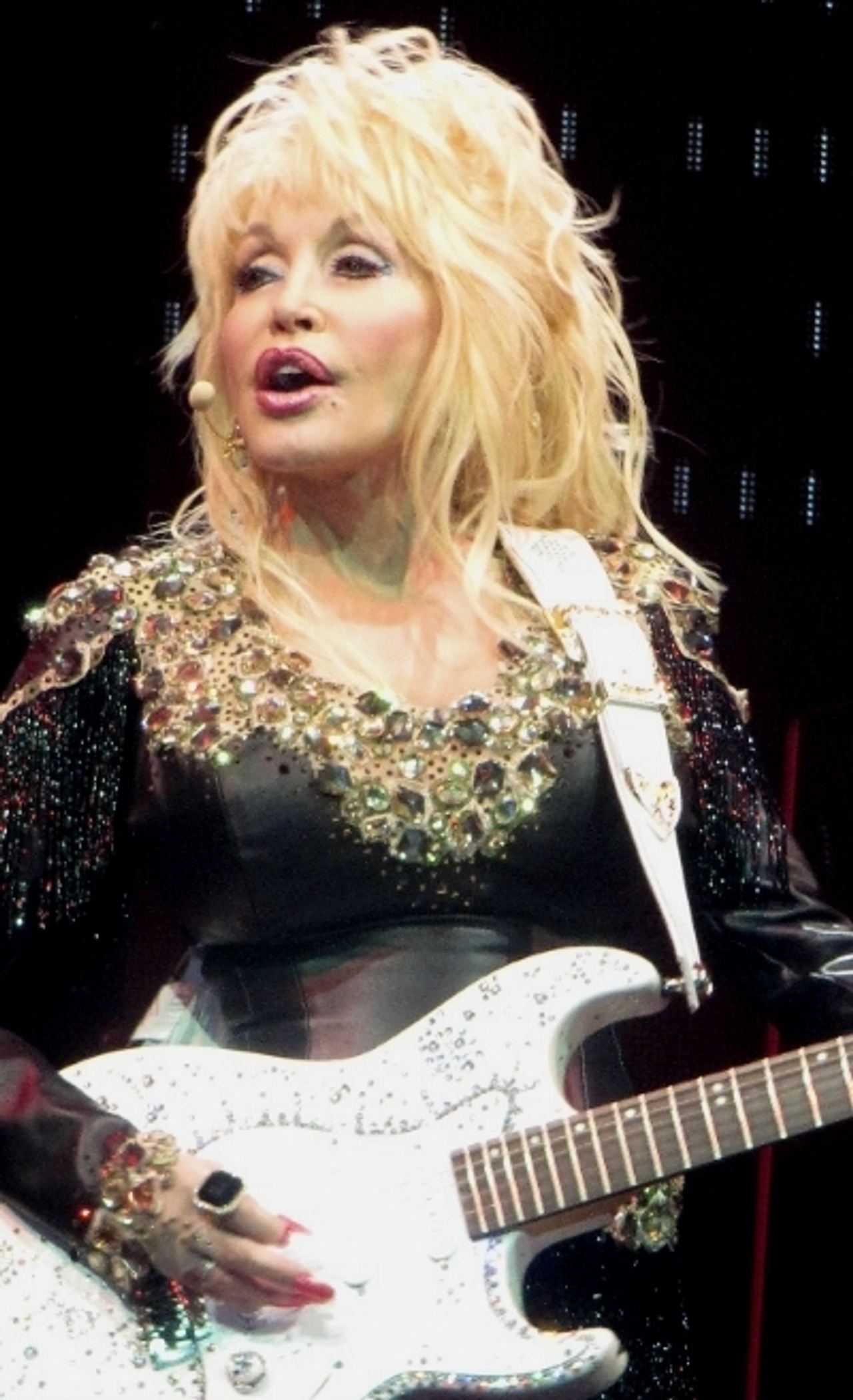
When Dolly Parton made her film debut in 9 to 5, the conventional wisdom of Hollywood costuming was easy to guess. A secretary in a mainstream workplace comedy was expected to look plausible, restrained, and safely professional. Parton rejected that logic outright. She insisted that Doralee Rhodes should wear the same exaggerated wigs, body-conscious outfits, and full-throttle makeup that had already become inseparable from Parton’s public image.
That decision was more than vanity or branding. It was a challenge to a whole visual code. In office culture, especially as commonly portrayed on screen, seriousness had long been linked to understatement. Parton understood that Doralee would be judged the moment she appeared. She leaned into that reaction instead of trying to protect the character from it.
I patterned my look after what people back home called the town tramp — and I thought she was beautiful.
The roots of the look were in Sevierville
Parton has long explained that the style did not begin in a studio wardrobe department. It came from childhood memory in Sevierville, Tennessee, where she was fascinated by a local woman dismissed by adults as the “town tramp.” To respectable people in town, the woman was a warning. To young Dolly, she was dazzling: all color, artifice, shine, and confidence.
That reversal matters. Parton did not merely imitate a glamorous figure; she rescued one from contempt. She took a woman treated as an object of ridicule and remade her as a personal muse. By the time Parton brought that aesthetic to 9 to 5, it already carried a deeper meaning: beauty could be assembled from what other people mocked, and femininity could be defiantly self-authored.
Doralee was written to trigger the office’s worst assumptions
In the film, Doralee’s appearance instantly marks her as a target. Her coworkers project a sexual story onto her before she has done anything at all, and her boss’s behavior turns those insinuations into outright harassment. The screenplay uses a familiar social mechanism: a woman who looks too glamorous, too curvy, too visible is assumed to be inviting judgment, desire, and suspicion all at once.
That dynamic was painfully recognizable in the era and remains recognizable now. Doralee is not treated as an individual but as a stereotype in motion. Her clothes and hair are read as moral evidence. The office rumor mill fills in the rest. 9 to 5 lets viewers see how quickly a workplace can transform style into accusation, and how eagerly authority can exploit that bias.
Then the film detonated the stereotype
What makes Doralee memorable is not simply that she suffers from the prejudice built into the office. It is that she obliterates it. The supposedly frivolous secretary turns out to be capable, intelligent, faithful, and morally clear-eyed. When the women in the office begin pushing back against their abusive boss, Doralee proves to be among the bravest and most decisive of them.
That turn gives the character real force. Doralee does not become respectable by dressing differently or by apologizing for how she looks. She remains unmistakably herself. The revelation is not that she was misread because she hid her true nature well; it is that the people around her never bothered to see past a superficial code they trusted too much.
A comedy about work became a sharper argument about class and gender
Parton’s refusal to tone down her image gave 9 to 5 one of its most subversive visual ideas. Doralee’s look carried hints of rural Southern working-class femininity, nightclub glamour, beauty-shop performance, and outsider bravado — all things elite culture often caricatured. By placing that look in a corporate office, the film exposed how respectability works: not as a measure of character, but as a set of signals that some people are taught to decode and others are punished for missing.
The alliance that develops between Doralee and the women who initially judge her is essential to the film’s staying power. It shows solidarity being built not from sameness but from recognition. Once the others understand what Doralee is actually enduring, their view shifts. The movie’s feminism becomes broader and more practical there: women do not need identical backgrounds, manners, or aesthetics to recognize the same structure of humiliation.
Why Doralee still endures
Parton’s performance in 9 to 5 helped turn a caricature into something rarer: a popular culture heroine who wins without becoming less flamboyant. That remains central to Dolly Parton’s larger appeal. Across decades, she has treated exaggeration not as disguise but as truth-telling. The wigs, rhinestones, and makeup are not a retreat from seriousness. In her hands, they become a way of exposing who gets underestimated, and why.
Doralee Rhodes still feels modern because the argument she embodied never really went away. Women are still sorted by appearance, class cues still shape assumptions about competence, and glamour is still often mistaken for emptiness. Parton understood all of that before she ever stepped onto a Hollywood set. By insisting that Doralee look exactly like Dolly, she proved that the problem was never the style. It was the prejudice looking at it.

Quick Facts
- Film: 9 to 5
- Role: Doralee Rhodes
- Actor: Dolly Parton
- Setting: A corporate office workplace comedy
- Signature idea: Parton kept her own glamorous stage style for the character
- Core theme: Reversing stereotypes about femininity, class, and competence
Image credits: Josef Just / Wikimedia Commons / CC BY-SA 3.0; Dietmar Rabich / Wikimedia Commons / CC BY-SA 4.0; Dietmar Rabich / Wikimedia Commons / CC BY-SA 4.0.

