
News
How Dale Watson Turned Private Grief Into a Wedding Song That Traveled the World
Written for his daughter’s wedding in 2013, Dale Watson’s “Daughter’s Wedding Song” became both a personal act of healing and a widely cherished father-daughter dance anthem.

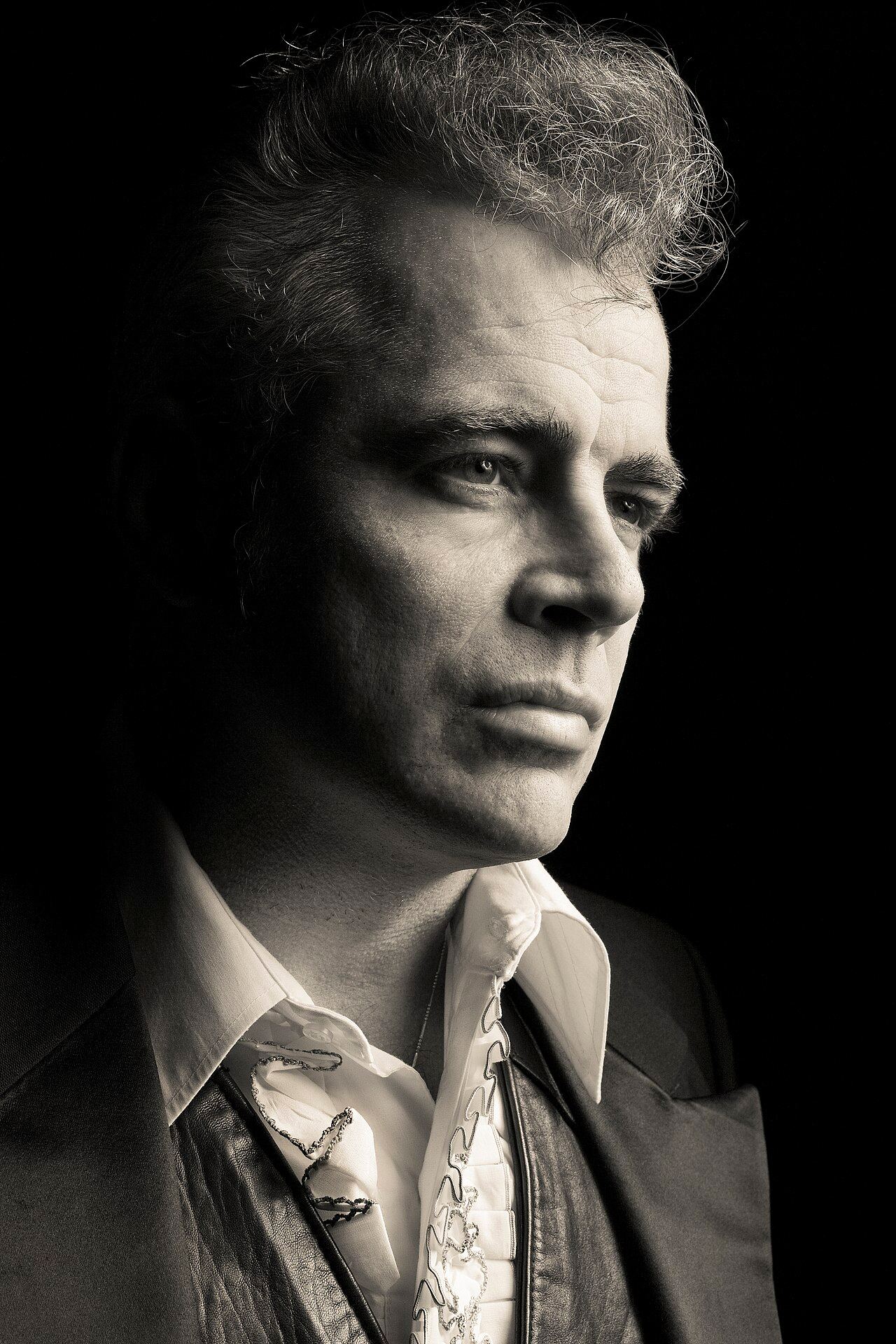
A wedding gift unlike any other
When Dale Watson released “Daughter’s Wedding Song” in 2013, he was not simply adding another tender ballad to the country songbook. He was giving his daughter something handmade, intimate and lasting: a blessing set to music for one of the biggest days of her life.
The song’s power begins with that origin. This was not a broad, commercial concept built in a writers’ room. It came from a father facing the emotional weight of watching his daughter marry, trying to put into words the pride, ache and love wrapped up in that moment. In Watson’s hands, the song landed with the plainspoken grace that has long defined his music.
What started as a family tribute became something much larger: a song other fathers and daughters recognized as their own.
The grief behind the gentleness
Part of what gives the song its unusual depth is the life Watson had already lived before he wrote it. Years earlier, he endured a devastating personal loss when his fiancée died suddenly, a tragedy that shook him profoundly and sent him into deep depression.
That history matters because “Daughter’s Wedding Song” does not sound like a songwriter casually reaching for sentiment. It feels earned. The warmth in the melody and the softness in its message come from someone who knew how fragile happiness can be, and who understood that moments of family joy are never guaranteed.
A hard-won act of emotional courage
Watson has long carried a rough-edged honky-tonk image, the kind of artist associated with barrooms, road miles and old-school country toughness. That makes the openness of “Daughter’s Wedding Song” all the more striking. Rather than hide behind coolness or wit, he let vulnerability lead.
For a man whose own future had once been interrupted by loss, writing a hopeful song for his daughter’s marriage was more than a sweet gesture. It was a quiet act of defiance against grief. Instead of allowing tragedy to define the emotional boundaries of his life, he chose to show up fully as a father, generous and present in a moment that could easily have stirred only pain.
Why the song feels so universal
The emotional center of the track is instantly recognizable: the bittersweet experience of giving a daughter away. It holds two truths at once. There is celebration, because a new life is beginning. There is sorrow too, or at least a tender kind of ache, because the father is being asked to let go of the little girl he once knew.
That balance is what separates the song from generic wedding sentiment. It does not flatten the occasion into simple happiness. It understands transition. Listeners hear not just affection but the emotional complexity of family change, and that honesty is often what turns a personal song into a lasting ritual.
From one family’s moment to a wedding staple
Although it began as a song for one specific bride and one specific father, “Daughter’s Wedding Song” quickly found a much wider life. Couples and families embraced it as a natural soundtrack for father-daughter dances, drawn to its sincerity and its lack of showy artifice.
That spread makes sense. Weddings often create a demand for songs that can carry real feeling without tipping into cliché, and Watson’s composition answered that need. People did not have to know every detail of his biography to feel the truth in the performance. The song made room for their own stories, their own tears and their own gratitude.
The legacy of a song born from survival
Seen in retrospect, the legacy of “Daughter’s Wedding Song” is about more than wedding playlists. It stands as evidence of what artists can do with pain when they refuse to let it calcify into silence. Watson transformed private sorrow into something useful to other people, a song that has helped mark one of life’s most emotional ceremonies.
There is a poignant symmetry in that achievement. A man who had lost his own chance at marriage still found a way to bless his daughter’s new beginning. In doing so, he created more than a keepsake. He made a piece of music that continues to light up dance floors, reception halls and family memories, proving that love can survive heartbreak and still speak in a hopeful voice.
Quick Facts
- Artist: Dale Watson
- Song: Daughter’s Wedding Song
- Release year: 2013
- Written for: Watson’s daughter’s wedding
- Known legacy: Popular choice for father-daughter wedding dances
Image credits: Kendawa / Wikimedia Commons / CC0; Kendawa / Wikimedia Commons / CC0; Kendawa / Wikimedia Commons / CC0.

