
News
How a French Pop Song Became Frank Sinatra’s Ultimate Statement
Before it became Frank Sinatra’s defining valedictory anthem, “My Way” began life in France as “Comme d’habitude,” a song of weary routine that Paul Anka reshaped into one of pop’s most durable self-portraits.

Before “My Way,” There Was “Comme d’habitude”
The song most listeners now associate with Frank Sinatra did not begin as an American standard at all. Its musical roots lie in France, in “Comme d’habitude,” a pop song built around resignation rather than triumph. Where “My Way” would later sound like a public summing-up, the earlier version carried a more intimate mood: the sadness of repetition, the feeling of love and life turning mechanical.
That original French composition is closely tied to Claude François and Jacques Revaux, with Gilles Thibault also credited. Their work supplied the melody and emotional architecture that would travel far beyond its first context. The transformation that followed is one of popular music’s great acts of reinvention: not a straightforward translation, but a complete reimagining of what the song meant.
Paul Anka Hears a Possibility
The crucial bridge between French pop and American popular song was Paul Anka. After hearing “Comme d’habitude” in France, he recognized something in its melody that could carry a very different kind of story. He acquired the adaptation rights, giving himself the chance to write new English lyrics rather than simply render the French words line by line.
That distinction matters. “My Way” is not remembered because it imported a continental hit into English; it endures because Anka used the melody as a frame for an entirely new character and voice. He wrote lyrics specifically with Sinatra in mind, turning the song into a statement of defiance, reflection, and self-authorship.
It is one of pop’s cleverest pivots: the same melody that once expressed routine and disillusion became, in English, a credo of individual will.
Writing for Sinatra, Not Just for the Charts
Anka’s lyric was tailored to persona as much as to pitch. By the late 1960s, Sinatra’s voice carried not only technical authority but biography: glamour, bruises, confidence, regret, and the public mythology of a man who had lived under constant scrutiny. “My Way” worked because it sounded as if it belonged to that accumulated history.
The lyric’s power lies in its directness. It does not rely on ornate imagery or narrative complexity. Instead, it offers a reckoning: a life reviewed, mistakes acknowledged, choices defended. In another singer’s hands, those lines might have sounded merely grand. With Sinatra in view, they became something more compelling—a performance of self-judgment delivered with both pride and weariness.
The 1968 Recording That Fixed the Song in Culture
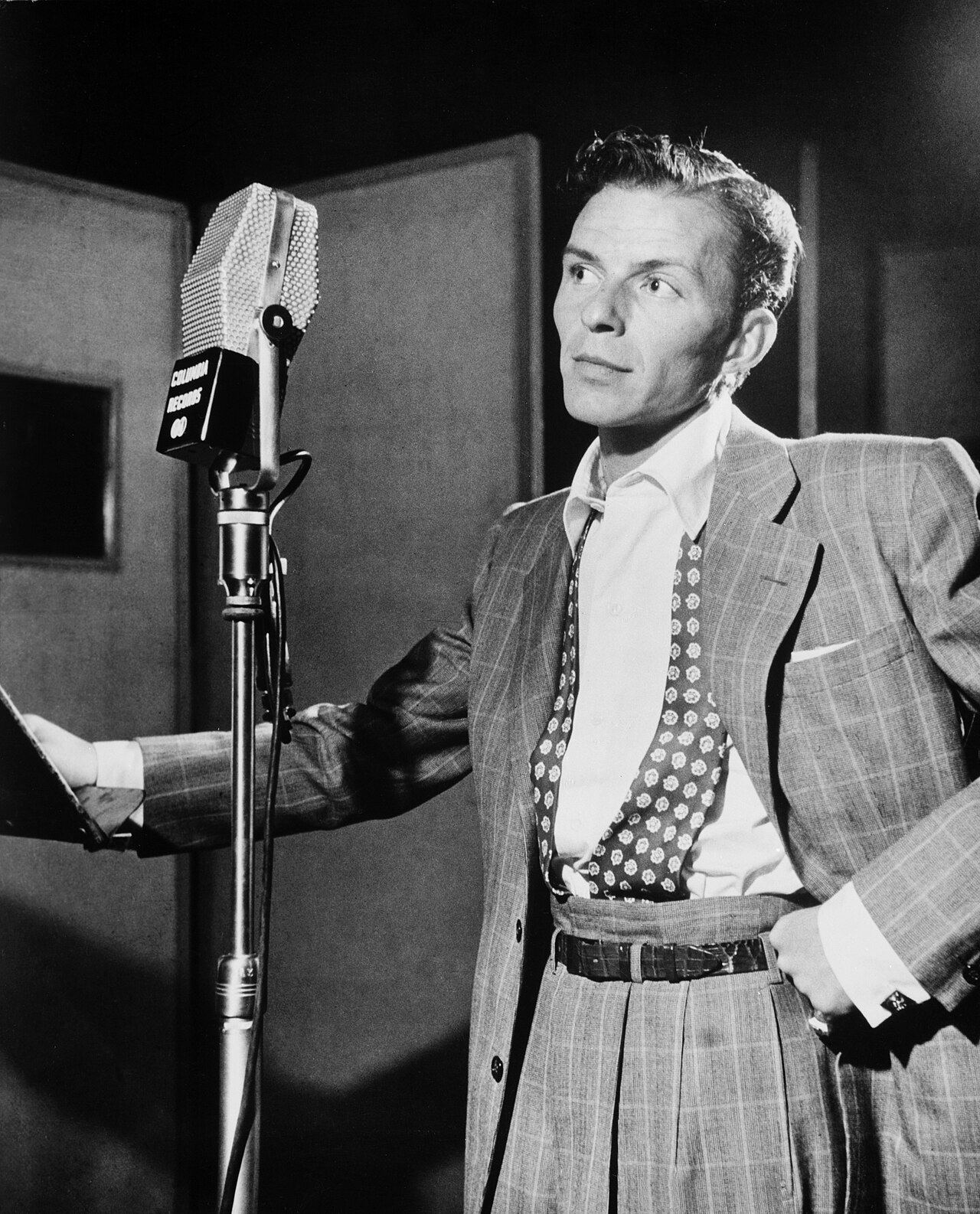
Sinatra recorded “My Way” in late 1968, and it was released in 1969. That timing proved important. The era was changing fast, and Sinatra, already an emblem of an earlier show-business order, was confronting a musical landscape transformed by rock, youth culture, and new forms of celebrity. “My Way” did not try to sound contemporary in the fashion of the day; it doubled down on identity.
That may be one reason the recording lasted. It has the quality of an artist refusing to be swept aside by trend. The arrangement, the measured build, and Sinatra’s controlled delivery all contribute to a sense of finality without surrender. The song sounds like a farewell, but also like a declaration that the terms of that farewell will be set by the singer himself.
Why the Song Became Sinatra’s Ultimate Statement
Many famous songs become attached to major artists, but only a few come to feel inseparable from them. “My Way” reached that level because it condensed the public idea of Sinatra into a few unforgettable minutes. It suggested elegance under pressure, self-belief in the face of doubt, and a refusal to apologize for a fully lived life.
Yet the song’s endurance also comes from its openness. Listeners hear in it retirement speech, victory lap, confession, toast, and epitaph. It can be performed as swagger or vulnerability. That flexibility helps explain why it moved beyond Sinatra while never really leaving him. Countless singers have taken it on, but the song still returns, almost inevitably, to his interpretation as the standard against which all others are judged.
A Transatlantic Reinvention That Still Resonates
The journey from “Comme d’habitude” to “My Way” is a reminder that great popular songs are often collaborations across borders, languages, and sensibilities. Claude François, Jacques Revaux, and Gilles Thibault created the musical source; Paul Anka recognized its second life; Sinatra supplied the performance that made that second life definitive.
What survives is more than a hit. It is a case study in adaptation at the highest level: melody retained, meaning transformed, identity crystallized. A French song about habitual emptiness became, through a new lyric and a singular voice, one of the most enduring statements in modern popular music.
Quick Facts
- Original song: “Comme d’habitude”
- French songwriters credited: Claude François, Jacques Revaux, and Gilles Thibault
- English adaptation: New lyrics written by Paul Anka
- Who recorded the signature version: Frank Sinatra
- Sinatra recorded it: Late 1968
- Released: 1969
Image credits: William P. Gottlieb / Wikimedia Commons / Public domain; Columbia Pictures Corporation / Wikimedia Commons / Public domain; Photograph taken by George Hurrell for Metro-Goldwyn-Mayer (MGM). / Wikimedia Commons / Public domain.

