
Celebrities & Music
HER FIRST LOVE LEFT HER WITH A BROKEN HEART, AND COUNTRY MUSIC’S BIGGEST LEGENDS TURNED HER AWAY — BUT ROSE MADDOX REFUSED TO GO QUIETLY.
Rose Maddox, known as the firecracker frontwoman of the Maddox Brothers, faced rejection and heartbreak but persevered in country music, paving the way for independent women in the genre.

The world knew her as the firecracker frontwoman of the Maddox Brothers, the girl with the colorful dresses and the unmistakable voice. But behind the bright lights, Rose was carrying a quiet, heavy survival story.
After a painful early marriage collapsed, she found herself alone with a young son, Donnie. She knocked on doors, auditioning for titans like Roy Acuff and Bob Wills.
They passed on her. Most would have packed up and gone home. But when love couldn’t save her, and the industry tried to shut her out, the music became her lifeboat.
She realized she didn’t need her brothers or a famous bandleader to validate her worth. She was born to stand in the spotlight, and she was going to claim it.
In 1958, fate finally aligned when she walked into the Wheel Club in Oceanside and met Jimmy Brogdon. He wasn’t just a club owner; he was a man who understood the smoky honky-tonk air she breathed.
Through all the rejection and the heartache, Rose Maddox kept singing. She wasn’t just performing for applause. She was singing to survive. And in doing so, she paved the way for every independent woman in country music who was ever told “no.”
THE WORLD KNEW HER AS THE UNSTOPPABLE FIRECRACKER OF WEST COAST COUNTRY — BUT BEHIND THE BRIGHT DRESSES WAS A SINGLE MOTHER FIGHTING JUST TO SURVIVE.
To the thousands of fans who packed into smoky dance halls and honky-tonks, Rose Maddox was a sheer force of nature.
As the frontwoman of the legendary Maddox Brothers and Rose, she was the girl with the unmistakable voice, the blindingly colorful western costumes, and a stage presence that could blow the roof off any building.
She was loud. She was fearless. She was the undisputed queen of hillbilly boogie.
But that was just the public image.
When the stage lights went dark and the applause faded into the night, Rose was carrying a quiet, heavy burden that very few people truly understood.
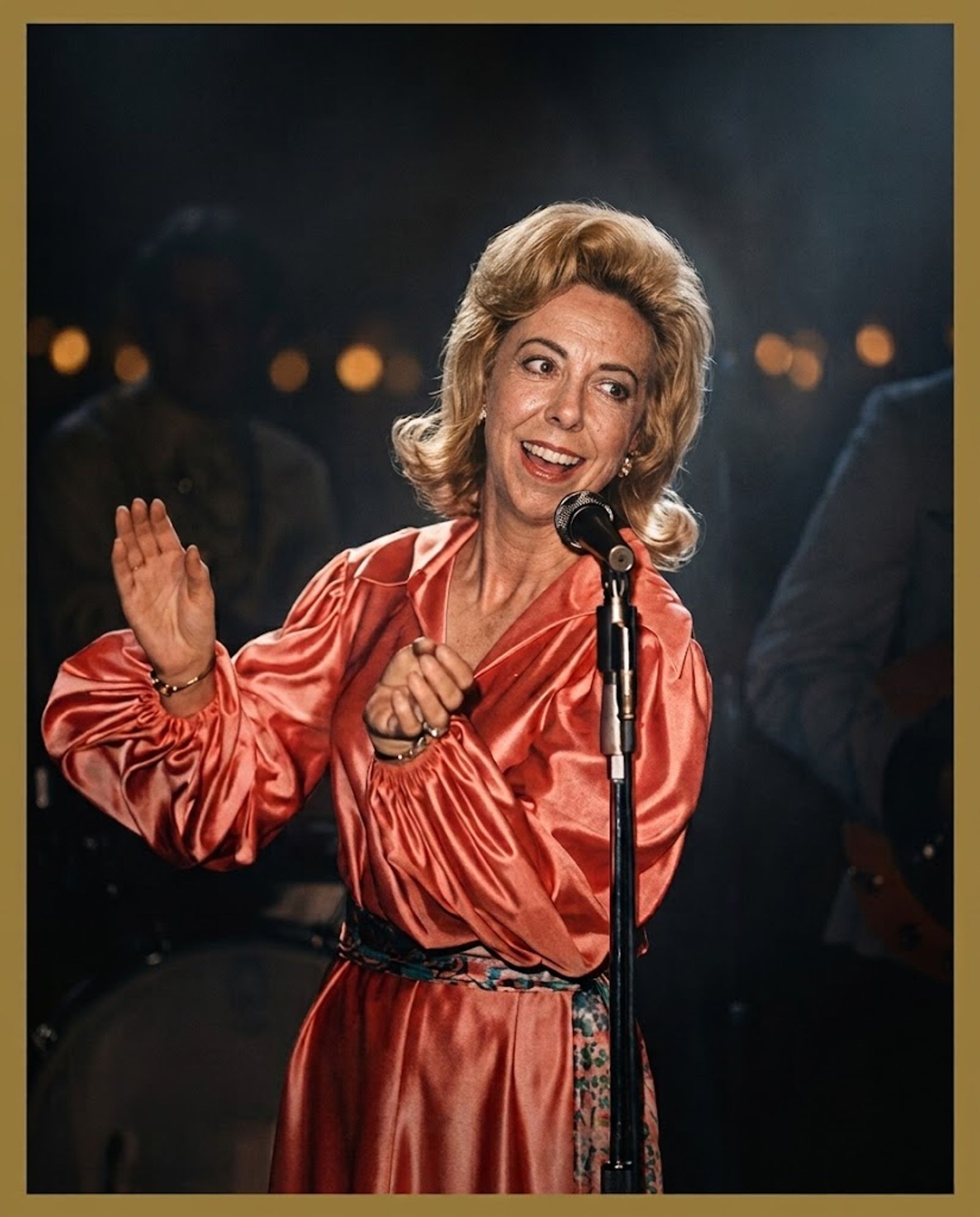
Behind the infectious smile and the fiery persona was a woman who had already survived the kind of heartbreak that breaks people permanently.
An early marriage had collapsed in pain, leaving her completely alone with a young son, Donnie.
Suddenly, she wasn’t just a girl dreaming of stardom. She was a desperate mother staring at a terrifying world, realizing that if she didn’t fight, they wouldn’t survive.
So, she knocked on doors.
She took her raw, untamed talent and stood in front of the absolute titans of the country music industry. She auditioned for men who held the keys to the kingdom.
She sang for Roy Acuff. She sang for Bob Wills.
And one by one, country music’s biggest legends turned her away.
They passed on her. They told her there wasn’t a place for a woman like her in their bands. The industry was a boys’ club, built on rigid rules, and they expected women to be quiet, demure, and standing softly in the background.
Most people would have packed up and gone home. Most would have accepted defeat and let the heartbreak win.
But Rose Maddox refused to go quietly.
When love couldn’t save her, and when the industry machine tried to shut her out, the music became her only lifeboat.
She realized a profound truth that would change the course of country music forever: she didn’t need a famous bandleader to validate her worth.
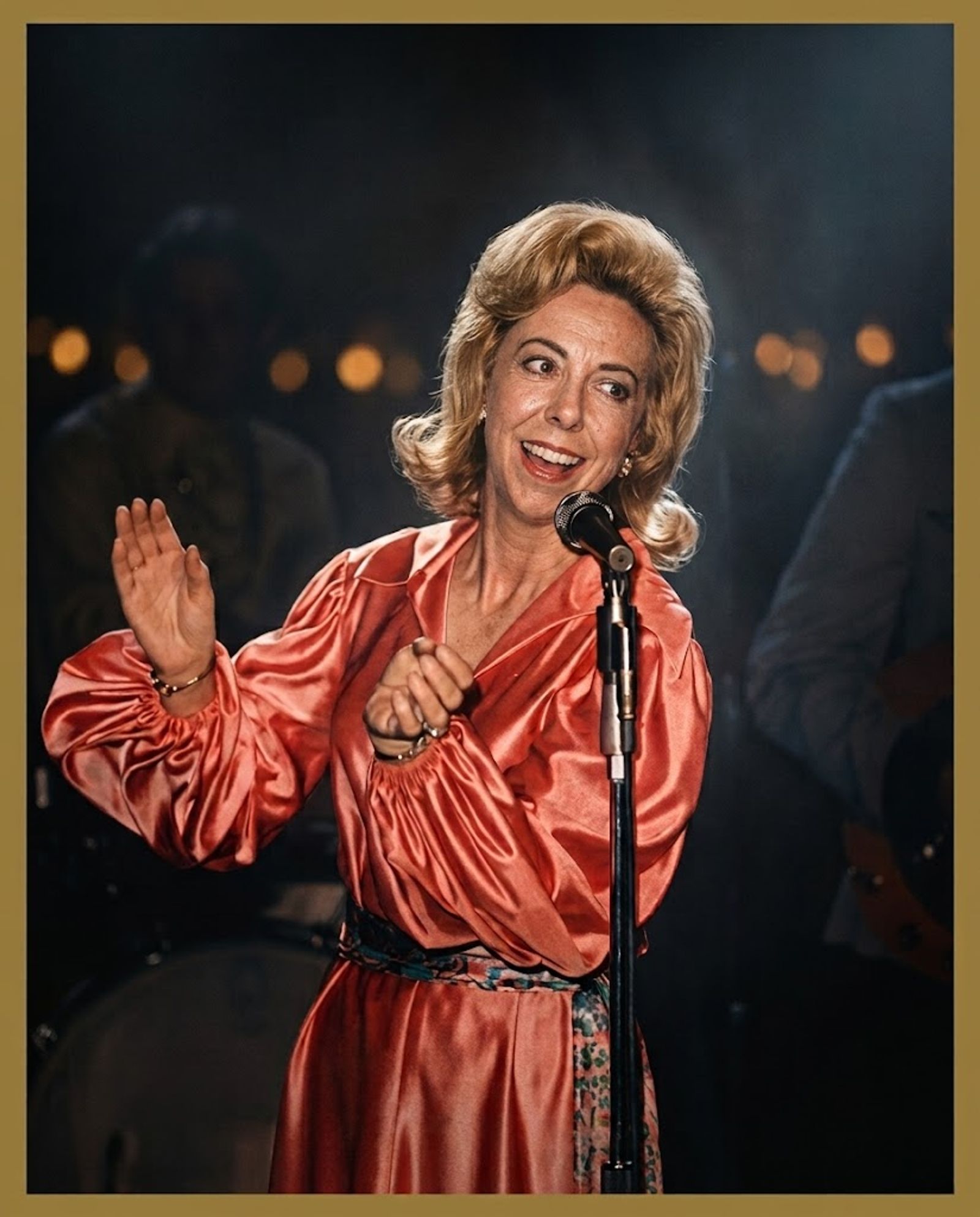
She was born to stand in the spotlight, and she was going to claim it with her own two hands.
She pushed forward, singing with a raw, undeniable ache that you couldn’t learn in a vocal lesson. You had to live it to sing it.
In 1958, fate finally decided to reward her relentless grit.
She walked into the Wheel Club in Oceanside, California, and met Jimmy Brogdon.
He wasn’t just a club owner. He was a man who truly saw her. He understood the smoky honky-tonk air she breathed, and he recognized the fierce, unbroken spirit of a woman who had survived it all.
Through all the rejection, the closed doors, and the profound heartache, Rose kept singing.
She wasn’t just performing for the applause anymore. She was singing like someone trying to make it through one more night.
She was singing to put food on the table for her little boy.
And in doing so, she unwittingly shattered the glass ceiling of an entire genre.
Every independent woman in country music today—every female artist who demands to be heard, who refuses to be silenced, who stands her ground when the industry tells her “no”—owes a massive debt to Rose Maddox.
Sometimes, the true pioneers aren’t the ones who were handed the golden ticket.
They are the ones who took the rejections, wiped their tears, put on a brightly colored dress, and walked out onto the stage to sing anyway.
Her voice still echoes in every honky-tonk where a woman dares to be loud.
Read more stories
- He Was Rejected By His Own Mom And Raised To Think ‘Women Are Evil’ But He Became A Legendary Rockstar
- TOBY KEITH RECORDED SOME OF THE BIGGEST PATRIOTIC ANTHEMS IN COUNTRY MUSIC HISTORY—BUT HIS REAL LEGACY WAS BUILT ON MILITARY BASES WHERE NO CAMERAS WERE ROLLING.
- [Video]: The One-Take Hit That Took Over Rock Radio
- The Box Tops’ “The Letter” Captures Lightning in a Bottle and Redefines Blue-Eyed Soul in 1967-2