Celebrities & Music
He gave the woman he loved the hardest choice imaginable—and the heartbreaking answer became one of the most unforgettable love songs of the 1960s.
The article explores Ricky Nelson’s song “It’s Up to You,” highlighting its emotional depth and timeless themes of love, choice, and acceptance.
Some love songs demand attention with dramatic declarations, while others whisper so gently that their emotions stay with us long after the final note fades away.
Ricky Nelson’s “It’s Up to You,” released in 1963, belongs to that rare second group, proving that quiet sincerity can often leave the deepest impression.
By the early 1960s, Ricky Nelson had already become one of America’s most recognizable young stars, admired for his effortless charm and unmistakable voice.
Having grown up before television audiences, he carried a familiarity that made listeners feel as though they had known him for years.
Yet behind the polished image was an artist steadily maturing, searching for songs that reflected genuine emotion rather than passing trends.

“It’s Up to You” arrived at exactly the right moment in that journey.
Instead of celebrating romance with grand promises, the song gently explores the uncertainty that follows when love begins to slip away.
Its narrator does not demand answers or place blame, choosing instead to leave the final decision in the hands of the person he still loves.
That quiet humility gives the song an emotional honesty that remains remarkably refreshing even today.
Many heartbreak songs are filled with anger or desperation, but this one finds strength through acceptance and dignity.
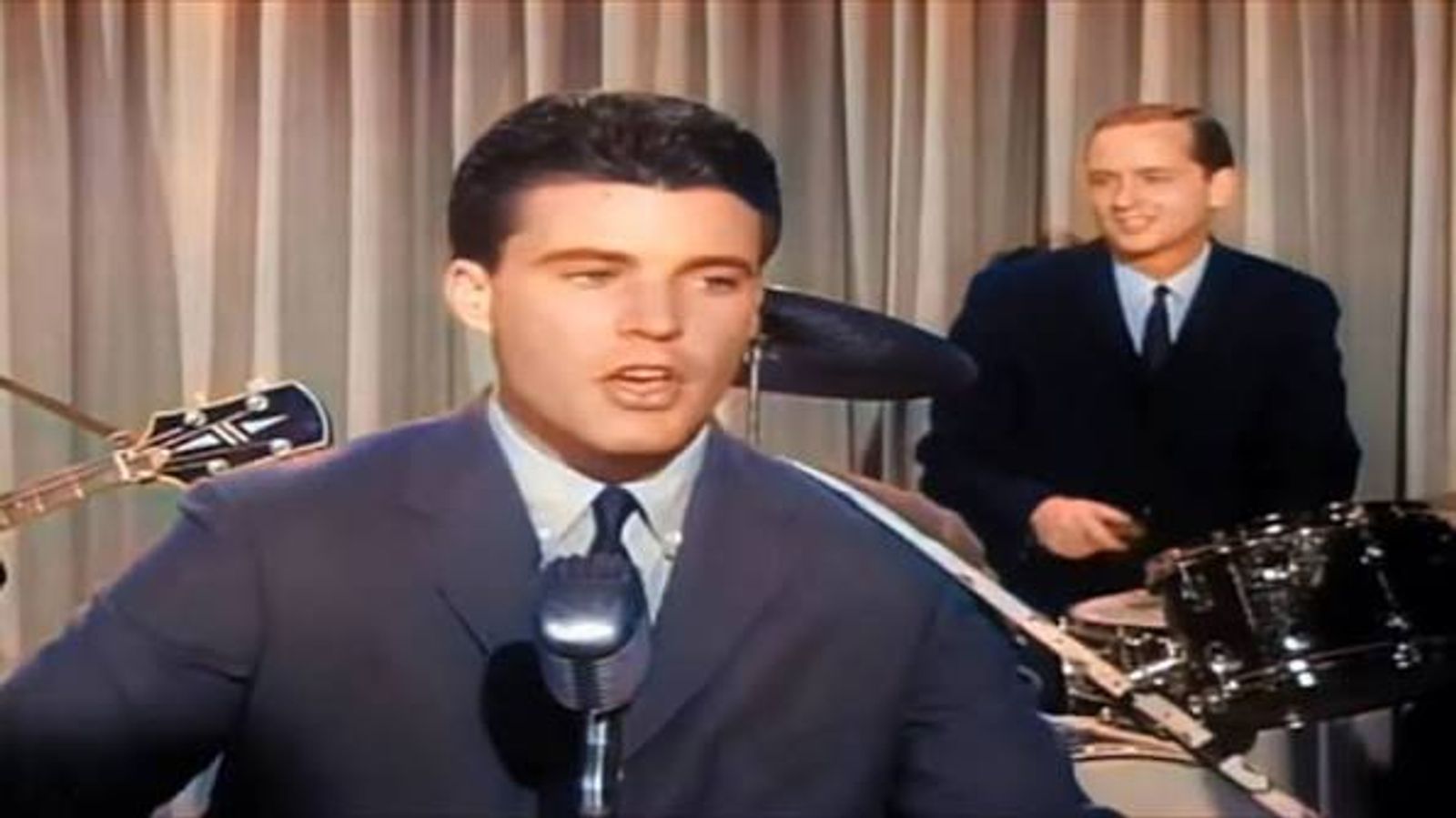
The lyrics acknowledge pain without allowing sorrow to become bitterness.
That emotional balance makes the recording feel mature beyond its years.
Listeners quickly recognize that this is not simply a story about losing someone.
It is also a story about respecting another person’s freedom, even when the outcome may break your own heart.
Such quiet courage is rarely celebrated, yet it is often one of love’s greatest acts.
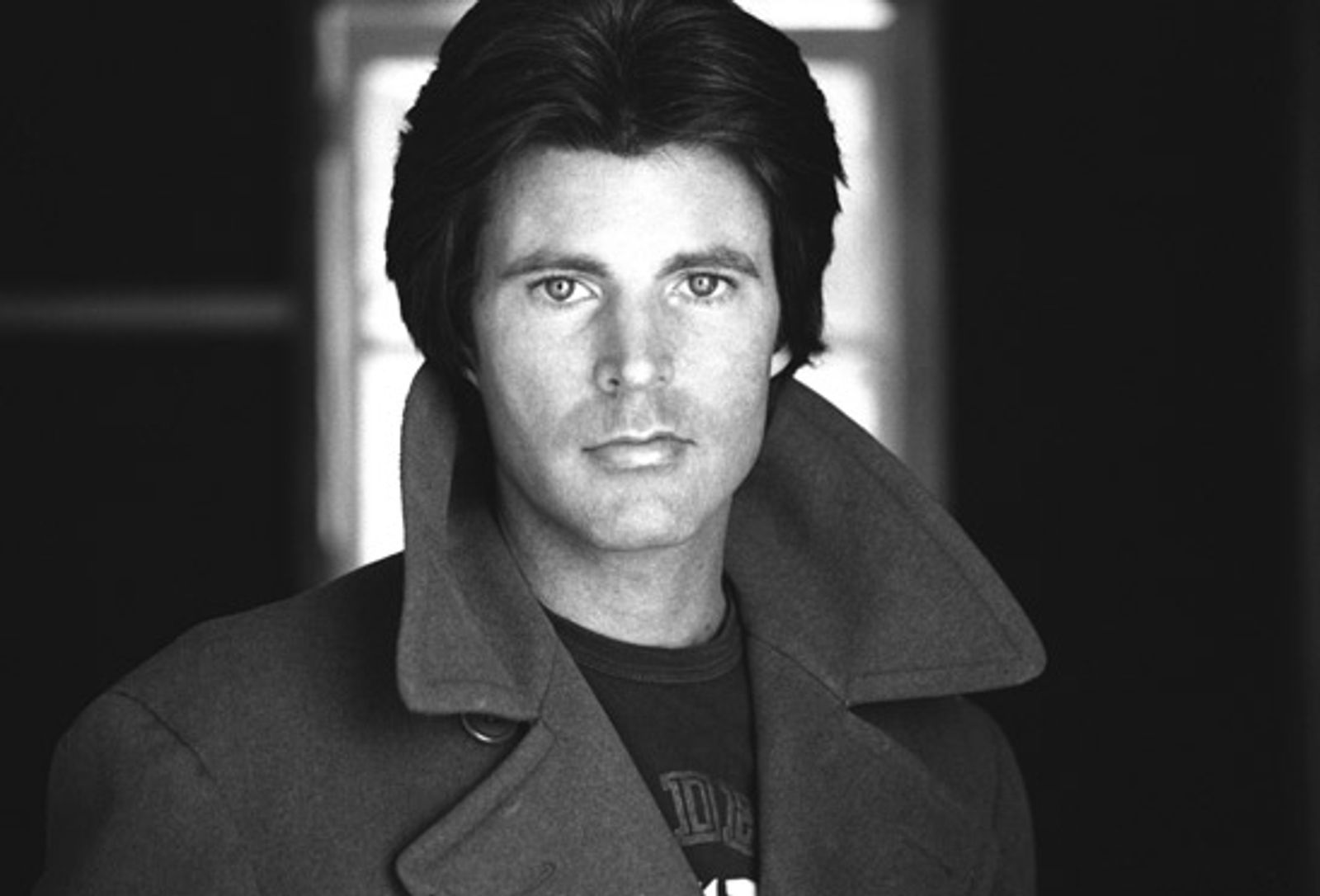
Ricky Nelson delivers every line with calm restraint, allowing the lyrics to speak naturally without unnecessary drama.
His warm tenor voice carries both hope and sadness in equal measure.
Rather than overwhelming listeners with emotion, he invites them into a deeply personal conversation.
That intimacy has become one of the recording’s greatest strengths across generations.
Musically, the arrangement reflects the elegance of early 1960s pop.
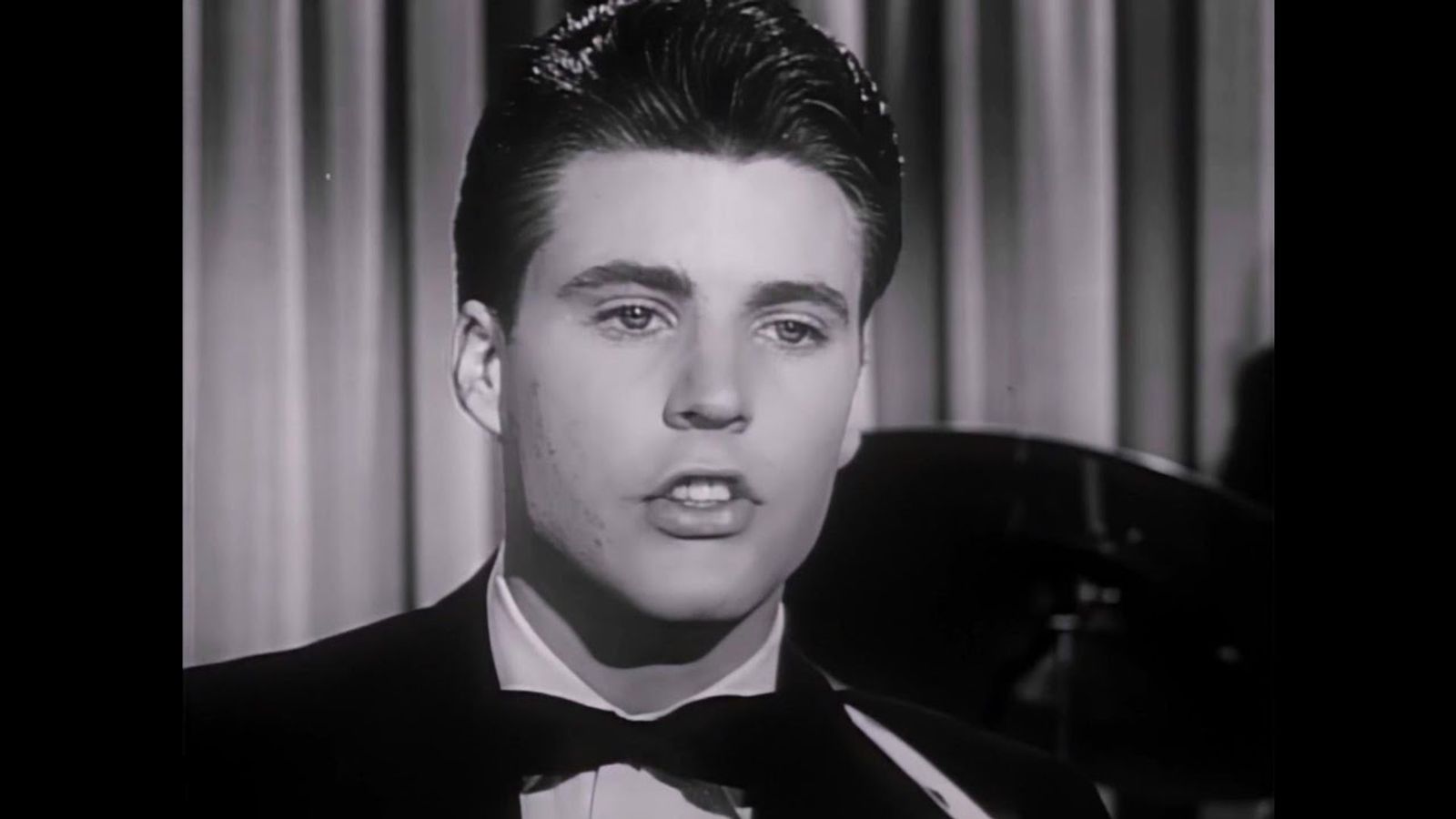
Gentle guitar, tasteful orchestration, and a steady rhythm create a smooth backdrop that perfectly supports the song’s reflective mood.
Nothing feels rushed or excessive, allowing every melody to unfold with effortless grace.
The production reminds us that simplicity often creates the most enduring beauty.
As musical styles rapidly evolved throughout the decade, many recordings became closely tied to their era.
“It’s Up to You,” however, possesses a timeless quality that allows it to remain emotionally relevant decades after its release.

Its themes of uncertainty, patience, and unconditional affection belong to every generation.
Nearly everyone has experienced the difficult moment when love depends upon another person’s choice rather than their own wishes.
That universal experience explains why listeners continue discovering new meaning in the song as they grow older.
Young hearts hear romance, while older hearts recognize sacrifice and quiet understanding.
The passage of time only deepens the emotional weight carried within its gentle lyrics.

For many longtime fans, the song recalls evenings spent beside a glowing radio, when melodies became treasured companions through life’s changing seasons.
Others associate it with slow dances, handwritten letters, and conversations that could never quite find the right words.
Music possesses a remarkable ability to preserve moments that memory alone cannot fully protect.
Few artists understood that gift better than Ricky Nelson.
Throughout his career, he never relied solely on vocal power or elaborate performances to connect with audiences.
Instead, he trusted honesty, warmth, and beautifully crafted songs to build lasting relationships with listeners.
That quiet authenticity continues to distinguish his recordings from countless others released during the same period.
Although the world of popular music has changed dramatically since 1963, the emotions inside “It’s Up to You” remain wonderfully familiar.
Love still requires patience, vulnerability, and the willingness to accept uncertainty without losing kindness.
Those timeless truths ensure that every new generation can find part of their own story within the song.
Listening today feels less like revisiting an old recording and more like hearing timeless advice from a trusted friend.
Its melody gently reminds us that not every ending must be filled with resentment to be unforgettable.
Sometimes the greatest strength lies in loving someone enough to let them choose their own path.
That message gives the song an emotional depth far greater than its simple structure might initially suggest.