Celebrities & Music
George Strait’s “Amarillo by Morning” Rides Into Country Music History as a Quiet Masterpiece in 1983-2
George Strait’s “Amarillo by Morning” is celebrated for its authentic storytelling and traditional country roots, marking its significance in the genre despite not topping the charts.
When George Strait released “Amarillo by Morning” in 1983, it didn’t top the charts—but it became something far more lasting. With its gentle fiddle intro, steel guitar, and heartfelt storytelling, the song captured the loneliness and freedom of life on the road in a way few country songs ever had.
Strait’s calm, restrained vocal delivery gave the track an authenticity that stood out during an era filled with more polished, pop-driven country music. Rather than chasing trends, “Amarillo by Morning” embraced traditional country roots and reminded listeners of the power of simple, honest storytelling.
“It didn’t need flashy production—its emotion carried everything.”
Though it peaked at No. 4 on the country charts, the song became one of George Strait’s signature recordings and helped shape the rise of neotraditional country music in the 1980s. Decades later, it remains one of the most respected and beloved songs in the genre.
Released in the late 1960s, this song captured the fragile line between youth and adulthood, yet today only a few still remember how real that feeling once was.
Chapter 1: A Tender Ballad About Growing Up and Falling in Love
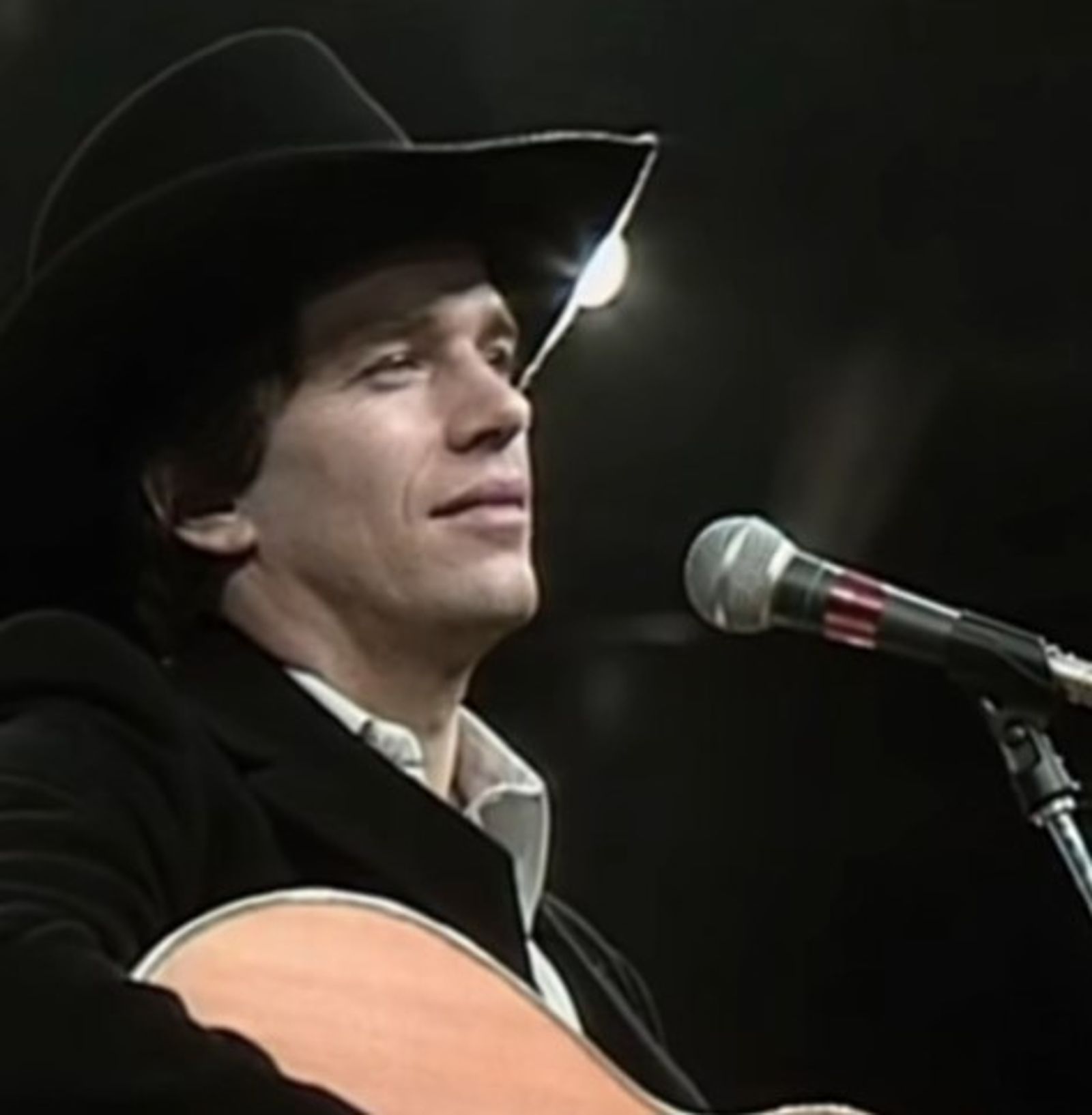
Released in 1967, Neil Diamond’s “Girl, You’ll Be a Woman Soon” became one of his earliest signature songs, capturing the uncertainty of young love with remarkable honesty. Rather than relying on elaborate production or dramatic storytelling, the song focused on the emotional space between adolescence and adulthood. Diamond’s heartfelt vocal performance, paired with gentle instrumentation and a memorable melody, gave the lyrics a quiet sincerity that resonated with listeners experiencing similar transitions. The song climbed into the Top 10 of the Billboard Hot 100, establishing Diamond as one of the era’s most gifted singer-songwriters. Its themes of longing, patience, and the desire to be understood reflected the changing social landscape of the late 1960s, offering a deeply personal perspective during a period of cultural transformation.
Chapter 2: Watch the Video Here →
Pages: 1 2
Jackie DeShannon’s Timeless Classic “What the World Needs Now Is Love” Still Uplifts and Inspires Generations
The mid-1960s marked a period of immense social upheaval, and amidst this turbulent backdrop, a song emerged that would become a beacon of hope.
Jackie DeShannon’s heartfelt rendition of “What the World Needs Now Is Love” captured the mood of an era crying out for compassion and understanding.
Her stirring performance resonated deeply, offering solace during a time when the world seemed overwhelmed by conflict, civil unrest, and profound change across every layer of society.
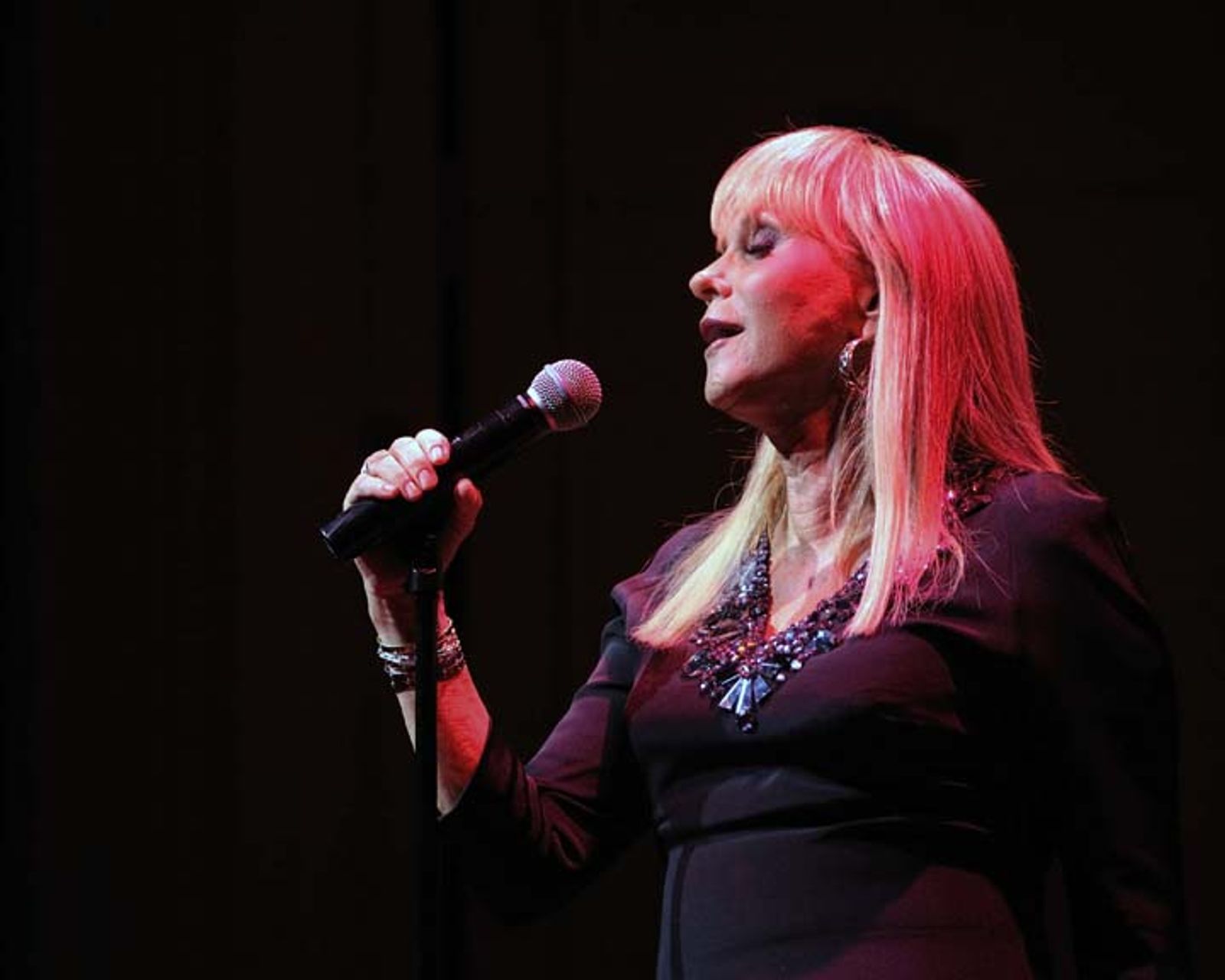
The song’s inception was a labor of love from the legendary team of Burt Bacharach and Hal David.
Writing lyrics that would speak universally proved challenging for David, who sought a simplicity that still carried emotional weight.
After much soul-searching, he penned the unforgettable opening lines: “What the world needs now is love, sweet love.”
These few words distilled an entire generation’s longing for kindness into a message that would echo through decades.
Jackie DeShannon, whose birth name was Sharon Lee Myers, hailed from the small town of Hazel, Kentucky.
Before recording the song, she had already made waves with her versatility, crossing genres from rockabilly to folk.
Her emotive delivery and warm, expressive voice made her the perfect artist to breathe life into the song’s message.
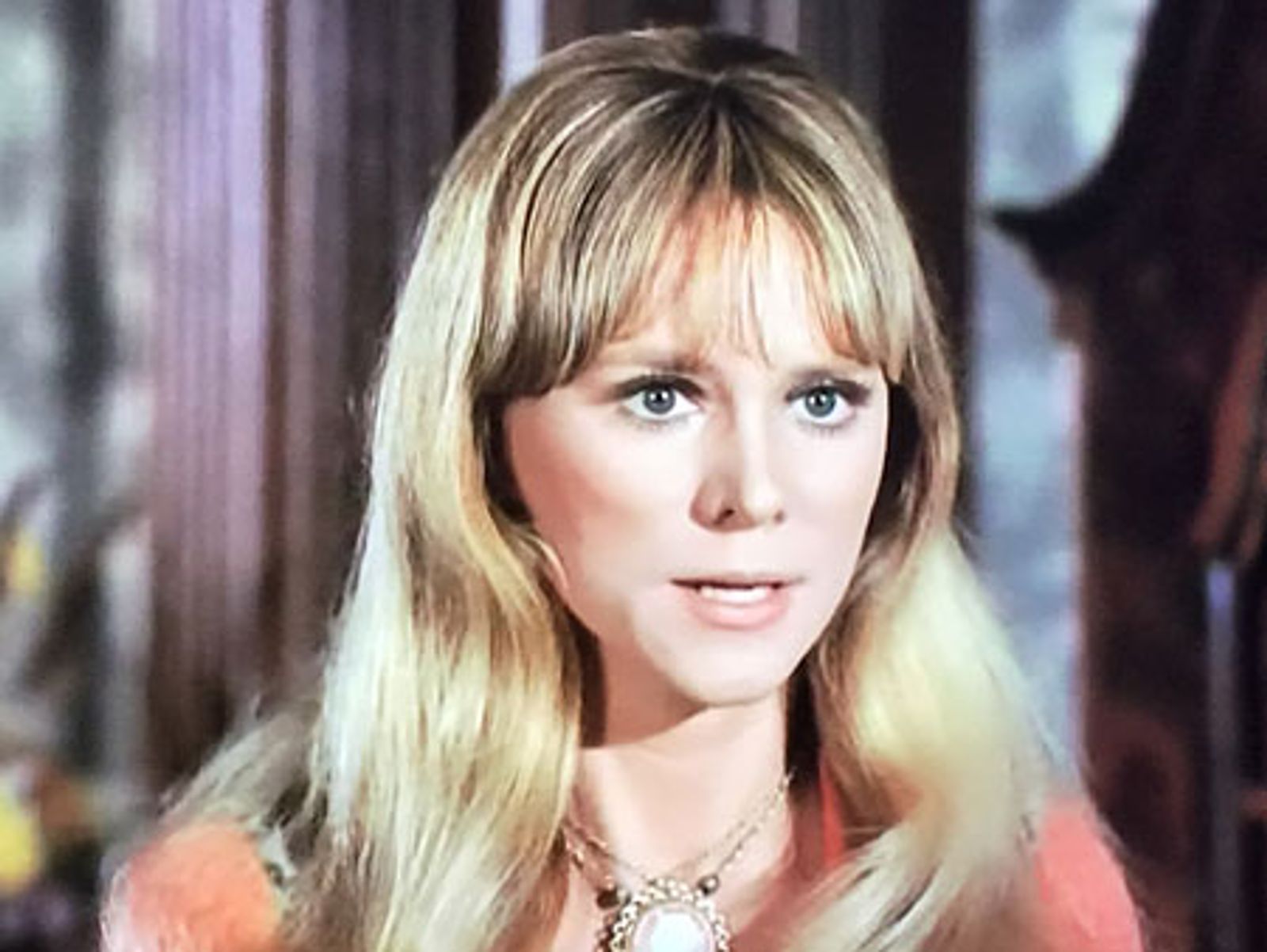
Through DeShannon’s interpretation, the lyrics took on a personal and urgent quality, speaking directly to the listener’s heart.
When it was released in April 1965, “What the World Needs Now Is Love” quickly found its place on the charts, soaring to number seven on the US Billboard Hot 100 and claiming the top spot in Canada.
Its success wasn’t just due to its catchy melody but also its timely relevance.
As the civil rights movement gained momentum and the Vietnam War escalated, DeShannon’s plea for love provided a much-needed emotional balm for a weary public searching for hope.
The song’s impact deepened in the wake of national tragedies.
Following the assassination of Robert F. Kennedy in 1968, radio stations frequently played DeShannon’s version, allowing its hopeful message to permeate a grieving nation.
In those sorrowful moments, her voice served as a reminder of the universal need for empathy and compassion, offering comfort in a time when healing seemed almost impossible.
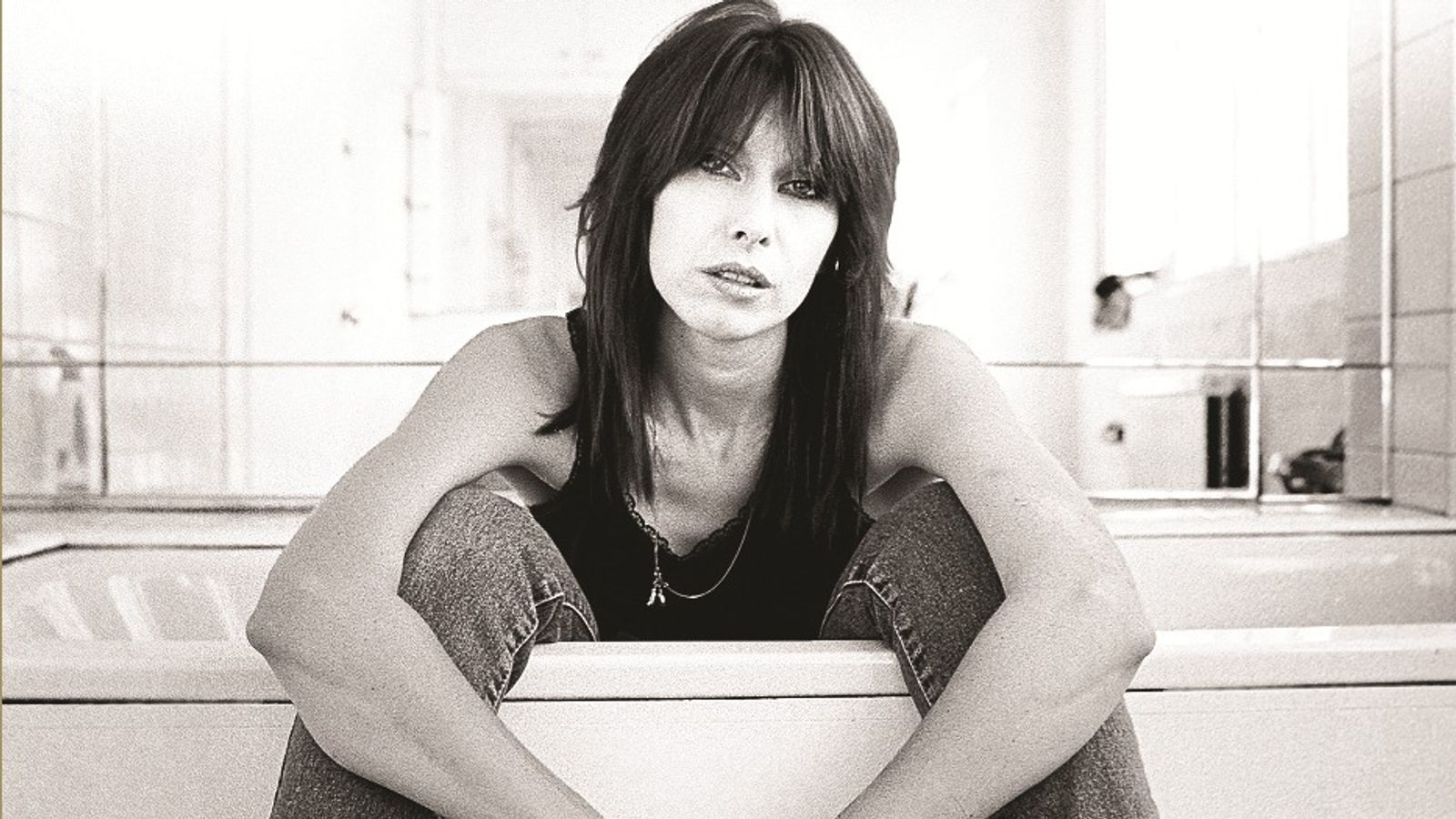
Long before this iconic hit, Jackie DeShannon had already been a force in the music industry.
As one of the early female singer-songwriters to make a mark in rock and roll, she broke barriers in an industry largely dominated by men.
Earlier tracks like “Needles and Pins” and “When You Walk in the Room” showcased her ability to blend lyrical sensitivity with infectious melodies, setting the stage for her lasting influence on future generations of female artists.
In 1969, DeShannon further cemented her reputation with the release of “Put a Little Love in Your Heart,” co-written with her brother Randy Myers and fellow songwriter Jimmy Holiday.
[Video]: The Song That Turned Chrissie Hynde Into a Rock Icon
Released in late 1979, “Brass in Pocket” became the song that launched The Pretenders into international stardom and transformed Chrissie Hynde into one of the coolest frontwomen in rock history.
At a time when punk was evolving into new wave, the song arrived with a sound that felt stylish, sharp, and completely original.

“It didn’t shout for attention. It walked in knowing it already had it.”
Written by Chrissie Hynde and guitarist James Honeyman-Scott, the track blended swagger, vulnerability, and effortless attitude into something instantly unforgettable. The groove felt relaxed, but underneath it was a confidence that made the song impossible to ignore.
Hynde’s vocal delivery became the heart of everything.
She didn’t oversing.
She didn’t force emotion.
Instead, she leaned into the lyrics with cool assurance, delivering lines that sounded conversational and magnetic at the same time.
That understated confidence became one of the defining sounds of the new wave era.