
Celebrities & Music
George Jones was drowning in debt and addiction when a woman from Mansfield, Louisiana, quietly stepped in and rewrote country music history.
Nancy Sepulvado helped pull George Jones out of addiction, debt, and professional collapse, taking control of his finances and touring life to restore his career. Her relentless support turned the once-blacklisted singer into a Country Music Hall of Fame inductee and helped secure the final decades of his life.

When Nancy Sepulvado first met the singer in 1981, he was at the absolute bottom of a highly public downward spiral. The industry was ready to write him off. Despite his chaotic lifestyle, she married him on March 4, 1983, in a quiet ceremony at his sister’s home in Woodville, Texas. She was not marrying a superstar. She was taking on the grueling task of saving a broken man.
Nancy immediately dismantled the chaos surrounding him. She took over his ruined finances, managed his bookings, and fired the drinking buddies who kept him trapped. To ensure he honored his contracts, she rode the tour bus for every single mile. She sat backstage night after night, standing as a physical shield between her husband and his worst habits.
Under her watch, the infamous “No Show Jones” era came to an end. Promoters who had blacklisted him began to trust his name again. Nine years after their wedding, he walked onto the stage to accept his 1992 induction into the Country Music Hall of Fame.
The public celebrated the miraculous return of a legendary voice. The reality was a daily, exhausting sacrifice by a woman who refused to let him fail, and the exact methods she used to navigate those turbulent early tours reveal a much deeper story of survival.
George Jones was drowning in debt and addiction when a woman from Mansfield, Louisiana, quietly stepped in and rewrote country music history. When Nancy Sepulvado first met the singer in 1981, he was at the absolute bottom of a highly public downward spiral. The industry was ready to write him off. Despite his chaotic lifestyle, she married him on March 4, 1983, in a quiet ceremony at his sister’s home in Woodville, Texas. She was not marrying a superstar. She was taking on the grueling task of saving a broken man. Nancy immediately dismantled the chaos surrounding him. She took over his ruined finances, managed his bookings, and fired the drinking buddies who kept him trapped. To ensure he honored his contracts, she rode the tour bus for every single mile. She sat backstage night after night, standing as a physical shield between her husband and his worst habits. Under her watch, the infamous “No Show Jones” era came to an end. Promoters who had blacklisted him began to trust his name again. Nine years after their wedding, he walked onto the stage to accept his 1992 induction into the Country Music Hall of Fame. The public celebrated the miraculous return of a legendary voice. The reality was a daily, exhausting sacrifice by a woman who refused to let him fail, and the exact methods she used to navigate those turbulent early tours reveal a much deeper story of survival.
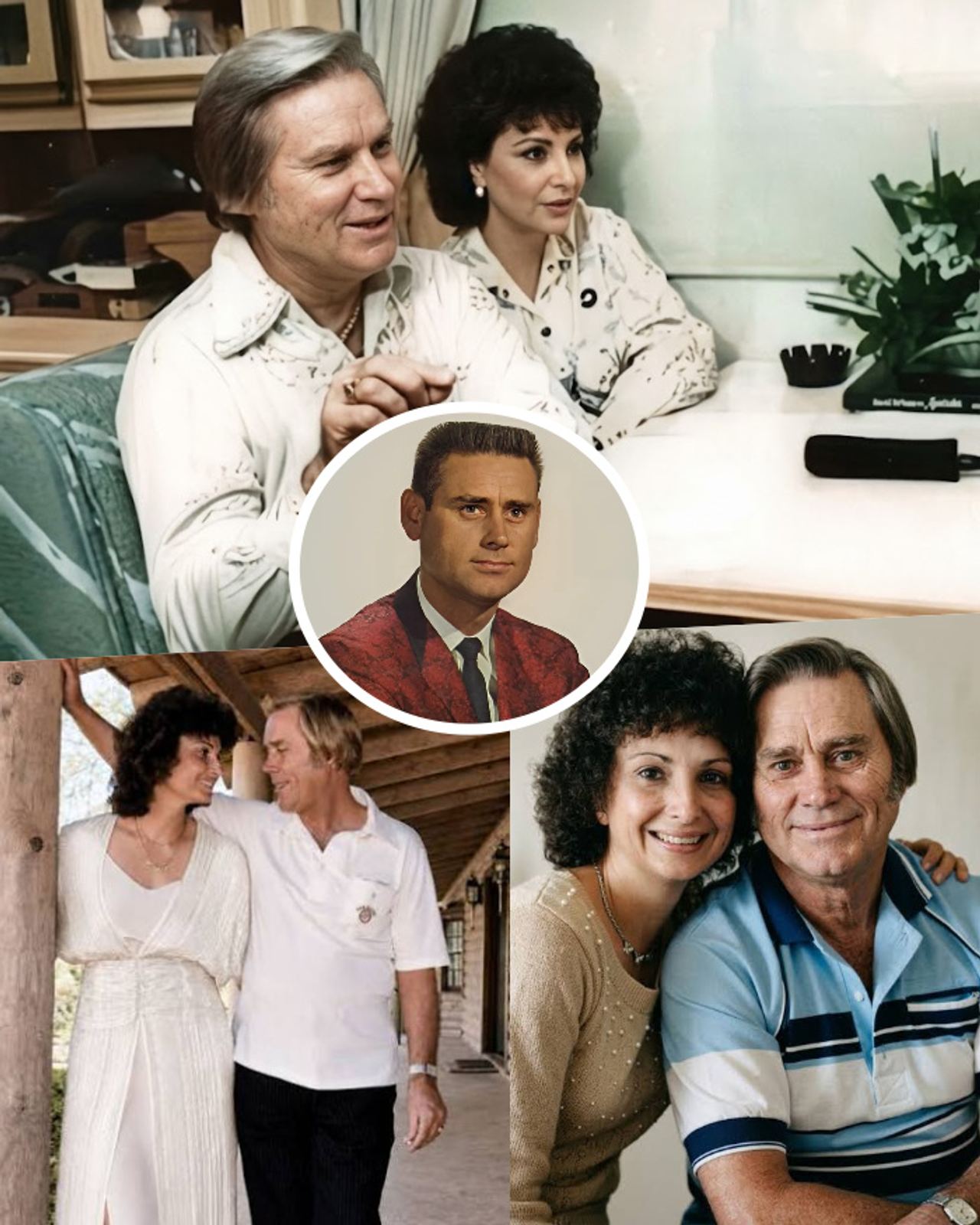
When Nancy Sepulvado first crossed paths with George Jones at a concert in New York in 1980, the country music legend was virtually uninsurable. Decades of severe alcohol and narcotics abuse had battered his health, emptied his bank accounts, and turned his tour schedule into an industry liability. Concert promoters demanded cash deposits upfront, venues canceled dates on rumors alone, and Jones had filed for bankruptcy in 1979 while sleeping in his car between Nashville recording dates.
Nancy was a divorced mother working for the telephone company in Mansfield, Louisiana, far removed from the machinery of the music business. Yet when they married on March 4, 1983, in an intimate ceremony at his sister Helen’s residence in Woodville, Texas, she made a deliberate choice to confront the storm head-on. She did not seek a luxury lifestyle; she assumed full responsibility for an artist who could barely manage his own daily survival.
Her first decisive step was severing his dependence on an entourage of enablers. Nancy took legal charge of his business affairs, dismissed the backstage hangers-on who supplied him with alcohol, and placed Jones on a strict daily allowance to stop the reckless spending.
Rebuilding his shattered professional reputation required even tougher measures on the road. During those turbulent initial years, promoters refused to book Jones unless they received personal guarantees that he would actually appear. To keep him on schedule, Nancy climbed aboard the tour bus herself, logging thousands of interstate miles as both his manager and constant guardian.
She turned the front lounge of that bus into a fortified perimeter. Nancy personally screened every backstage guest, confiscated hidden bottles, and routinely took the wheel or sat beside the driver late into the night to make sure they reached each venue on time. When local organizers grew nervous before showtime, she walked straight into their production offices, collected the appearance guarantees, and physically walked her husband to the stage wings.
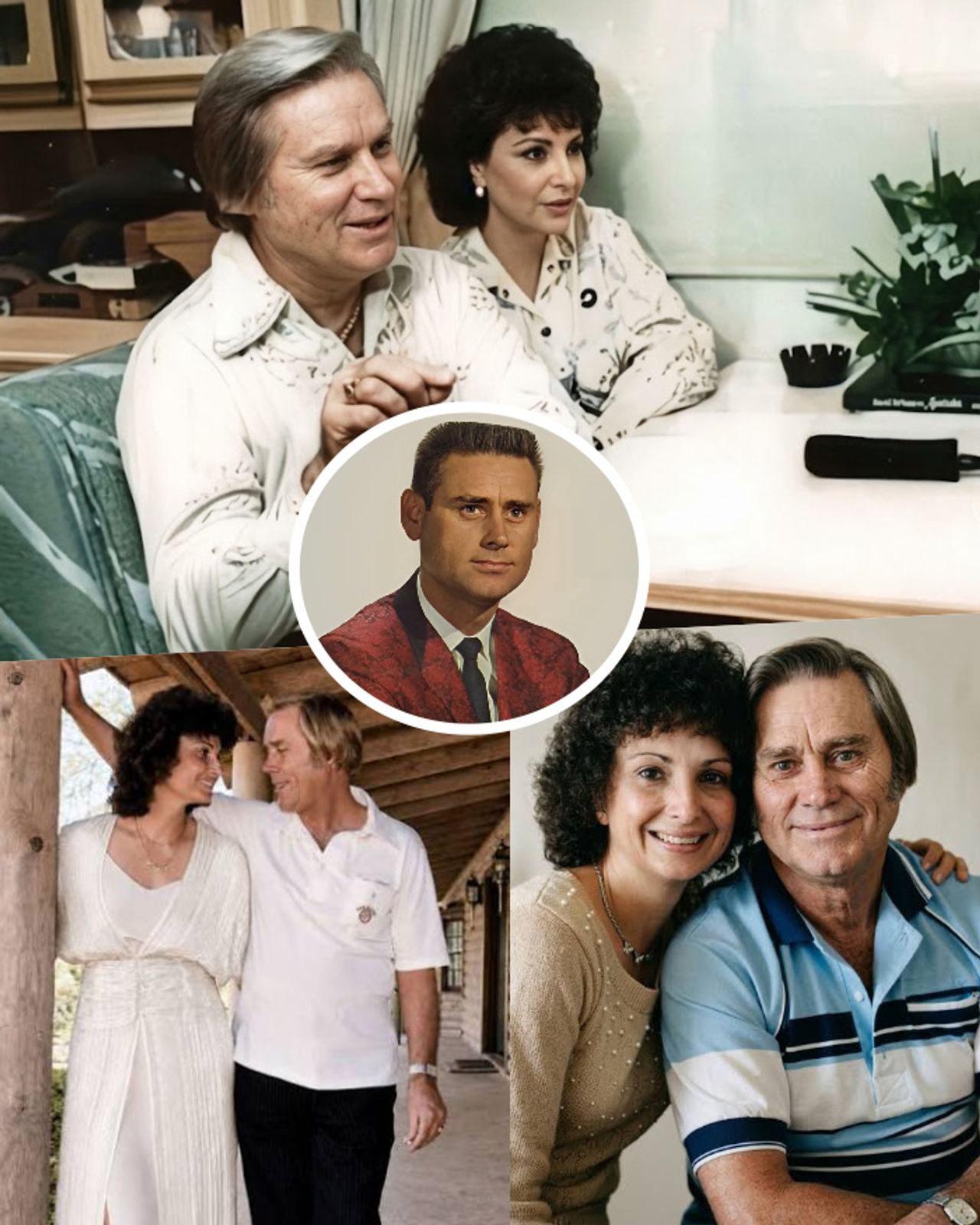
The grueling discipline worked. Jones began making his curtain calls with remarkable consistency, systematically erasing the painful “No Show Jones” reputation that had haunted him for a decade. With Nancy negotiating fair contracts and addressing back taxes with the Internal Revenue Service, his household slowly emerged from financial ruin into genuine security.
The personal stabilization unlocked an extraordinary late-career resurgence. Jones headlined packed arenas, recorded acclaimed collaboration albums, and in 1992 walked up the steps to accept induction into the Country Music Hall of Fame. Throughout the ceremony and the accolades that followed over the next two decades, he credited Nancy directly from the podium, acknowledging that her steady hand had kept him alive long enough to see his own redemption.
When a severe car crash in Franklin, Tennessee, threatened his life in March 1999, Nancy maintained a bedside vigil at Vanderbilt University Medical Center, guiding him through rehabilitation and securing the final, unbroken sobriety of his remaining fourteen years.
George Jones possessed one of the greatest baritone voices ever heard in American music, capable of conveying profound sorrow with a single sustained phrase. Yet that gift only survived because a determined woman chose to ride beside him through the darkest stretches of highway, refusing to let the music go quiet.
Video can’t be loaded because JavaScript is disabled: He Stopped Loving Her Today
Read more stories
- Bobby Darin’s 1959 Pop Triumph “Mack the Knife”
- Paul Anka’s 1957 Teenage Breakthrough “Diana”
- How Don Williams Became an Unlikely National Hero in Zimbabwe
- The nation’s commercial airspace was completely frozen, yet hundreds of thousands of plastic CDs still managed to cross the country in less than a week.

