Celebrities & Music
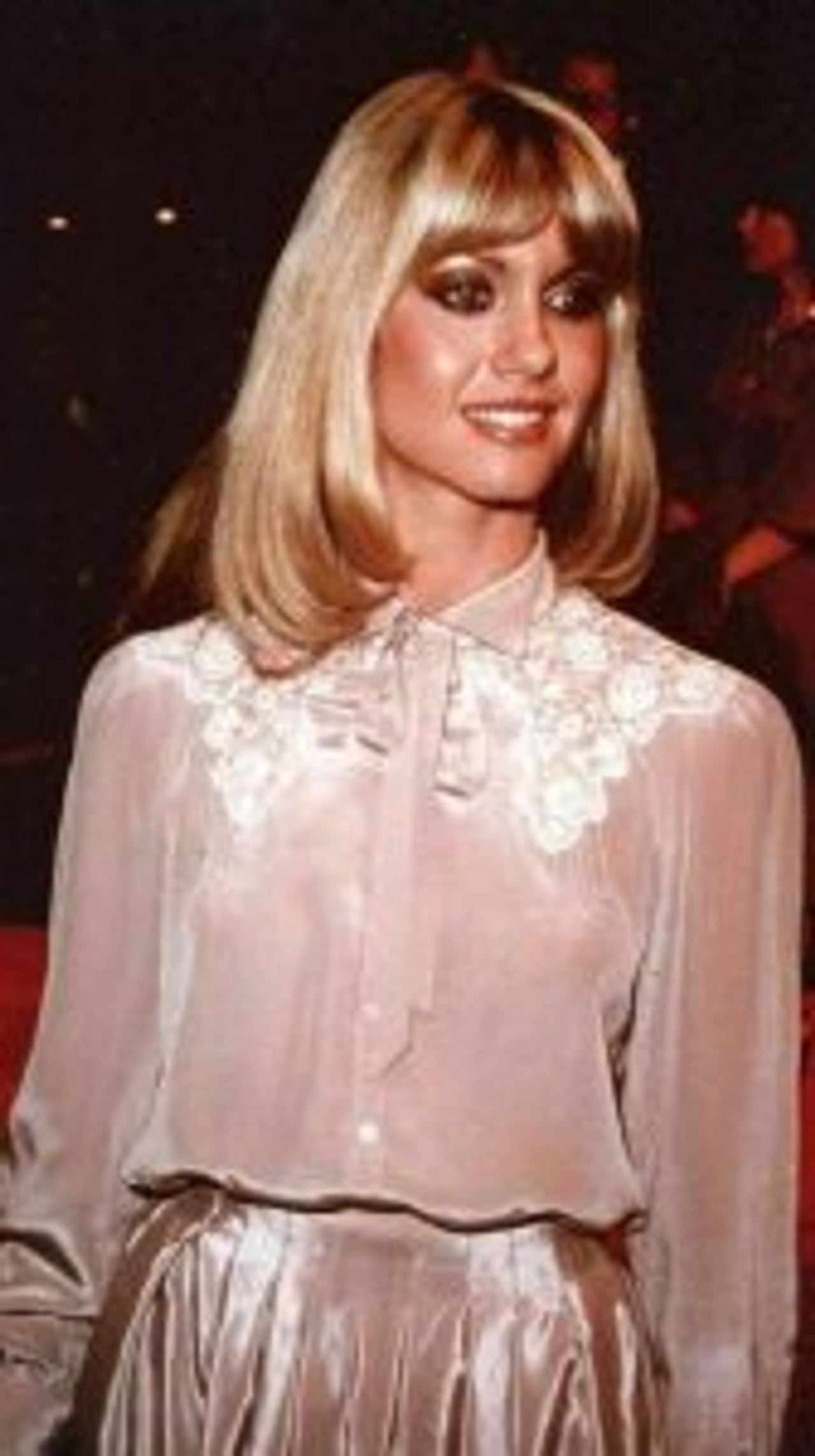
From Sweet to Bold The Moment Olivia Newton-John Shocked the World
The article reflects on Olivia Newton-John’s “Physical” as a daring reinvention that shocked audiences and helped define a more liberated era of pop music. It then transitions into brief features on other classic songs, including “Day Is Done,” “God Only Knows,” and “The Gambler.”
Some songs entertain… others define an entire era. And then there are those rare moments in music when an artist dares to break away from everything the world thinks they are — and in doing so, creates something unforgettable.
In the early 1980s, pop culture was evolving at a rapid pace. The polished softness of the previous decade was giving way to a more confident, expressive, and visually driven sound. Music was no longer just about what you heard — it was about what you saw, what you felt, and how boldly an artist could present themselves to the world.
At the center of this shift stood Olivia Newton-John — a name already loved across the globe. Known for her warm voice, romantic ballads, and her iconic role as Sandy in Grease, she had built an image that felt safe, elegant, and familiar. Audiences adored her for it.
But artists, at their core, are not meant to stand still.
Behind the scenes, a transformation was quietly taking shape. There was a desire to evolve, to step into something more daring, more modern, and more aligned with the changing pulse of the time. It wasn’t just about releasing a new song — it was about redefining identity.
Then came “Physical.”
From the very first beat, it was clear that this wasn’t the Olivia people thought they knew. The rhythm was infectious, energetic, impossible to ignore. The lyrics, playful yet suggestive, carried a boldness that pushed beyond what mainstream pop had comfortably embraced before. And paired with a music video that leaned into visual storytelling and physical expression, the song didn’t just arrive — it made an entrance.
The reaction was immediate.
“Physical” exploded across radio stations, climbed charts at a relentless pace, and captured the attention of millions. It didn’t just reach the top — it stayed there. Week after week, it dominated, becoming one of the longest-running No. 1 hits of its time and solidifying its place as one of the defining songs of the decade.
But success alone doesn’t explain its legacy.
What truly made “Physical” unforgettable was the statement behind it.
In choosing to release this song, Olivia Newton-John embraced risk in a way that reshaped her career. She stepped away from the expectations placed upon her and leaned into something more confident, more expressive, and unapologetically bold. It was a reminder that reinvention is not only possible — it’s powerful.
The cultural impact was undeniable. “Physical” helped open the door for a more liberated and visually driven era of pop music. It reflected a world that was becoming more comfortable with self-expression, more open to breaking norms, and more eager to celebrate individuality. In many ways, it captured the spirit of a generation that was learning to move — not just physically, but emotionally and creatively — without hesitation.
And yet, beneath all its energy and confidence, there was something deeper. A sense of freedom. A quiet message that sometimes, the most important transformations are the ones we choose for ourselves, even when they surprise everyone else.
Decades have passed, trends have come and gone, but “Physical” remains.
It still plays, still moves people, still carries that unmistakable spark of a moment when everything shifted. Not just for an artist, but for an entire era of music.
Because in the end, “Physical” was never just a hit song.
It was a turning point.
A reinvention.
A bold step into a future that was waiting to be claimed.
Related Topics:
Click to comment
Cancel reply
Continue reading
A Quiet Reflection on a Changing World: The Story Behind “Day Is Done” (1969)
When Peter, Paul and Mary released “Day Is Done” in 1969, they didn’t try to compete with the chaos of the era. Instead, they stepped away from it, creating a song that felt intimate, thoughtful, and quietly emotional.
At first, the melody seems comforting in its simplicity. Acoustic guitar drifts gently beneath soft harmonies, while the arrangement moves with almost meditative calm. But beneath that warmth is something heavier—a quiet recognition of uncertainty, exhaustion, and emotional weight.
“It doesn’t ask for answers. It simply asks you to stop and listen.”
Mary Travers’ voice becomes the emotional center of the song. Calm yet deeply expressive, she delivers each line with a sincerity that feels untouched by performance. Peter Yarrow and Paul Stookey surround her with harmonies that feel less like accompaniment and more like reassurance.
Rather than offering dramatic statements or protest-driven urgency, “Day Is Done” takes another path entirely. It acknowledges confusion without trying to solve it. That restraint is exactly what gives the song its lasting power.
Related Topics:
Click to comment
The Song Many Musicians Call The Greatest Love Song Ever Written!

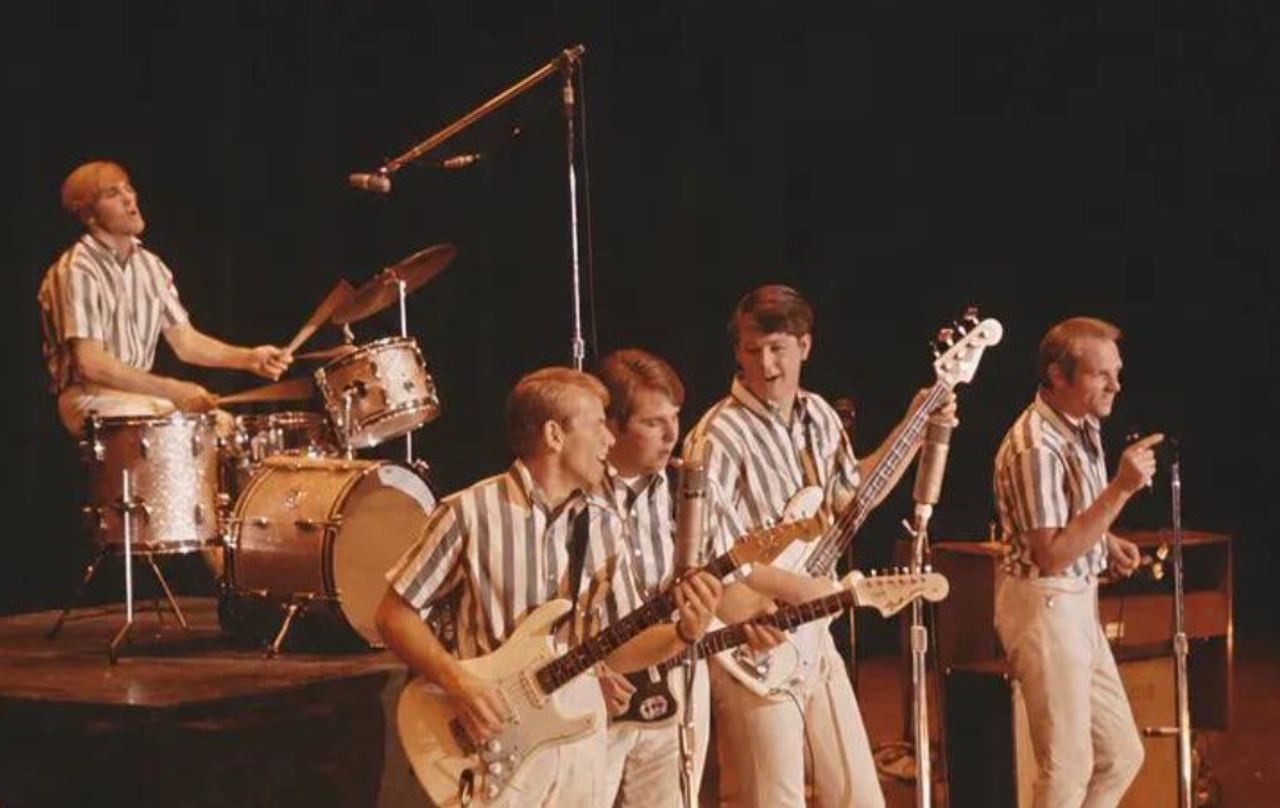
When The Beach Boys released “God Only Knows” in 1966, popular music was entering one of its most creative periods. Yet even among the incredible songs being released during that era, this recording stood apart.
Written primarily by Brian Wilson and Tony Asher, the song approached love with remarkable vulnerability. Rather than making grand promises, it expressed gratitude, devotion, and emotional dependence in a way listeners had rarely heard before.
The recording itself was groundbreaking. Wilson employed sophisticated arrangements, layered harmonies, and innovative production techniques that pushed the boundaries of what pop music could accomplish.
Although it wasn’t initially the band’s biggest commercial hit, its reputation grew steadily over time. Musicians, critics, and historians increasingly recognized it as one of the greatest achievements in modern songwriting.
Today, “God Only Know” is frequently ranked among the greatest songs ever recorded. Its emotional sincerity, beautiful melody, and timeless message continue touching listeners across generations. For many people, it isn’t simply a song—it’s a reminder of how powerful music can be when it comes from the heart.
Related Topics:
Click to comment
This Song Taught Life Lessons Millions of Americans Never Forgot
Some songs entertain us for a few minutes.
Others stay with us for a lifetime.
This is one of those songs.
For decades, listeners have returned to it again and again—not just because of its melody, but because of the wisdom hidden within its story.
The song didn’t rely on flashy effects or complicated lyrics.
Instead, it told a simple story.
A story about life.
A story about choices.
A story about knowing when to hold on and when to let go.

When the song was released in the late 1970s, few could have predicted the impact it would have on American culture.
Listeners immediately connected with its message.
The song felt authentic.
It felt real.
And perhaps most importantly, it felt relatable.
Whether people were facing challenges in their careers, relationships, or personal lives, many found meaning in its words.
As the years passed, the song became more than just a hit.
It became part of everyday conversation.
Its famous advice was quoted by parents, friends, coaches, and coworkers.
People repeated its lessons because they seemed to apply to so many situations in life.
That’s a rare achievement for any song.
The song was “The Gambler.”
Performed by Kenny Rogers, it would become one of the most iconic country songs ever recorded.
Kenny Rogers possessed a unique ability to tell stories through music.
His warm voice and storytelling style made listeners feel as though they were sitting across from an old friend sharing life lessons.
“The Gambler” became his signature song and helped cement his place in music history.
Even people who weren’t country music fans often knew every word.
That’s how powerful the song became.
Today, decades after its release, “The Gambler” remains one of the most beloved songs ever recorded.
Its message continues to resonate with new generations.
And its lessons remain as relevant today as they were when the song first reached listeners.
Very few songs can claim that kind of legacy.
Do you remember the first time you heard “The Gambler”?
And what’s the most important life lesson you’ve learned along the way?
Related Topics:
Click to comment
Cancel reply
Share
X
Telegram

Other posts
May 03, 2026
The Box Tops’ “The Letter” Captures Lightning in a Bottle and Redefines Blue-Eyed Soul in…
Jul 14, 2026
The Enduring Meaning Behind Marvin Gaye’s Signature Hit “What’s Going On?”
Jul 23, 2026
The Dark Truth Behind Marvin Gaye’s Brutal Here, My Dear Divorce Album
Jul 12, 2026
Barbara Mandrell’s ‘Sleeping Single in a Double Bed’ Redefines Country Pop and Champions F…
May 09, 2026
Summertime – The Popular Jazz Standard as Performed by Ella Fitzgerald and Louis Armstrong
Jun 11, 2026
The Seekers’ “Georgy Girl” Bridges Folk and Pop Worlds to Achieve Global Acclaim in 1966
Jul 23, 2026
1955 Song Classic and Its Enduring Legacy
Jun 19, 2026
Released in 1970, This Beautiful Love Song Became More Than Music—For Millions, It Became…
Read more stories
- A Wife Begged Not To Return Home. The Hospital Exposed The Truth
- HE COULD HAVE STAYED IN THE SECURE ZONES, BUT HE DEMANDED HELICOPTER FLIGHTS TO THE MOST DANGEROUS OUTPOSTS—AND STEPPED ONTO A STAGE MADE OF AMMUNITION BOXES.
- She Locked My Sick Son In A Basement, Then Dad Saw The Frosting
- part 2 After the divorce, Julianne left with her children, leaving behind a secret that shattered the Henderson family.