
News
From a Dairy Farm Before Dawn to the Louisiana Hayride: How Faron Young Found His Voice
Raised under hard labor and harder silence on a Shreveport dairy farm, Faron Young carried the songs his mother loved from the cow barn to the Louisiana Hayride, where applause opened the road to Nashville.

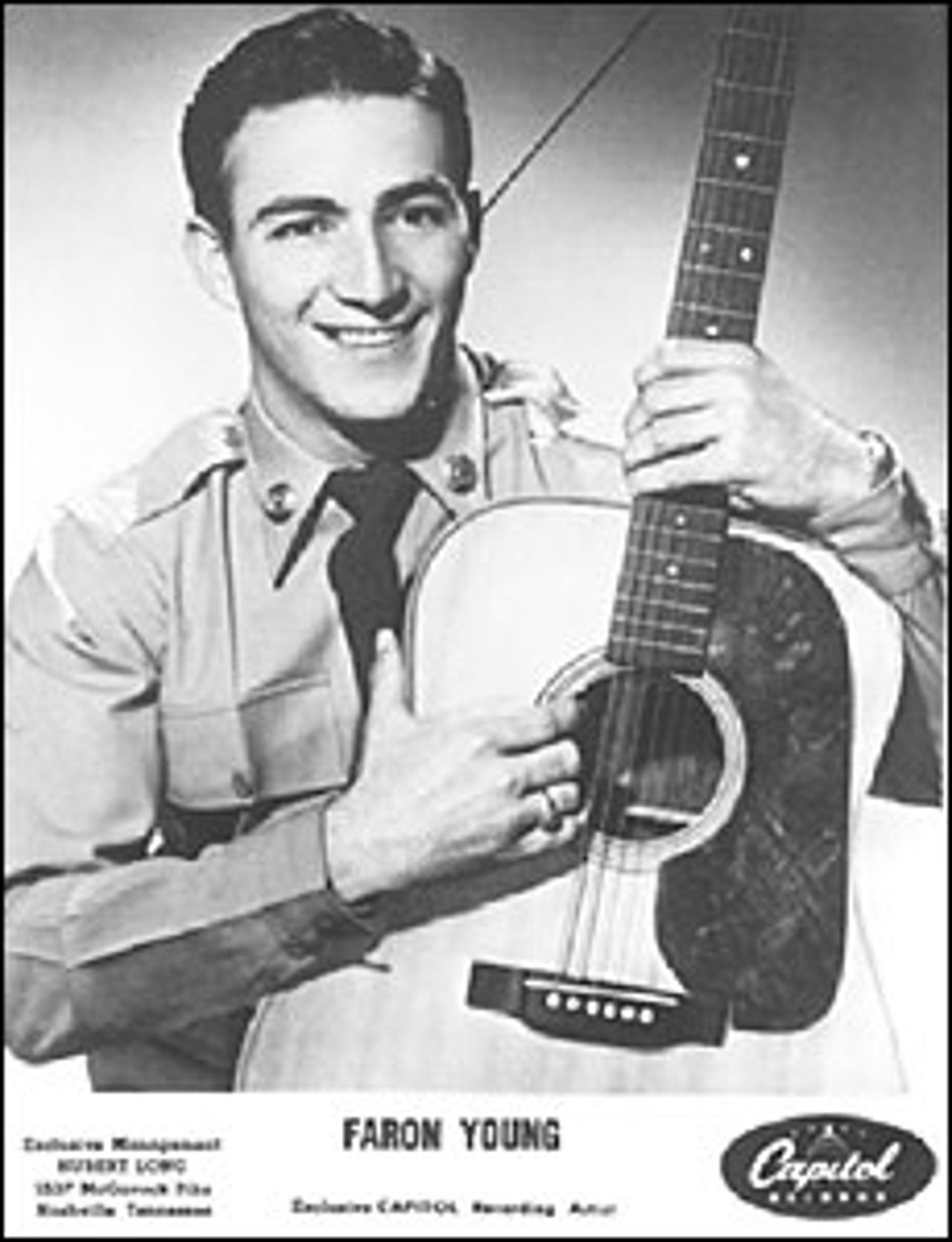
A childhood shaped by work before sunrise
Long before Faron Young became a country star, his days began in the dark. Born on February 25, 1932, in Shreveport, Louisiana, he grew up as the youngest of six children on the dairy farm run by his parents, Harlan and Doris Young, during the Great Depression. The rhythm of that life was set not by school bells or radio shows, but by livestock, weather, and milk routes.
Each morning at four o’clock, the boy was up to shovel stalls, milk cows, and wrestle heavy metal milk cans before walking to Fair Park High School. It was grueling work for a teenager, the kind that toughened the hands and taught endurance early. On that farm, responsibility came before youth, and duty arrived before daylight.
A father’s grief, and a house gone cold
The emotional climate inside the Young household was even harsher than the pre-dawn chill of the barn. After the sudden death of Faron’s older brother, a son Harlan had deeply loved and taken pride in, grief seems to have settled over the family like a permanent frost. For the father, loss turned into bitterness and withdrawal.
In that atmosphere, Faron did not experience tenderness from the man whose approval might have mattered most. He was treated less like a cherished youngest child than like a hired hand expected to obey, endure, and keep moving. Orders were barked, discipline was rigid, and praise never came. The absence was as defining as any blow: no hand on the shoulder, no word to say he had done well, no sign that music—or the boy himself—was enough.
He learned early that some children grow up not chasing applause, but trying to fill a silence at home that never breaks.
The refuge of his mother’s music
If the farm gave Faron discipline, his mother gave him something softer and more lasting: permission to imagine another life. Doris Young, described as petite and warm, brought music into the house in the form of gospel hymns and Southern folk tunes hummed while she worked in the kitchen. In a home where affection was scarce, those melodies offered comfort and continuity.
She did more than sing. Quietly, she saved spare change from milk sales so her son could learn guitar. That small, practical act of faith mattered. It meant lessons, practice, and an instrument in the hands of a boy who had something to say before he had any stage on which to say it. In the cow barn, amid the smell of hay and livestock, he began shaping the voice that would eventually carry far beyond Caddo Parish.
From barn practice to local stages
By the late 1940s, Young was no longer keeping his songs to himself. The guitar that had once been a private outlet on the farm started taking him into public view on local stages around Shreveport. The journey from barn to audience was not only musical; it was personal. Every appearance represented a step away from the narrow role laid out for him at home.
He was still a teenager, but the essentials of his appeal were already visible: a strong country voice, emotional directness, and the kind of presence that can make a room lean forward. The move from chores and school to clubs and community performances was the first real proof that the world might value what his father dismissed.
The Louisiana Hayride changes everything
For a young country singer in northwest Louisiana, the Louisiana Hayride was no ordinary stop. Broadcast from Shreveport, the influential radio show was a launching pad, a place where regional talent could suddenly be heard by a much wider audience. When Faron Young stepped into that orbit, he entered one of the most important proving grounds in country music.
The contrast with life at home could not have been sharper. Harlan Young reportedly regarded his son’s music as a waste of time and stayed away from the auditorium. Yet in Shreveport, strangers responded with the enthusiasm missing under his own roof. Hundreds rose and cheered. That moment mattered not simply because it signaled success, but because it confirmed something fundamental: the boy who had been treated as an afterthought could command a room with his voice alone.
The road from Shreveport to Nashville
Applause does not erase hardship, but it can redirect a life. The response Young received in Shreveport helped propel him toward Nashville, the city that represented possibility for countless aspiring country artists of his era. What had begun as songs learned in the orbit of his mother’s humming, and practiced between dairy chores, had become the foundation of a career.
His early story carries the drama of classic country itself: labor, loss, loneliness, resilience, and the saving power of music. Before there was fame, there was a farm. Before there was recognition, there was rejection. And before Nashville, there was a young man in Shreveport discovering that an audience could offer the affirmation his father never did.
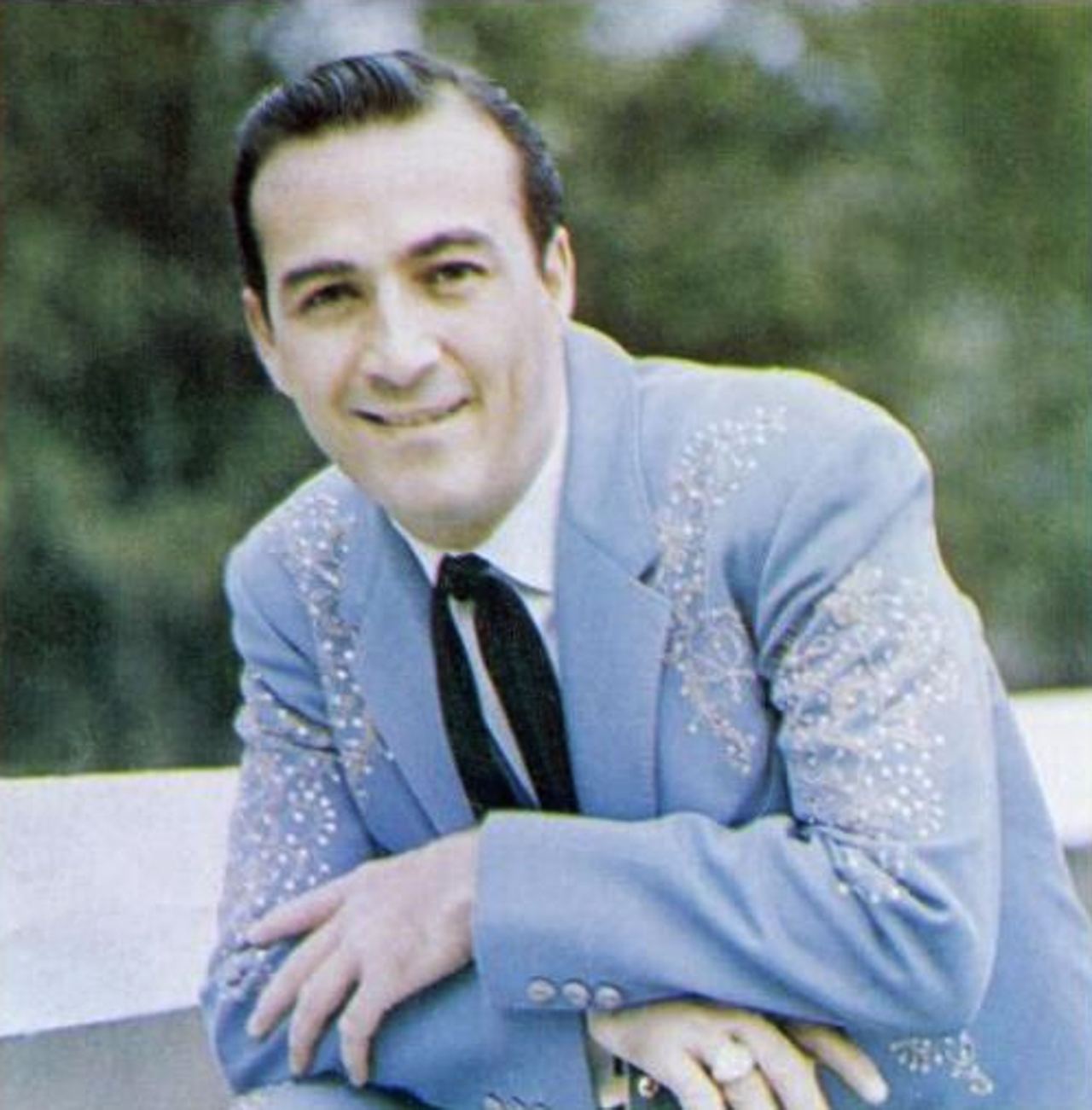
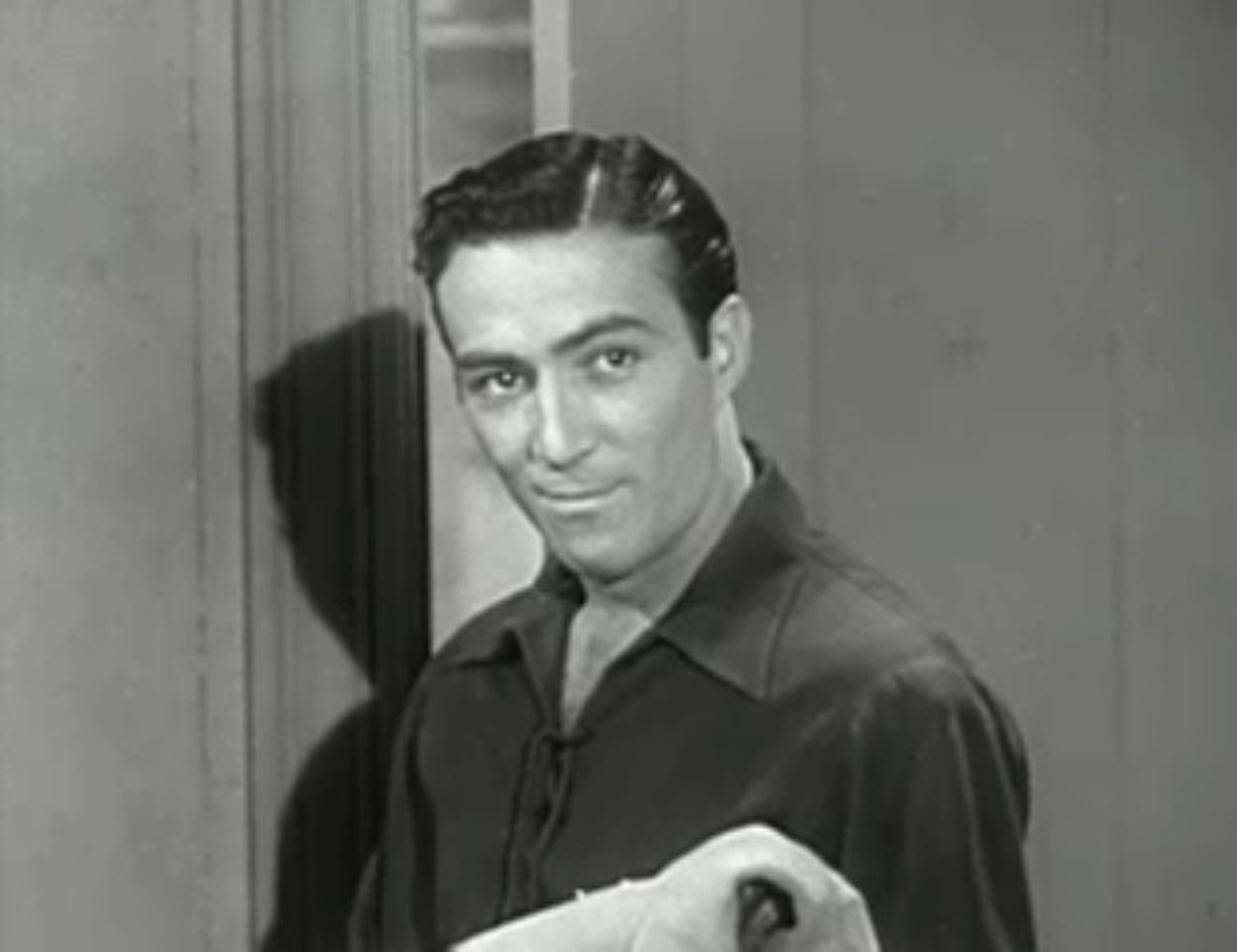
Quick Facts
- Born: February 25, 1932
- Birthplace: Shreveport, Louisiana
- Parents: Harlan and Doris Young
- Family position: Youngest of six children
- Early work: Milked cows and did dairy chores before school
- Early breakthrough: Performed on the Louisiana Hayride in Shreveport
Image credits: Capitol Records / Wikimedia Commons / Public domain; Mercury Records / Wikimedia Commons / Public domain; Albert C. Gannaway / Wikimedia Commons / Public domain.