Celebrities & Music
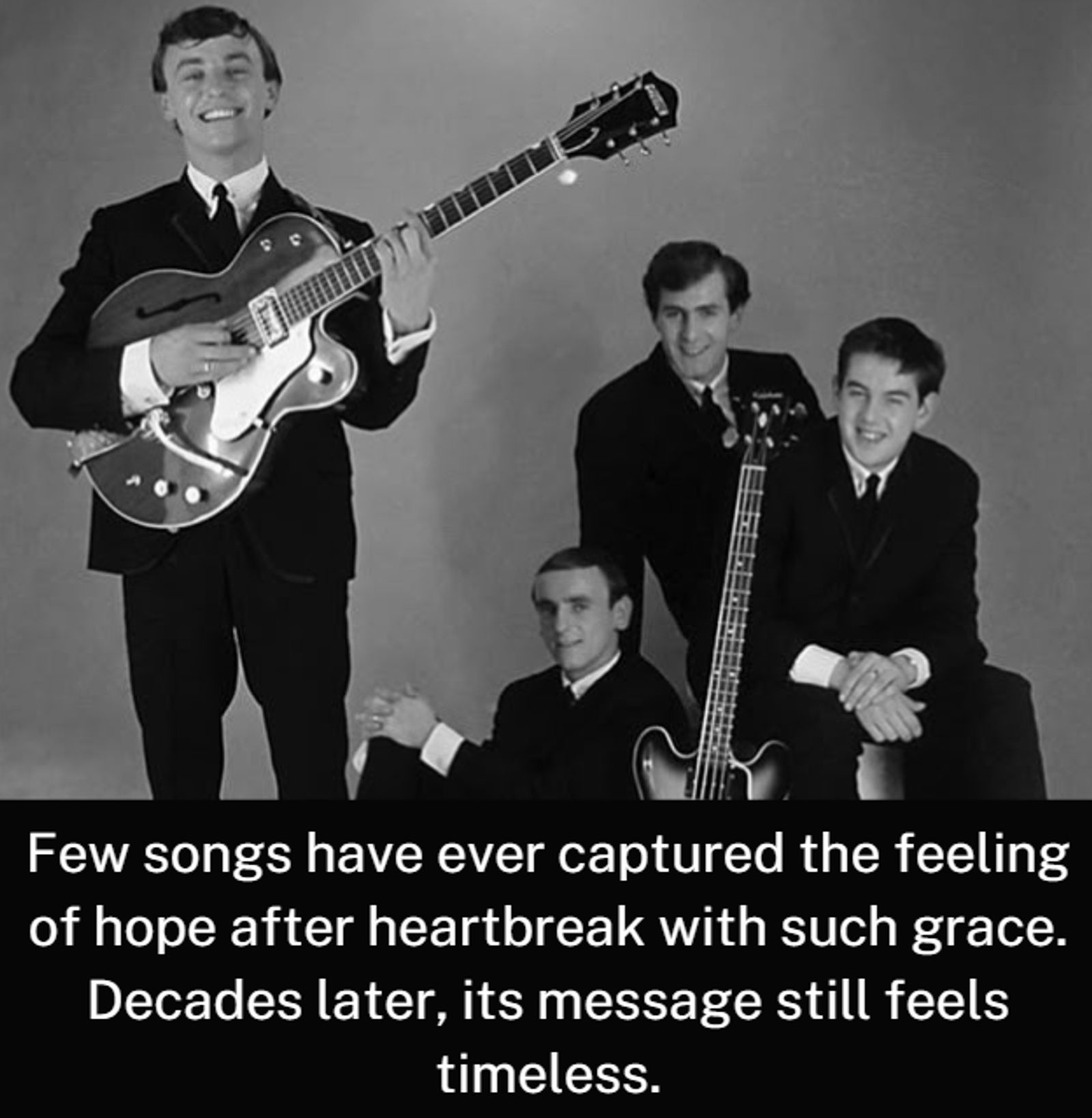
Few songs have ever captured the feeling of hope after heartbreak with such grace. Decades later, its message still feels timeless.
This article reflects on the timeless message of hope found in Gerry & The Pacemakers’ song “Don’t Let the Sun Catch You Crying,” emphasizing its comforting presence in the face of heartbreak.
Some songs don’t simply play through the speakers—they quietly sit beside you, offering comfort when words alone are no longer enough.
When “Don’t Let the Sun Catch You Crying” was released by Gerry & The Pacemakers in 1964, it carried exactly that rare kind of quiet compassion.
Unlike many love songs that promise impossible endings, this gentle ballad understands that heartbreak is part of every life.
Yet instead of dwelling in sadness, it softly reminds us that tomorrow always carries the possibility of healing.
From its delicate opening, the melody creates an atmosphere that feels almost like dawn breaking after a long and difficult night.
There is no rush, no unnecessary drama, only a calm voice reassuring someone who has forgotten that brighter days still exist.
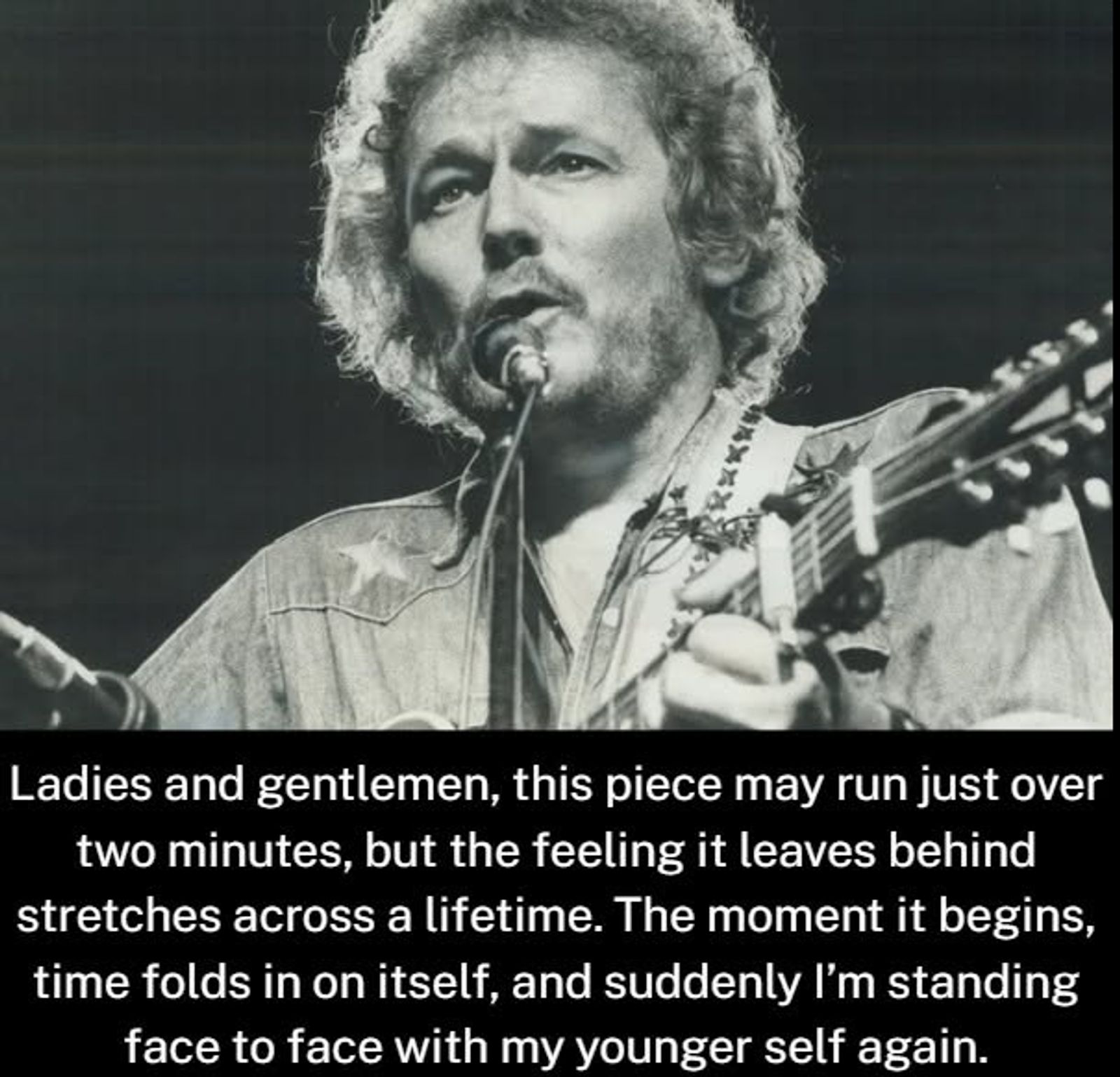
Gerry Marsden sings with remarkable tenderness, never sounding theatrical or overly emotional.
His sincerity allows every lyric to feel like genuine advice from a trusted friend rather than a polished studio performance.
That authenticity has become one of the song’s greatest strengths across generations.
Listeners don’t simply hear beautiful music.
They hear kindness wrapped inside a melody that refuses to grow old.
The lyrics acknowledge heartbreak without allowing it to define the future.
They recognize that tears are natural, but they gently encourage us not to remain trapped within them forever.
That emotional balance gives the recording an enduring warmth that still resonates today.
Few songs manage to comfort without sounding sentimental.
This one accomplishes it with remarkable grace.

The orchestral arrangement plays an equally important role in creating its unforgettable atmosphere.
Soft strings drift quietly beneath the melody while subtle percussion keeps everything moving with quiet confidence.
Nothing competes for attention.
Every musical choice exists only to support the emotion carried by the vocal.
The result feels timeless rather than tied to any particular musical trend.
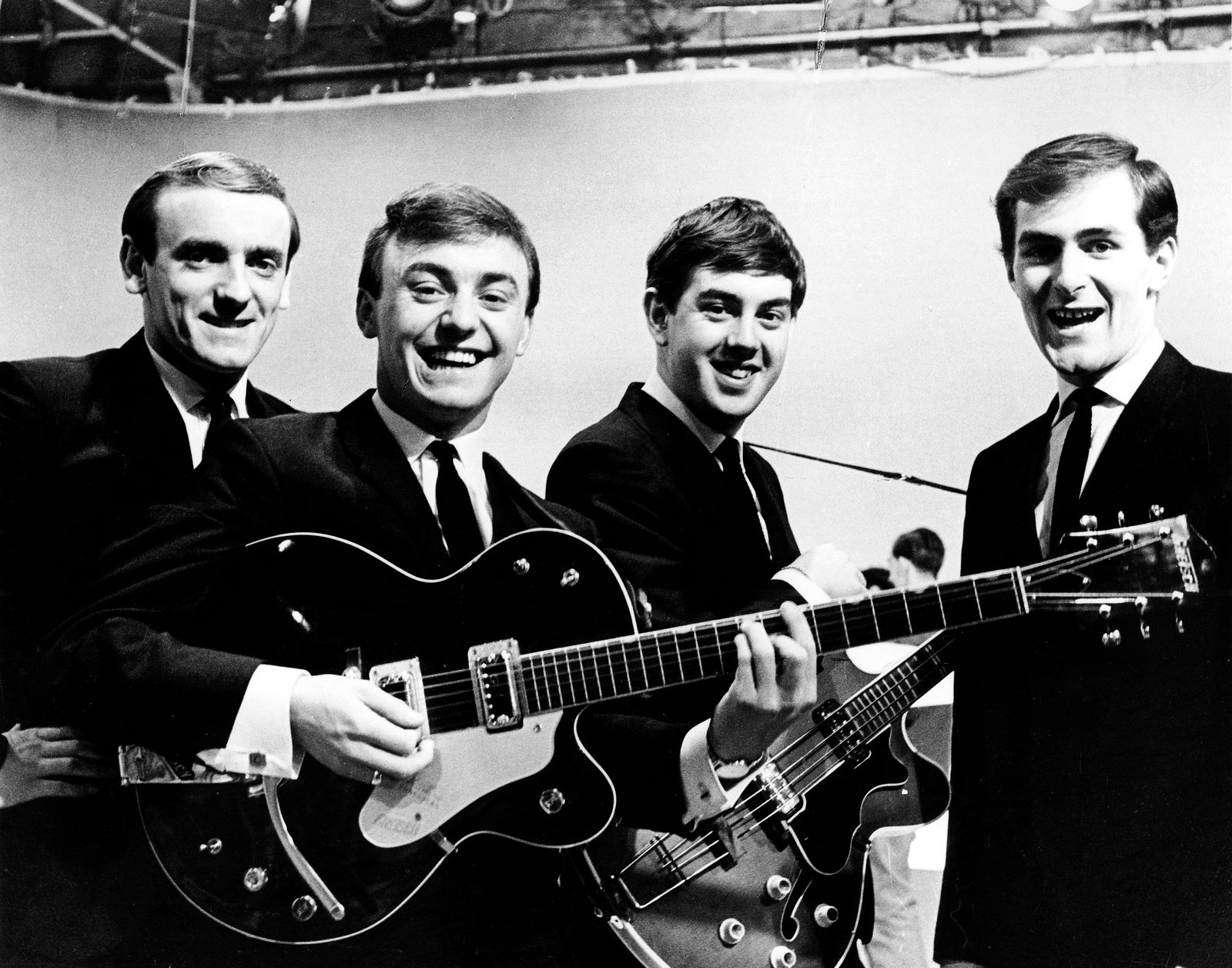
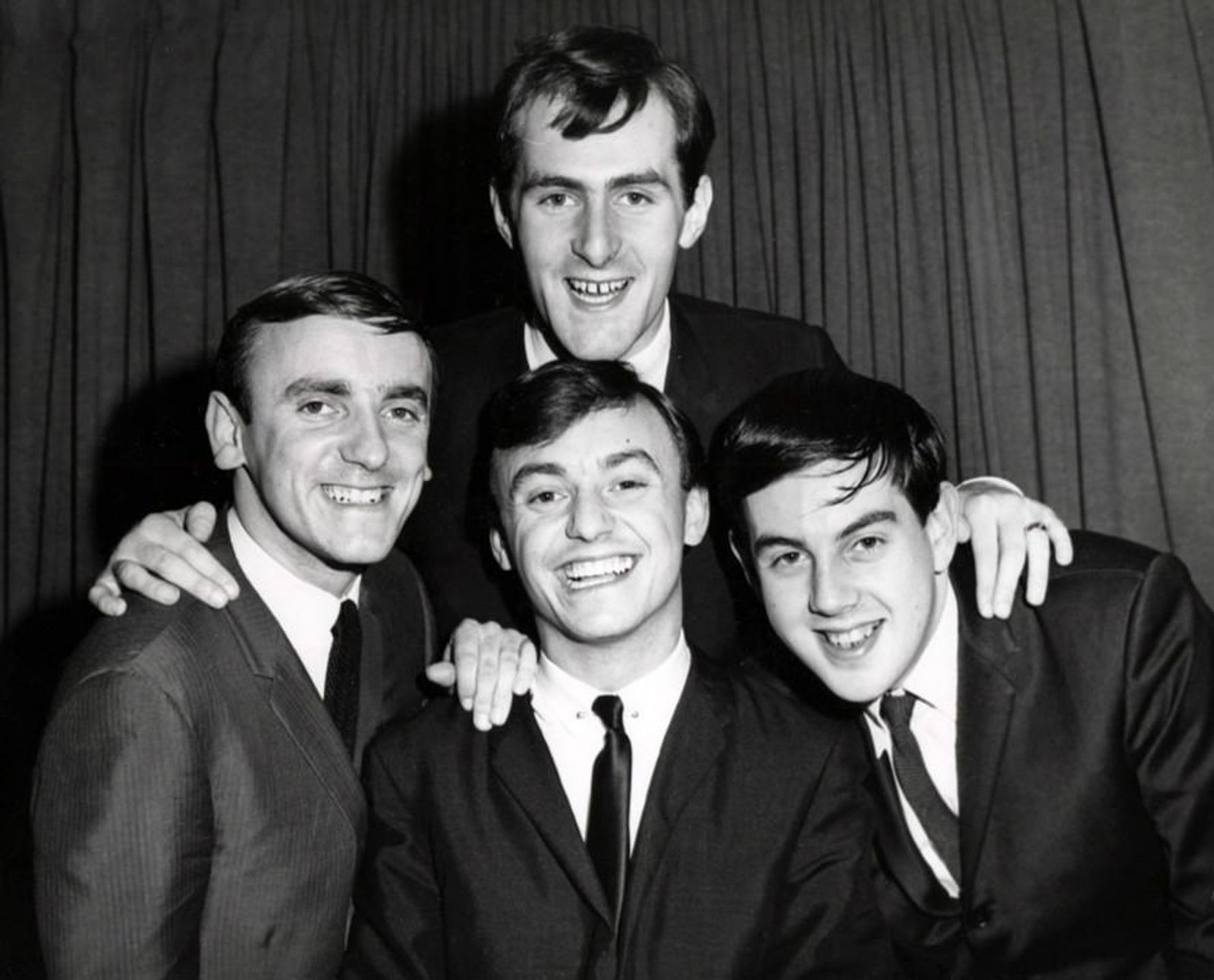
Released during the height of the British Invasion, Gerry & The Pacemakers often found themselves standing alongside legendary names that transformed popular music forever.
While louder and more energetic records captured headlines, this beautiful ballad quietly earned its own lasting place in listeners’ hearts.
Its success proved that gentle songs could leave impressions just as deep as the biggest rock anthems.
Sometimes whispering reaches farther than shouting ever could.
That truth becomes more obvious every time this recording begins to play.
Its message remains universal because everyone eventually experiences disappointment.
Every person knows what it feels like to lose someone, miss an opportunity, or wonder whether happiness will ever return.
This song never pretends those feelings don’t exist.
Instead, it offers hope without denying reality.
Perhaps that is why it continues comforting listeners more than sixty years after its release.
Its optimism feels earned rather than forced.
Many classic love songs celebrate finding romance.
This one quietly celebrates surviving heartbreak.
That subtle difference gives it remarkable emotional depth.
Rather than focusing on endings, it gently points toward new beginnings waiting just beyond the horizon.
Each verse reminds us that sadness is temporary even when it feels endless.
The title itself has become unforgettable because it captures an entire philosophy within a single sentence.
Don’t let the sun catch you crying.
Those simple words encourage resilience without demanding perfection.
They acknowledge that tears belong to the night but hope belongs to the morning.
It is advice that remains just as meaningful today as it was in 1964.
Modern life often moves too quickly for quiet reflection.
We search for instant solutions to emotions that sometimes simply need time.
This song understands patience.
It never rushes healing.
Instead, it gently walks beside the listener until hope begins returning naturally.
That quiet companionship explains why so many people revisit the recording during difficult moments.

It doesn’t promise miracles.
It simply reminds us that pain eventually softens.
Gerry Marsden’s warm vocal performance remains one of the finest examples of emotional restraint in popular music.
He never oversings a single line.
His calm delivery allows the lyrics themselves to carry the emotional weight.
That understated approach gives the performance extraordinary credibility.
Listeners believe every word because nothing feels exaggerated.
Over the decades, countless artists have recorded songs about broken hearts.

Very few have matched the comforting honesty found here.
The melody lingers long after the final note fades into silence.
Not because it demands attention.
But because it quietly settles into memory like an old conversation you never wanted to end.
Perhaps that is the true definition of a timeless classic.
It becomes part of people’s lives without them even realizing when it happened.
Parents introduced it to their children.
Grandparents played it on old record players.
New generations continue discovering it through streaming playlists, classic radio stations, and family music collections.
Every generation hears something slightly different.
Long after recording techniques, musical trends, and popular fashions have changed beyond recognition, “Don’t Let the Sun Catch You Crying” continues reminding us that even life’s darkest nights eventually surrender to morning, and sometimes the greatest gift a song can offer is simply the quiet reassurance that tomorrow will feel a little lighter than today.