Celebrities & Music
Everyone thought this was just a cheerful folk tune until they realized the heartbreaking life lesson hidden inside its unforgettable lyrics.
The article explores the deeper meaning behind the folk song “Lemon Tree” by Peter, Paul & Mary, highlighting its themes of beauty, disappointment, and the life lessons that accompany love.
Some folk songs seem almost too simple at first, yet the longer you listen, the more they reveal about life, love, and the quiet lessons hidden inside ordinary moments.
“Lemon Tree,” made famous by Peter, Paul & Mary in the early 1960s, is one of those timeless songs whose gentle melody conceals a surprisingly thoughtful message.
At first hearing, it sounds like a pleasant tune built around a simple image of a tree growing in the sunshine.
But beneath that peaceful surface lies a reflection on how beauty and disappointment often grow from the very same place.
The song reminds us that not everything that appears sweet will remain that way forever.

Sometimes life’s greatest lessons arrive not through dramatic events but through quiet realizations we never expected.
Peter, Paul & Mary became celebrated for bringing warmth, honesty, and intelligence to the American folk revival.
Their harmonies felt effortless, blending three distinct voices into one unified expression of hope and humanity.
Unlike performers who relied on spectacle, they trusted beautifully crafted songs to speak directly to the heart.
That sincerity helped millions of listeners form a lasting connection with their music.
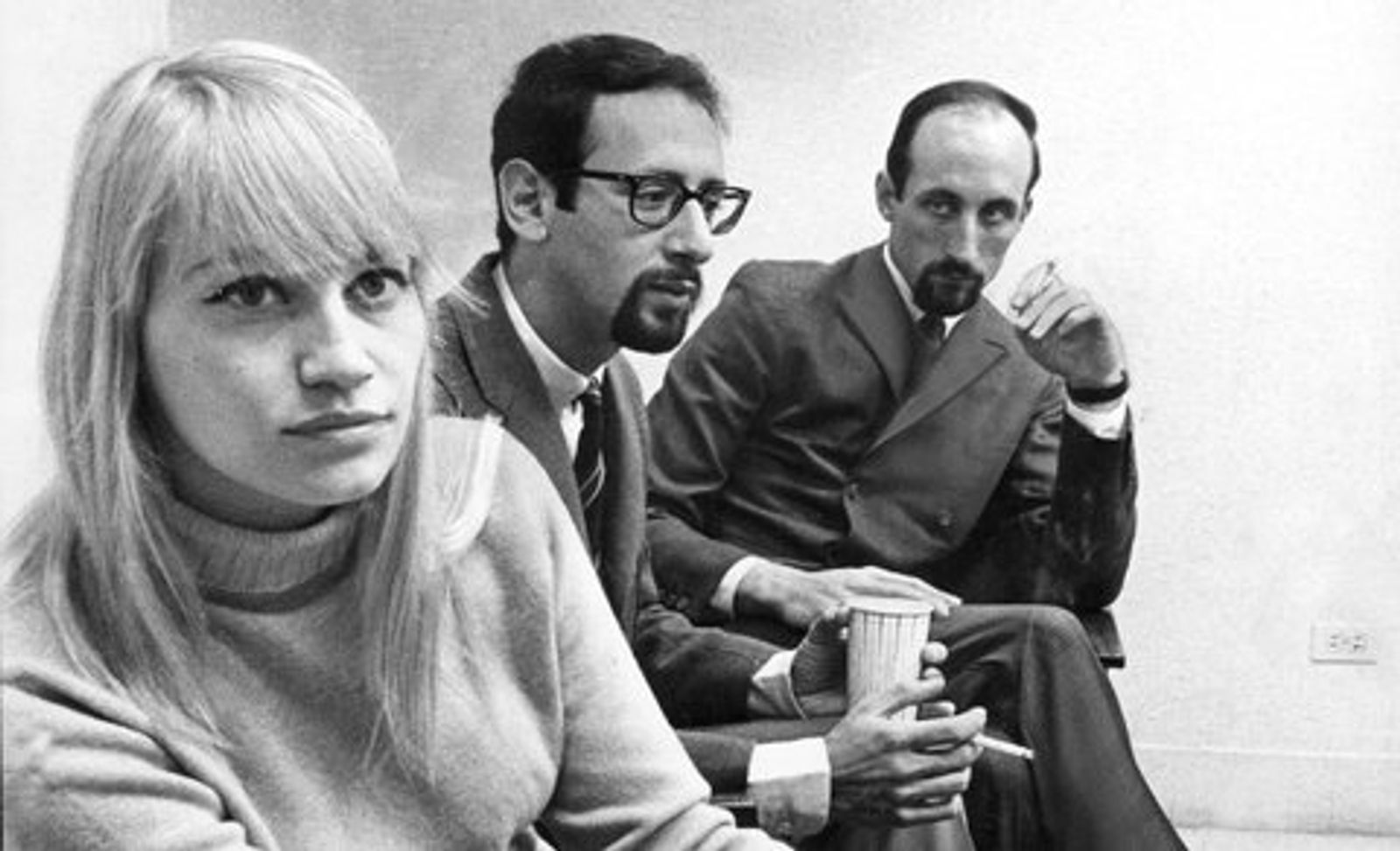
“Lemon Tree” perfectly reflected that philosophy through its graceful simplicity.
The lyrics compare love to a lemon tree whose blossoms are beautiful but whose fruit is unexpectedly bitter.
It is a metaphor so clear that almost anyone can understand it, regardless of age or background.
Children often enjoy the cheerful melody without noticing its deeper meaning.
Adults, however, recognize the quiet wisdom hidden inside every verse.

Many of life’s happiest beginnings eventually teach us difficult truths about change, expectation, and acceptance.
Yet the song never becomes cynical or hopeless despite its bittersweet message.
Instead, it gently reminds us that disappointment is simply another part of growing older.
That balanced perspective gives the recording a timeless emotional richness.
Peter, Paul & Mary’s voices carry the lyrics with remarkable tenderness and restraint.

No one tries to overpower the others because every harmony exists to serve the story.
Their vocal blend feels almost conversational, as though close friends are quietly sharing life’s lessons around a campfire.
That natural intimacy became one of the trio’s defining characteristics.
The arrangement itself remains beautifully uncluttered, allowing the melody and message to shine without distraction.
Acoustic guitar provides a gentle foundation while the harmonies create warmth that feels almost comforting.

Nothing in the recording seems unnecessary or exaggerated.
Its elegance comes from knowing that sometimes less truly becomes more.
During the 1960s, audiences embraced folk music because it offered honesty during a rapidly changing world.
Songs like “Lemon Tree” encouraged listeners to reflect rather than simply escape.
Even decades later, that invitation still feels meaningful.

Every generation experiences moments when youthful optimism encounters life’s unavoidable realities.
The song captures that transition with extraordinary kindness instead of regret.
Rather than warning us against love, it quietly encourages us to understand its complexities.
Real happiness has always included moments of heartbreak alongside moments of joy.
That truth explains why the recording continues to resonate across generations.

For longtime fans, hearing “Lemon Tree” often recalls evenings spent gathered around record players, family singalongs, or peaceful drives through quiet countryside roads.
For younger listeners, it offers a glimpse into an era when songs relied on storytelling instead of elaborate production.
Its timeless message crosses every generation because human emotions change far more slowly than musical trends.
The questions it asks remain just as relevant today as they were more than sixty years ago.
Peter, Paul & Mary possessed the remarkable ability to make profound ideas sound wonderfully approachable.
Their performances never demanded attention through volume because sincerity became their greatest instrument.
That authenticity continues to inspire listeners searching for music that values honesty over spectacle.
Whenever the familiar melody begins, it invites us to slow down and appreciate the quiet wisdom often overlooked in everyday life.
The image of the lemon tree becomes more than a simple symbol, reminding us that beauty and bitterness frequently grow side by side throughout our journeys.
More than six decades after it first touched audiences, “Lemon Tree” remains a gentle companion for anyone who has learned that even life’s sweetest dreams can carry unexpected lessons, and that those lessons often become the memories we treasure most.