
News
Elvis Presley’s “If I Can Dream”: The 1968 Performance That Felt Like a Final Testament
Born out of national grief and delivered with startling conviction, “If I Can Dream” became one of Elvis Presley’s most revealing recordings—a plea for hope, dignity, and human unity at the end of a turbulent year.

A song that arrived at exactly the right moment
In 1968, America was raw with division, violence, and public mourning. Out of that atmosphere came “If I Can Dream,” a song written by Walter Earl Brown in the aftermath of the assassination of Dr. Martin Luther King Jr. Its words reached toward light in a season of anguish, framing hope not as sentiment but as necessity.
For Elvis Presley, the song stood apart from routine soundtrack work and formula pop. He responded to its moral urgency immediately, and the performance that followed would become one of the defining statements of his career. In a catalog full of hits, this recording endures because it sounded like belief, not just entertainment.
There must be lights burning brighter somewhere.
Why Elvis connected so deeply with it
By the late 1960s, Presley was a global icon whose early fire had been softened in the public eye by years of Hollywood musicals and lighter material. “If I Can Dream” cut through that image. Its lyrics gave him something serious to inhabit: a direct appeal for peace, understanding, and a more humane future.
Accounts surrounding the song have long emphasized how strongly Elvis felt about singing material he believed in. That matters when listening to “If I Can Dream.” He does not sound detached or polished to a fault; he sounds invested. The performance carries strain, longing, and resolve, as if he is pushing every line toward something larger than the television stage around him.
The climax of the ’68 comeback special
The song is inseparable from Elvis’s 1968 television special, the program that reintroduced him as a vital live performer. Where much of the special celebrated his charisma, musical instincts, and physical command, “If I Can Dream” gave it a moral and emotional center. Placed as the finale, it transformed the show from a comeback into a declaration.
Visually and vocally, the performance felt stark and concentrated. Presley stands in a white suit against a dramatic backdrop, delivering the song with unusual intensity. The effect is unforgettable: after the looseness and excitement elsewhere in the program, this closing number lands with the force of conviction. It is not simply a grand ending; it is the moment that gives the rest of the special its meaning.
A gospel of hope without preaching
Part of the song’s power lies in how plainly it speaks. It does not offer policy, program, or slogan. Instead, it names universal desires: a better world, a place where doubt and pain do not have the final word, a future in which people can live with dignity. That simplicity made it accessible, but also durable.
Musically, the arrangement supports that emotional arc. It begins in controlled longing and builds toward near-testimony, drawing on pop, soul, and gospel intensity without becoming overly ornate. Presley’s voice moves from tenderness to a near-shout, and that escalation mirrors the song’s central idea: hope is not passive. It is something fought for, line by line.
Why many hear it as a final statement
Elvis Presley recorded many songs after 1968, and his story would continue through triumphs and hardships alike. Yet for many listeners, “If I Can Dream” feels like a final testament—not in a literal chronological sense, but in an artistic and emotional one. It gathers his gifts into a single performance: the vulnerability, the force, the spiritual yearning, and the instinct for turning a song into an event.
That is why the recording continues to attract new listeners far beyond the context of the television special. It captures a superstar at the intersection of personal renewal and national crisis, using his voice to insist that hope still mattered. In a career often summarized by fame, scandal, or myth, “If I Can Dream” offers something more intimate and enduring: Elvis Presley as a witness to his time, reaching for humanity.
The legacy of a performance that still resonates
Decades later, “If I Can Dream” remains one of the clearest windows into who Elvis could be when material matched his emotional range. It is remembered not only because it was beautifully sung, but because it carried uncommon seriousness. The song gave him a language of compassion at a moment when audiences were ready to hear it.
That legacy has only grown as the performance circulates across generations. Viewers discovering it now often respond the same way earlier audiences did: with surprise at its intensity and admiration for its sincerity. In an age crowded with nostalgia, “If I Can Dream” survives as something stronger than a period piece. It still sounds like a plea worth making.
Quick Facts
- Song: If I Can Dream
- Artist: Elvis Presley
- Writer: Walter Earl Brown
- Released: 1968
- Context: Written after the assassination of Dr. Martin Luther King Jr.
- Best-known performance: Finale of Elvis’s 1968 television comeback special
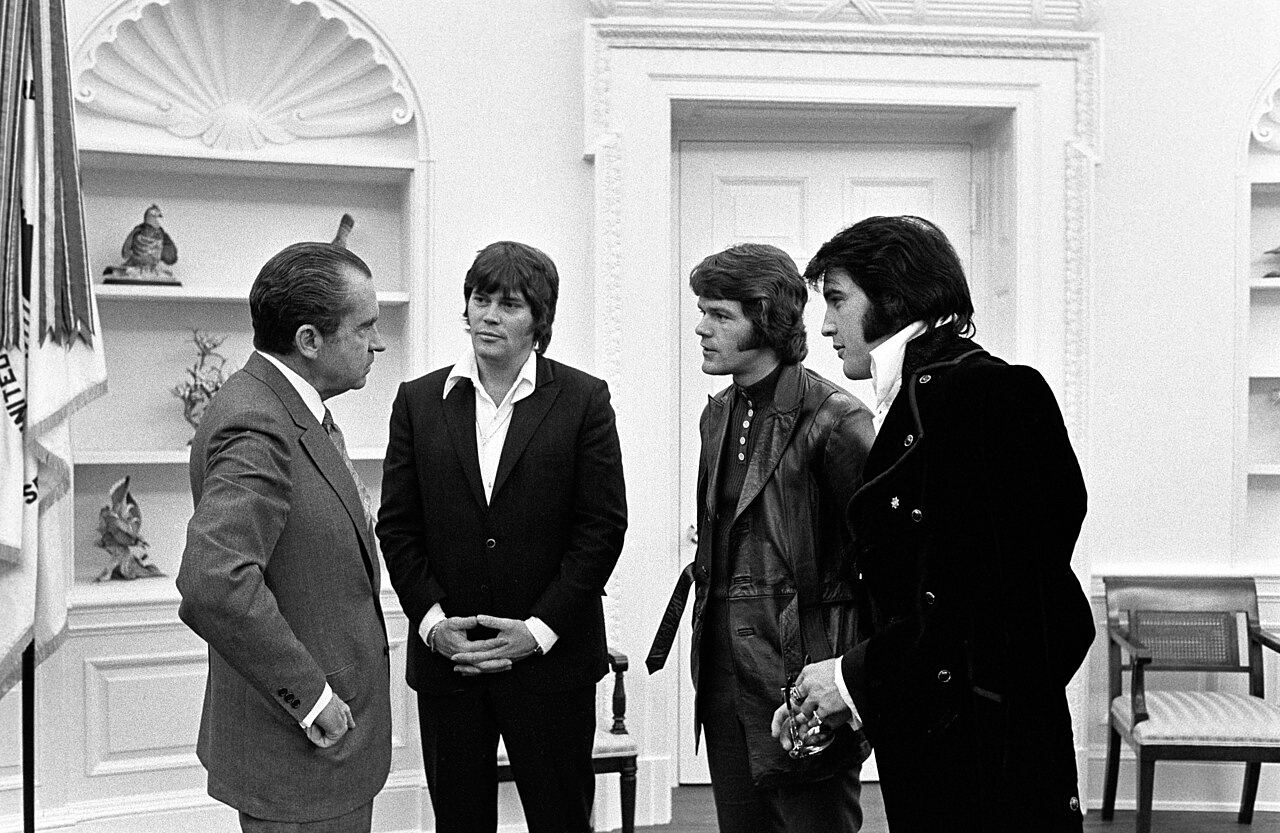
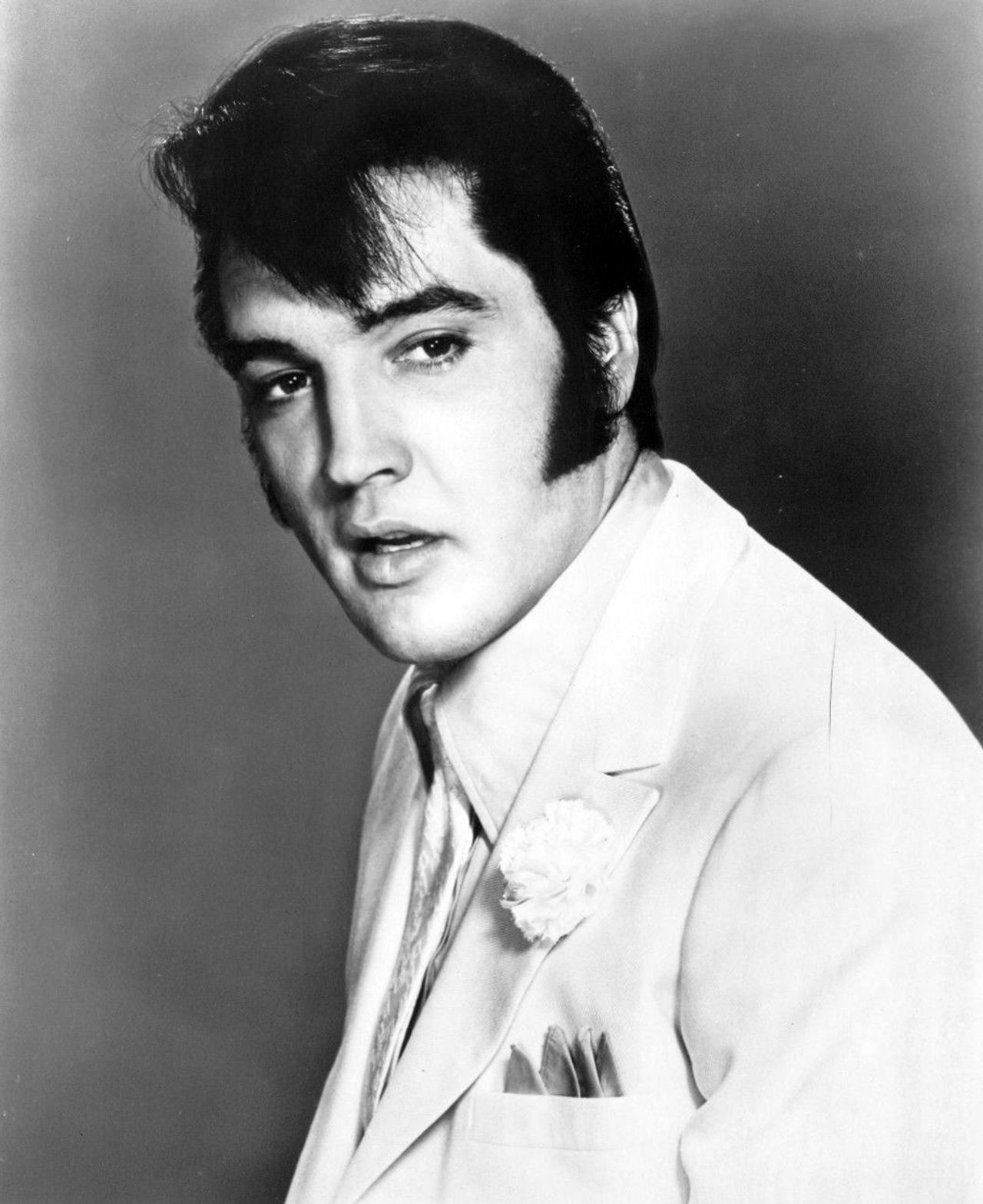
Image credits: Ollie Atkins, chief White House photographer at the time. See ARC record. / Wikimedia Commons / Public domain; Ollie Atkins, chief White House photographer at the time. See ARC / Wikimedia Commons / Public domain; MGM / Wikimedia Commons / Public domain.

