Celebrities & Music
Doris Day Recorded a Song in 1956 That Continues to Comfort Generations Worldwide
Doris Day’s 1956 recording of “Que Sera, Sera” remains a timeless comfort song whose message of acceptance has crossed generations and cultures. The article explores its origins, cultural impact, and enduring popularity through a modern lyric video presentation.
Few songs in the American popular canon have demonstrated the quiet staying power of “Whatever Will Be, Will Be (Que Sera, Sera),” the 1956 recording by Doris Day that has outlasted decades of changing musical fashions.
Originally written by the songwriting duo Jay Livingston and Ray Evans for Alfred Hitchcock’s film The Man Who Knew Too Much, the song won the Academy Award for Best Original Song and introduced audiences to a melody that felt, from its first notes, as though it had always existed.
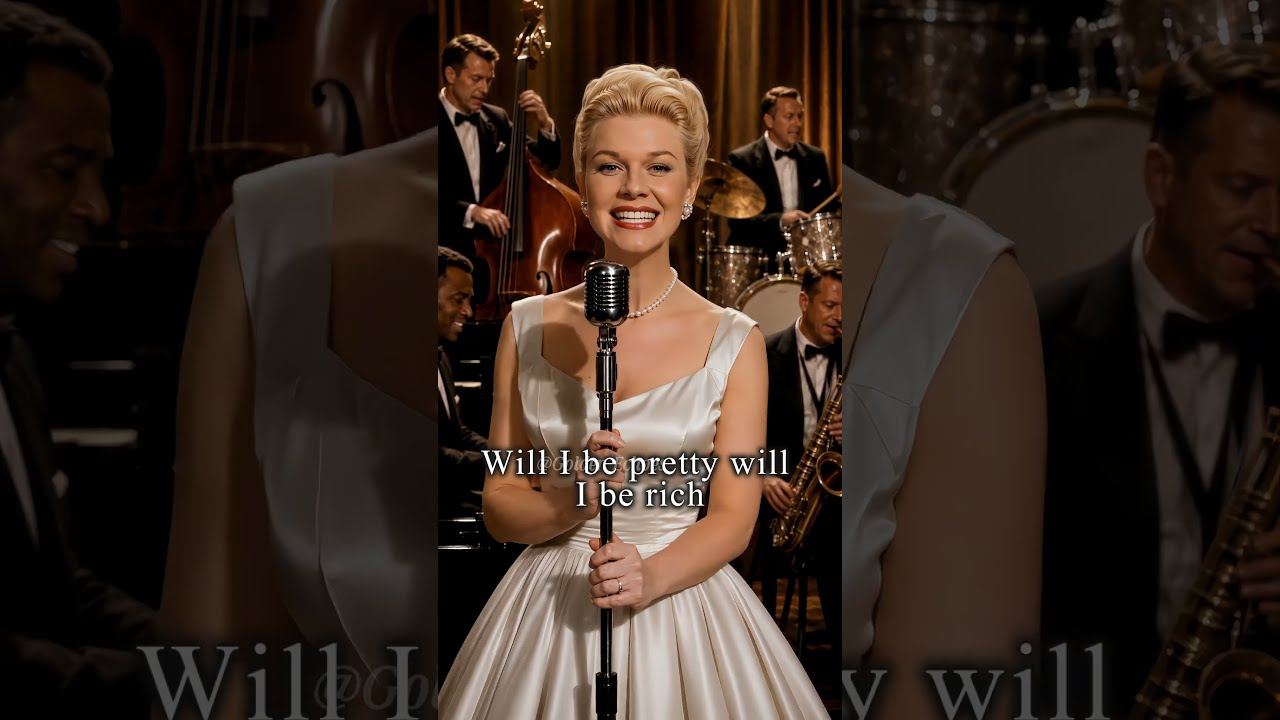
Doris Day was already one of Hollywood’s most bankable stars when she recorded the track for the film’s soundtrack, but “Que Sera, Sera” became something more than a career highlight.
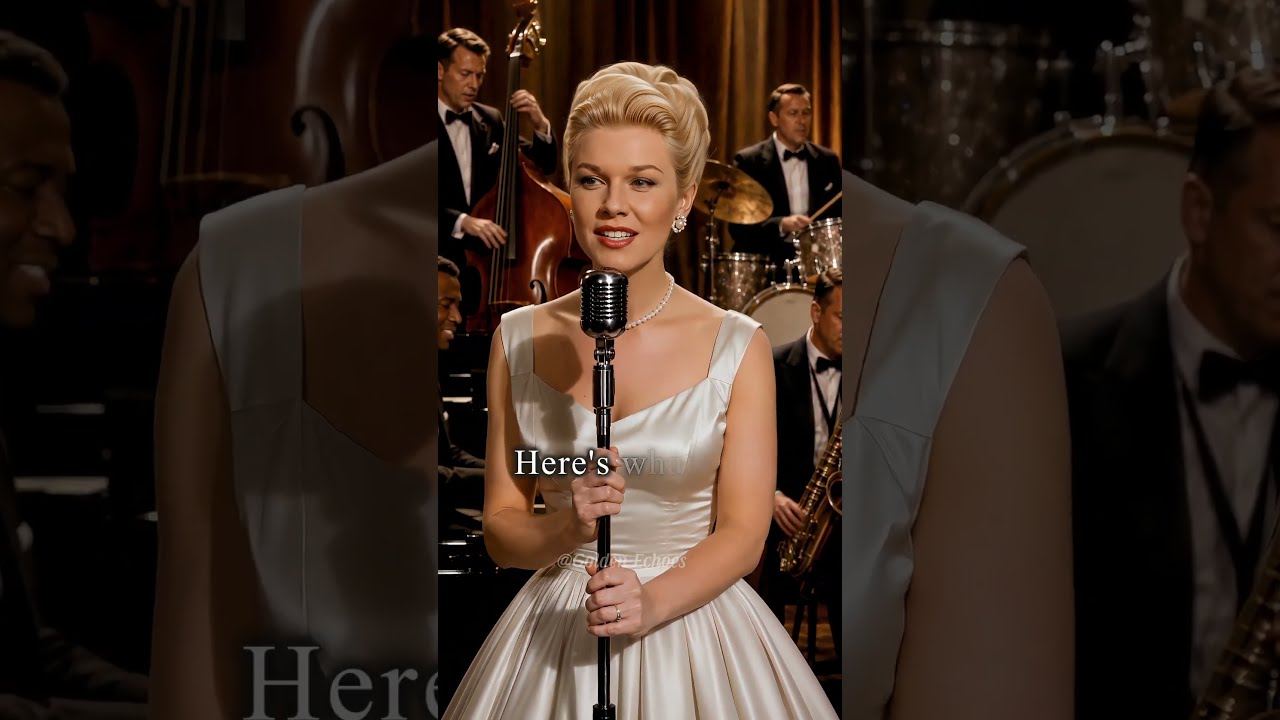
The song’s central philosophy — that the future remains beautifully unknowable — resonated with postwar American audiences navigating a world that felt simultaneously full of promise and uncertainty. Day’s vocal delivery, warm and conversational rather than theatrical, gave the lyric an intimacy that more polished performances might have missed entirely.
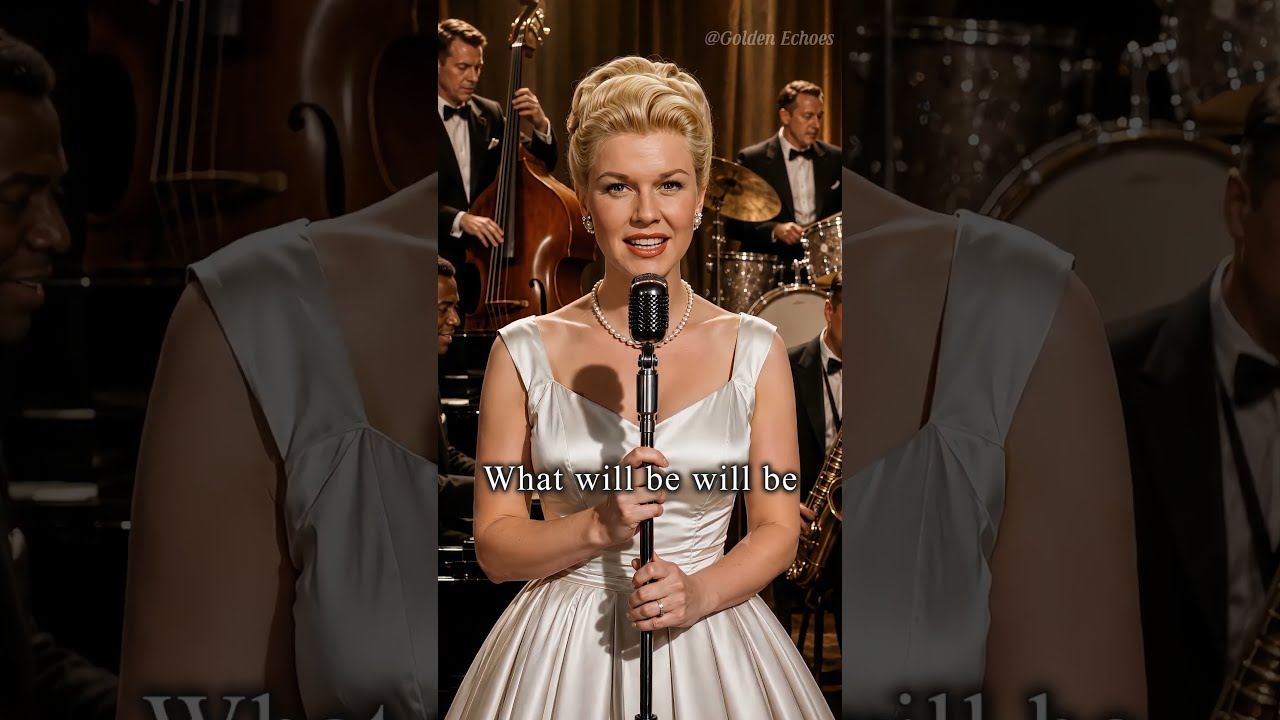
The song’s structure is deceptively simple. Built around a mother-and-child dialogue spanning three verses, each asking the same question across different stages of life, the composition moves from childhood wonder to romantic hope to maternal wisdom.
Day’s voice carries each stage with a naturalness that made the recording feel less like a performance and more like a memory being shared. That quality explains why audience comments decades later still reference childhood, nostalgia, and a sense of things that cannot return.
The cultural footprint of “Que Sera, Sera” extends well beyond its original film context. It became Doris Day’s signature song, serving as the theme for her television series The Doris Day Show from 1968 onward, and has since been covered by artists across genres ranging from Pink Martini to Sly and the Family Stone.
The phrase itself entered everyday language in several countries, functioning as a gentle expression of acceptance that transcends its musical origin. The multilingual audience reactions surrounding this video — comments arriving in Italian, German, Vietnamese, Portuguese, and English — reflect how thoroughly the song’s message has crossed cultural borders.

The version presented by the Golden Echoes channel uses AI technology to reconstruct Day’s visual presence alongside her original recording, pairing the lyric video format with a language-learning framework aimed at English learners.
With over 900,000 views, the video demonstrates that new audiences continue to find their way to a recording made nearly seven decades ago. The full performance, along with the on-screen lyrics that made this presentation a destination for listeners around the world, is available in the video below.
▶ Watch the full video below
If the video doesn’t load, watch it directly on YouTube.
Read more stories
- I died for a few terrifying minutes while giving birth to my triplets, and as
- The night I lost my job, my sister shouted, “Who’s going to pay my car loan now?” Mom backed her up. Dad started packing my things. “Your sister needs this house more than you do.” I said nothing about the company in my name or the beach house. Hours later… it all collapsed.
- My daughter always remained silent whenever her stepfather bathed her… until one day I arrived home earlier than usual — and what I saw before my eyes left me paralyzed.
- “Get Out of My Son’s House Before I Have You Thrown Out!” My Mother-in-Law Screamed as She Ripped My Dress Apart—She Had No Idea She Was Ordering the Real Owner to Leave Her Own Home