
News
Dolly Parton’s Rockstar Was a Love Letter Disguised as a Rock Album
Behind the star-studded sweep of Rockstar was an intensely private mission: to make a loud, full-hearted record for the husband who had spent a lifetime loving classic rock.

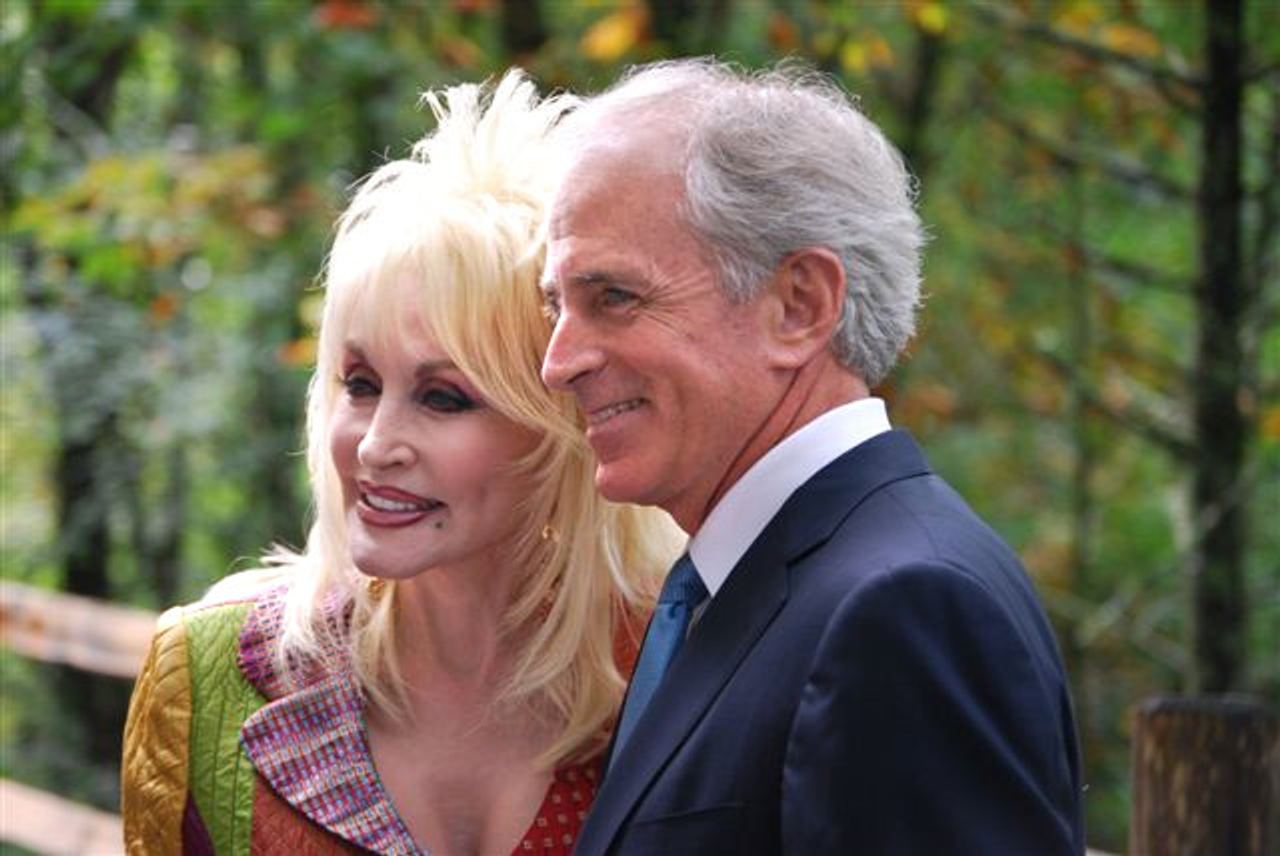
A Hall of Fame honor that became a challenge
Dolly Parton built one of the most recognizable careers in country music, so when the Rock and Roll Hall of Fame moved to induct her in 2022, her first instinct was hesitation. She publicly questioned whether she had earned that place, wary of claiming an identity she did not believe she had fully lived. It was a characteristically direct response from an artist who has long understood the symbolic weight of genre, tradition, and respect.
But once she accepted the honor, she answered it the way she has answered nearly every major moment in her career: by going to work. Rather than treating the induction as a ceremonial crossover, she turned it into an assignment. If she was going to stand in rock’s house, she would make a real rock record—large in scale, unapologetic in sound, and rooted in the songs and spirit that had long existed in her home life, even if they were not the music that first made her famous.
I’m not a rock singer in the traditional sense, but Dolly Parton understood that authenticity sometimes means doing the hard thing all the way.
The audience of one at the center of the project
The emotional core of Rockstar was not a marketing pivot or a late-career experiment. It was Carl Dean. Famously private and largely absent from the public mythology surrounding Parton’s celebrity, Dean remained a central force in her personal world for decades. His love of classic vinyl records and hard-driving rock music helped shape the atmosphere of their life at home, where those songs played across the Nashville house they shared through nearly six decades.
By late 2023, that musical history carried a sharper urgency. As Carl Dean’s cognitive health declined, the album became something more than a creative challenge. It became a race against time. Parton was not simply exploring another genre for fun; she was trying to complete a body of work her husband could still hear, recognize, and enjoy. The scale of the project only made that urgency more poignant: thirty tracks, heavy guitars, towering songs, and a voice pushing itself to meet the moment.
Building a rock record on a grand scale
Parton approached the album with the ambition of someone determined not to do things halfway. She reached out to more than forty rock figures, pulling together a cast that reflected both rock history and her own reach across the industry. Paul McCartney, Ringo Starr, Elton John, Sting, Steven Tyler, Stevie Nicks, and Joan Jett were among the names drawn into the orbit of Rockstar, turning the album into a kind of summit meeting between a country institution and the musicians who defined generations of amplified music.
That roster could easily have tipped the project into novelty, but the concept anchored it. Rockstar mixed new original material with songs that had already earned their place in rock’s canon, including anthems associated with Led Zeppelin, The Rolling Stones, and Prince. These were not abstract selections chosen to signal credibility. They were part of the shared soundtrack of a marriage, records that had spun in their house for years. In that sense, the album’s scale and guest list were expansive, but its motivation remained intimate.
A seventy-seven-year-old voice meeting heavy guitars
Parton was seventy-seven when Rockstar arrived in November 2023, and the album asked a great deal of her. Rock singing at that scale is physical: force, phrasing, stamina, attack. Her voice, so long associated with country storytelling, tenderness, and sparkle, had to find its way through dense production and muscular arrangements. The sessions were intense, and part of the fascination of the record lies in hearing her not simply visit rock but strain toward it, testing range, texture, and emotional weight.
That effort mattered because the album was never meant to feel casual. It had to sound committed. Parton’s long career has been built on versatility, but versatility alone was not enough here. She needed conviction. The result was a record that made room for her unmistakable identity while also honoring the volume and drama of the source material. It was less about becoming someone else than about bringing her own emotional clarity into a louder room.
The quiet listening session that mattered most
For all the noise surrounding Rockstar—the famous collaborators, the size of the track list, the global chart attention—the album’s most important scene happened at home. Back in their living room, Parton placed headphones over Carl Dean’s ears and watched as the music played. It is an image that cuts through every headline attached to the project: one of the most famous entertainers in the world waiting silently for a reaction from the person whose opinion mattered most.
When he smiled at the volume and told his ‘Kid’ that she had gotten it right, the whole enterprise found its meaning. That private approval reframed the album. It was not only a crossover event, not only a Hall of Fame response, not only a celebrity-rich release. It was a conversation between partners, carried out through songs that had traveled with them for decades. In that room, rock music was not image or industry. It was memory, recognition, and love.
The applause that mattered most did not come from an arena. It came from one man in a living room, hearing the music that had lived in their marriage for years.
A legacy widened, not replaced
Country music remains the foundation of Dolly Parton’s legacy, and Rockstar did not ask listeners to forget that. Instead, it widened the frame. The album revealed how much of her artistic life has always depended on emotional translation—taking private feeling and making it public without draining it of sincerity. In this case, the feeling was devotion, and the translation came through riffs, famous choruses, and a giant production built around a deeply personal need.
That is why Rockstar lingers beyond its release moment. Its chart recognition and international attention mattered, but they were secondary to the story embedded in the record itself. The album stands as evidence that late-career projects can still carry risk, urgency, and tenderness. What sounded, from a distance, like Dolly Parton going rock turned out to be something more affecting: a wife trying to finish the music in time for the man who had loved it all along.
Quick Facts
- Artist: Dolly Parton
- Album: Rockstar
- Release: November 2023
- Catalyst: Her 2022 Rock and Roll Hall of Fame induction
- Personal inspiration: Carl Dean’s lifelong love of classic rock records
- Notable collaborators: Paul McCartney, Ringo Starr, Elton John, Sting, Steven Tyler, Stevie Nicks, Joan Jett
Image credits: United States Congress / Wikimedia Commons / Public domain; Curtis Hilbun / Wikimedia Commons / CC BY 3.0; Moeller Talent, Inc. Nashville (management) / Wikimedia Commons / Public domain.

