
News
Dolly Parton’s Quiet Goodbye to Carl Dean
Days after Carl Dean’s death, Dolly Parton answered the silence with “If You Hadn’t Been There,” a small, intimate song that turned a famously private marriage into one of her most direct tributes.

A song released into fresh grief
On March 7, 2025, just four days after Carl Dean died at 82, Dolly Parton released a new song called “If You Hadn’t Been There.” It did not arrive as a grand statement or a heavily staged event. Instead, it felt like a private note set to music, a restrained tribute from an artist who has spent a lifetime transforming feeling into song.
That sense of nearness shaped the way listeners heard it. Parton, 79, sang the ballad in a voice described as trembling and unguarded, with the intimacy of something meant for one person rather than a crowd. In the first shock of loss, the song became a way to speak directly to the man who had stood beside her, mostly unseen, for decades.
“I fell in love with Carl Dean when I was 18 years old.”
The photograph on the cover said almost as much as the song
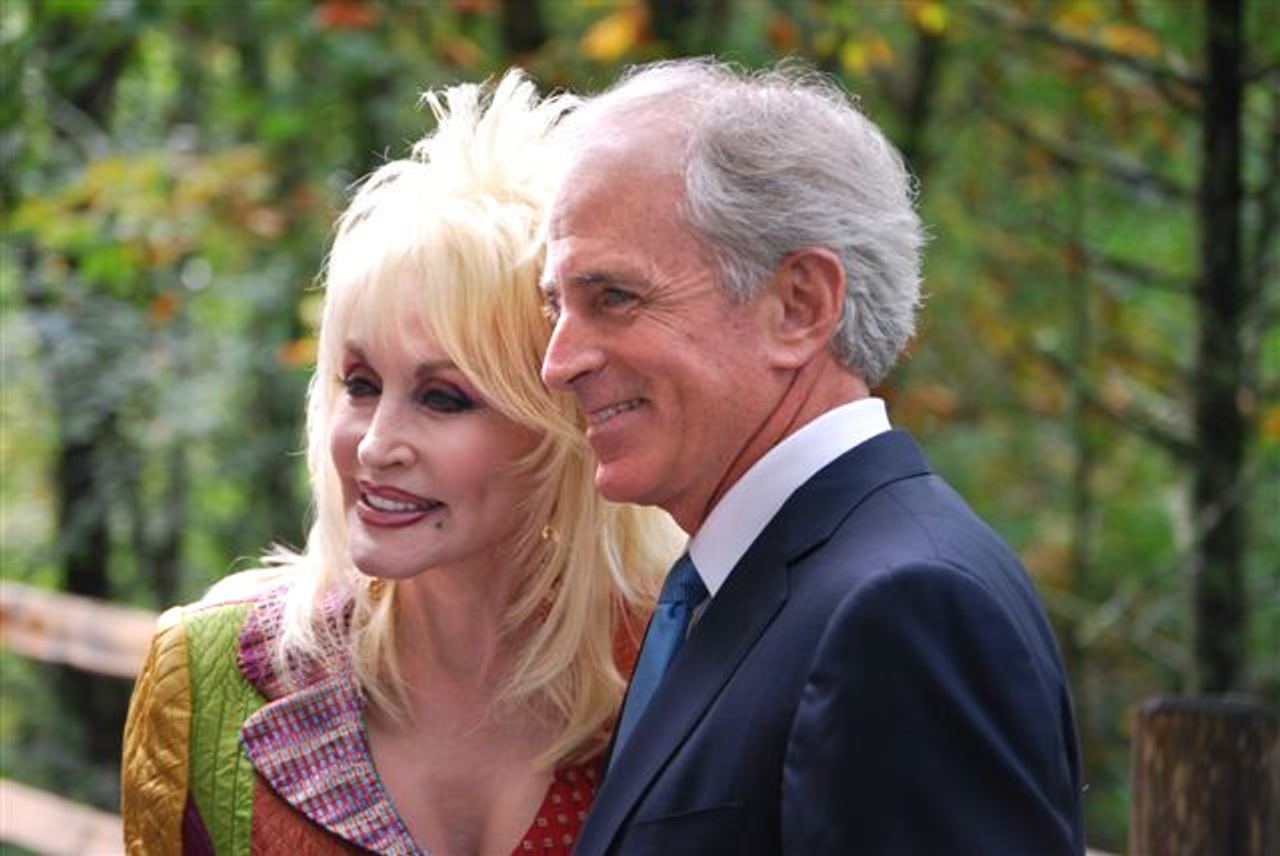
For the single’s cover image, Parton chose a rare photograph of the couple in their twenties, holding each other close. For a marriage defined in public by absence from cameras, that choice mattered. It offered a glimpse of youth, tenderness and ordinary closeness, all the more striking because Dean had spent nearly sixty years resisting the spotlight that followed his wife everywhere.
In her accompanying note, Parton wrote of falling in love with him at 18 and spending sixty precious years by his side. The image and the message worked together: not as celebrity nostalgia, but as a reminder that behind one of the most visible careers in American music was a deeply protected private life.
From a laundromat meeting to a secret wedding
Their story began in 1964 outside Nashville’s Wishy Washy Laundromat, where they first met. The detail has long endured because it sounds almost too perfectly plain for a couple linked to one of country music’s most recognizable stars. Yet that ordinariness was part of the point. Before the mythology, there was simply a young woman newly arrived in Nashville and a man she would build a life with.
They married in 1966 in Ringgold, Georgia, keeping the ceremony small and secret, with only three witnesses present. That decision set the tone for the marriage that followed. Even as Parton’s fame grew into something global, their bond was guarded carefully, preserved in the spaces celebrity culture could not easily reach.
The man who stayed out of the frame
Carl Dean became famous, in a way, for refusing fame. Identified in the seed of Parton’s life story as a Nashville asphalt businessman, he remained almost entirely outside the machinery of public attention. He rarely appeared at events, rarely sat in the audience at packed arenas, and rarely stepped into the visual narrative that surrounded his wife’s career.
That absence was not indifference. It was its own form of devotion. Rather than joining the spectacle, he chose the quieter setting of home, where he preferred to hear her sing alone on the porch of their Brentwood house. The image is almost cinematic in its simplicity: one of the world’s most recognizable entertainers singing not to a stadium, but to her husband in the stillness of domestic life.
Songwriting as a way through the silence
After Dean’s death on March 3, the quiet in the house became part of the story. Parton turned, as she has so often in her life, to songwriting. It was a habit she carried from her youth in the Smoky Mountains, a way of ordering emotion and surviving it. In this case, the song was not an indirect borrowing from married life, not one of the many love songs that brush against biography without naming it outright.
“If You Hadn’t Been There” was different. It looked directly at their shared history and credited Dean’s steady presence behind the curtain for keeping her grounded through decades of extraordinary fame. That directness is what gives the song its emotional weight. It does not mythologize him into abstraction; it thanks him for being there, consistently, privately, in the life underneath the public one.
Why the song resonated so quickly
The response was immediate. The single quickly rose to number one on Billboard’s Country Digital Song Sales chart, suggesting that Parton’s personal grief had touched a much broader nerve. Listeners did not need to know every detail of her marriage to understand what the song was doing. It spoke to the familiar shock of losing the person who made a home feel inhabited.
That connection helps explain the power of the release. For decades, Carl Dean had been the hidden figure in Dolly Parton’s story, the constant just beyond the frame. With this song, she brought him into view not by changing his nature, but by honoring it. The tribute preserved the modesty and privacy that defined their life together, even as it invited millions of people to listen in on one final porch song.
Quick Facts
- Song: If You Hadn’t Been There
- Release date: March 7, 2025
- Dolly Parton age at release: 79
- Carl Dean age at death: 82
- Carl Dean died: March 3, 2025
- First meeting: Outside Nashville’s Wishy Washy Laundromat in 1964
- Wedding: Secret 1966 ceremony in Ringgold, Georgia
- Chart note: Reached No. 1 on Billboard Country Digital Song Sales
Image credits: United States Congress / Wikimedia Commons / Public domain; Curtis Hilbun / Wikimedia Commons / CC BY 3.0; Moeller Talent, Inc. Nashville (management) / Wikimedia Commons / Public domain.