
Celebrities & Music
Dolly Parton spent an entire night crying over Elvis Presley, yet the choice she made by morning became the defining business decision of her life.
Dolly Parton turned down Elvis Presley’s request to record one of her songs because he wanted half the publishing rights, a decision that preserved her ownership and later paid off enormously when Whitney Houston turned the song into a global hit. The article frames this as a defining business choice that protected her family’s financial future and built her independence.

In 1973, she wrote a quiet goodbye to her longtime partner Porter Wagoner, intending to mark the end of their professional chapter with gratitude rather than anger. Word soon reached her that Elvis wanted to cut the song, a dream scenario for any songwriter in Nashville. But on the eve of the scheduled session, Colonel Tom Parker issued his customary terms. Elvis would only record the track if Parton signed away half of the publishing rights.
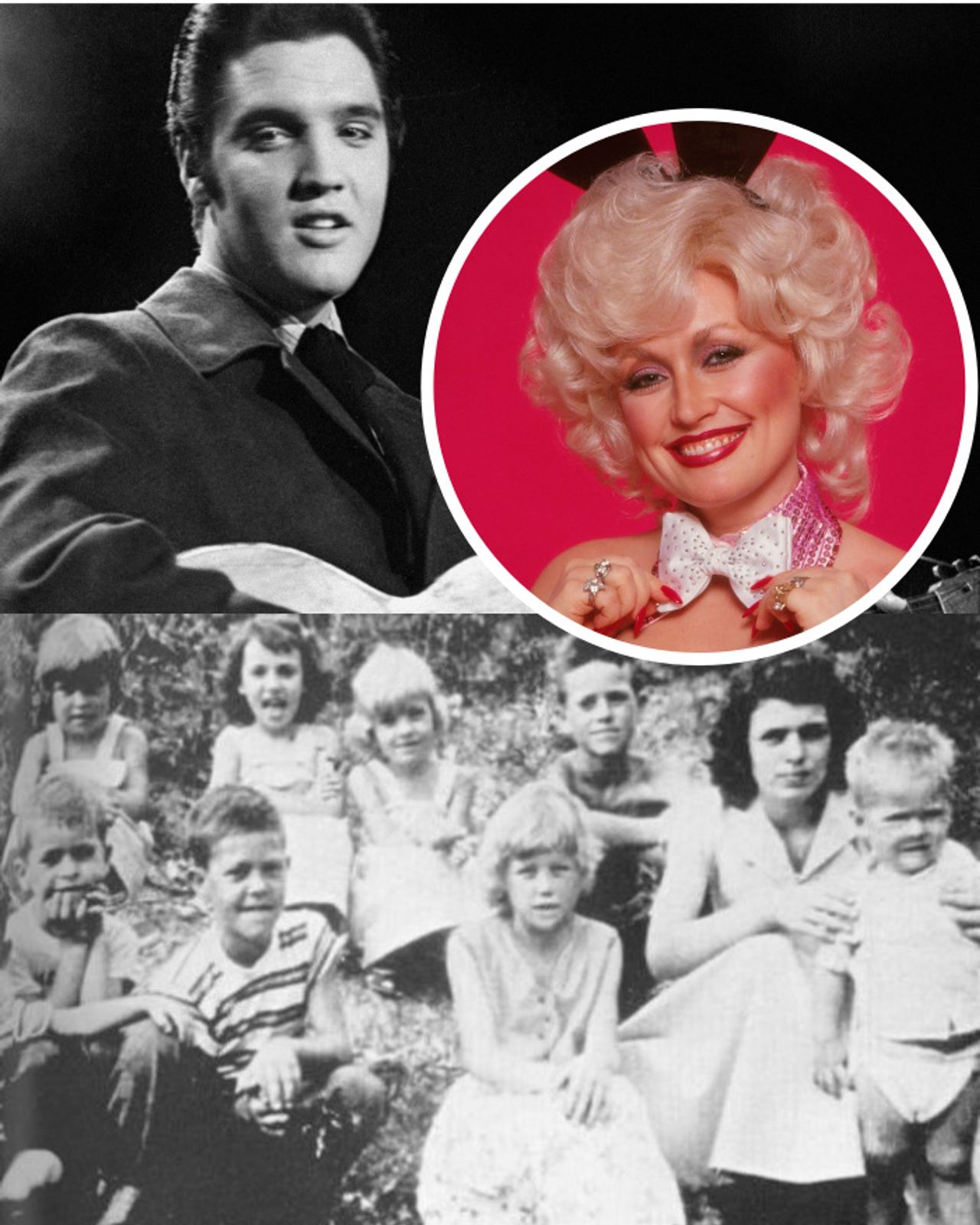
Turning down the King of Rock and Roll seemed unthinkable. Parton idolized Elvis, but she also carried the memory of growing up in a one-room cabin in the Great Smokies with eleven siblings. She viewed her catalog as the financial foundation for her parents and the generations coming after them. Refusing to surrender that security, she walked away from the session.
That resolve found its answer nearly two decades later. In 1992, Whitney Houston recorded the song for The Bodyguard soundtrack, sending it to the top of global charts and generating historic royalty streams that Parton retained in full. The moment she first heard that booming arrangement on her car radio, she had to pull over to collect herself.
Parton chose family security over proximity to a legend, keeping the rights that built her independence. The complex negotiations that preceded that phone call, along with what Houston’s team altered in the studio, remain an essential part of how a country farewell became a global standard.
In 1973, she wrote a quiet goodbye to her longtime partner Porter Wagoner, intending to mark the end of their professional chapter with gratitude rather than anger. Word soon reached her that Elvis wanted to cut the song, a dream scenario for any songwriter in Nashville. But on the eve of the scheduled session, Colonel Tom Parker issued his customary terms. Elvis would only record the track if Parton signed away half of the publishing rights.
Turning down the King of Rock and Roll seemed unthinkable. Parton idolized Elvis, but she also carried the memory of growing up in a one-room cabin in the Great Smokies with eleven siblings. She viewed her catalog as the financial foundation for her parents and the generations coming after them. Refusing to surrender that security, she walked away from the session.
That resolve found its answer nearly two decades later. In 1992, Whitney Houston recorded the song for The Bodyguard soundtrack, sending it to the top of global charts and generating historic royalty streams that Parton retained in full. The moment she first heard that booming arrangement on her car radio, she had to pull over to collect herself.
Parton chose family security over proximity to a legend, keeping the rights that built her independence. The complex negotiations that preceded that phone call, along with what Houston’s team altered in the studio, remain an essential part of how a country farewell became a global standard.
DOLLY PARTON CHOSE FAMILY SECURITY OVER ELVIS PRESLEY — AND A DECISION MADE IN TEARS BUILT AN EMPIRE THAT LASTED GENERATIONS.
In the autumn of 1973, Dolly Parton sat down to write a parting gift to Porter Wagoner. After seven years on his syndicated television show, she needed to walk away and build a solo career, yet she wanted to mark the transition with deep gratitude rather than lingering anger.
The farewell she crafted was quiet, personal, and destined to become one of the most recorded compositions in modern music. When her studio version reached number one on the country charts in 1974, word traveled quickly through the industry. Soon, an unexpected call arrived from Colonel Tom Parker, the formidable manager behind Elvis Presley.
Elvis loved the song and had already rehearsed it with his band, booking studio time to cut the track. For any songwriter in Nashville, an Elvis Presley cut represented the absolute pinnacle of prestige and radio reach. Parton was overjoyed, sharing the news with friends and preparing for the session.
Then Parker delivered his standard ultimatum the afternoon before the recording. Elvis would only track the composition if Parton signed away fifty percent of the publishing rights, a mandatory concession Parker demanded from every outside writer.
The demand crushed Parton, who spent an entire night pacing her floor and crying over the impossible dilemma. Turning down the biggest star in the world felt almost unthinkable, yet she thought of her upbringing in a one-room wooden cabin in Locust Ridge, Tennessee. As one of twelve children raised in deep poverty, she viewed her songwriting catalog not as industry currency, but as the long-term financial security for her parents, siblings, and future generations.
By morning, the tears stopped and the businesswoman took over. Parton called Parker directly and informed him that while she was honored Elvis loved the work, she could not surrender the ownership she had built. The session was canceled, and for years, peers privately questioned whether she had walked away from the defining milestone of her life.
The vindication took nearly two decades to arrive, coming through an unexpected telephone call in 1992. Kevin Costner, producing and starring in the romantic thriller The Bodyguard, insisted that Whitney Houston cut Parton’s composition as the film’s centerpiece ballad.
Working at the Record Plant in Los Angeles alongside producer David Foster, Houston’s team reworked the arrangement. Foster replaced the acoustic country swing with a sweeping orchestral canvas, yet Houston made the defining musical choice: opening the track completely a cappella, letting the sheer control and dynamic weight of her voice carry the opening verses before the brass and percussion entered.
Parton knew nothing of the finished arrangement until driving down a Los Angeles highway months later. The massive vocal intro crackled through her car radio, and the moment the instrumentation exploded into the chorus, she was so stunned by the sheer power of Houston’s performance that she had to pull over to the shoulder to keep from crashing.
Houston’s recording spent fourteen consecutive weeks at number one on the Billboard Hot 100, selling tens of millions of copies worldwide and generating millions of dollars in mechanical royalties. Because Parton had preserved her entire copyright in 1973, every single cent of those historic songwriting and publishing streams flowed directly into her company.
Parton later invested those earnings back into the working communities of East Tennessee, quietly funding literacy foundations, local enterprise, and preservation projects across the mountains that shaped her youth.
A contract rejected in grief became the anchor of a creative empire. Dolly Parton lost an afternoon in the studio with Elvis Presley, but she protected the foundation that gave her family their freedom.
Read more stories
- “Carry On Wayward Son”: The Last-Minute Song That Gave Kansas Its Breakthrough
- “The Rose”: How Bette Midler Turned a Simple Piano Ballad Into an Enduring Song of Hope
- How a Baby Left at Dolly Parton’s Gate Changed Life at Home Forever
- When Dolly Parton Joined Charley Pride in the Studio: The Quiet Grace Behind Pride and Joy

