
News
Dolly Parton built one of the most visible careers in American music, but the anchor of her life has remained almost completely unseen.
Dolly Parton’s public success was supported by a deeply private marriage to Carl Dean, whom she met the day she arrived in Nashville. The article explains how their strict separation of public career and private home helped their relationship endure for decades.

Dolly Parton built one of the most visible careers in American music, but the anchor of her life has remained almost completely unseen. The story started outside a Nashville laundromat in 1964, on the exact day she arrived in town. Two years later, to avoid the interference of record label executives, she and Carl Dean drove to Ringgold, Georgia, and married in secret with only her mother in the room. Carl tried the music industry exactly once. After attending an awards dinner with his wife in 1966, he decided he never wanted to step on a red carpet again. He returned to Tennessee and ran an asphalt paving business, letting Dolly take the stage while he kept a quiet life on their Brentwood farm.
For over half a century, they kept a strict boundary between work and home. While she traveled the world in rhinestones and towering wigs, he offered a safe place where she could drop the persona. He was not looking for a superstar. He simply loved the woman he met at the laundromat.
Their marriage survived precisely because they gave each other space. Her touring schedule created natural distance, keeping their relationship from buckling under the pressure of fame. It took a man with immense inner security to stand quietly in the background without ever feeling diminished by his wife’s global shadow.
They built a lasting life together far away from the flashbulbs, trading industry parties for quiet picnics and anonymous road trips in a dusty RV. The public saw a music icon, but the private negotiations they made to protect their home—and the specific sacrifices Carl made to let her fly—reveal a much more complicated journey than a simple love story.
The story started outside a Nashville laundromat in 1964, on the exact day she arrived in town. Two years later, to avoid the interference of record label executives, she and Carl Dean drove to Ringgold, Georgia, and married in secret with only her mother in the room. Carl tried the music industry exactly once. After attending an awards dinner with his wife in 1966, he decided he never wanted to step on a red carpet again. He returned to Tennessee and ran an asphalt paving business, letting Dolly take the stage while he kept a quiet life on their Brentwood farm.
For over half a century, they kept a strict boundary between work and home. While she traveled the world in rhinestones and towering wigs, he offered a safe place where she could drop the persona. He was not looking for a superstar. He simply loved the woman he met at the laundromat.
Their marriage survived precisely because they gave each other space. Her touring schedule created natural distance, keeping their relationship from buckling under the pressure of fame. It took a man with immense inner security to stand quietly in the background without ever feeling diminished by his wife’s global shadow.
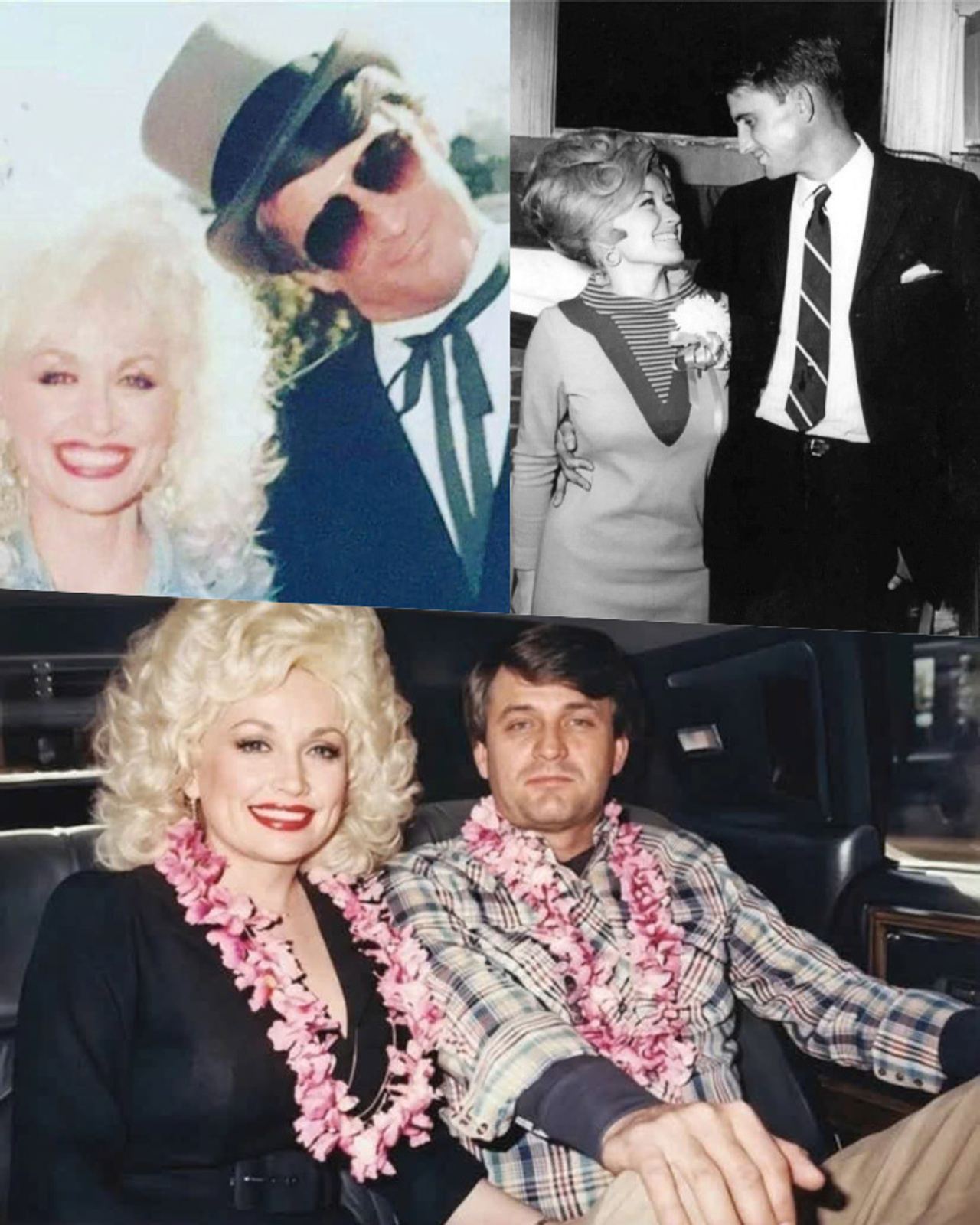
They built a lasting life together far away from the flashbulbs, trading industry parties for quiet picnics and anonymous road trips in a dusty RV. The public saw a music icon, but the private negotiations they made to protect their home—and the specific sacrifices Carl made to let her fly—reveal a much more complicated journey than a simple love story.
SHE BUILT ONE OF THE MOST VISIBLE CAREERS IN AMERICAN MUSIC — BUT THE REAL STORY IS THE MAN WHO DELIBERATELY CHOSE TO REMAIN UNSEEN.
Dolly Parton arrived in Nashville in the spring of 1964, carrying a guitar and a singular determination to conquer the country music industry. On her very first day in town, walking outside the Wishy Washy Laundromat, she caught the attention of a tall, quiet man named Carl Thomas Dean.
Two years later, her record label pleaded with her to delay marriage, fearing a husband would derail the commercial appeal of a rising female star. Ignoring the executives, the couple quietly drove across the state line to Ringgold, Georgia, on Memorial Day in 1966. They exchanged vows in a small Baptist church with only her mother sitting in the pews to witness the moment.
That quiet wedding set the tone for a partnership that would defy every expectation of celebrity life. Carl tried to participate in the music industry exactly once. Later in 1966, he accompanied his wife to a major BMI awards dinner in Nashville to celebrate her first significant songwriting success.
Surrounded by flashing cameras, reporters, and industry executives, he realized immediately that he had no desire to exist in that environment. On the drive home, he made his position clear. He supported her dreams entirely, but he asked that she never expect him to step onto a red carpet again.
That single night sparked the private negotiations that would ultimately protect their home for over half a century. The agreement they forged was absolute, drawing a permanent line between her career and their front door. She would never force him into the spotlight, and he would never ask her to temper her ambition.
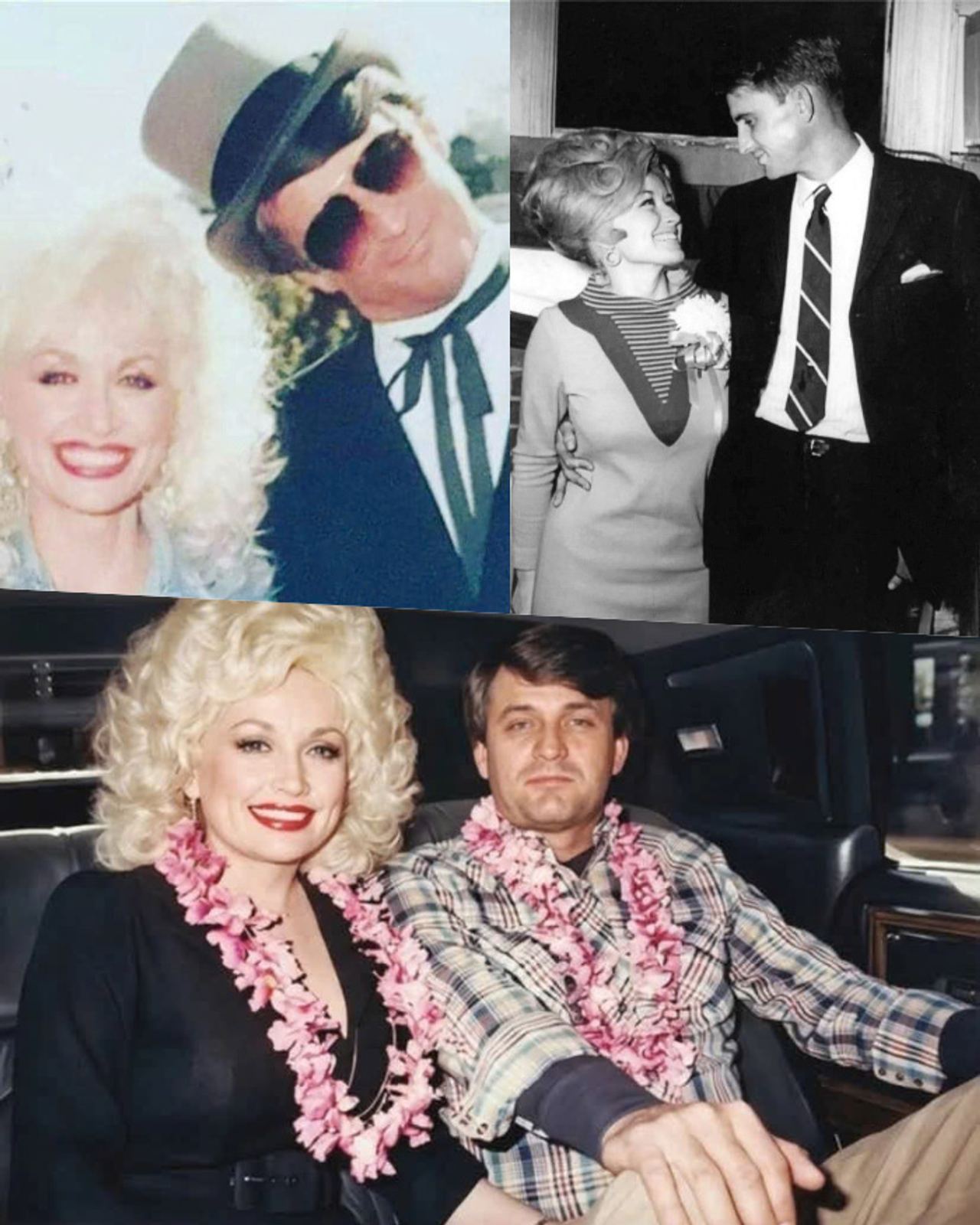
This strict boundary required profound sacrifices from both sides to ensure the marriage survived. Carl accepted the reality of a quiet, often solitary life on their farm, sharing his wife with millions of fans and a relentless global touring schedule. In return, she accepted the sacrifice of experiencing her most historic professional triumphs—from Hall of Fame inductions to sold-out stadium tours—without her life partner sitting proudly in the front row.
While she traveled the world in towering wigs and rhinestone-studded gowns, he stayed in Tennessee. He ran an asphalt paving business, worked on his tractors, and maintained their sprawling property in Brentwood.
He did not want to be recognized as a superstar’s husband. He simply wanted to be Carl Dean, a man who worked hard, enjoyed his privacy, and provided a completely grounded reality for his wife to return to when the tour bus finally parked.
The distance created by her schedule actually became the mechanism that kept their relationship from buckling under the heavy pressure of fame. When she came through the gates of their farm, the larger-than-life persona was left outside. There were no cameras, no fans, and no expectations.
To escape the relentless public eye together, they traded industry parties for quiet picnics by the river. Their preferred method of travel was loading up an anonymous RV, driving across the backroads of the country, and pulling into fast-food drive-thrus where no one expected to see a global icon sitting in the passenger seat without her stage makeup.
It took a man with immense inner security to stand quietly in the background without ever feeling diminished by his wife’s colossal shadow. Through decades of rumors, tabloid stories, and the constant presence of famous leading men in her career, Carl remained entirely unbothered.
He never needed public recognition, red carpet photos, or magazine covers to validate his place in her life. He knew exactly who he was, and he fiercely loved the woman he met outside a laundromat before the world ever learned her name.
Her voice and her image belonged to the public. But the foundation that allowed her to fly so high was built by a man perfectly content to stay on the ground.
Read more stories
- Graduating Under Their Father’s Name: How Kenny Rogers’ Twin Sons Marked a Milestone He Long Hoped to See
- When Skeeter Davis Broke Her Silence About Ralph Emery
- Waylon Jennings spent years fighting the Nashville establishment, but his biggest commercial victory came from a song he barely wanted to record.
- Skeeter Davis’s First Marriage Was Built on a False Fortune

